
Pogonomyrmex andinus
- Nome científico
- Pogonomyrmex andinus
- Tribo
- Pogonomyrmecini
- Subfamília
- Myrmicinae
- Autor
- Kusnezov, 1951
- Distribuição
- Encontrada em 1 países
Introdução
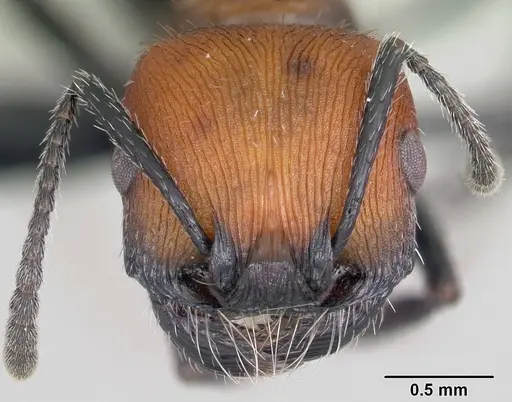
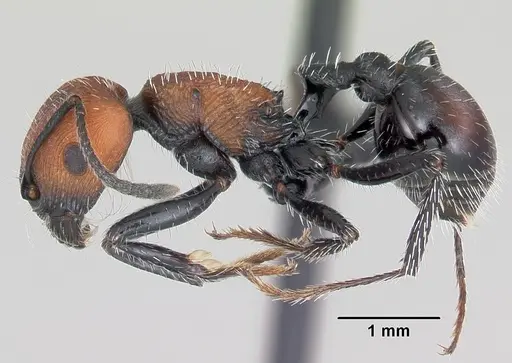
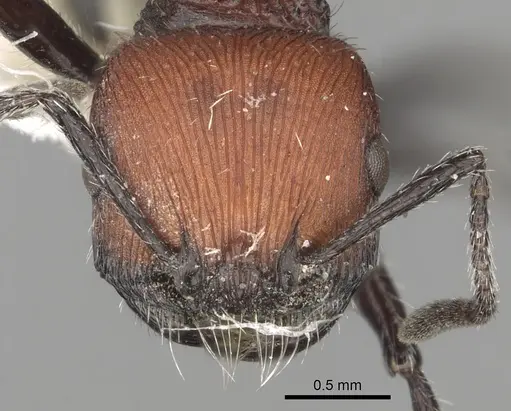
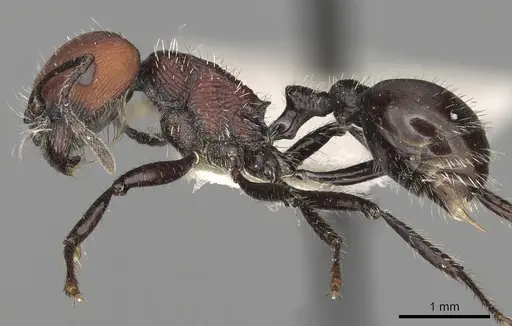
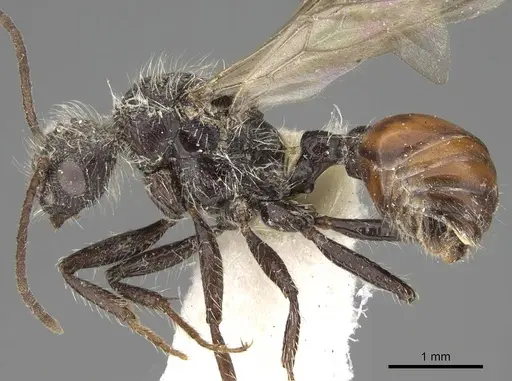
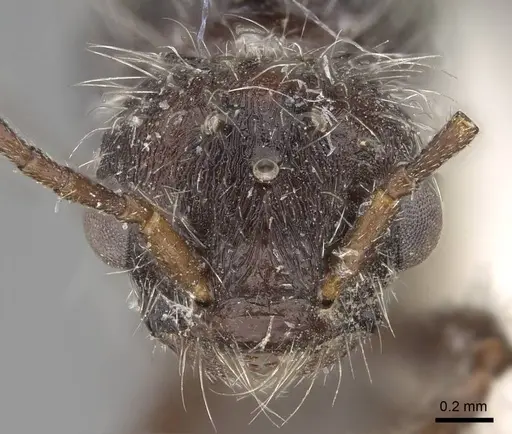
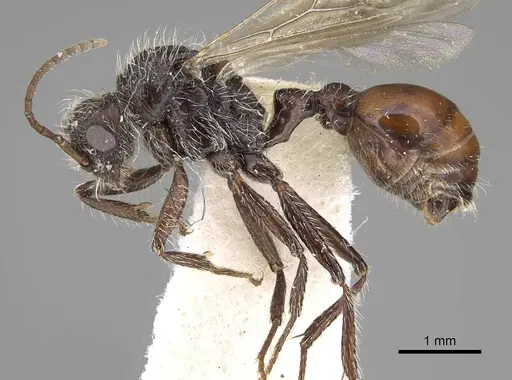
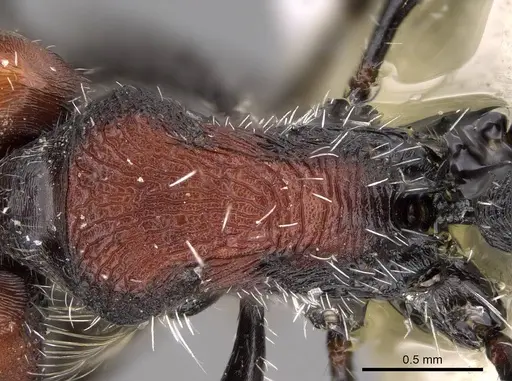
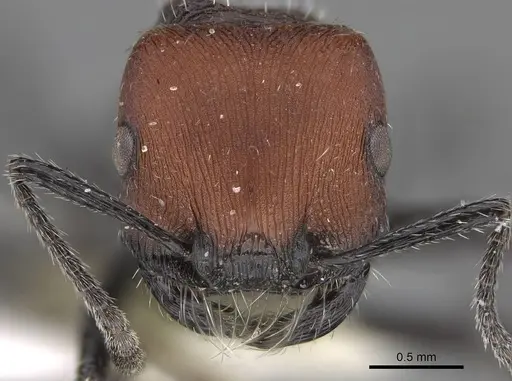
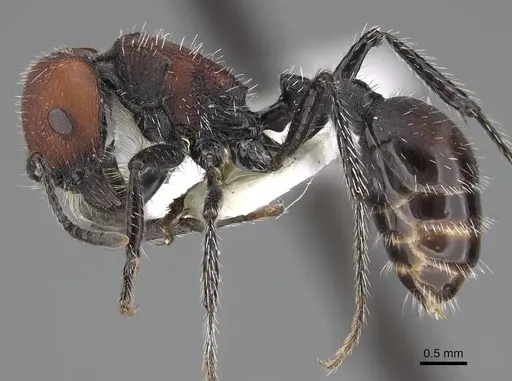
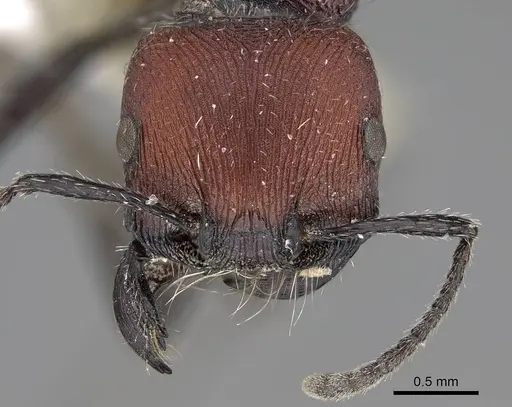
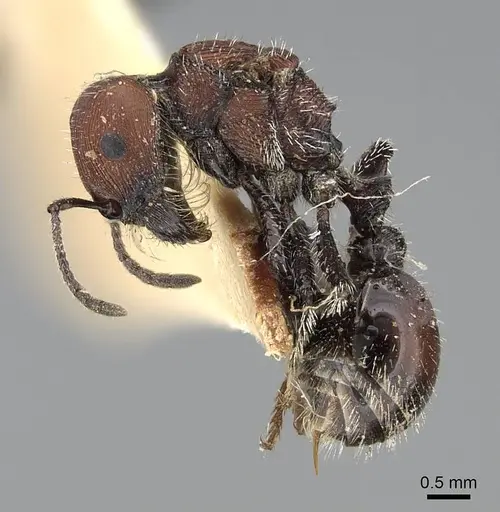
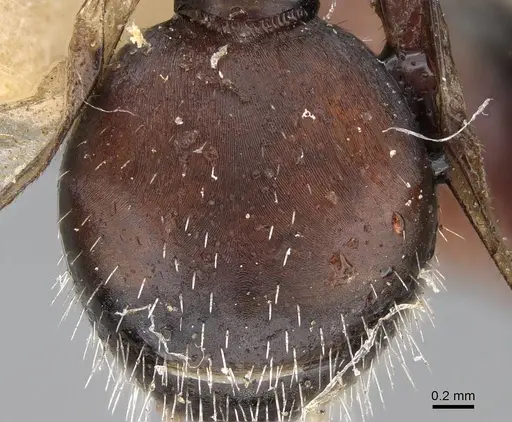
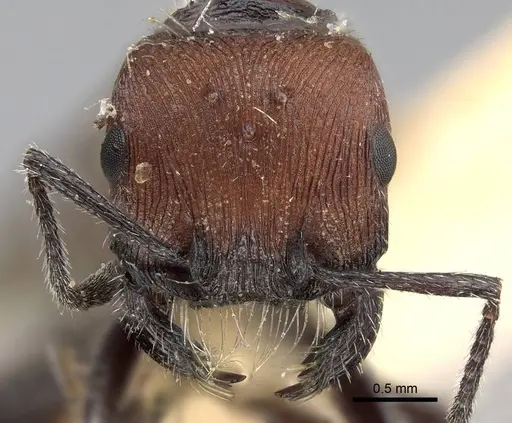
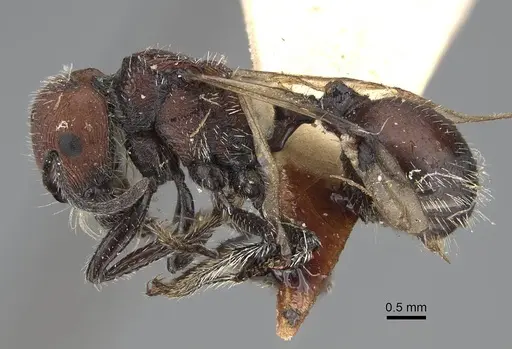
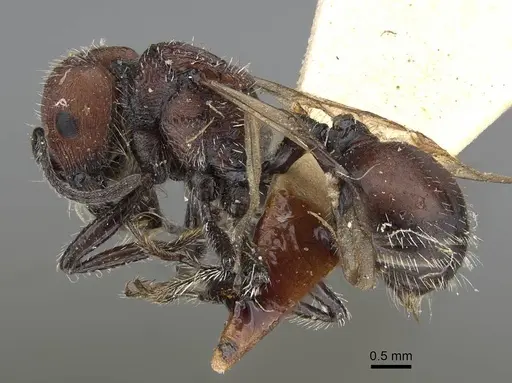
Pogonomyrmex andinus is a small seed-harvester ant native to Argentina, originally described as a subspecies of P. longibarbis and raised to full species status . Workers are estimated 4-6 mm and queens 7-9 mm, inferred from the Pogonomyrmex genus . They have a rough exoskeleton and a psammophore, a fringe of hairs under the head for carrying soil . This species belongs to the rastratus group and inhabits arid and semi-arid regions, nesting in open ground or under stones . Like other Pogonomyrmex, they specialize in harvesting seeds, which they crush and store in nest granaries. They also supplement their diet with insects for protein .
Quick Summary
- Difficulty: Medium
- Origin & Habitat: Native to Argentina in arid and semi-arid regions, nesting in open ground or under stones [1].
- Colony Type: Single-queen colonies are typical, with the queen sealing herself in a claustral chamber during founding [1].
- Size & Growth:
- Queen: ~7-9 mm, inferred from Pogonomyrmex genus [1]
- Worker: ~4-6 mm, inferred from Pogonomyrmex genus [1]
- Colony: Up to several thousand workers, estimated based on genus patterns [1]
- Growth: Moderate
- Development: 6-10 weeks, estimated from related species [1] (Development time varies with temperature)
- Antkeeping:
- Temperature: Keep at 24-28°C with a gradient. Room temperature is acceptable as a starting point [1].
- Humidity: Low to moderate. Keep nest substrate relatively dry with occasional light misting [1].
- Diapause: Yes, likely required for 2-3 months at 10-15°C during winter [1].
- Nesting: Y-tong or plaster nests work well. Use dry, sandy substrate [1].
- Behavior: Workers are active foragers, not aggressive but will defend the nest. They have a painful sting. Escape risk is moderate, use barriers like fluon [1].
- Common Issues: sting pain, these ants can deliver a painful sting, so handle with care., dry conditions required, overwatering causes mold and colony stress., slow growth, seed-harvester colonies grow slowly, requiring patience., hibernation, failure to provide winter rest may affect health., seed storage, avoid overfeeding to prevent mold in outworld.
Nest Preferences
Pogonomyrmex andinus does well in Y-tong (AAC) nests, which allow precise humidity control [1]. Plaster nests also work well since they can be kept dry [1]. In the wild, they nest in open ground or under stones in sandy soils [1]. For captivity, use a dry to slightly moist substrate depending on your nest type [1]. Avoid overly humid conditions as these are desert-adapted ants [1].
Feeding and Diet
As seed-harvester ants, their primary food is seeds. Offer varieties like millet, chia, or bird seed mixes [1]. They crack seeds and store fragments in nest granaries. Remove uneaten seeds to prevent mold [1]. They also need protein from small insects like fruit flies or mealworms once or twice a week [1].
Temperature and Seasonal Care
Keep your colony at 24-28°C during active season with a temperature gradient [1]. Room temperature around 22-24°C is acceptable if your home is warm [1]. During winter, provide diapause by reducing temperatures to 10-15°C for 2-3 months [1]. Place them in a cool area like a basement or refrigerator (not freezer) during this time [1]. Do not feed during diapause but keep a small water source available [1].
Behavior and Defense
Pogonomyrmex andinus workers are active foragers that search the outworld for seeds and small arthropods [1]. They are not particularly aggressive but will defend the nest if disturbed [1]. The genus is known for a painful sting comparable to a wasp sting, so handle with care [1]. Workers can climb smooth surfaces but are not exceptional escape artists, use standard barriers like fluon [1].
Frequently Asked Questions
How long does it take for Pogonomyrmex andinus to produce first workers?
Expect first workers around 6-10 weeks after the queen lays eggs, depending on temperature [1].
Do Pogonomyrmex andinus ants sting?
Yes, they can sting and the pain is significant, comparable to a wasp sting. Handle with care [1].
What do Pogonomyrmex andinus eat?
Their primary diet is seeds like millet or bird seed, supplemented with protein from small insects [1].
Can I keep multiple Pogonomyrmex andinus queens together?
No, this species is monogyne, they form single-queen colonies. Multiple queens will fight [1].
Do Pogonomyrmex andinus need hibernation?
Yes, they likely require a winter diapause of 2-3 months at 10-15°C [1].
Are Pogonomyrmex andinus good for beginners?
They are medium difficulty due to slow growth and specific humidity needs, better for keepers with some experience [1].
How big do Pogonomyrmex andinus colonies get?
Colonies can reach up to several thousand workers over several years [1].
What humidity level do Pogonomyrmex andinus need?
Low to moderate humidity. Keep the nest relatively dry and allow substrate to dry between waterings [1].
When should I move Pogonomyrmex andinus to a formicarium?
Wait until the colony has 50-100 workers before moving from a test tube setup [1].
Why are my Pogonomyrmex andinus dying?
Common causes include overwatering causing mold, insufficient protein, or improper temperatures. Check humidity first [1].
Report an Issue
The current care sheet is based fully on literature. See inconsistencies, or something that's incorrect? Please , it will be resolved after review from an admin. Contributing to the blogs tab also helps providing information, to make us be able to further improve the caresheets. Thank you for your support!
References

Este guia de cuidados está sob a licença CC BY-SA 4.0 .
Posts da comunidade
CASENT0103267
Ver no AntWeb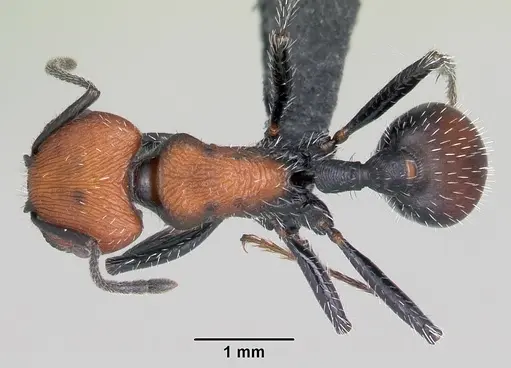
CASENT0235300
Ver no AntWeb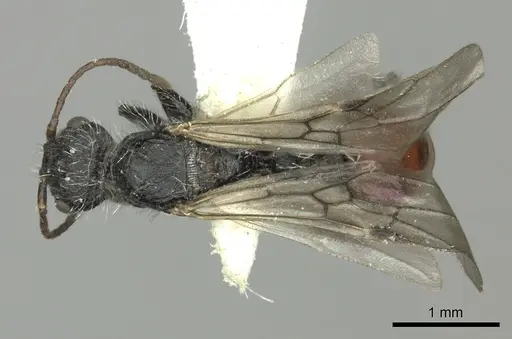
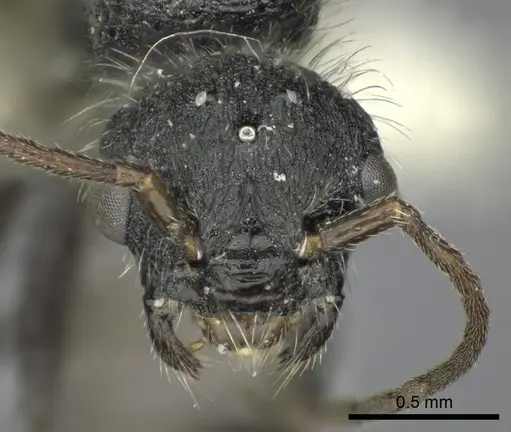
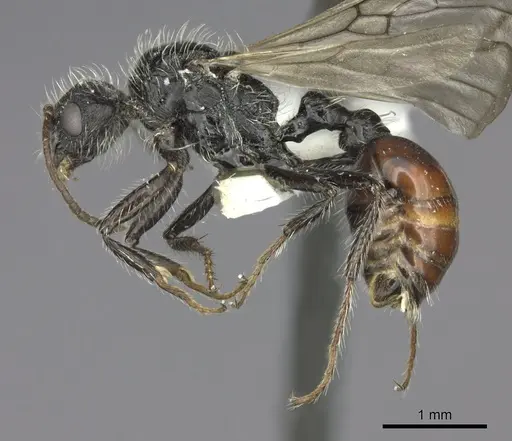
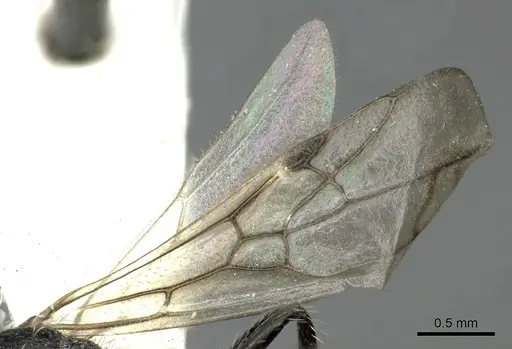
CASENT0281111
Ver no AntWeb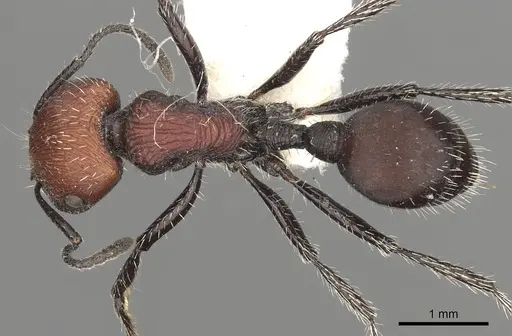
CASENT0914112
Ver no AntWeb
CASENT0914113
Ver no AntWeb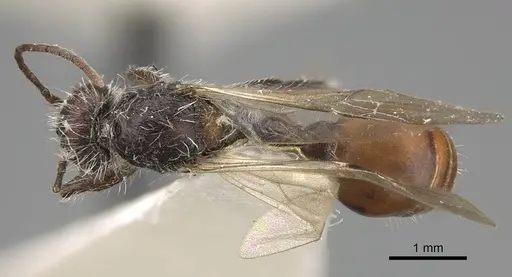
CASENT0914130
Ver no AntWeb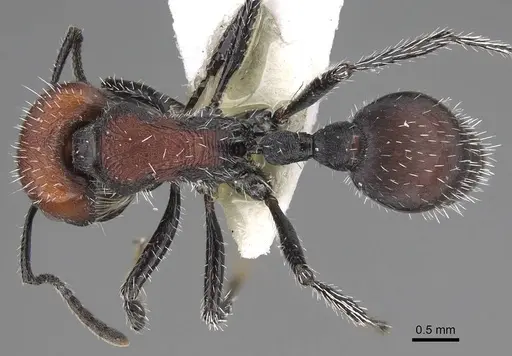
CASENT0914131
Ver no AntWeb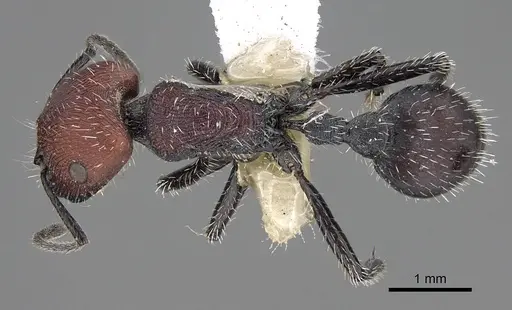
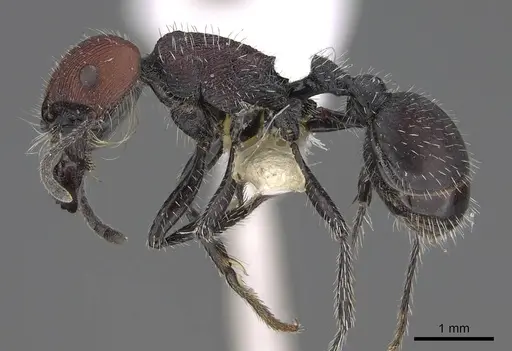
CASENT0922558
Ver no AntWeb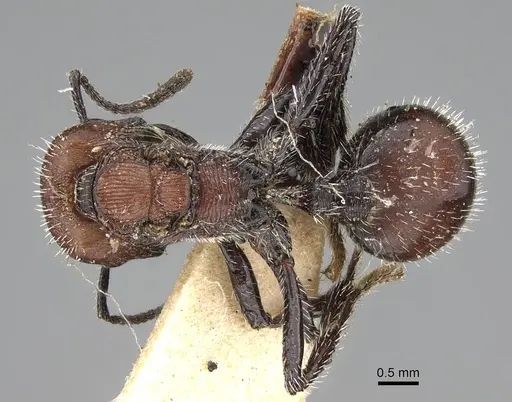
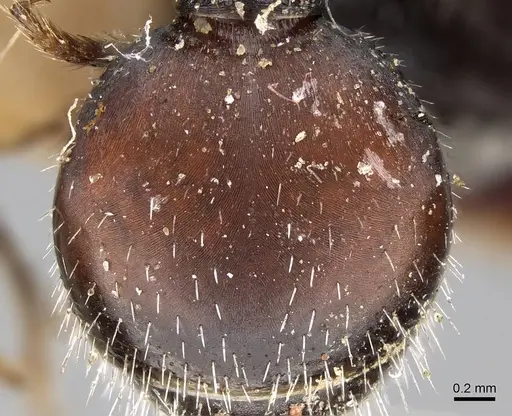
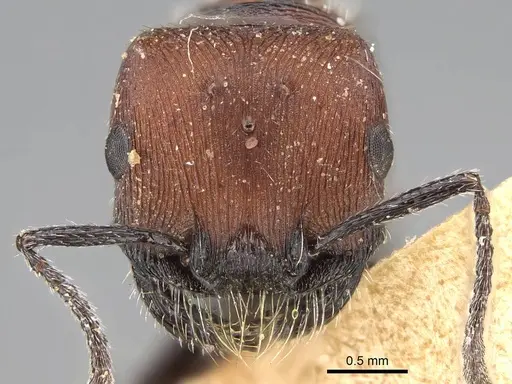
CASENT0922559
Ver no AntWeb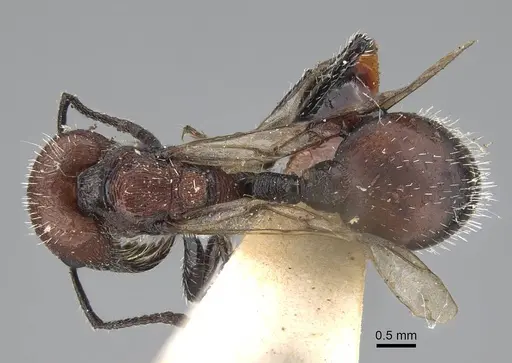
Literatura
Carregando mapa de distribuição...Carregando produtos...