
Phrynoponera transversa
- Nome científico
- Phrynoponera transversa
- Tribo
- Ponerini
- Subfamília
- Ponerinae
- Autor
- Bolton & Fisher, 2008
- Distribuição
- Encontrada em 2 países
Introdução
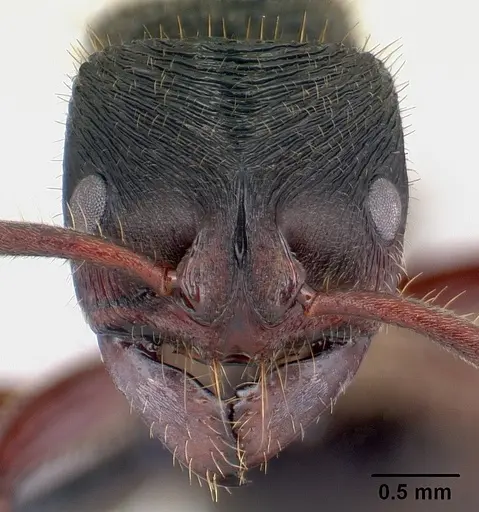
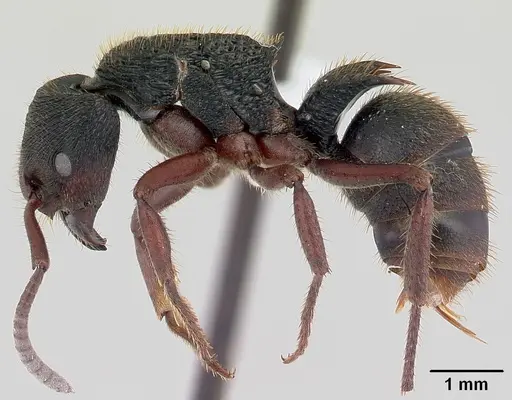
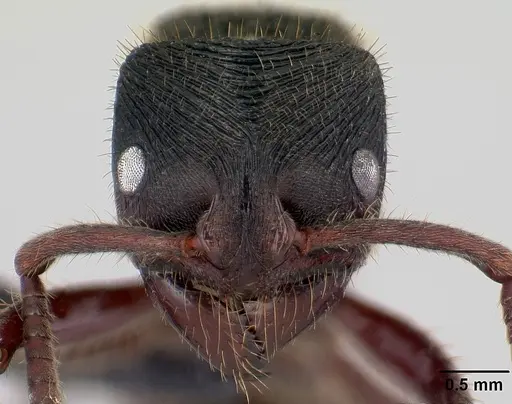
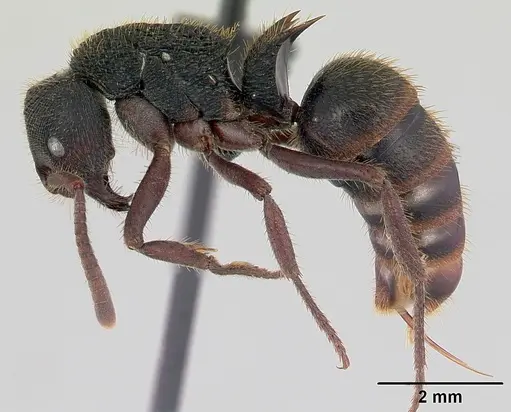
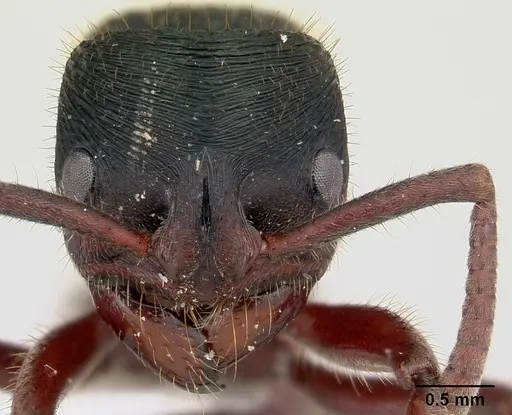
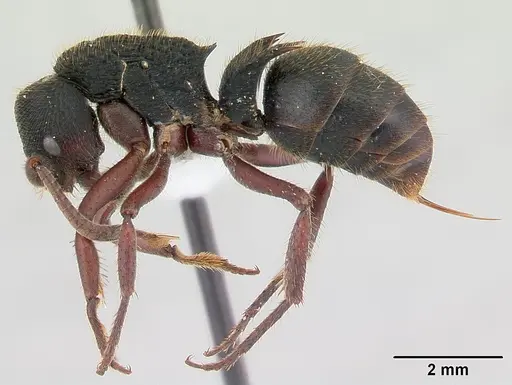
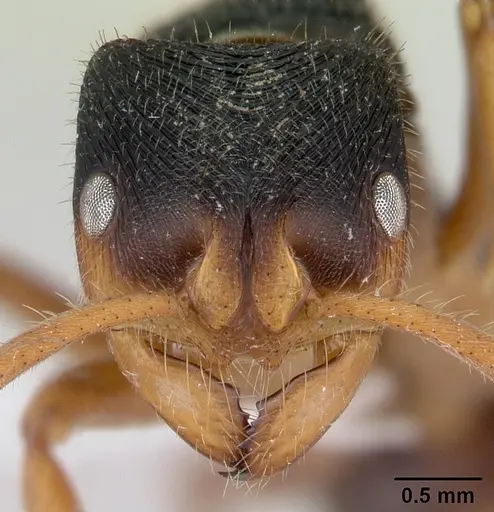
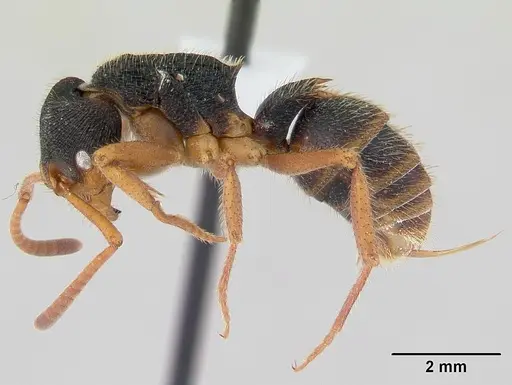
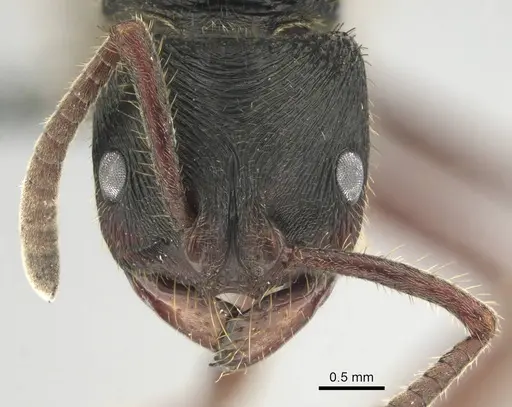
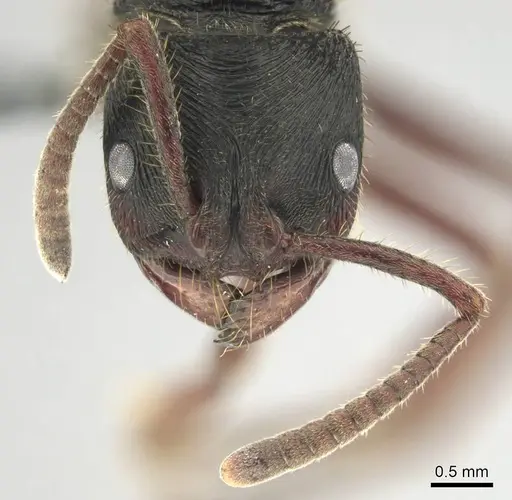
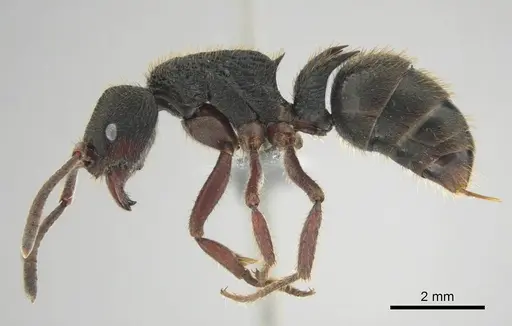
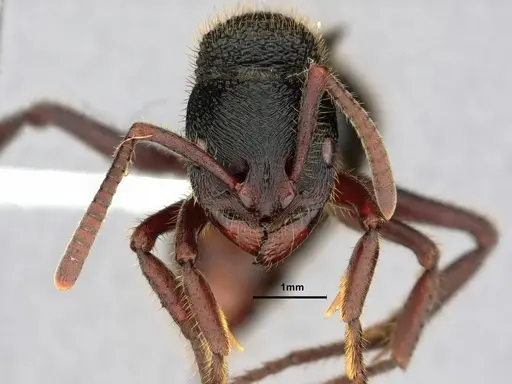
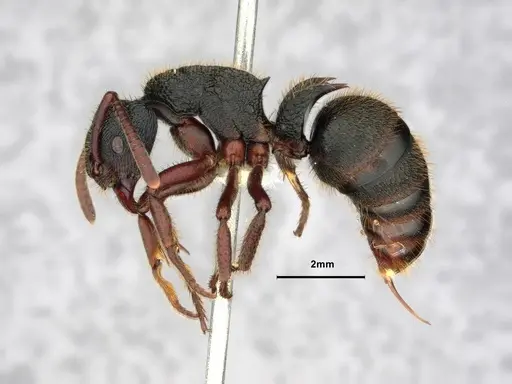
Phrynoponera transversa is a large ponerine ant species native to Gabon and the Central African Republic. Workers reach up to 9.8 mm in total length . You can identify them by their unique head shape, which features a concave front plate (clypeus) with small blunt teeth and a distinct transverse groove pattern across the top of the head behind the eyes . Scientists collect these ants from leaf litter and pitfall traps in lowland rainforests around 630 meters elevation . Like other Ponerinae, they possess a functional stinger that delivers a painful sting. Handle them with care and keep escape routes sealed.
Quick Summary
- Difficulty: Hard
- Origin & Habitat: Lowland rainforests in Gabon and the Central African Republic, around 630 meters elevation. They live in leaf litter and forest floor debris [1][2].
- Colony Type: Colony structure is unconfirmed. Only workers have been collected from the wild, so we do not know if they keep single queens or multiple queens [1].
- Size & Growth:
- Queen: Unknown, queens have not been described
- Worker: Up to 9.8 mm [1]
- Colony: Unknown, no colony collections exist
- Growth: Unknown
- Development: Unconfirmed, no direct observations exist. Based on typical Ponerinae patterns, expect around 6 to 10 weeks at warm temperatures. (This is an estimate. Actual times may vary.)
- Antkeeping:
- Temperature: Keep warm, around 24 to 28°C. A heating cable on one side creates a gradient so workers can move to their preferred spot.
- Humidity: High humidity is essential. Keep the nest substrate consistently moist but never waterlogged. Provide a water source and mist lightly if needed.
- Diapause: No, this is a tropical species from stable rainforests. They do not need winter rest.
- Nesting: Use a soil-filled container, a plaster nest with a water reservoir, a Y-tong, or a 3D-printed nest. They prefer tight, humid chambers over open spaces.
- Behavior: Active hunters that patrol the substrate for prey. They have a potent stinger and will use it if threatened. Expect moderate to high defensiveness. Their size makes them visible, but they can still squeeze through small gaps, so seal all escape routes.
- Common Issues: lack of documented care data means you must experiment with conditions, high humidity requirements can cause mold if ventilation is poor, predatory diet requires live prey which may be hard to source consistently, unknown colony founding makes queen introduction risky, potent sting demands careful handling to avoid nest disturbance
Natural History and Identification
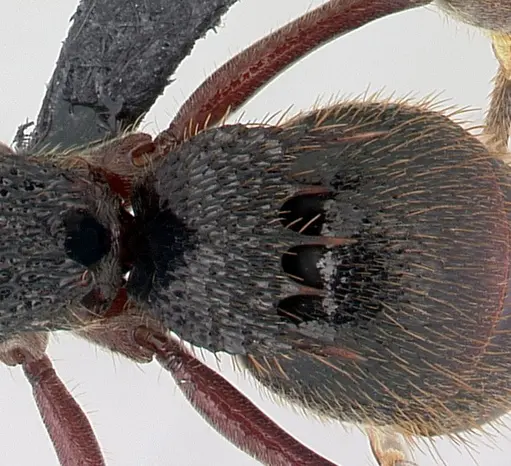
Phrynoponera transversa was described in 2008 by Bolton and Fisher. Workers measure up to 9.8 mm in total length [1]. You can spot them by their modified clypeus, which has a concave middle section flanked by blunt teeth, and a transverse groove pattern running across the top of the head behind the eyes [1]. The body shows heavy sculpturing with ridges and grooves on the thorax and abdomen [1]. Most specimens come from leaf litter samples, with a few caught in pitfall traps [1]. This tells you they forage on the ground through forest debris.
Housing and Nest Setup
Build a humid, naturalistic setup that mimics the rainforest floor. A plaster nest with a water reservoir or a soil-filled container works best. Keep the substrate damp but not flooded. These ants breathe through spiracles, so they need moisture but also fresh air. Provide a shallow water dish in the outworld. They prefer tight chambers, so a Y-tong or a small nest box connected to a foraging area is practical. Seal all gaps to prevent escapes.
Feeding and Diet
Ponerine ants are active predators. In the wild, they hunt small invertebrates found in leaf litter. In captivity, offer small live prey like fruit flies, pinhead crickets, or small mealworms. You can occasionally offer sugar water, but protein-rich live prey is essential. Feed every few days and remove uneaten insects to stop mold from growing.
Temperature and Humidity Requirements
This species comes from stable tropical rainforests. Keep temperatures between 24 and 28°C. A slight gradient lets workers self-regulate. Maintain high humidity by keeping the nest substrate consistently moist. Use a water reservoir or light misting to maintain moisture levels. Balance humidity with good ventilation to prevent stagnant, mold-prone conditions. [1]
Behavior and Temperament
Ponerine ants are defensive and carry a functional stinger. Workers patrol the substrate hunting for prey. If you disturb the nest, they will sting. The sting is painful, so handle them carefully and keep your hands clear during maintenance. Leave the colony undisturbed, especially during the founding stage. Their large size makes them impressive, but their defensive nature means you must respect their space.
Frequently Asked Questions
How long does it take for Phrynoponera transversa to produce first workers?
Development is unconfirmed. Based on typical Ponerinae patterns, expect around 6 to 10 weeks from egg to worker at warm temperatures [2].
Do Phrynoponera transversa ants sting?
Yes. They have a functional stinger that delivers a painful sting. Handle with care and avoid provoking the colony.
What do Phrynoponera transversa ants eat?
They hunt small invertebrates. Offer small live prey like fruit flies or pinhead crickets. Sugar water may be accepted occasionally, but live protein is essential.
Can I keep Phrynoponera transversa in a test tube?
A test tube works for founding, but a plaster nest or soil container is better long term. Keep the water chamber full and maintain high humidity.
Do Phrynoponera transversa need hibernation?
No. They are tropical ants from stable rainforests. Keep them warm year-round.
How big do Phrynoponera transversa colonies get?
Colony size is unknown. No scientific collections document their maximum worker count.
Are Phrynoponera transversa good for beginners?
No. Limited care data, high humidity needs, and a painful sting make this species hard for beginners. Only experienced keepers should attempt this.
What temperature should I keep Phrynoponera transversa at?
Keep them warm, around 24 to 28°C. A heating cable on one side creates a gradient for self-regulation.
Where is Phrynoponera transversa found in the wild?
Gabon and the Central African Republic, specifically in rainforest leaf litter around 630 meters elevation [1][2].
How do I start a colony of Phrynoponera transversa?
Starting is difficult because queen biology is unconfirmed. If you get a queen, keep her alone. Provide a warm, humid nest with moist substrate. Offer small prey once workers emerge.
Report an Issue
The current care sheet is based fully on literature. See inconsistencies, or something that's incorrect? Please , it will be resolved after review from an admin. Contributing to the blogs tab also helps providing information, to make us be able to further improve the caresheets. Thank you for your support!
References

Este guia de cuidados está sob a licença CC BY-SA 4.0 .
Posts da comunidade
CASENT0178224
Ver no AntWeb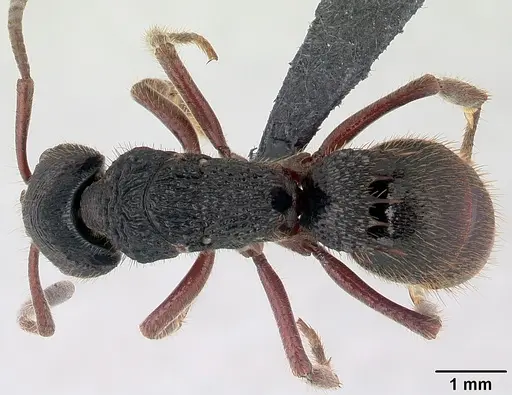
CASENT0178225
Ver no AntWeb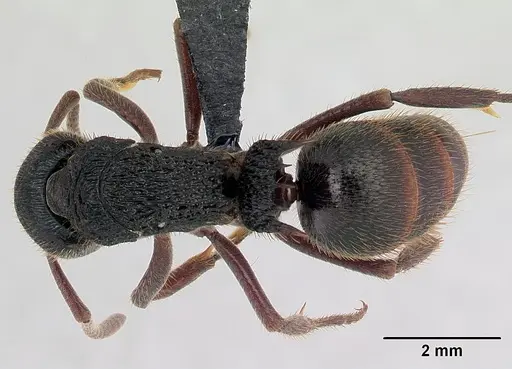
CASENT0178226
Ver no AntWeb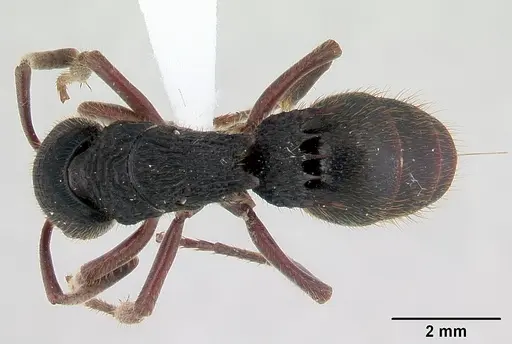
CASENT0178227
Ver no AntWeb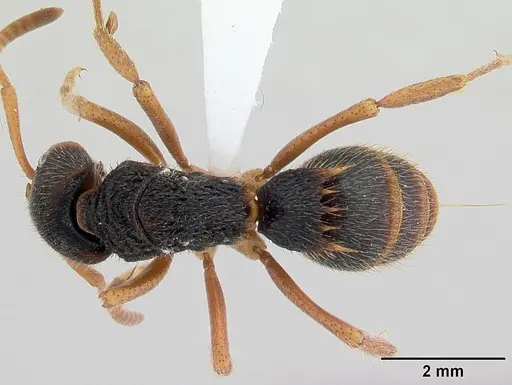
CASENT0250058
Ver no AntWeb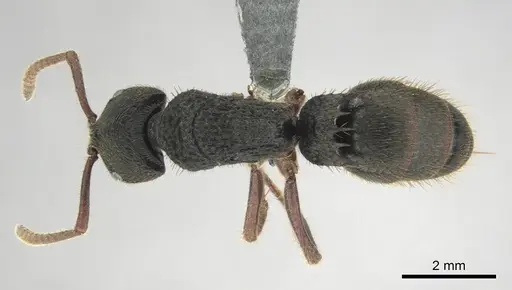
CASENT0882093
Ver no AntWeb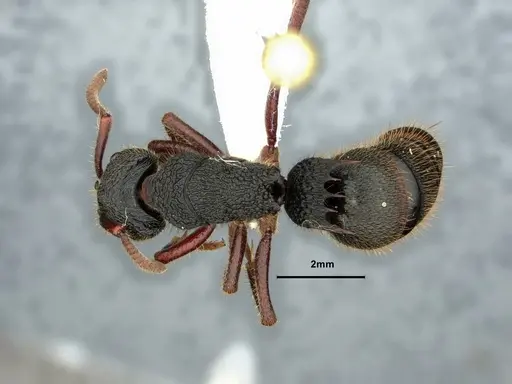
Literatura
Carregando mapa de distribuição...Carregando produtos...