
Pheidole urbana
- Nome científico
- Pheidole urbana
- Tribo
- Attini
- Subfamília
- Myrmicinae
- Autor
- Camargo-Vanegas & Guerrero, 2020
- Distribuição
- Encontrada em 0 países
Introdução
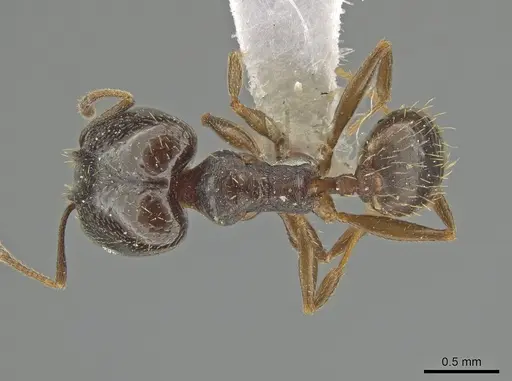
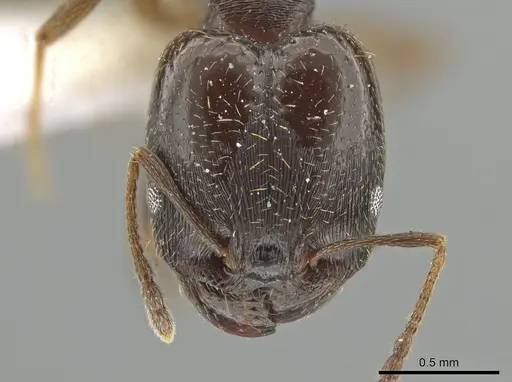
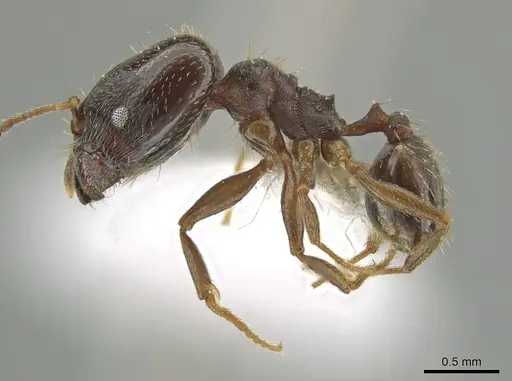
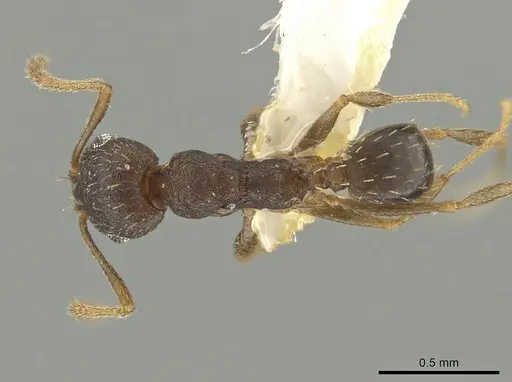
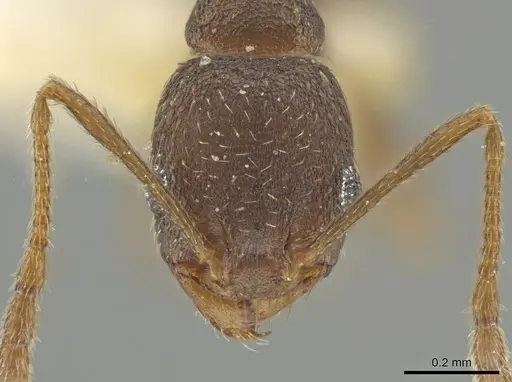
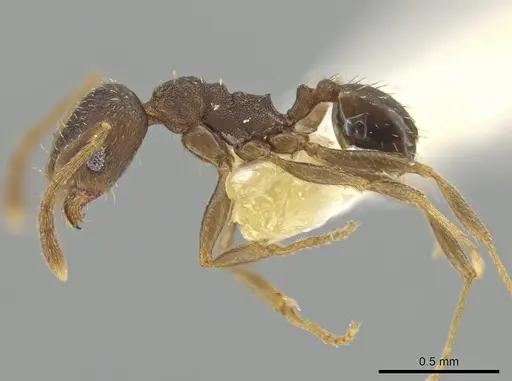
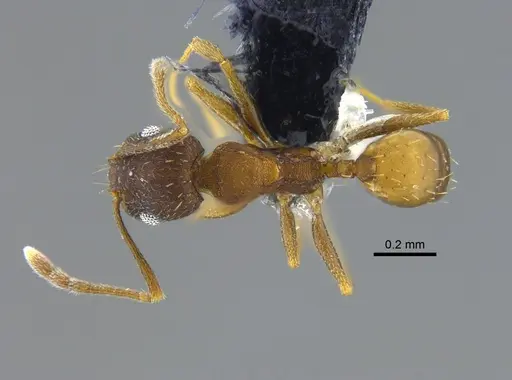
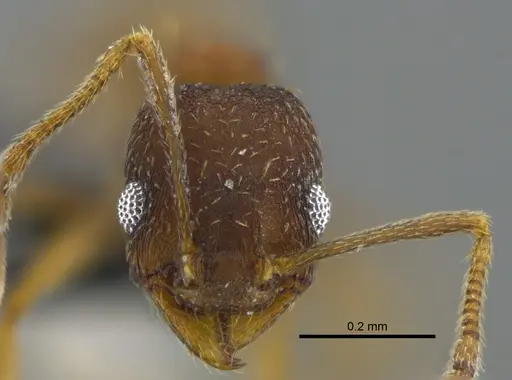
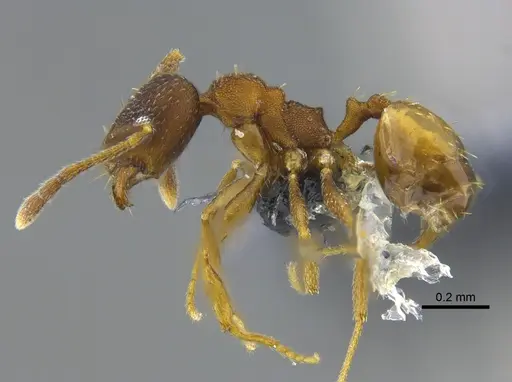
Pheidole urbana is a recently described ant (2020) from the Santa Marta region of Colombia. It thrives in urban and modified environments, often nesting in clay soils near fallen trees or logs, and has adapted to nesting inside houses in residential areas . Workers are small (total length estimated around 2-3 mm, inferred from the genus), while soldiers have the characteristic large head of Pheidole (total length estimated 3-5 mm). Their color ranges from yellowish‑brown to dark reddish‑brown, and they are active daytime foragers on the ground . The species name 'urbana' refers to its preference for disturbed, human‑altered habitats.
Quick Summary
- Difficulty: Easy
- Origin & Habitat: Santa Marta region, Magdalena, Colombia. It occurs in tropical dry forest and open, modified environments such as parks, gardens, and residential areas. Nests are in clay soils, always near fallen trees or logs, but also inside houses in urban zones [1][2].
- Colony Type: Colony structure is unconfirmed for this recently described species. Based on typical Pheidole patterns, colonies likely have a single queen (monogyne) and distinct soldier and worker castes, but direct evidence is lacking.
- Size & Growth:
- Queen: Size data unavailable
- Worker: Total length not directly measured, estimated ~2-3 mm from genus patterns
- Colony: Likely several hundred workers (estimated, based on related Pheidole)
- Growth: Moderate
- Development: 6-8 weeks (estimated, based on tropical Pheidole at 24-28 °C) (Warmer temperatures within the tropical range will accelerate development. Cold slows or stops brood growth.)
- Antkeeping:
- Temperature: Keep at 24-28°C year‑round. Provide a slight gradient using a heating cable on one side of the nest. Avoid letting temperatures drop below 20°C [1].
- Humidity: Create a moisture gradient: keep one part of the nest substrate slightly moist (like a damp clay patch) and allow the rest to dry out. Over‑wet conditions are not needed, this species comes from tropical dry forest and tolerates seasonal dryness.
- Diapause: No, it is a tropical species from Colombia and does not require hibernation. Keep consistent warmth all year.
- Nesting: Naturalistic setups work best: a clay‑loam soil mix with pieces of wood or stones on top. Y‑tong (AAC) nests with small chambers also suit their tiny workers. Provide some dry areas for food storage and a moist section for humidity control.
- Behavior: This species is calm and not aggressive toward humans. Workers and soldiers forage actively on the ground and readily accept baits [1]. They possess a functional sting (subfamily Myrmicinae, tribe Attini) but it is not medically significant. Their tiny size (
- Common Issues: escape prevention is critical due to their very small size, use fine mesh and check for tiny gaps, tropical species needs consistent warmth, cold temperatures slow or stop brood development, colonies may be slow to establish initially, be patient during founding, over‑humidifying can be problematic, provide a dry area to match their natural dry‑forest habitat
Nesting Preferences
In the wild, Pheidole urbana nests in clay soils, always near fallen trees or logs [1]. Captive setups should mimic this: use a clay‑loam soil mixture that holds moisture in one area but dries out elsewhere. Adding small pieces of wood or stones on top provides structure. They have also been found nesting inside houses, showing flexibility as long as humidity is adequate. Y‑tong (AAC) nests with small chambers work well for their tiny workers, but naturalistic soil nests are preferred for long‑term colonies.
Feeding and Diet
Pheidole urbana is a seed‑harvester, like many Pheidole species. Offer a staple of small seeds (millet, grass seeds, cracked sunflower seeds). Supplement with protein sources 2-3 times per week: small insects (fruit flies, pinhead crickets, mealworms). They also accept sugar water or honey occasionally. Soldiers use their large heads to process seeds, so providing whole seeds gives them natural behavior. Remove uneaten seeds if they develop mold. The species is opportunistic and readily takes baits [1].
Temperature and Care
As a tropical species from Santa Marta, Colombia, keep the nest at 24-28°C. Room temperature may suffice if your home stays in this range. Use a heating cable on one side of the nest to create a gentle gradient, place it on the side or underneath the nest, not directly on top, to avoid drying out the substrate too quickly. No hibernation is required, maintain stable warmth all year. Cold temperatures (below 20°C) will slow or stop brood development. [1]
Behavior and Temperament
This species is calm and non‑aggressive toward humans. While they possess a functional sting (typical of myrmicine ants), it is not used defensively and is not medically significant. Workers and soldiers forage actively on the ground and will readily explore the outworld for food [1]. Their small size means they can squeeze through tiny gaps, use fine mesh (0.5 mm or smaller) for ventilation and apply Fluon or PTFE barriers on smooth surfaces. They are entertaining to watch as they process seeds and tend brood.
Reproduction and Phenology
Colony founding details are unconfirmed. Based on genus patterns, queens likely found claustrally (sealed in a chamber feeding on stored reserves). Reproductive phenology has been observed in Santa Marta: during the same dry season, different nests exclusively produced either males or females [3]. This suggests a split sex‑ratio strategy. Nuptial flights probably occur during the warm, dry season, but exact timing is unknown.
Urban Adaptation
Pheidole urbana is notable for its preference for modified, human‑altered environments, its name means 'urban' in Latin [1]. Unlike many ants that avoid development, this species colonizes parks, gardens, and even the inside of houses. This tolerance for disturbance makes it relatively forgiving in captivity, but it still requires proper warmth, a moisture gradient, and a varied diet. Its natural habitat is tropical dry forest, so it can handle occasional dryness better than rainforest species.
Frequently Asked Questions
How long until the first workers appear?
Expect first workers (nanitics) in about 6-8 weeks under warm conditions (24-28°C). This is estimated from typical tropical Pheidole development at these temperatures.
Can I keep Pheidole urbana in a test tube setup?
A test tube works for the founding stage, but over time they prefer a nest with a moisture gradient. Y‑tong (AAC) or naturalistic soil nests with one damp area and the rest dry are ideal.
What should I feed them?
Offer a mix of small seeds (millet, grass seeds) as a staple, plus protein insects (fruit flies, small crickets) 2-3 times a week. Sugar water or honey can be given occasionally.
Are they good for beginners?
Yes, they are calm, easy to feed, and tolerate a range of conditions. The main challenge is preventing escapes due to their tiny size.
How large do colonies grow?
Likely several hundred workers at maturity (estimated from related Pheidole). They will develop distinct soldier castes as the colony grows.
Do they need hibernation?
No, this comes from a tropical region without cold winters. Keep temperatures consistent year‑round in the 24-28°C range.
Why are they escaping?
Because workers are so small, they can fit through tiny gaps. Use fine mesh (0.5 mm or smaller), check all connections, and apply Fluon or PTFE barriers on smooth surfaces.
When should I move them to a larger formicarium?
When the test tube or small container becomes crowded (around 30-50 workers), move them to a Y‑tong nest or naturalistic soil setup.
Can I keep multiple queens together?
Not recommended, this has not been studied for this species, and most Pheidole are monogyne. Unrelated queens are likely to fight.
Report an Issue
The current care sheet is based fully on literature. See inconsistencies, or something that's incorrect? Please , it will be resolved after review from an admin. Contributing to the blogs tab also helps providing information, to make us be able to further improve the caresheets. Thank you for your support!
References

Este guia de cuidados está sob a licença CC BY-SA 4.0 .
Posts da comunidade
Literatura
Carregando mapa de distribuição...Carregando produtos...