
Pheidole sava
- Nome científico
- Pheidole sava
- Tribo
- Attini
- Subfamília
- Myrmicinae
- Autor
- Salata & Fisher, 2020
- Distribuição
- Encontrada em 1 países
Introdução
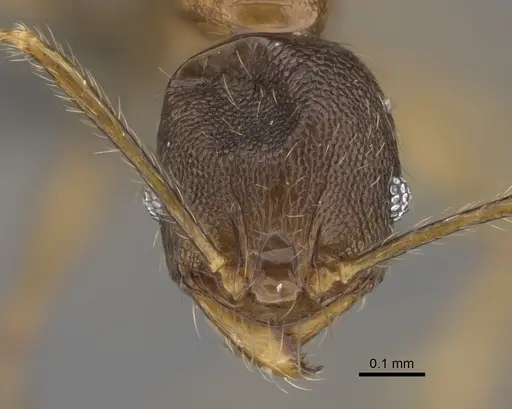
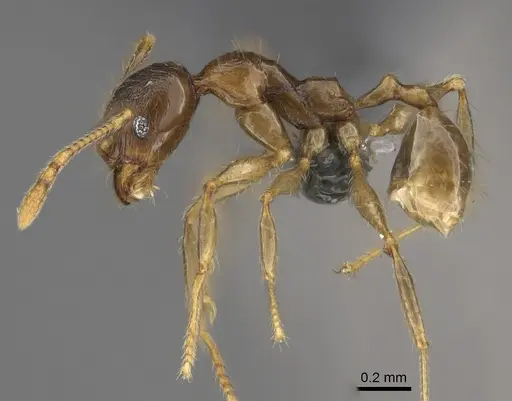
Pheidole sava is a moderately large ant from the sikorae species group, native to Madagascar. Major workers are brownish orange, minor workers yellowish brown . The species was described in 2020 from montane rainforest at 1350 m in Parc National de Marojejy, Antsiranana, Madagascar. Nests are found in rotten logs and root mat .
Quick Summary
- Difficulty: Medium
- Origin & Habitat: Montane rainforest in Madagascar at 1350 m elevation, specifically in Parc National de Marojejy. Nests located in rotten logs and root mat [1].
- Colony Type: Unknown, colony structure has not been documented for this species.
- Size & Growth:
- Queen: Size data unavailable.
- Worker: Size data unavailable.
- Colony: Unknown.
- Growth: Unknown.
- Development: Unknown, not documented for this species. (No specific data is available.)
- Antkeeping:
- Temperature: Based on montane rainforest origin at 1350 m, likely cool (around 20-24 °C) and stable. Avoid temperatures above 28 °C [1].
- Humidity: High humidity is required. Keep nest substrate moist but not waterlogged. Natural habitat is consistently damp montane rainforest [1].
- Diapause: Unknown, Madagascar species likely do not require diapause, but no specific data.
- Nesting: Prefers decaying wood (rotten logs, root mat) in nature. In captivity, Y‑tong or plaster nests that hold moisture are suitable. Test tubes work for founding if kept humid [1].
- Behavior: No specific behavior data published. Based on genus patterns, they are generalist feeders and non‑aggressive, but this is unconfirmed.
- Common Issues: maintaining high humidity without mold is challenging., overheating risk due to montane origin, keep below 28 °C., developing from a small founding colony makes them sensitive to disturbance., lack of published care data means keeper must observe and adjust.
Nest Preferences and Housing
In the wild, Pheidole sava nests in rotten logs and root mat in montane rainforest [1]. To replicate this, use a nest material that retains moisture, such as Y‑tong or plaster. Keep the substrate damp but not waterlogged. A test tube setup with a water reservoir can work for founding, but the nest must be kept dark and humid. Avoid direct sunlight and drafts. Provide a water source in the outworld [1].
Feeding and Diet
No specific dietary data is available for P. sava. Being a Pheidole, it likely accepts a generalist diet: small insects (fruit flies, small crickets) and sugar sources (honey water, sugar water). Major workers may process seeds, but this is unconfirmed. Offer varied food and remove uneaten prey within 24-48 hours to avoid mold.
Temperature and Seasonal Care
Given the montane rainforest habitat, keep the temperature around 20-24 °C [1]. Avoid temperatures above 28 °C. A temperature gradient (using a small heating cable) allows workers to choose their preferred zone. True diapause is not likely, but a slight winter reduction to ~18 °C may be tried, no data supports this.
Colony Founding and Development
Founding behavior is unconfirmed. If claustral (typical for many Pheidole), the queen would seal herself in to raise the first workers using stored reserves. Development time from egg to worker is unknown, keep the founding chamber dark and undisturbed. The colony will likely grow slowly, major workers appear as the colony matures.
Behavior and Temperament
No specific published observations. Based on genus, workers are likely active foragers, recruiting nestmates via chemical trails. Aggression is probably low, but they will defend the nest. The species has a physical caste system (minor and major workers). Activity is probably diurnal.
Frequently Asked Questions
How long does it take for Pheidole sava to produce first workers?
Unknown. No development timeline has been documented. Estimates from other Pheidole species suggest 6-10 weeks, but this is not confirmed.
What do Pheidole sava ants eat?
Not specifically documented. Likely a generalist diet of small insects and sugary liquids. Provide protein (fruit flies, small crickets) and carbohydrates (honey water). Seeds may be accepted by majors.
Can I keep Pheidole sava in a test tube?
Yes, a test tube with a water reservoir works for founding. Keep it humid and dark. Once the colony grows larger (e.g.,30+ workers), transfer to a Y‑tong or plaster nest.
What temperature is best for Pheidole sava?
Based on its montane habitat, keep the nest at 20-24 °C. Avoid temperatures above 28 °C [1].
Do Pheidole sava ants need hibernation?
No data. As a Madagascar species from montane forest, true diapause is unlikely, but a slight cooling in winter (18-20 °C) may not be harmful.
How big do Pheidole sava colonies get?
Unknown. Pheidole colonies can range from hundreds to thousands, but no data for this species.
Are Pheidole sava good for beginners?
Difficulty is medium mostly because detailed care data is lacking. If you can provide stable humidity and moderate temperatures, they may be manageable for intermediate keepers.
When should I move Pheidole sava to a formicarium?
No specific guideline. Typically when the colony outgrows the test tube (30-50 workers) or if conditions degrade. Use a pre‑humidified nest.
Why is my Pheidole sava colony declining?
Possible reasons: low humidity (desiccation), overheating, poor diet (lack of protein), mold from overwatering, or unknown parasites. Check conditions.
Report an Issue
The current care sheet is based fully on literature. See inconsistencies, or something that's incorrect? Please , it will be resolved after review from an admin. Contributing to the blogs tab also helps providing information, to make us be able to further improve the caresheets. Thank you for your support!
References

Este guia de cuidados está sob a licença CC BY-SA 4.0 .
Posts da comunidade
CASENT0808425
Ver no AntWeb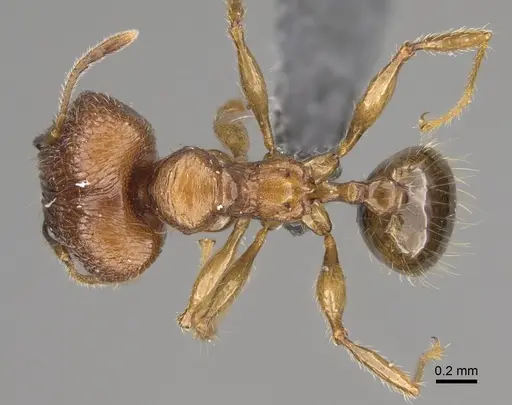
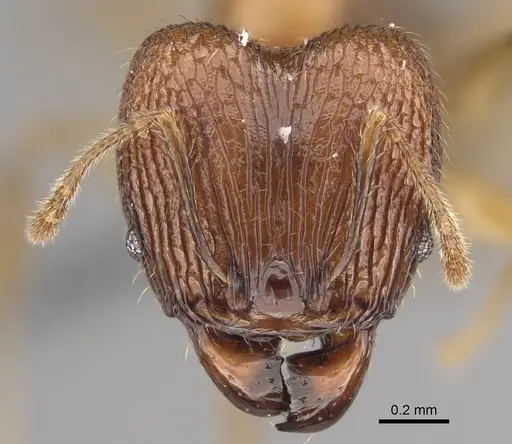
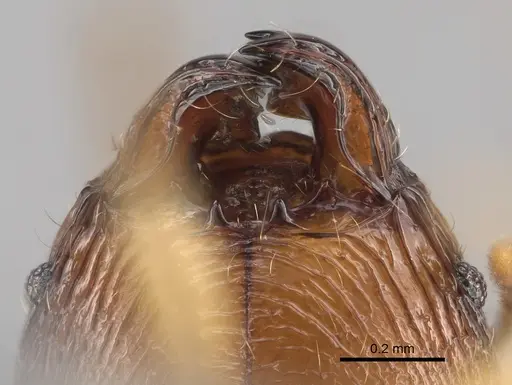
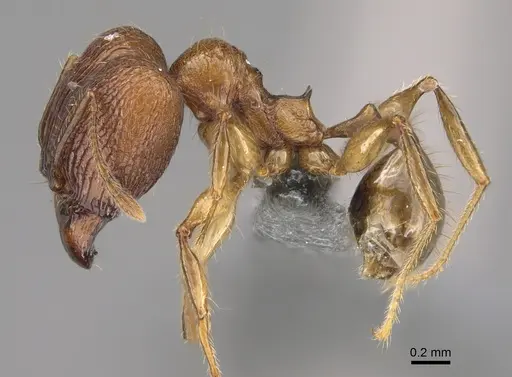
CASENT0923296
Ver no AntWeb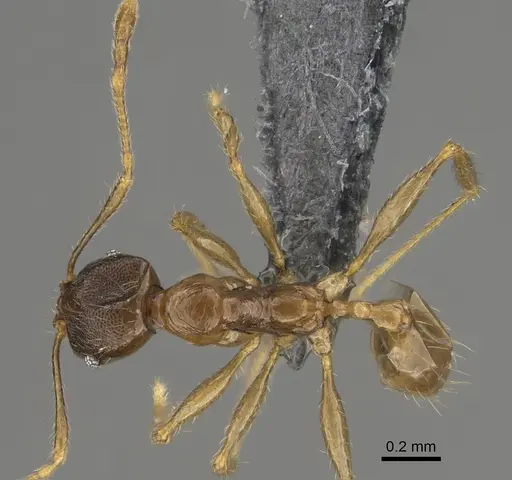
Literatura
Carregando mapa de distribuição...Carregando produtos...