
Pheidole ruficeps
- Nome científico
- Pheidole ruficeps
- Tribo
- Attini
- Subfamília
- Myrmicinae
- Autor
- Smith, 1861
- Distribuição
- Encontrada em 0 países
Introdução
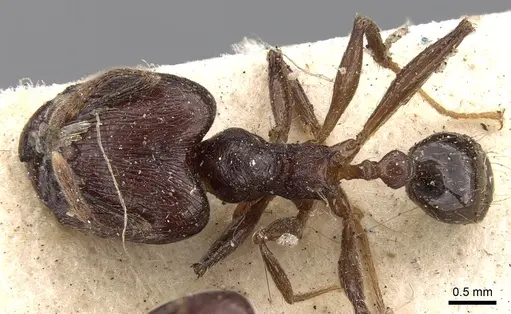
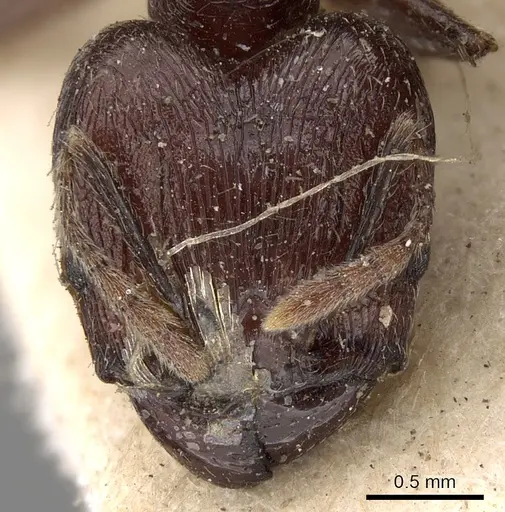
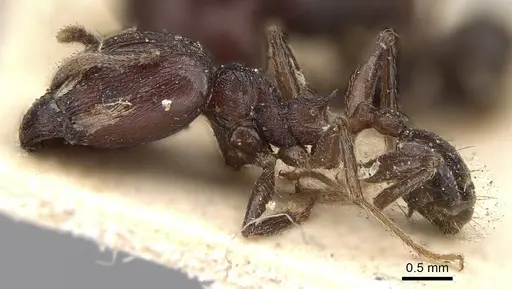
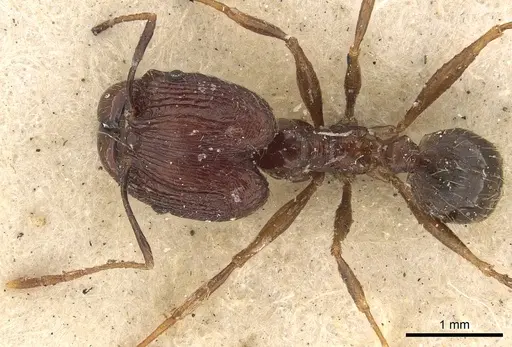
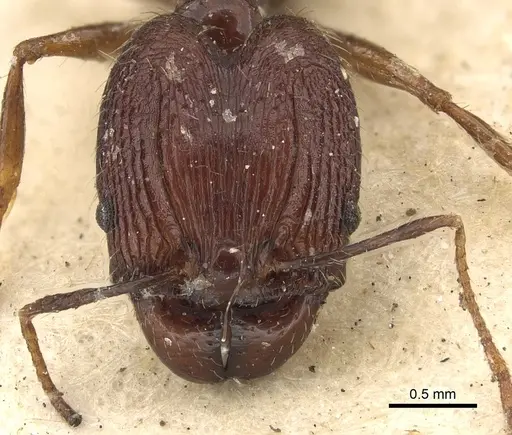
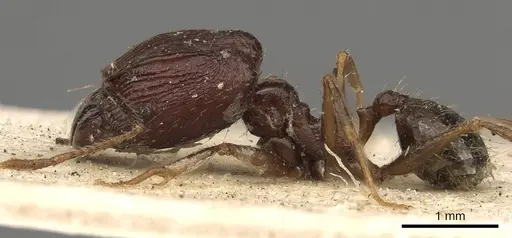
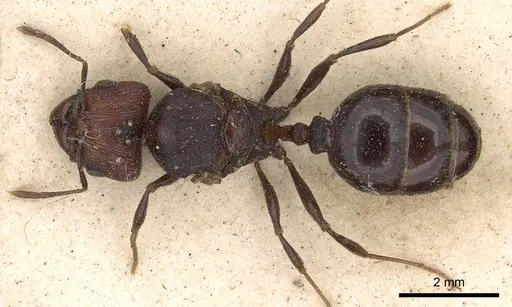
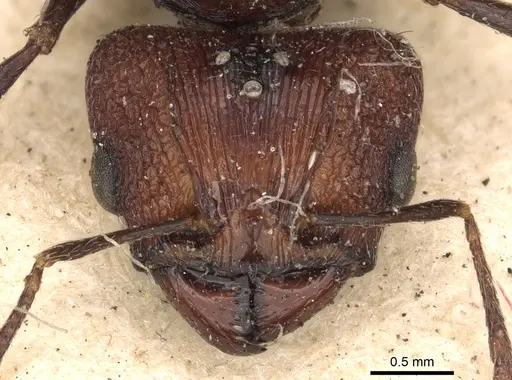
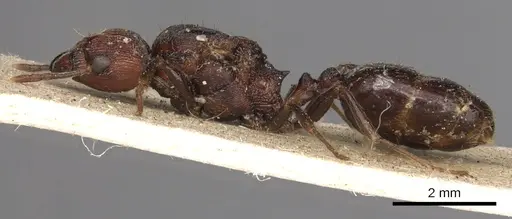
Pheidole ruficeps is a small ant species native to Mysol Island in the Moluccas, Indonesia . Size data is unavailable. Like all Pheidole species, they have two worker castes: minor workers and major workers with oversized heads. Major workers develop as the colony matures. In their tropical island habitat, they likely nest in soil or under debris. Little is known about this species beyond its distribution.
Quick Summary
- Difficulty: Medium
- Origin & Habitat: Mysol Island, Indonesia, a tropical island environment [1]
- Colony Type: Unconfirmed, likely monogyne based on Pheidole genus patterns.
- Size & Growth:
- Queen: size data unavailable
- Worker: size data unavailable
- Colony: Unknown
- Growth: Moderate
- Development: Unknown (Development time is unconfirmed for this species.)
- Antkeeping:
- Temperature: Keep warm, roughly 24-28°C, based on tropical inference.
- Humidity: Keep substrate moist but not waterlogged, based on tropical habitat.
- Diapause: No, tropical species do not require hibernation.
- Nesting: Y-tong or test tube setups are suitable. Provide a humidity gradient.
- Behavior: Behavior is unconfirmed. Based on Pheidole patterns, they are likely active foragers. Escape prevention is important due to small size.
- Common Issues: small size means escape risk, ensure all connections are secure., keep temperatures stable to avoid stress., no species-specific issues known, but follow general antkeeping practices.
Housing and Nest Setup
Nesting preferences for Pheidole ruficeps are unconfirmed. Based on Pheidole genus patterns, they likely nest in soil or under debris. Use Y-tong or test tube setups for colonies. Ensure escape prevention due to small size.
Feeding and Diet
Diet is unconfirmed. Based on Pheidole patterns, they are likely omnivorous and will accept protein sources like small insects and sugar water. Remove uneaten food to prevent mold.
Temperature and Seasonal Care
Temperature requirements are unconfirmed. For tropical species, keep warm around 24-28°C with a gradient. No hibernation is needed.
Colony Development
Colony development is unconfirmed. Based on genus patterns, colonies may start with a single queen, but founding type is unknown. Growth is likely moderate.
Frequently Asked Questions
How long does it take for Pheidole ruficeps to produce first workers?
Development time is unknown for this species. Based on Pheidole genus patterns, it may take several weeks at warm temperatures, but no specific data is available.
What do I feed Pheidole ruficeps?
Diet is unconfirmed. Based on Pheidole patterns, offer varied foods like small insects and sugar sources, but no species-specific research is available.
Can I keep multiple Pheidole ruficeps queens together?
Colony type is unconfirmed. Based on Pheidole genus patterns, they are likely monogyne, so combining queens is not recommended.
Do Pheidole ruficeps need hibernation?
No, as a tropical species from Mysol Island, they do not require hibernation. Keep temperatures stable year-round.
How big do Pheidole ruficeps colonies get?
Colony size is unknown for this species. No data is available on maximum worker counts.
When should I move Pheidole ruficeps to a formicarium?
No specific guidance exists. Use general antkeeping practices and move when the colony outgrows its setup.
Why are my Pheidole ruficeps dying?
Common causes include improper temperature, humidity, or escape. No species-specific issues are known, so check general care conditions.
Are Pheidole ruficeps good for beginners?
Difficulty is medium due to lack of specific data. Beginners should start with well-documented species, but general care is straightforward if conditions are maintained.
What's the difference between minor and major workers?
Minor workers are smaller and handle most tasks, while major workers have enlarged heads and serve as defenders. Both castes work together, but no species-specific data exists.
Report an Issue
The current care sheet is based fully on literature. See inconsistencies, or something that's incorrect? Please , it will be resolved after review from an admin. Contributing to the blogs tab also helps providing information, to make us be able to further improve the caresheets. Thank you for your support!
References

Este guia de cuidados está sob a licença CC BY-SA 4.0 .
Posts da comunidade
Literatura
Carregando mapa de distribuição...Carregando produtos...