
Pheidole ragnax
- Nome científico
- Pheidole ragnax
- Tribo
- Attini
- Subfamília
- Myrmicinae
- Autor
- Fischer & Fisher, 2013
- Distribuição
- Encontrada em 2 países
Introdução
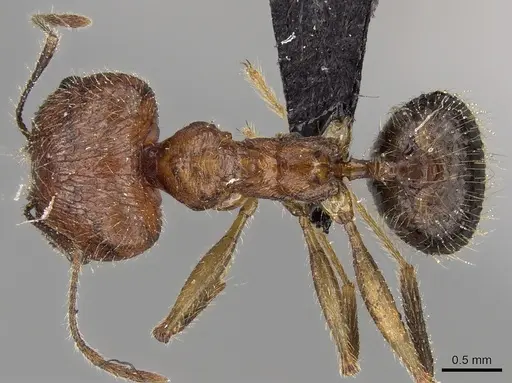
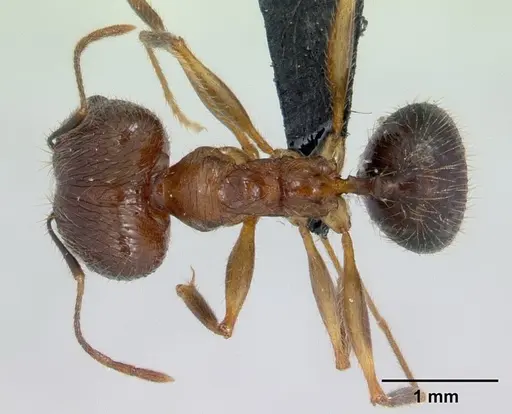
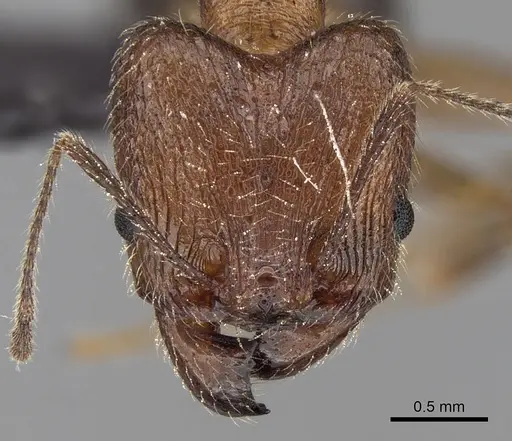
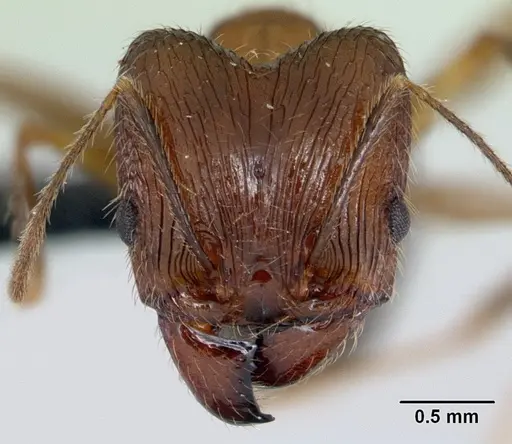
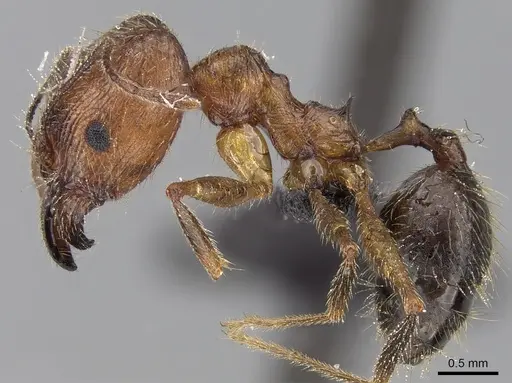
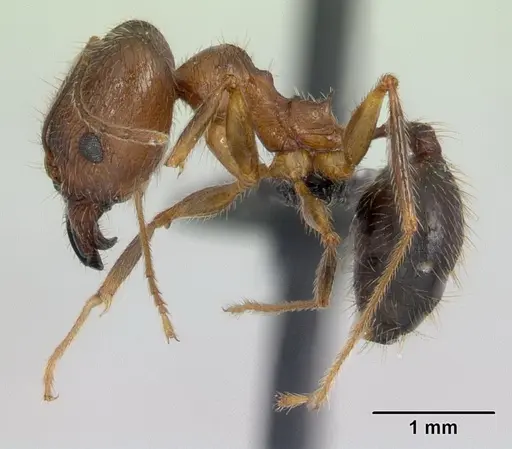
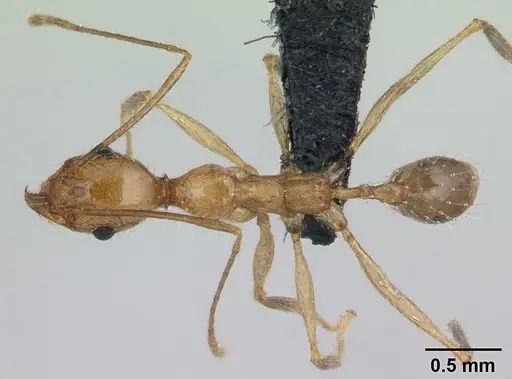
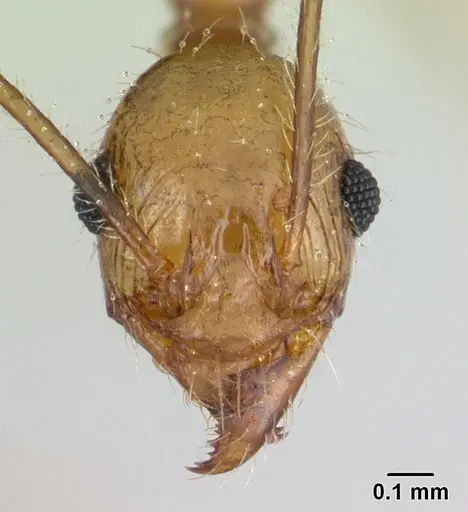
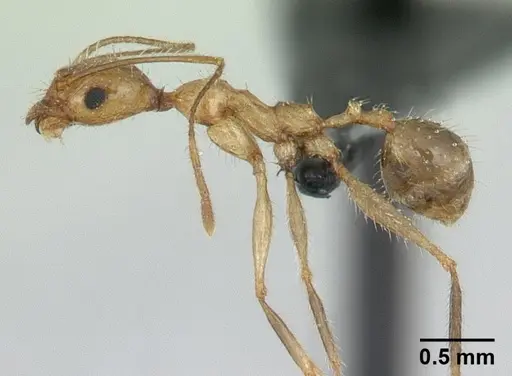
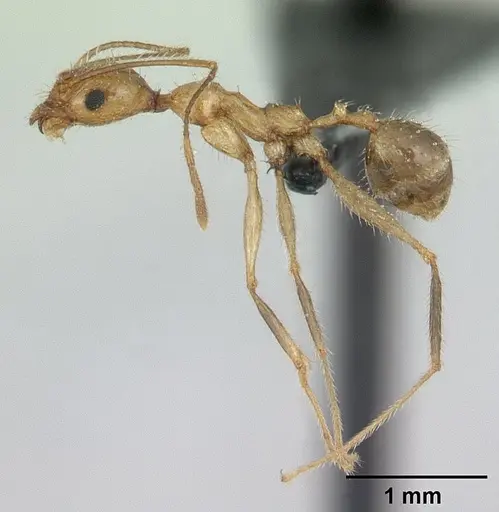
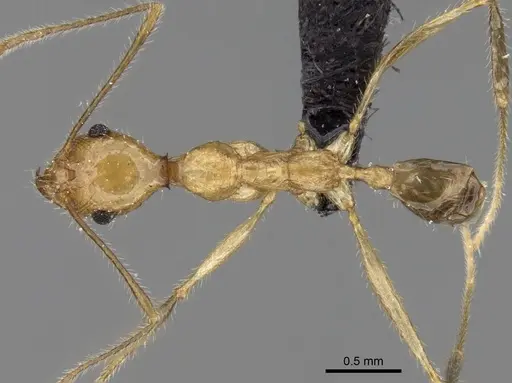
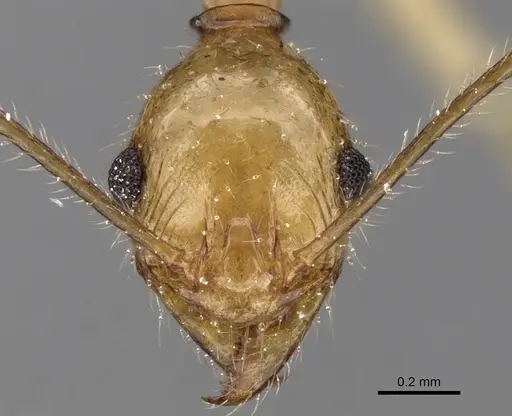
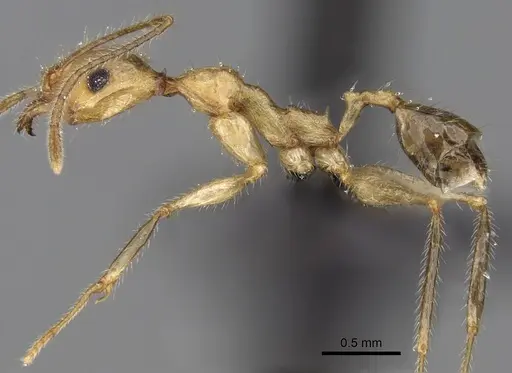
Pheidole ragnax is a species of ant endemic to Mayotte, a small island in the Indian Ocean between Madagascar and the Comoros. It was described in 2013 and is known only from coastal scrub rainforest at low elevation, with major workers having a robust build and light reddish brown coloration, while minors are pale yellow with a darker gaster . This species is closely related to Pheidole bessonii from Madagascar, and researchers suggest it may represent a geographic variation rather than a distinct species .
Quick Summary
- Difficulty: Hard
- Origin & Habitat: Mayotte island in the Southwest Indian Ocean, specifically in coastal scrub rainforest at around 20 meters elevation, collected from a single rotten log [1][2][3].
- Colony Type: Unconfirmed, no specific data on queen number or colony structure for this species.
- Size & Growth:
- Queen: Unknown, not documented in scientific literature.
- Worker: Size data unavailable, total length measurements not provided in research. Based on Pheidole genus patterns, workers are typically 2-3 mm in total length.
- Colony: Unknown, no wild colony data available.
- Growth: Unknown, no development data available.
- Development: Unknown, no species-specific data. Based on Pheidole genus patterns for tropical species, estimated 6-8 weeks at optimal temperature. (Development time may vary with temperature.)
- Antkeeping:
- Temperature: Keep warm at 24-28°C. This species comes from a tropical island and requires consistent warmth [1].
- Humidity: High humidity required, keep substrate consistently moist but not waterlogged. This matches the humid rainforest habitat [1].
- Diapause: No, Mayotte has a tropical climate with minimal seasonal variation [1].
- Nesting: Provide a moist nest environment. Y-tong (AAC) or plaster nests work well. Maintain humidity while allowing ventilation.
- Behavior: Based on Pheidole genus patterns, majors defend the colony while minors handle foraging and brood care. They are generally non-aggressive toward keepers but will defend their nest. Escape risk is high due to small minor worker size, ensure barriers are secure.
- Common Issues: high humidity maintenance is critical, drying out can kill colonies., escape prevention needed due to small minor worker size., limited availability, this species is rarely available in the antkeeping hobby., no established husbandry guidelines, keepers are pioneering captive care., tropical temperature requirements must be consistently maintained.
Natural History and Distribution
Pheidole ragnax is known only from Mayotte, a French overseas department in the Indian Ocean. The species was discovered in coastal scrub rainforest at low elevation, around 20 meters, and all type specimens were collected from a single rotten log, suggesting it nests in decaying wood in humid environments [1][2][3].
Identification and Morphology
This is a relatively large Pheidole species. Major workers have a head about as long as wide, while minor workers have an elongated head shape. Both castes have long legs and antennae, and minor workers have a prominent raised collar at the back of the head. Coloration varies by caste: majors are light reddish brown, minors are pale yellow with a darker gaster [1].
Housing and Nest Setup
Since this species was collected from a rotten log in humid rainforest, captive colonies need high humidity. Use Y-tong (AAC) or plaster nests to maintain moisture, keeping the nest damp but not waterlogged. For the outworld, provide standard foraging space with easy access to food and water. Because minor workers are small, ensure all connections are secure to prevent escapes.
Feeding and Diet
No specific dietary studies exist, but like most Pheidole, they are likely omnivorous. Offer a varied diet including protein sources like small insects and carbohydrates like sugar water or honey. Feed protein 2-3 times per week and keep sugar water available at all times.
Temperature and Seasonal Care
As a tropical species from Mayotte, this ant requires warm conditions year-round. Maintain temperatures between 24-28°C. No winter diapause is expected due to the tropical climate [1].
Frequently Asked Questions
How long does it take for Pheidole ragnax to develop from egg to worker?
No specific development data exists. Based on Pheidole genus patterns for tropical species, estimated 6-8 weeks at optimal temperature.
What do Pheidole ragnax ants eat?
They are likely omnivorous. Offer protein like small insects 2-3 times weekly and keep sugar water or honey available.
What temperature do Pheidole ragnax ants need?
Keep them warm at 24-28°C. This tropical species requires consistent warmth [1].
Do Pheidole ragnax ants need hibernation?
No. Mayotte has a tropical climate with minimal seasonal changes, so diapause is not expected [1].
Are Pheidole ragnax ants good for beginners?
This species is not recommended for beginners due to its rarity, lack of established guidelines, and high humidity and temperature requirements.
How big do Pheidole ragnax colonies get?
Colony size is unknown, no wild colony data has been documented.
Can I keep multiple Pheidole ragnax queens together?
This has not been studied. Most Pheidole species are single-queen, and combining unrelated queens is not recommended without evidence.
What humidity level do Pheidole ragnax ants need?
High humidity is required, keep substrate consistently moist but not waterlogged, matching their humid rainforest habitat [1].
What type of nest is best for Pheidole ragnax?
Y-tong (AAC) or plaster nests work well to maintain humidity. The key is keeping the nest moist while preventing waterlogging.
Report an Issue
The current care sheet is based fully on literature. See inconsistencies, or something that's incorrect? Please , it will be resolved after review from an admin. Contributing to the blogs tab also helps providing information, to make us be able to further improve the caresheets. Thank you for your support!
References

Este guia de cuidados está sob a licença CC BY-SA 4.0 .
Posts da comunidade
Literatura
Carregando mapa de distribuição...Carregando produtos...