
Pheidole peguensis
- Nome científico
- Pheidole peguensis
- Tribo
- Attini
- Subfamília
- Myrmicinae
- Autor
- Emery, 1895
- Distribuição
- Encontrada em 0 países
Introdução
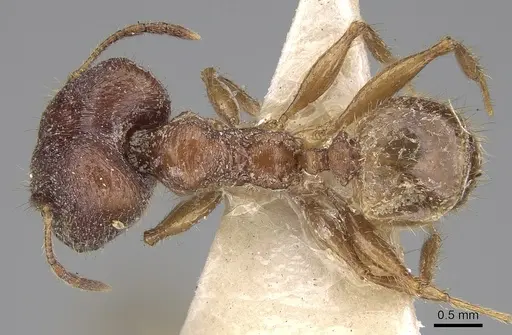
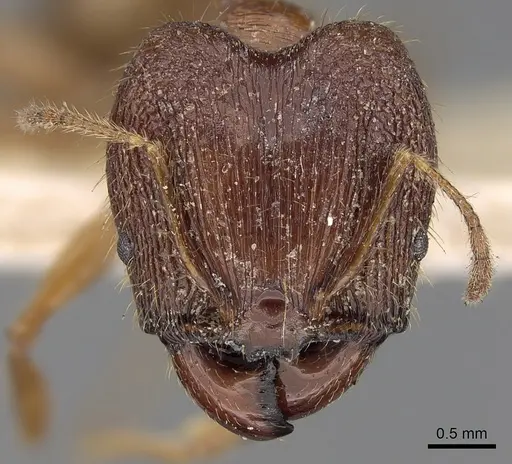
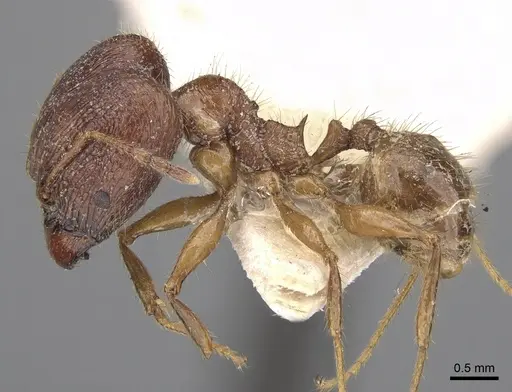
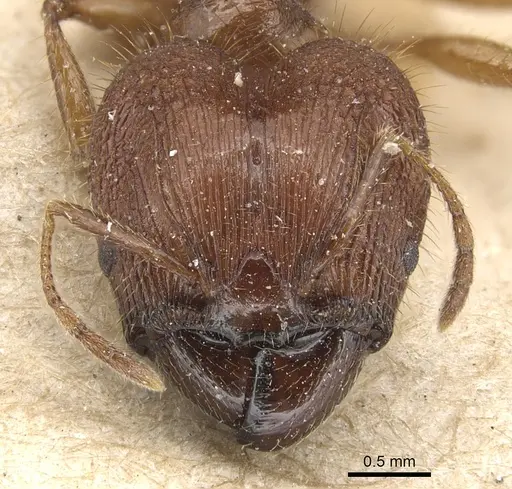
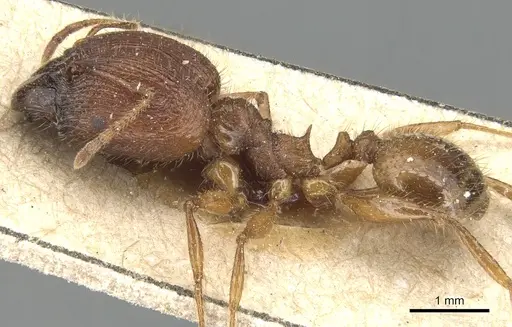
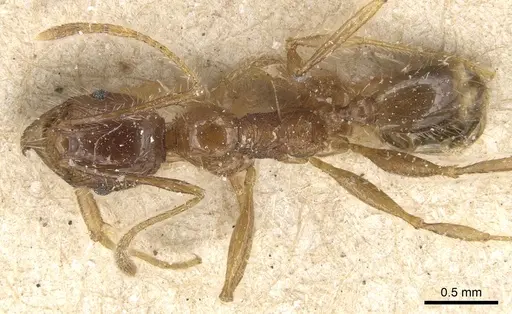
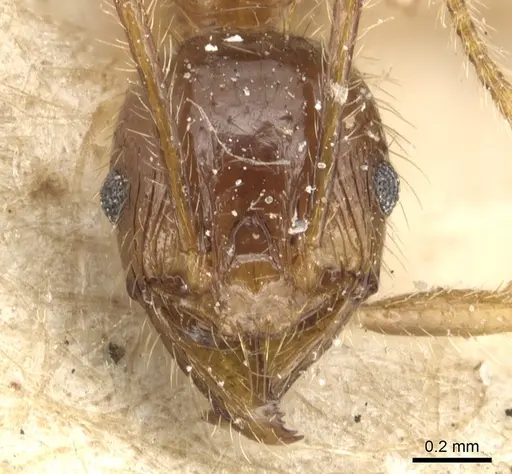
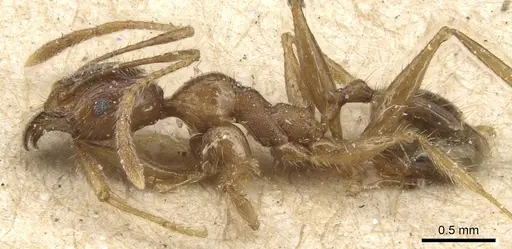
Pheidole peguensis was originally described from Myanmar (Burma) in the Indomalaya region . It was first described as a subspecies of Pheidole latinoda by Emery in 1895,then raised to full species by Forel in 1902 . However, a 2008 revision of Northern Vietnamese Pheidole species determined that P. peguensis is a junior synonym of Pheidole plagiaria. No specific body measurements are available; based on typical Pheidole genus patterns, workers are estimated to be 2-4 mm and queens around 5-7 mm in total length (inferred). Species-level details on color and morphology are lacking, but like most Pheidole, they have a two‑caste system with distinct major (soldier) and minor workers. As a member of the hyperdiverse genus Pheidole, this ant is likely a seed‑harvesting generalist, foraging for seeds, small insects, and honeydew. This general biology is inferred from the genus and not directly confirmed for this species.
Quick Summary
- Difficulty: Easy
- Origin & Habitat: Myanmar (Burma) in the Indomalaya region. No specific habitat data are available, inferred from the genus: likely tropical or subtropical areas, nesting in soil or under stones at ground level [1].
- Colony Type: Unconfirmed. Most Pheidole species are monogyne (single‑queen), but no specific data confirm this for Pheidole peguensis.
- Size & Growth:
- Queen: Size unknown, inferred from Pheidole genus: ~5-7 mm
- Worker: Size unknown, inferred from Pheidole genus: minor workers ~2-3 mm, majors ~3-4 mm
- Colony: Up to several thousand workers (inferred from Pheidole genus patterns)
- Growth: Moderate to fast (inferred from genus)
- Development: Estimated 6-8 weeks at warm temperatures (based on typical Pheidole development, inferred) (Development is temperature‑dependent, warmer conditions (24-28°C) accelerate it, cooler temperatures slow it down.)
- Antkeeping:
- Temperature: Likely 24-28°C, based on its tropical origin (inferred). Provide a gradient with a heating cable so the ants can choose.
- Humidity: Moderate. Keep the nest substrate lightly moist but not waterlogged. This is typical for many Pheidole (inferred).
- Diapause: No, as a tropical species, no hibernation is required. Keep temperatures above 15°C year‑round (inferred from origin).
- Nesting: Founding can be done in a test tube. Once the colony reaches 30-50 workers, transfer to a Y‑tong, plaster, soil, or 3D‑printed formicarium. Avoid acrylic nests. Ensure the nest has dark chambers and is connected to an escape‑proof outworld (inferred from genus).
- Behavior: Minor workers handle foraging, brood care, and nest maintenance. Majors specialize in defense and processing large food. Majors can deliver a mild sting. Workers are small (~2-4 mm), so escape risk is high, they can climb smooth surfaces, so use fluon or similar barriers on rims. Activity likely crepuscular/nocturnal (inferred from Pheidole genus). Not particularly aggressive unless the nest is threatened.
- Common Issues: mold growth from overfeeding or excessive moisture, remove uneaten food after 24-48 hours., queen death during founding, keep the founding setup dark and undisturbed at 24-28°C., colony growth stalls if temperatures are too low, maintain warmth for active development., high escape risk due to small size, check all connections and use escape‑proof barriers., monogyne colony, do not attempt to combine queens, keep each in its own setup.
Taxonomic Note
Pheidole peguensis was originally described by Emery in 1895 as a subspecies of P. latinoda from Myanmar. Forel raised it to species status in 1902 [1]. However, a revision of Northern Vietnamese Pheidole by Eguchi (2008) [2] determined that P. peguensis is a junior synonym of Pheidole plagiaria. This means the ant formerly known as P. peguensis is now considered the same species as P. plagiaria. For antkeeping purposes, care requirements are identical to other Pheidole species, particularly P. plagiaria and related members of the genus (inferred).
Housing and Nest Setup
For founding colonies, a simple test tube setup works well: fill one‑third with water, plug with cotton, and place the queen inside. Keep it dark and undisturbed for 4-6 weeks until the first workers (nanitics) emerge. Once the colony reaches 30-50 workers, move them to a formicarium. Y‑tong (AAC), plaster, soil, or 3D‑printed nests are suitable. Avoid acrylic nests. Connect the nest to an escape‑proof outworld. Use fluon or petroleum jelly on edges to prevent escapes (inferred from typical Pheidole care).
Feeding and Diet
Pheidole peguensis is likely a generalist seed‑harvester, typical of the genus. Offer a varied diet: seeds (millet, chia, cracked sunflower) constantly, protein (small insects like fruit flies, pinhead crickets) 2-3 times per week, and sugar water or honey occasionally. Major workers help process larger food. Remove uneaten protein within 24-48 hours to prevent mold. Provide fresh water via a water tube or moist cotton (inferred from genus).
Temperature and Seasonal Care
As a tropical species, Pheidole peguensis thrives at 24-28°C (inferred from origin). Room temperature (20-24°C) is tolerated but slows growth. Do not allow temperatures below 15°C. Use a heating cable on one side of the nest to create a gradient. No hibernation is required, keep warm year‑round (inferred).
Colony Development
Founding behavior is unconfirmed for this species, but based on typical Pheidole, the queen likely founds claustrally, relying on stored reserves until the first workers eclose. The first workers (nanitics) are smaller than mature minors. Colony growth is moderate to fast under optimal conditions, reaching several thousand workers in 1-3 years. The development of major workers usually begins when the colony passes a few hundred workers. Egg‑to‑worker time is estimated at 6-8 weeks at 24-28°C (inferred from genus).
Behavior and Interaction
Minor workers forage, tend brood, and maintain the nest. Majors defend the colony and help process large items. They can deliver a mild sting if handled. Workers are small (estimated 2-4 mm), so escape risk is high, they can climb smooth surfaces, use fluon or similar barriers. Activity is likely crepuscular or nocturnal, typical of many Pheidole (inferred). They are not normally aggressive toward humans.
Frequently Asked Questions
Is Pheidole peguensis a good species for beginners?
Based on typical Pheidole hardiness, it is likely a good beginner species because of its generalist diet and claustral founding (though founding is unconfirmed). It tolerates some temperature and humidity variation. However, since the species is a junior synonym of Pheidole plagiaria, care information is inferred from the genus and may not be fully accurate.
How long does it take for the first workers to emerge?
Estimated 6-8 weeks at 24-28°C, based on typical Pheidole development (inferred). The exact time depends on temperature. Keep the founding tube dark and undisturbed.
Can I keep multiple queens together?
No specific data exists, but most Pheidole are monogyne. It is safest to house queens separately to avoid fighting. Multiple queens are not recommended (inferred).
What should I feed my Pheidole colony?
Offer seeds constantly, small insects 2-3 times per week, and sugar water. This is inferred from typical Pheidole diet.
When should I move my colony to a formicarium?
When the colony has 30-50 workers, the test tube becomes crowded. Move them to a Y‑tong, plaster, or 3D‑printed nest with chambers appropriate for their size (inferred).
Do they need hibernation or winter care?
No, as a tropical species they do not hibernate. Keep temperatures above 15°C year‑round (inferred from origin).
How big do Pheidole peguensis colonies get?
Up to several thousand workers, based on genus patterns (inferred). Pheidole queens can live many years (10-15 is common).
Why are my ants not growing fast enough?
Most likely temperature too low. Keep at 24-28°C. Also check protein feeding, provide insects regularly. Disturbance during founding can also slow growth (inferred).
Are Pheidole peguensis ants invasive?
This species is native to Myanmar and has not been reported as invasive elsewhere. However, as with any ant, never release colonies outside their native range. The species is a junior synonym of Pheidole plagiaria, which may have a broader distribution (check local regulations) [2].
Report an Issue
The current care sheet is based fully on literature. See inconsistencies, or something that's incorrect? Please , it will be resolved after review from an admin. Contributing to the blogs tab also helps providing information, to make us be able to further improve the caresheets. Thank you for your support!
References

Este guia de cuidados está sob a licença CC BY-SA 4.0 .
Posts da comunidade
Literatura
Carregando mapa de distribuição...Carregando produtos...