
Pheidole paiute
- Nome científico
- Pheidole paiute
- Tribo
- Attini
- Subfamília
- Myrmicinae
- Autor
- Gregg, 1959
- Distribuição
- Encontrada em 1 países
Introdução
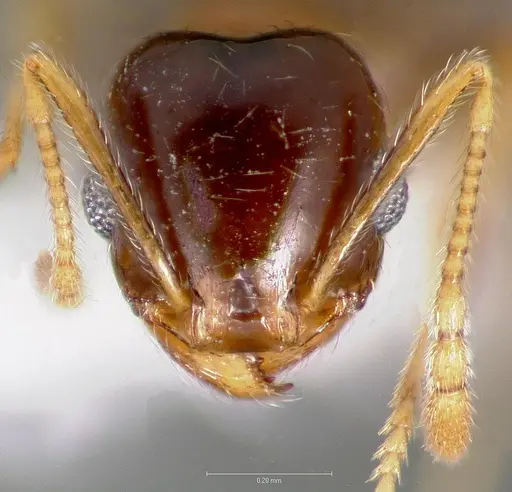
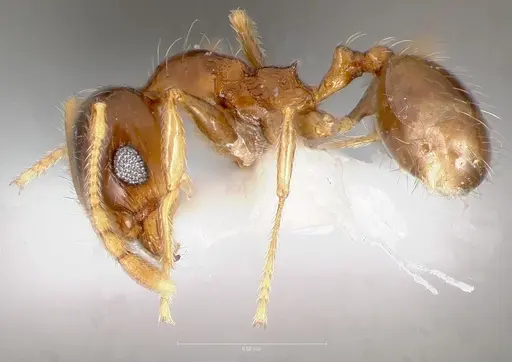
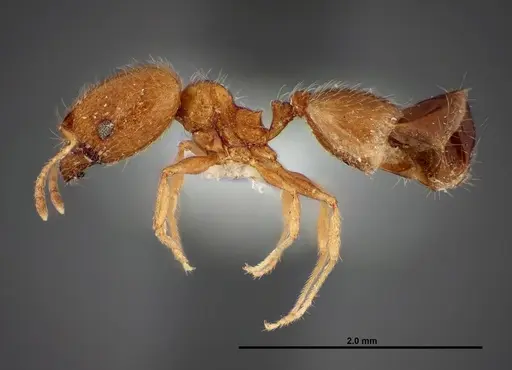
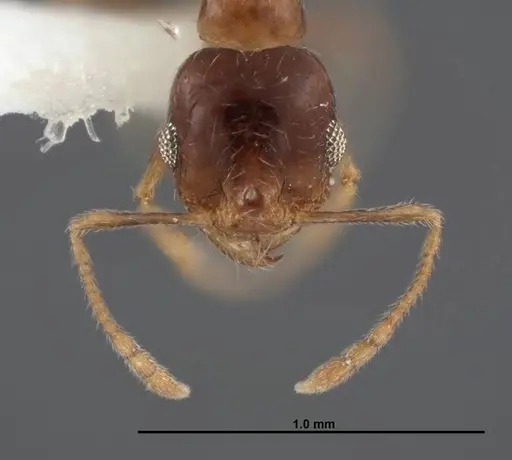
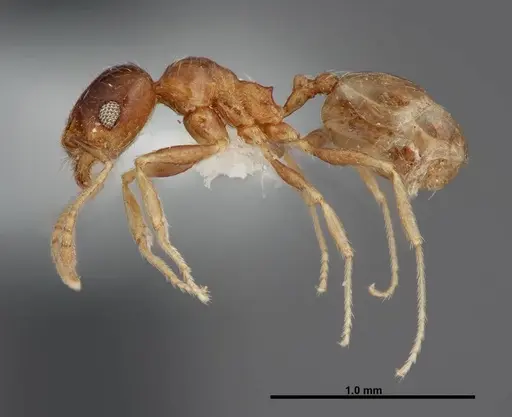
Pheidole paiute is a small, dimorphic ant species native to the deserts of Nevada and southern California. These ants have two worker sizes: larger majors with distinctive dark yellow coloring and smaller minors that are brownish yellow. The species was originally classified as a subspecies of Pheidole bicarinata before being raised to full species status. Majors measure about 4.25 mm in total length, while minor size data is unavailable. This species belongs to the 'bicarinata complex' within the larger pilifera group . These ants are seed harvesters - researchers have found caches of Oenothera clavaeformis seeds in their nests, and they forage primarily during cooler daytime hours. In the wild, they nest under stones or in open soil, building small crater mounds about 25 mm across .
Quick Summary
- Difficulty: Easy
- Origin & Habitat: Deserts of Nevada and southern California, found at elevations 1040-2100 m. Nests in cottonwood groves, triplex scrubland, pinyon-juniper woodland, and desert scrub. Typically nests under stones or in open soil [1].
- Colony Type: Colony structure is unconfirmed from research, but based on Pheidole genus patterns, likely single-queen colonies.
- Size & Growth:
- Queen: Size data unavailable
- Worker: Major: ~4.25 mm total length [1], minor: size data unavailable
- Colony: Up to several hundred workers estimated based on genus patterns
- Growth: Moderate
- Development: 6-10 weeks estimated based on related Pheidole species (Estimate inferred from genus-level data, specific development time for P. paiute has not been documented)
- Antkeeping:
- Temperature: Keep at room temperature, roughly 22-25°C, with a warm spot around 26-28°C for brood development. Based on desert habitat, they prefer warmth but avoid extreme heat.
- Humidity: Keep nest substrate consistently moist but not waterlogged. Provide a humidity gradient since they are desert ants.
- Diapause: Unknown, no specific data on hibernation for this species.
- Nesting: Test tubes work well for founding colonies. For established colonies, use Y-tong nests or soil-based setups. They prefer dark, secure nesting areas.
- Behavior: These ants are generally peaceful and not aggressive toward keepers. They have moderate escape risk due to the small size of minor workers. Major workers can deliver a mild sting if provoked, as this species belongs to the Myrmicinae subfamily with a functional stinger.
- Common Issues: mold growth from overwatering, keep nesting area relatively dry, escape through small gaps due to small minor worker size, colonies may slow significantly during winter dormancy, don't assume they're dead, seed caches can mold if the nest stays too wet, wild-caught colonies may carry myrmecophile parasites that can cause problems
Housing and Setup
Pheidole paiute does well in standard test tube setups for colony founding. Use a standard test tube with a water reservoir sealed with cotton, the colony will seal their chamber with debris once the queen lays eggs. For established colonies, a Y-tong (AAC) nest works well, or you can use a naturalistic setup with a soil area. These ants nest under stones in the wild, so they prefer dark, secure nesting chambers. Avoid setups that stay constantly wet, these desert ants are prone to mold problems. A small outworld for foraging completes the setup [1].
Feeding and Diet
As seed harvesters, Pheidole paiute naturally collects and stores seeds. In captivity, offer a mix of seeds, millets, sesame, and small bird seed work well. They also need protein: offer small insects like fruit flies, pinhead crickets, or mealworms. Sugar water or honey can be offered occasionally, though seeds and protein are their primary foods. Remove uneaten seeds periodically to prevent mold. Feed seeds continuously and protein 2-3 times per week [2].
Temperature and Seasonal Care
Keep your colony at room temperature, roughly 22-25°C, with a warm spot around 26-28°C for optimal growth. They are a desert species from Nevada and southern California, so they prefer warmth but not extreme heat. Avoid temperatures above 35°C. During winter, if your room temperature drops significantly, consider providing a hibernation period at 10-15°C for 2-3 months, this mimics their natural environment at higher elevations where winters are cold. Do not feed during hibernation, but ensure the colony has access to water.
Behavior and Colony Dynamics
Pheidole paiute has dimorphic workers, majors are noticeably larger with larger heads for processing food and defense, while minors handle most daily tasks including foraging and brood care. The colony will typically have more minors than majors. They are not aggressive and rarely bite or sting unless threatened. Foragers are most active during cooler parts of the day, matching their natural behavior of avoiding desert heat [2][1].
Frequently Asked Questions
How long does it take for Pheidole paiute to raise their first workers?
Expect 6-10 weeks from egg to first worker under optimal conditions (24-28°C). This is an estimate based on related Pheidole species, as specific development timing for P. paiute has not been documented. The first workers (nanitics) will be smaller than normal workers.
Can I keep multiple Pheidole paiute queens together?
Not recommended. Pheidole species are typically single-queen colonies. Combining unrelated queens usually results in fighting. If you have multiple founding queens, keep them in separate setups.
What do I feed Pheidole paiute?
They are seed harvesters, offer a variety of small seeds like millet, sesame, or bird seed. They also need protein from insects (fruit flies, small crickets, mealworms). Offer seeds continuously and protein 2-3 times per week [2].
Do Pheidole paiute need hibernation?
Unknown, no specific data on hibernation for this species. Based on their desert habitat with cold winters at higher elevations, some keepers provide a winter rest period, but this is not confirmed.
How big do Pheidole paiute colonies get?
Based on typical Pheidole colony sizes, expect up to several hundred workers at maturity. The colony will have more minors than majors.
Are Pheidole paiute good for beginners?
Yes, they are considered easy to keep. They are forgiving of minor care mistakes, don't require extreme humidity, and are generally peaceful. Their small size and seed-harvesting diet make them straightforward to care for.
When should I move Pheidole paiute to a formicarium?
Keep them in a test tube for the founding stage. Once the colony reaches 20-30 workers and the test tube is showing signs of stress (condensation buildup, mold), you can move them to a Y-tong or naturalistic setup. They prefer dark nesting areas.
Why are my Pheidole paiute workers dying?
Common causes include: overwatering leading to mold, temperatures too cold (below 20°C slows them significantly), or poor nutrition. Check that the nest is not too wet and that you're offering a balanced diet of seeds and protein. Some worker death is normal as the colony establishes.
Report an Issue
The current care sheet is based fully on literature. See inconsistencies, or something that's incorrect? Please , it will be resolved after review from an admin. Contributing to the blogs tab also helps providing information, to make us be able to further improve the caresheets. Thank you for your support!
References

Este guia de cuidados está sob a licença CC BY-SA 4.0 .
Posts da comunidade
CASENT0005764
Ver no AntWeb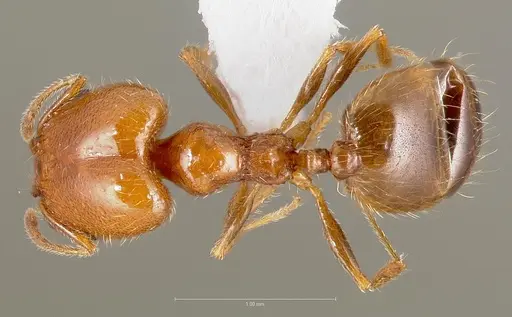
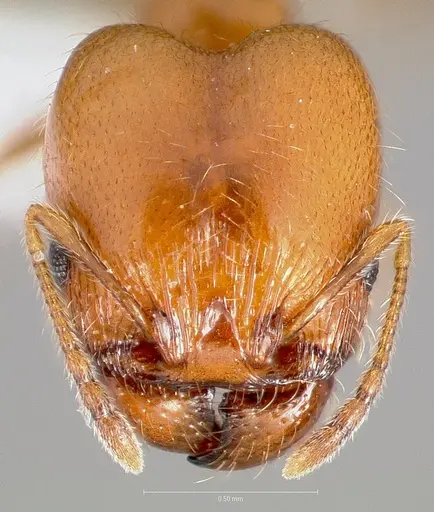
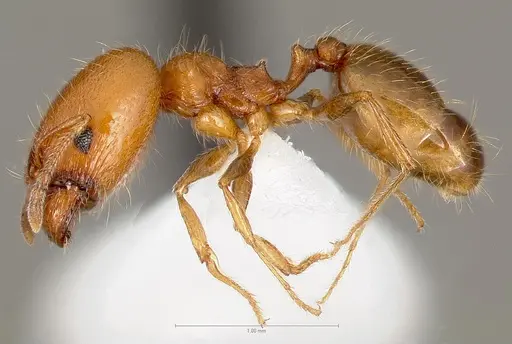
CASENT0005766
Ver no AntWeb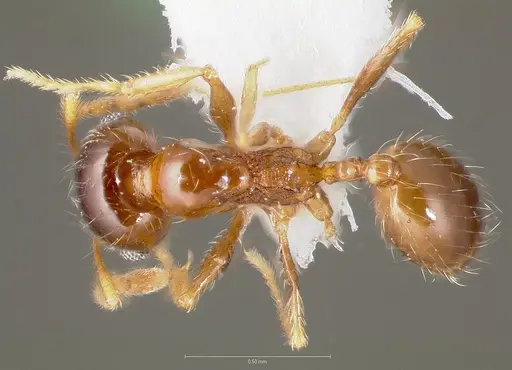
CASENT0761203
Ver no AntWeb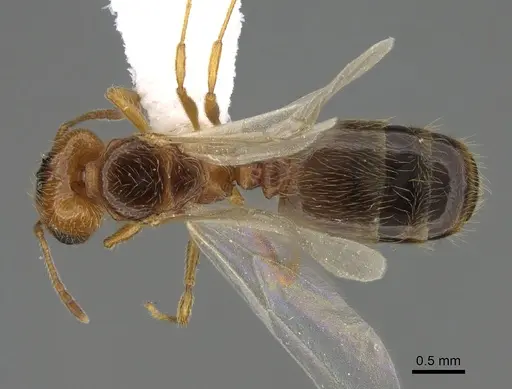
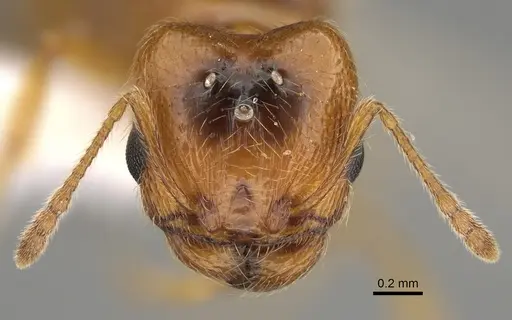
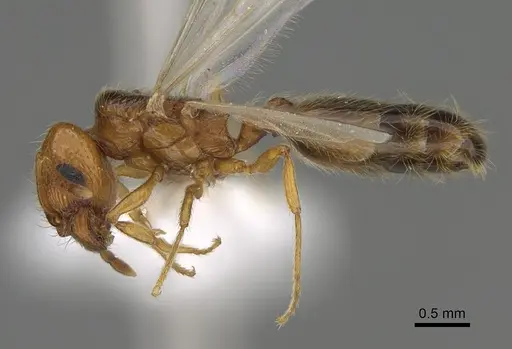
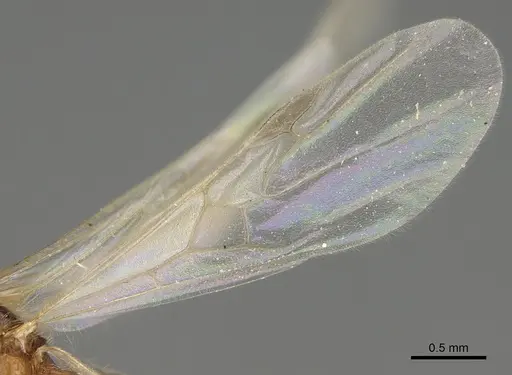
CASENT0862461
Ver no AntWeb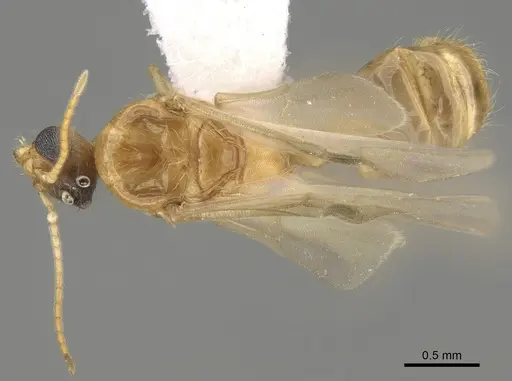
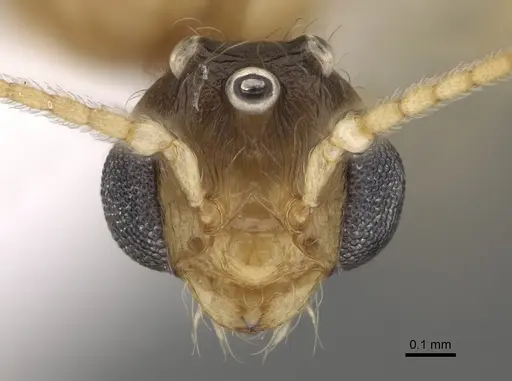
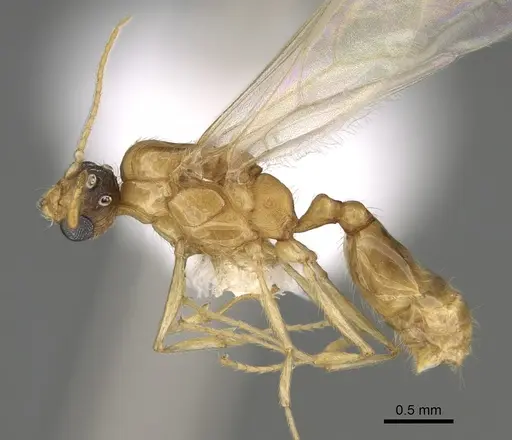
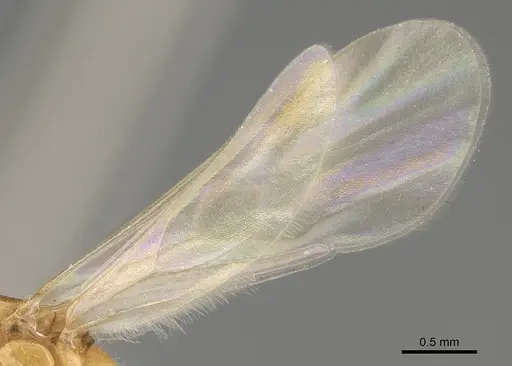
FMNHINS0000062677
Ver no AntWeb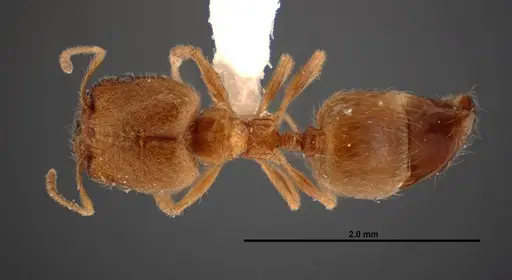
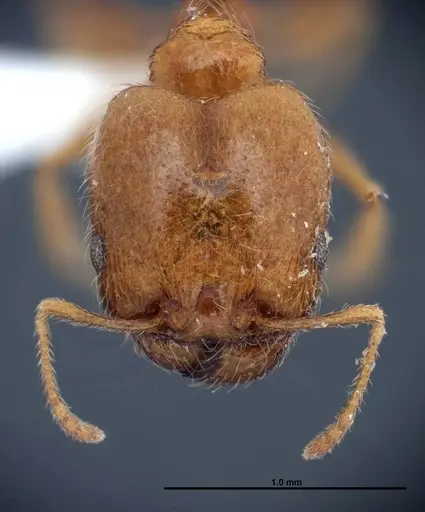
FMNHINS0000062789
Ver no AntWeb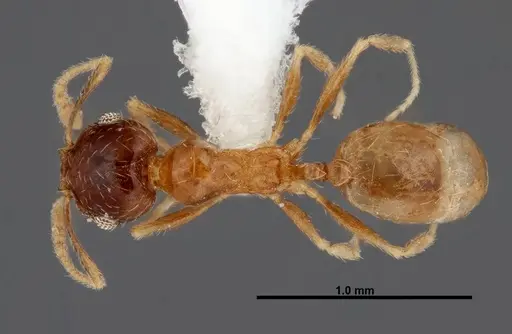
Literatura
Carregando mapa de distribuição...Carregando produtos...