
Pheidole obtusopilosa
- Nome científico
- Pheidole obtusopilosa
- Tribo
- Attini
- Subfamília
- Myrmicinae
- Autor
- Mayr, 1887
- Distribuição
- Encontrada em 2 países
Introdução
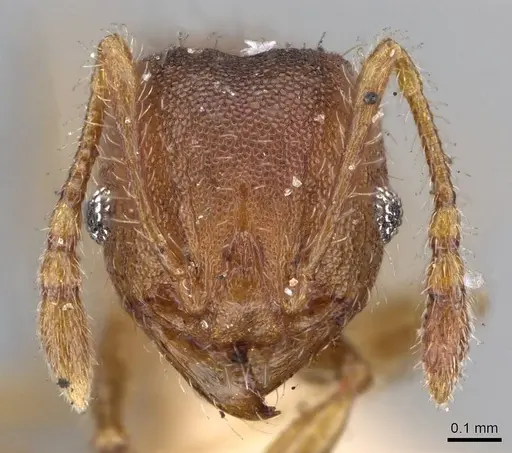
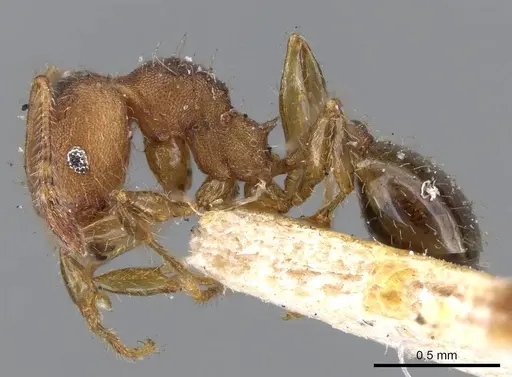
Pheidole obtusopilosa is a small Neotropical ant with distinct major and minor worker castes. Majors have larger heads than minors. This species is found in Argentina, Uruguay, and southern Brazil, particularly in grassland habitats and wet mountain forests . A notable aspect is its association with the parasitic ant Oxyepoecus bruchi, which has been collected in the same nests .
Quick Summary
- Difficulty: Easy
- Origin & Habitat: Neotropical region, Argentina, Uruguay, and southern Brazil. Found in wet mountain forests at 850m elevation and grassland habitats [1][2].
- Colony Type: Unconfirmed, no specific data on queen number.
- Size & Growth:
- Queen: Estimated 5-8 mm based on Pheidole genus patterns
- Worker: Size data unavailable for full body length
- Colony: Up to several hundred workers, estimated based on related species
- Growth: Moderate
- Development: Estimated 6-8 weeks based on genus patterns (Development timeline not directly studied, estimates based on subtropical Pheidole species)
- Antkeeping:
- Temperature: Keep at moderate temperatures, roughly 22-26°C, based on subtropical habitat
- Humidity: Keep nest substrate consistently moist but not waterlogged, based on wet mountain forest habitat [2]
- Diapause: Unknown, no specific data, but subtropical species may slow down in cooler months
- Nesting: Ground-nesting species, prefer soil or compact substrate. In captivity, use Y-tong or plaster nests with moderate moisture [1]
- Behavior: Temperament: Not aggressive toward keepers but will defend nest if threatened. Escape risk: High due to small size of minor workers. Defense: As a member of Myrmicinae, they possess a stinger, but it is not medically significant to humans.
- Common Issues: escape prevention is critical due to small minor workers, use fine mesh and tight-fitting barriers, colonies may be slow to establish initially, patience is needed during founding phase, overfeeding can lead to mold in nest setups, remove uneaten protein promptly, major workers have large heads which can cause them to get stuck in narrow passages if chambers are too small
Nest Preferences
Pheidole obtusopilosa is a ground-nesting species found in soil and leaf litter in grassland and forest habitats. In captivity, they adapt well to standard formicarium setups. Y-tong (AAC) nests work well because they provide dark, humid chambers that mimic underground conditions. Plaster nests are also suitable when kept moderately moist. Provide chambers sized to accommodate both minor and major workers. A small outworld for foraging completes the setup. Avoid overly wet setups, as this species prefers moderate moisture. [1][2]
Feeding and Diet
Pheidole obtusopilosa is omnivorous, collecting seeds, small insects, and honeydew. In captivity, offer a varied diet: protein sources like small crickets twice weekly, and sugar sources like honey water constantly. Remove uneaten protein within 24-48 hours to prevent mold.
Temperature and Care
Maintain moderate temperatures around 22-26°C for optimal colony health. Room temperature within this range works well in most homes. If space runs cooler, use a heating cable on one side of the nest to create a gradient. During winter, if temperatures drop, consider a slight cool period at 15-18°C for 2-3 months if colony activity reduces.
Behavior and Temperament
Minor workers handle foraging, brood care, and nest maintenance, while majors defend the colony and process larger food items. This species is not aggressive toward keepers but will bite if directly handled or if the nest is threatened. Escape risk is high due to the small size of minor workers, use fine mesh on ventilation holes and seal all connections.
Colony Growth and Development
Colonies grow through the production of major and minor workers. The first generation develops quickly as the queen's initial brood matures. Growth rate is moderate, and colonies likely reach several hundred workers at maturity. The presence of both castes represents an efficient division of labor.
Frequently Asked Questions
How long does it take for Pheidole obtusopilosa to produce first workers?
Expect an estimated 6-8 weeks from egg to first worker under optimal conditions. This is based on typical Pheidole development patterns in subtropical climates.
What do Pheidole obtusopilosa ants eat?
They are omnivorous. Offer protein like small crickets twice weekly and constant access to sugar sources like honey water.
Can I keep multiple queens together?
Pheidole obtusopilosa queen number is unconfirmed. Combining unrelated queens is not recommended as they typically establish exclusive territories.
What size colony do Pheidole obtusopilosa colonies reach?
Based on related species, colonies likely reach up to several hundred workers at maturity.
Do Pheidole obtusopilosa need hibernation?
Diapause is unknown for this species. As a subtropical species, they may benefit from a slight cool period during winter if room temperature drops significantly.
What nest type is best for Pheidole obtusopilosa?
A Y-tong (AAC) or plaster nest works well. They prefer dark, humid chambers with moderate moisture.
Are Pheidole obtusopilosa good for beginners?
Yes, this is a good beginner species. They are hardy and adaptable. The main challenge is escape prevention due to their small size.
Why are my Pheidole obtusopilosa escaping?
Escape prevention likely needs improvement. Minor workers are extremely small and can squeeze through tiny gaps. Use fine mesh and seal all connections.
When should I move Pheidole obtusopilosa to a formicarium?
Wait until the colony has at least 50-100 workers before moving from a test tube setup. Ensure the formicarium has appropriately sized chambers.
Report an Issue
The current care sheet is based fully on literature. See inconsistencies, or something that's incorrect? Please , it will be resolved after review from an admin. Contributing to the blogs tab also helps providing information, to make us be able to further improve the caresheets. Thank you for your support!
References

Este guia de cuidados está sob a licença CC BY-SA 4.0 .
Posts da comunidade
CASENT0916068
Ver no AntWeb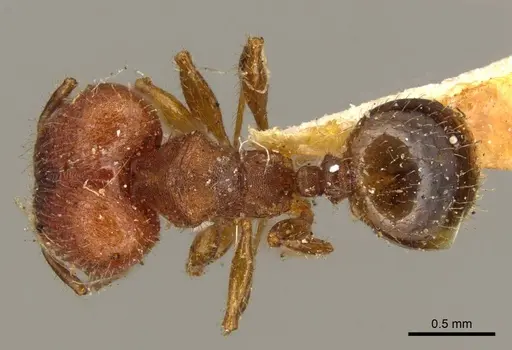
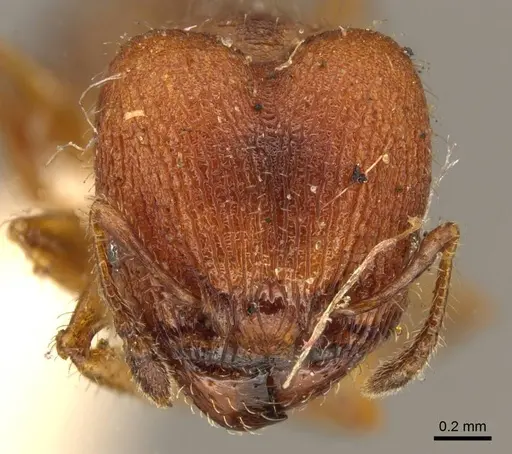
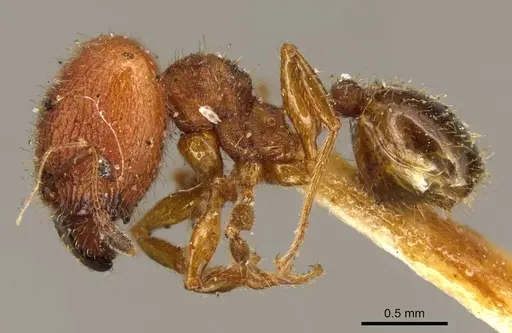
CASENT0919785
Ver no AntWeb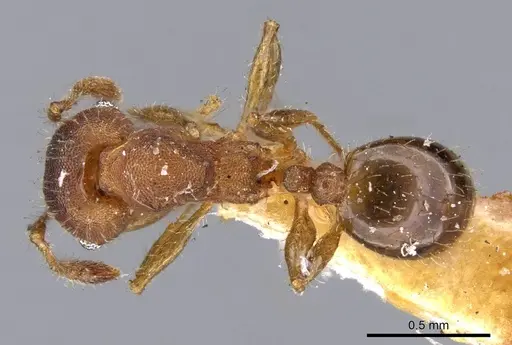
Literatura
Carregando mapa de distribuição...Carregando produtos...