
Pheidole neoschultzi
- Nome científico
- Pheidole neoschultzi
- Tribo
- Attini
- Subfamília
- Myrmicinae
- Autor
- LaPolla, 2006
- Distribuição
- Encontrada em 2 países
Introdução
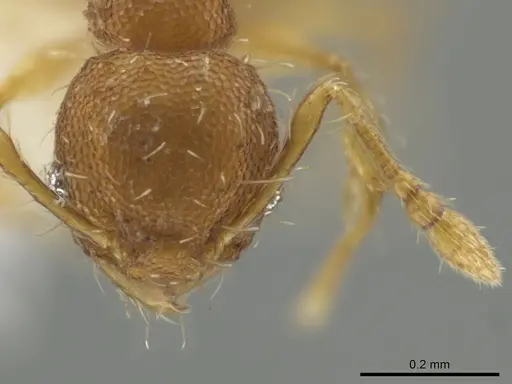
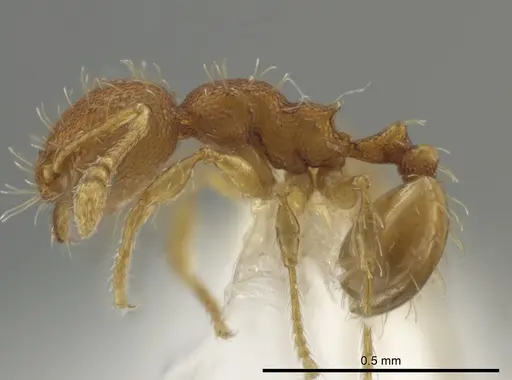
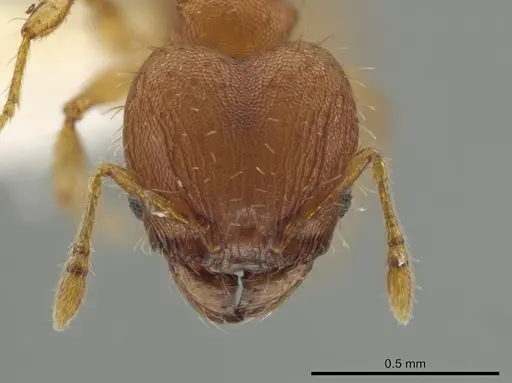
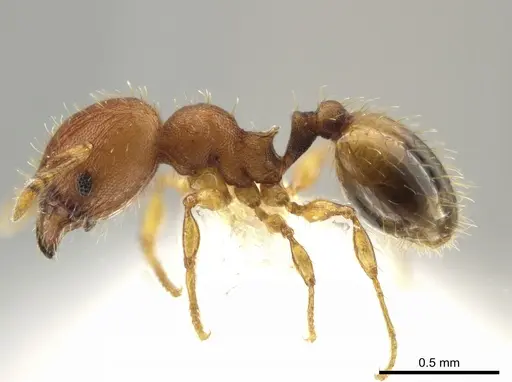
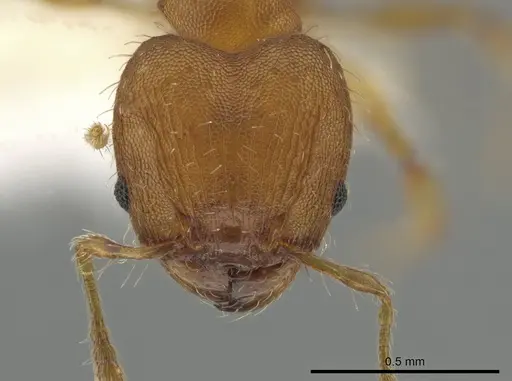
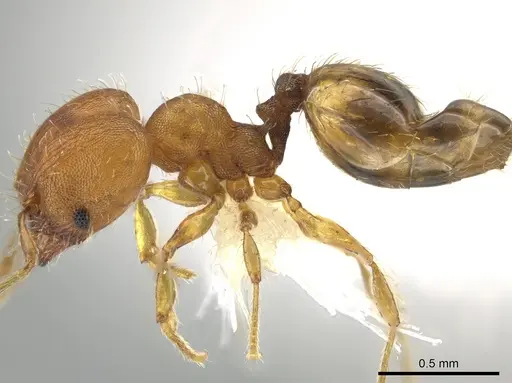
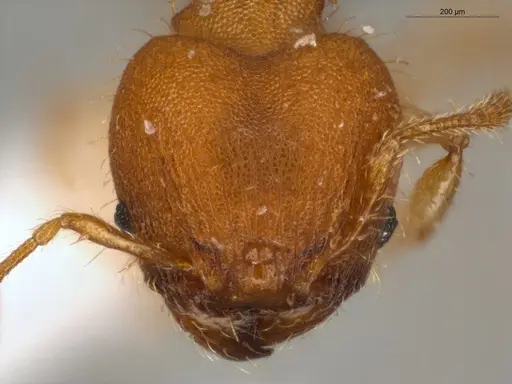
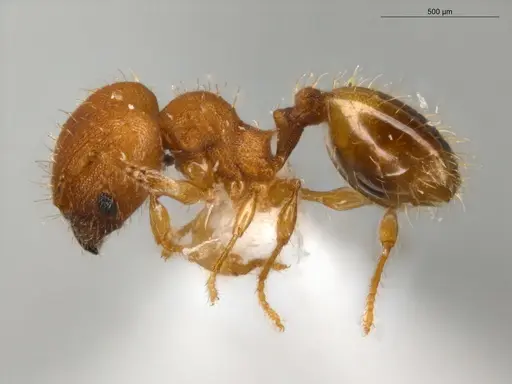
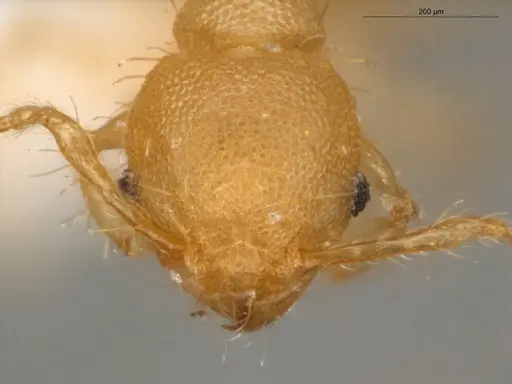
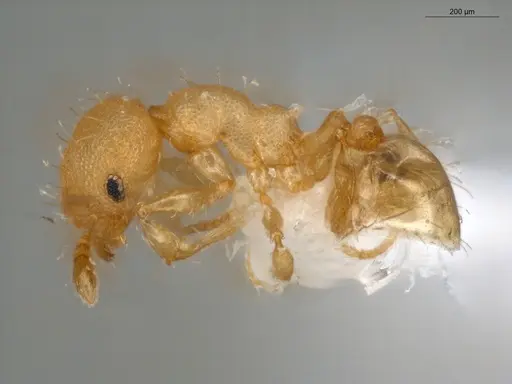
Pheidole neoschultzi is a tiny ant species native to the rainforests of Guyana and French Guiana in South America. Major workers reach about 1.8 mm in total length, with minor workers at about 1.2 mm, making them among the smaller Pheidole species . The species belongs to the tachigaliae-group, characterized by 11-segmented antennae and antennal scrobes . Major workers have a roughly heart-shaped head covered in parallel longitudinal carinulae, while both castes are covered in fine foveolae . Coloration ranges from yellow to light brown . This species was originally described in 2005 as Pheidole schultzi but was renamed in 2006 due to a homonym issue .
Quick Summary
- Difficulty: Medium
- Origin & Habitat: Tropical rainforest of Guyana and French Guiana, collected from leaf litter at elevations from 60 to 732 meters [1][4]
- Colony Type: Colony structure is unconfirmed. No data on queen number or ergatoid reproductives.
- Size & Growth:
- Queen: Size data unavailable, no queen caste has been described.
- Worker: Major workers: ~1.8 mm total length, minor workers: ~1.2 mm total length [1]
- Colony: Unknown, no data on colony size.
- Growth: Unknown, no data on growth rate.
- Development: Unconfirmed, no direct data. Based on typical Pheidole patterns, estimate 6-8 weeks at optimal temperatures. (Development timeline is unconfirmed, estimates are based on genus-level patterns.)
- Antkeeping:
- Temperature: Keep at 24-27°C, inferred from tropical habitat [1]. A gentle temperature gradient is recommended.
- Humidity: Keep substrate consistently moist but not waterlogged, as they live in leaf litter environments [1].
- Diapause: No diapause required, tropical species [1].
- Nesting: Use moist substrate or Y-tong/plaster nests with small chambers scaled to their tiny size. Based on related species, may benefit from decaying plant matter [1].
- Behavior: Behavior unstudied in captivity. Based on Pheidole genus patterns, expect moderate foraging activity. Escape risk is high due to tiny size [1].
- Common Issues: escape prevention is critical due to tiny size, high humidity can lead to mold if ventilation is poor, lack of biological data requires keeper experimentation, tiny size makes feeding difficult, wild-caught colonies may be hard to establish
Discovery and Naming
Pheidole neoschultzi has an unusual taxonomic history. It was first described in 2005 as Pheidole neoschultzi, named in honor of Ted R. Schultz [1]. However, the name was already occupied by Pheidole schultzei from 1910,making it a junior homonym [2][3]. In 2006,the replacement name neoschultzi was proposed [3]. The holotype specimen remains the same but now carries a label with the new name [2].
Identification and Distinguishing Features
Within the tachigaliae-group, P. neoschultzi can be confused only with Pheidole tachigaliae. The key difference is head shape: P. neoschultzi has a roughly heart-shaped head, while P. tachigaliae has a rectangular head [1]. P. neoschultzi is less hairy and lacks carinulae on the anterior pronotum [1]. Both species have 11-segmented antennae and longitudinal carinulae [1].
Natural History and Habitat
P. neoschultzi is collected from leaf litter using mini-Winkler bags, indicating a leaf-litter ant lifestyle [1]. Related species nest in plant material or soil, suggesting flexible nesting preferences [1]. The species is found at elevations from 60 to 732 meters in Guyana [1][4].
Housing and Setup
Given their tiny size and leaf-litter habitat, use a naturalistic setup with moist substrate or a Y-tong/plaster nest with small chambers [1]. Escape prevention is critical due to their minute size. Provide a water tube for drinking water.
Feeding and Diet
Pheidole species are generalist omnivores. Offer small protein sources like fruit flies and sugar sources like honey water. Food items must be appropriately sized for their tiny size.
Temperature and Seasonal Care
As a tropical species, maintain warm conditions at 24-27°C [1]. No diapause is needed. Seasonal variation in rainfall may affect activity, but consistent conditions are recommended in captivity.
Frequently Asked Questions
How long does it take for Pheidole neoschultzi to produce first workers?
The development timeline is unconfirmed. Based on typical Pheidole patterns, estimate 6-8 weeks at optimal temperatures (24-27°C).
What do Pheidole neoschultzi ants eat?
They are generalist omnivores. Feed small protein sources like fruit flies and sugar sources like honey water. Food items must be very small.
Can I keep multiple Pheidole neoschultzi queens together?
Colony structure is unconfirmed. Most Pheidole species are monogyne, but without data, it is safest to assume single-queen colonies.
What temperature do Pheidole neoschultzi ants need?
Keep them at 24-27°C, inferred from their tropical habitat [1].
How big do Pheidole neoschultzi colonies get?
Colony size is unknown, no data exists on mature colony size.
What kind of nest should I use for Pheidole neoschultzi?
Use a naturalistic setup with moist substrate or Y-tong/plaster nests with small chambers [1]. Maintain high humidity.
Do Pheidole neoschultzi ants need hibernation?
No, being a tropical species, they do not require diapause [1].
Why are my Pheidole neoschultzi ants escaping?
Escape prevention is critical due to their tiny size. Use fine mesh on all openings.
Is Pheidole neoschultzi a good species for beginners?
This species is rated as Medium difficulty. The lack of biological data and tiny size make it better suited for experienced keepers.
Report an Issue
The current care sheet is based fully on literature. See inconsistencies, or something that's incorrect? Please , it will be resolved after review from an admin. Contributing to the blogs tab also helps providing information, to make us be able to further improve the caresheets. Thank you for your support!
References

Este guia de cuidados está sob a licença CC BY-SA 4.0 .
Posts da comunidade
CASENT0646003
Ver no AntWeb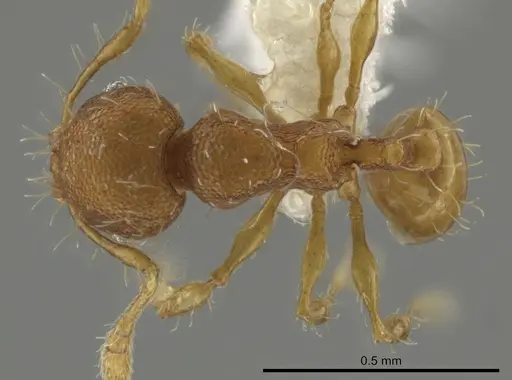
CASENT0646007
Ver no AntWeb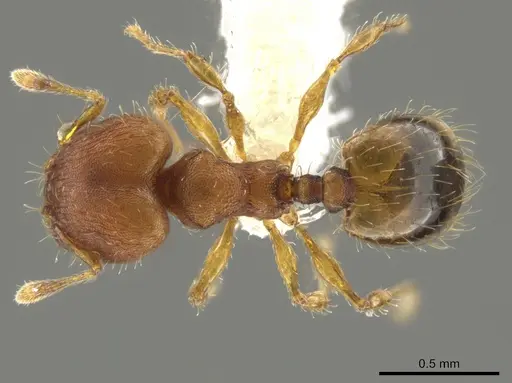
CASENT0646134
Ver no AntWeb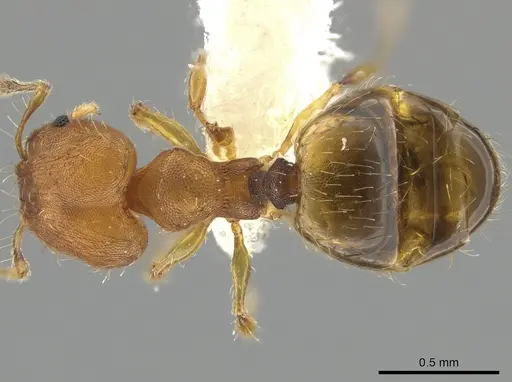
ECOFOG-IT14-0423-70-S
Ver no AntWeb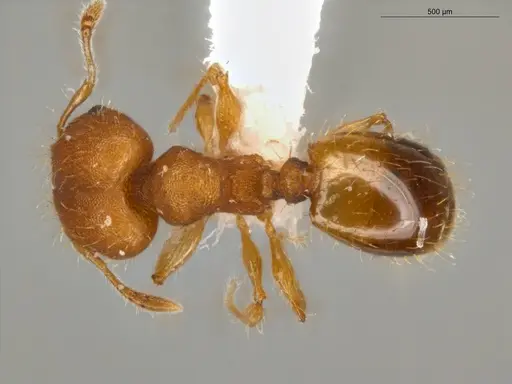
ECOFOG-IT14-0423-70
Ver no AntWeb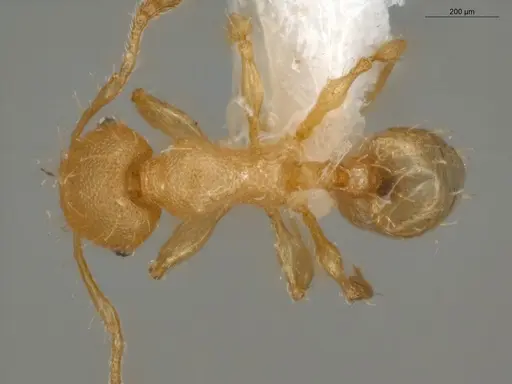
Literatura
Carregando mapa de distribuição...Carregando produtos...