
Pheidole midongy
- Nome científico
- Pheidole midongy
- Tribo
- Attini
- Subfamília
- Myrmicinae
- Autor
- Salata & Fisher, 2020
- Distribuição
- Encontrada em 0 países
Introdução
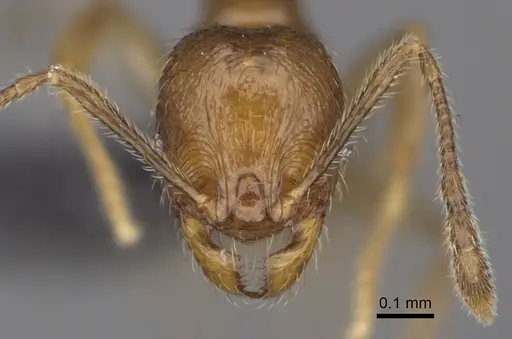
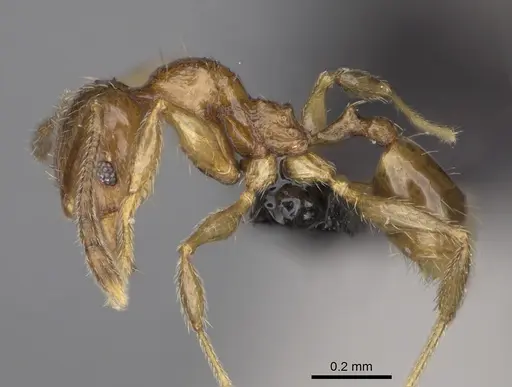
Pheidole midongy is a minute ant species from the sikorae group, described in 2020 from Madagascar. It inhabits rainforest habitats at elevations around 940 meters, where it nests in rotting logs . This species is notable for its extremely small size, making it one of the smallest Pheidole species and a challenging but rewarding choice for experienced antkeepers.
Quick Summary
- Difficulty: Medium
- Origin & Habitat: Madagascar, Fianarantsoa province, Parc National Befotaka-Midongy at 940m elevation in rainforest habitat. Nests in rotting logs [1][2]
- Colony Type: Colony structure is unconfirmed. Based on typical Pheidole patterns, likely single-queen (monogyne) colonies with major and minor worker castes
- Size & Growth:
- Queen: Size data unavailable, no total length measurements provided in literature. Inferred from Pheidole genus: likely 5-7 mm
- Worker: Size data unavailable, no total length measurements provided in literature. Inferred from Pheidole genus: minor workers ~2-3 mm, major workers ~3-5 mm
- Colony: Maximum colony size is unconfirmed. Based on related species, likely reaches several hundred workers
- Growth: Growth rate is unconfirmed. Based on typical Pheidole patterns, expect moderate growth once established
- Development: Estimated 6-10 weeks based on typical Pheidole development at warm temperatures (Development time is estimated, no direct measurements exist for this species)
- Antkeeping:
- Temperature: Keep around 24-28°C. This species comes from Madagascar rainforest at 940m elevation, suggesting they prefer warm, humid conditions [1]
- Humidity: Keep substrate consistently moist but not waterlogged. In nature they nest in rotting logs in rainforest, so they need high humidity [1][2]
- Diapause: Diapause requirements are unconfirmed. Madagascar species may not require strong hibernation, but a slight cool period may be beneficial
- Nesting: Use nests that hold moisture well, such as plaster nests, Y-tong (AAC) nests, or test tube setups. Maintain humidity without flooding
- Behavior: These ants are shy and non-aggressive. Major workers have larger heads for seed processing, suggesting they may specialize in harvesting seeds. Due to their tiny size, escape prevention is critical
- Common Issues: escape prevention is critical due to very small size, use fine mesh and check gaps regularly, humidity management is tricky, too wet causes flooding, too dry causes desiccation, newly described species means limited care information, be prepared to experiment, slow founding phase is normal, queens may take months to raise first workers, wild-caught colonies may have parasites or diseases that cause colony failure
Nest Preferences and Housing
Pheidole midongy naturally nests in rotting logs within rainforest habitat at 940m elevation in Madagascar [1][2]. In captivity, use nests that hold moisture well, such as plaster nests, Y-tong (AAC) nests, or test tube setups. Maintain consistently damp substrate without standing water. Since they are very small, provide tighter spaces for security. Always include an outworld connected to the nest
Feeding and Diet
Pheidole species are typically omnivorous with a preference for seeds and protein [2]. Offer small seeds, tiny insects, and occasional sugar water. Feed protein 2-3 times per week and keep sugar water available. Remove uneaten food promptly to prevent mold
Temperature and Seasonal Care
Keep the nest area around 24-28°C during the active season, as this species comes from warm, humid rainforest [1]. A heating cable can create a gentle temperature gradient. During winter, reduce temperature slightly to around 20-22°C, but strong hibernation is likely not required
Behavior and Colony Dynamics
Pheidole midongy is a dimorphic species with major and minor workers. Minor workers handle foraging and brood care, while majors likely process seeds and defend the colony. Colonies grow moderately once established, and queens are likely claustral, raising the first brood alone
Escape Prevention
Due to their extremely small size, excellent escape prevention is essential. Use fine mesh on all openings and check connections regularly. Apply fluon or similar barriers to edges
Frequently Asked Questions
How long does it take for Pheidole midongy queens to raise their first workers?
The time from founding to first workers is estimated at 6-10 weeks based on typical Pheidole development, but this species has not been directly studied. The queen seals herself in and raises the first brood alone, so patience is essential.
What do Pheidole midongy ants eat?
Based on typical Pheidole diet, they likely eat seeds and protein [2]. Offer small seeds, tiny insects, and occasional sugar water. Start with seeds and protein sources and remove uneaten food to prevent mold.
Can I keep multiple Pheidole midongy queens together?
Colony structure is unconfirmed for this species. Most Pheidole are single-queen colonies. Combining unrelated queens is not recommended as they likely will fight.
What temperature do Pheidole midongy ants need?
Keep them around 24-28°C based on their Madagascar rainforest origin [1]. A heating cable can provide warmth if needed. Avoid temperatures below 20°C or above 30°C for extended periods.
Are Pheidole midongy good for beginners?
This is a newly described species with limited captive data, making it more challenging than established species. The difficulty is moderate, you need to manage humidity carefully and provide proper escape prevention.
When should I move Pheidole midongy to a formicarium?
Keep founding colonies in test tubes until they have up to 30 workers. Moving them too early causes stress. Once established, you can transfer to a formicarium if desired.
Why are my Pheidole midongy ants dying?
Common causes include: too dry or too wet substrate, temperature extremes, poor escape prevention, mold from uneaten food, and stress from moving the colony. Check humidity levels and ensure stable temperature.
Do Pheidole midongy need hibernation?
Diapause requirements are unconfirmed. Madagascar species may not need strong hibernation, but a slight cool period may be beneficial. Monitor colony activity, if they remain active, normal temperatures are fine.
How big do Pheidole midongy colonies get?
Maximum colony size is unconfirmed. Based on related species, colonies likely reach several hundred workers. Growth is moderate once established.
Report an Issue
The current care sheet is based fully on literature. See inconsistencies, or something that's incorrect? Please , it will be resolved after review from an admin. Contributing to the blogs tab also helps providing information, to make us be able to further improve the caresheets. Thank you for your support!
References

Este guia de cuidados está sob a licença CC BY-SA 4.0 .
Posts da comunidade
CASENT0119419
Ver no AntWeb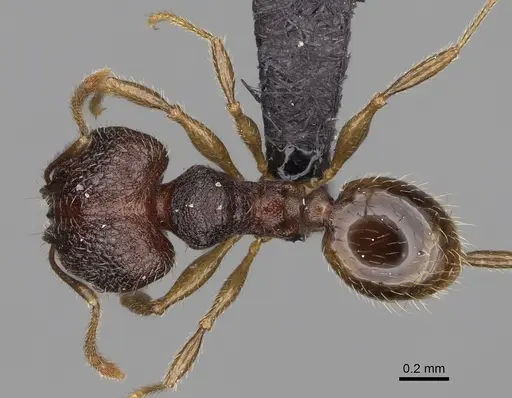
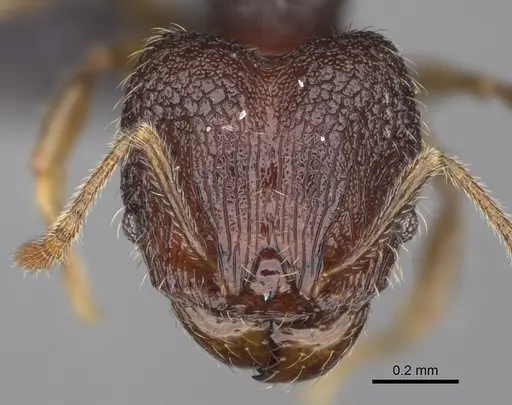
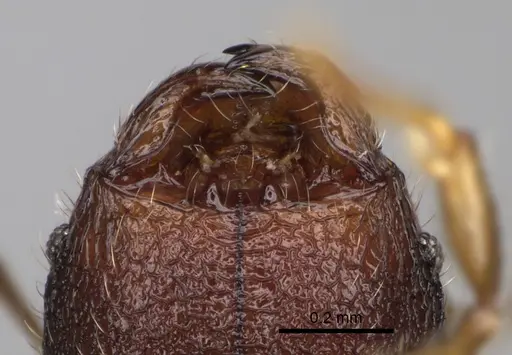
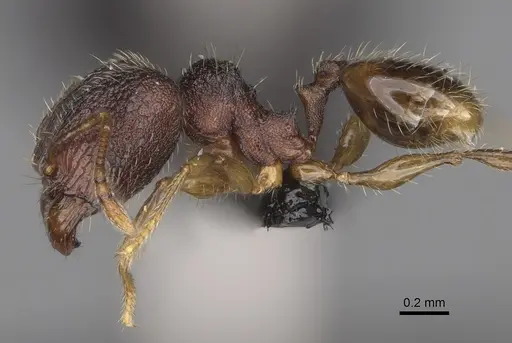
CASENT0923275
Ver no AntWeb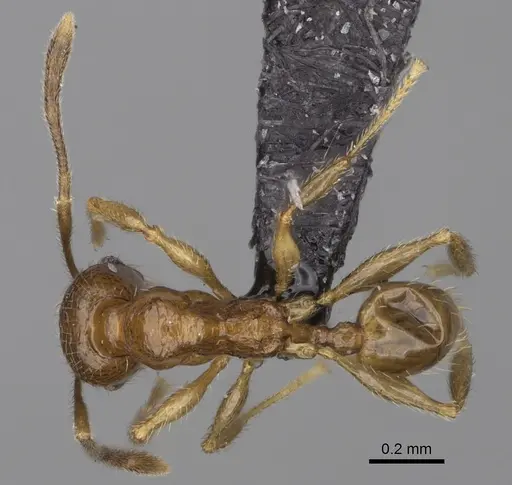
Literatura
Carregando mapa de distribuição...Carregando produtos...