
Pheidole litigiosa
- Nome científico
- Pheidole litigiosa
- Tribo
- Attini
- Subfamília
- Myrmicinae
- Autor
- Forel, 1892
- Distribuição
- Encontrada em 1 países
Introdução
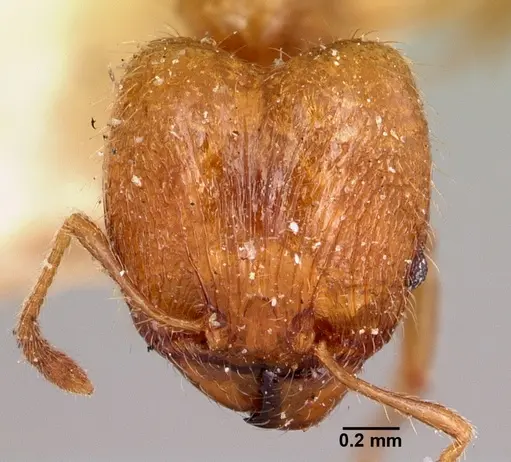
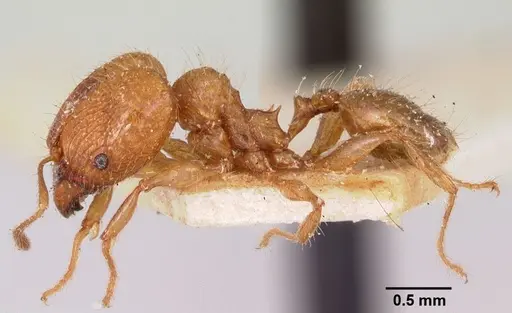
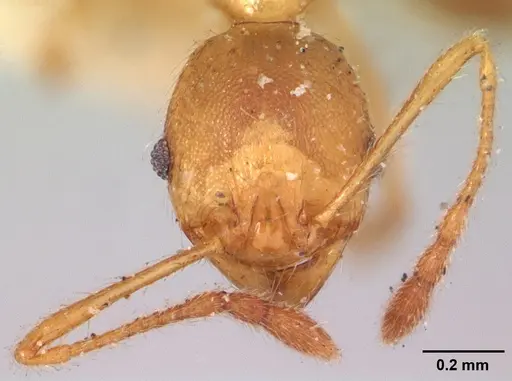
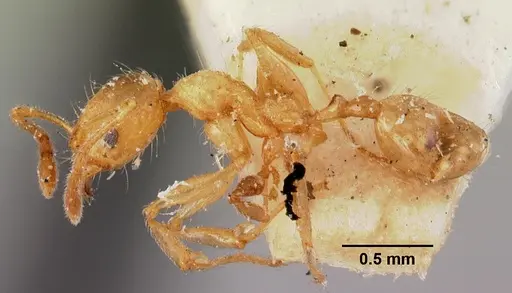
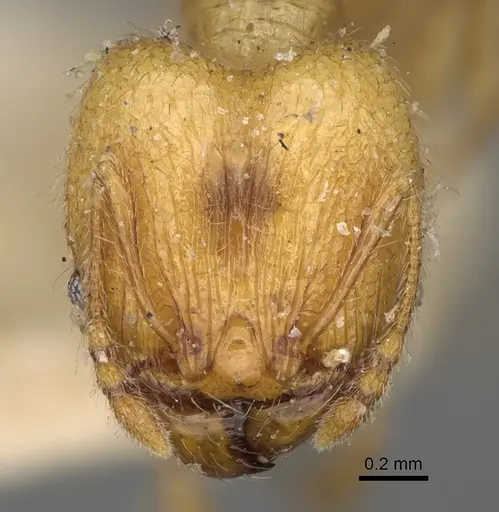
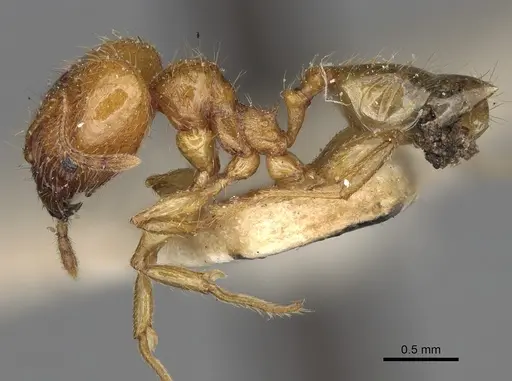
Pheidole litigiosa is an ant species native to the highlands of central Madagascar, specifically the Antananarivo region. It was elevated to full species status in 2020 . The species belongs to the Pheidole sikorae group, characterized by major workers with reduced head sculpture, and was collected at elevations between 1317-1409 meters . Biology is completely unknown .
Quick Summary
- Difficulty: Hard
- Origin & Habitat: Central Madagascar (Antananarivo prefecture), highland forest at 1317-1409m elevation [1].
- Colony Type: Unknown, colony structure has not been documented [1].
- Size & Growth:
- Queen: Size data unavailable, no total length measurements provided [1].
- Worker: Size data unavailable, no total length measurements provided [1].
- Colony: Unknown, no colony size data available [1].
- Growth: Unknown, no development data exists for this species [1].
- Development: Estimated 6-10 weeks based on typical Pheidole patterns, but unconfirmed for this species [1]. (Development timeline is unstudied, inferred from related species.)
- Antkeeping:
- Temperature: Temperature requirements are unknown. Based on highland origin, keep at cooler temperatures, but specific needs are unstudied [1].
- Humidity: Humidity requirements are unknown. Provide a moisture gradient for self-regulation [1].
- Diapause: Diapause needs are unknown. Madagascar highlands have mild seasons, so true hibernation may not be required [1].
- Nesting: Natural nesting behavior is undocumented. For captivity, use standard ant nests like Y-tong or plaster [1].
- Behavior: Behavior is unstudied [1]. Escape risk is moderate due to small worker size, but specific traits are unknown.
- Common Issues: biology is completely unknown, all care recommendations are estimates [1]., highland origin may affect temperature tolerance, keep below 28c [1]., no data on founding behavior, assume claustral like most pheidole [1]., no information on colony size limits, growth may be slow or limited [1]., wild-caught colonies may carry unknown parasites or pathogens [1].
Species Information
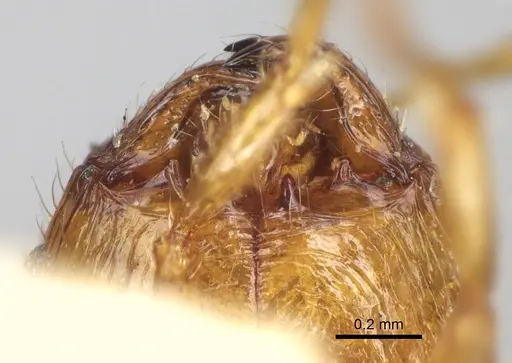
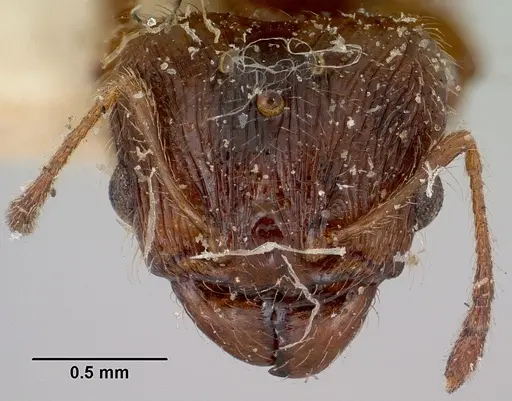
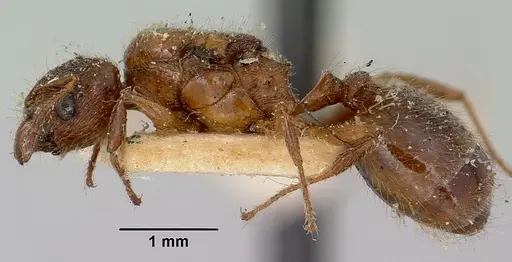
Pheidole litigiosa is a member of the Pheidole sikorae species group from Madagascar. Major workers have smooth occipital lobes and yellowish-orange coloration, while minor workers are orange to yellow [1]. Biology is unknown, and no total length measurements are available [1].
Antkeeping Guidance
Care for Pheidole litigiosa is challenging due to unknown biology. Use standard ant nests like Y-tong or plaster, and provide a moisture gradient. Keep at cooler temperatures based on highland origin, but specific requirements are unstudied [1]. Feed general ant diet, but diet is not documented [1].
Frequently Asked Questions
How long does it take for Pheidole litigiosa to produce first workers?
The exact timeline is unknown. Based on typical Pheidole development, expect first workers in 6-10 weeks at optimal temperature, but this is unconfirmed [1].
What temperature is best for Pheidole litigiosa?
Temperature needs are unknown. Based on highland origin, keep at cooler temperatures, but specific requirements are unstudied [1].
Are Pheidole litigiosa good for beginners?
This species is not recommended for beginners due to completely unknown biology and care requirements [1].
How big do Pheidole litigiosa colonies get?
Colony size is unknown, no data exists on maximum colony size [1].
Can I keep multiple Pheidole litigiosa queens together?
Colony structure is unconfirmed for this species. Most Pheidole are single-queen, but do not combine queens unless observed accepting each other [1].
What do Pheidole litigiosa eat?
Diet is unstudied for this species. General Pheidole diet includes insects and carbohydrates, but specific needs are unknown [1].
Do Pheidole litigiosa need hibernation?
Diapause needs are unknown. Madagascar highlands have mild seasons, so true hibernation may not be required [1].
When should I move Pheidole litigiosa to a formicarium?
Move when the colony has workers, but timing is unknown due to unstudied development [1].
Why are my Pheidole litigiosa dying?
Without documented biology, diagnosing problems is difficult. Check temperature, humidity, and avoid overfeeding, but specific causes are unknown [1].
Report an Issue
The current care sheet is based fully on literature. See inconsistencies, or something that's incorrect? Please , it will be resolved after review from an admin. Contributing to the blogs tab also helps providing information, to make us be able to further improve the caresheets. Thank you for your support!
References

Este guia de cuidados está sob a licença CC BY-SA 4.0 .
Posts da comunidade
CASENT0101628
Ver no AntWeb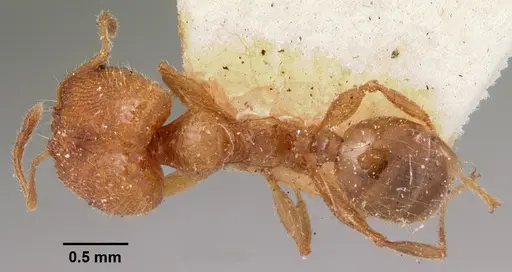
CASENT0101638
Ver no AntWeb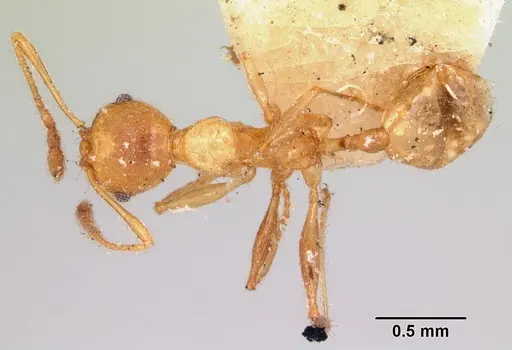
CASENT0101935
Ver no AntWeb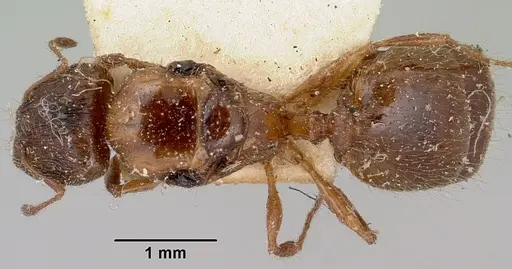
CASENT0923195
Ver no AntWeb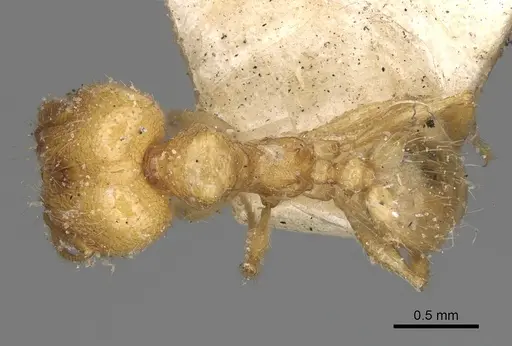
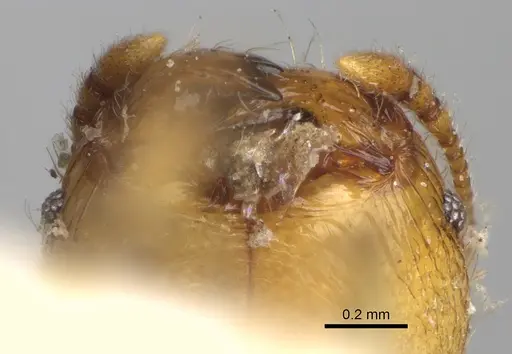
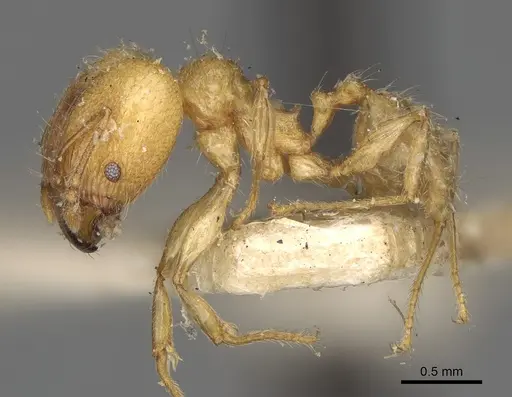
CASENT0923196
Ver no AntWeb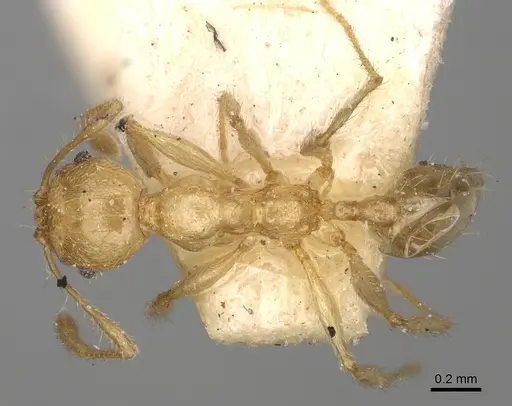
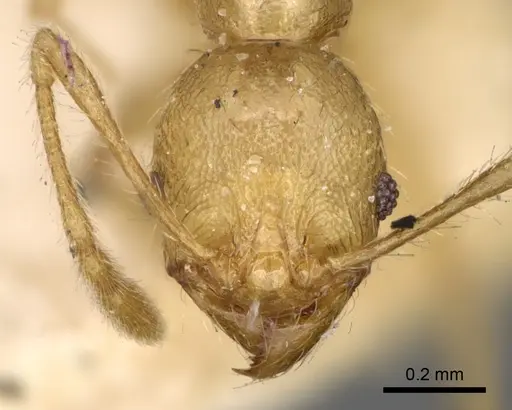
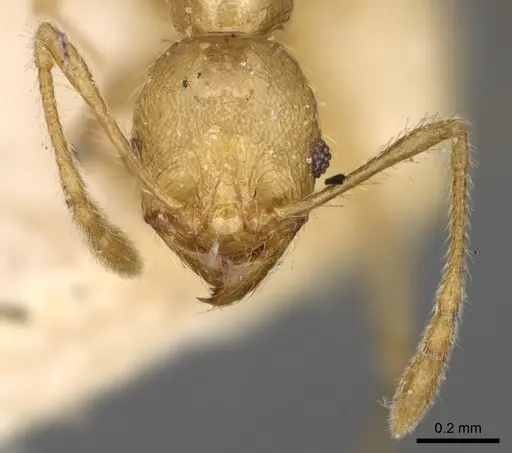
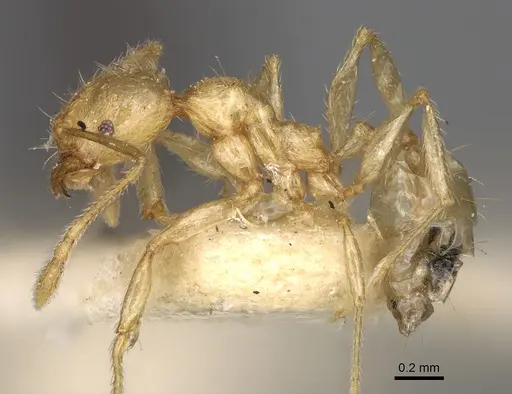
CASENT0923210
Ver no AntWeb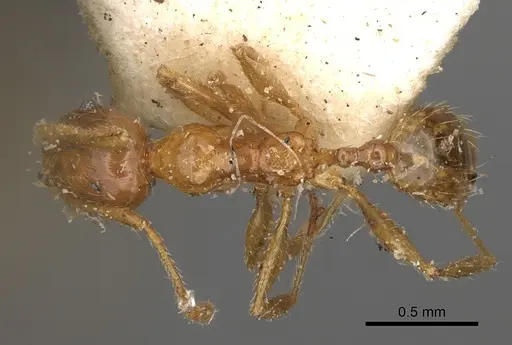
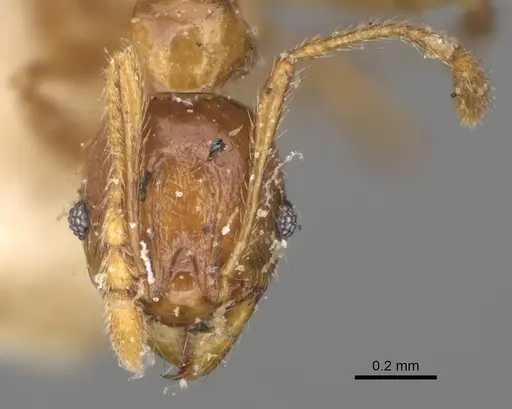
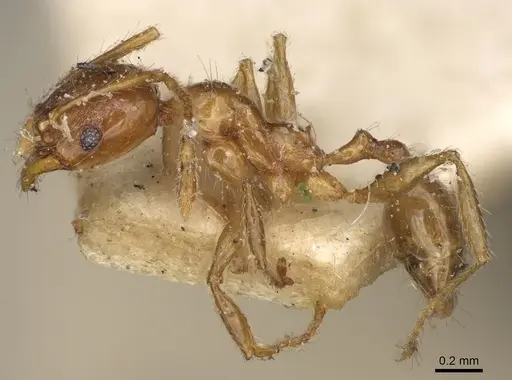
CASENT0923211
Ver no AntWeb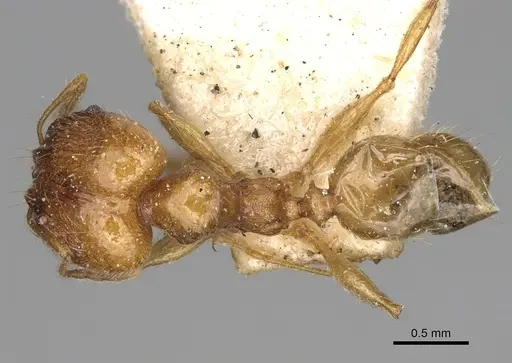
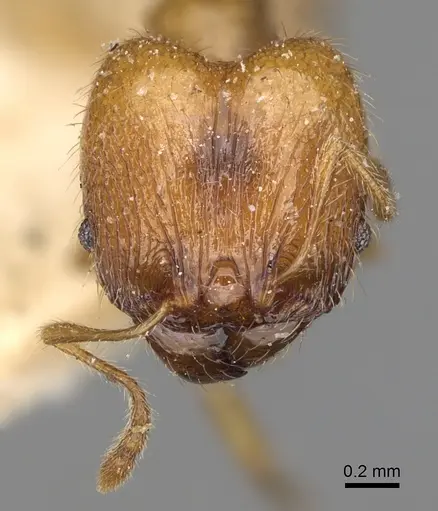
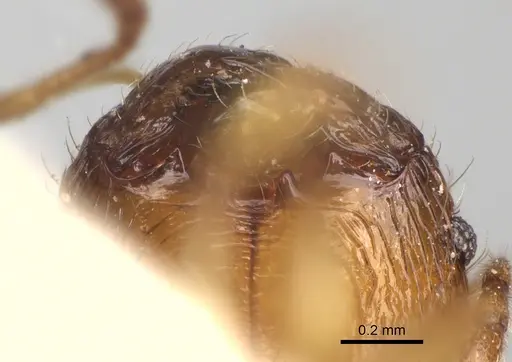
Literatura
Carregando mapa de distribuição...Carregando produtos...