
Pheidole irritans
- Nome científico
- Pheidole irritans
- Tribo
- Attini
- Subfamília
- Myrmicinae
- Autor
- Smith, 1858
- Distribuição
- Encontrada em 0 países
Introdução
Pheidole irritans is a small ant species described from Port Natal, South Africa . Workers measure approximately 2.5 mm . The genus Pheidole is known for its polymorphic caste system with major and minor workers, with majors having large heads for defense and seed-crushing.
Quick Summary
- Difficulty: Medium
- Origin & Habitat: Described from Port Natal, South Africa [1]. Habitat preferences are unconfirmed, but based on genus patterns, they likely nest in soil or under stones in warm environments.
- Colony Type: Colony structure is unconfirmed for this species. Based on genus patterns, most Pheidole are monogyne, but this is not confirmed for P. irritans.
- Size & Growth:
- Queen: ~5-7 mm, inferred from Pheidole genus
- Worker: Approximately 2.5 mm [1]
- Colony: Unknown, no specific data available.
- Growth: Moderate, inferred from genus patterns
- Development: Estimated 6-8 weeks at optimal temperature, inferred from genus patterns. (Development time may vary with temperature.)
- Antkeeping:
- Temperature: Keep warm, around 24-28°C, based on typical subtropical ant needs.
- Humidity: Keep nest substrate consistently moist but not waterlogged, with well-drained areas.
- Diapause: Unknown. Based on subtropical origin, a mild winter slowdown may occur, but specific requirements are unconfirmed.
- Nesting: Use test tube setup for founding. Once established, Y-tong or plaster nests with narrow chambers are suitable.
- Behavior: Pheidole irritans is likely docile. Major workers defend the colony, while minors handle foraging. They are omnivorous, accepting seeds and insects. Escape prevention is critical due to small size.
- Common Issues: escape prevention is critical due to very small size, use tight-fitting lids and fine mesh., colonies may grow slowly initially, patience is needed during founding phase., wild-caught colonies may carry parasites that can cause colony failure., overfeeding can lead to mold issues in the nest.
Housing and Setup
For founding colonies, a standard test tube setup works well. Fill the tube one-third with water, plug with a cotton ball, and place the queen in the humid chamber. Cover the tube with a dark cloth for the first few weeks to reduce stress. Once the colony has workers, you can consider moving them to a small formicarium or Y-tong nest. Pheidole prefer tight, snug chambers, avoid large open spaces. The outworld should be simple with a foraging area and escape prevention using fluon or fine mesh. Because of their tiny size [1], even small gaps can lead to escapes.
Feeding and Diet
Pheidole species are typically granivorous and omnivorous. Offer small seeds (grass seeds, millet, broken mealworms) as a primary food source. They also accept small insects like fruit flies, pinhead crickets, and mealworm pieces. Sugar water or honey can be offered occasionally, though protein is important for brood development. Feed every 2-3 days, removing any uneaten food promptly to prevent mold. Fresh water should always be available.
Temperature and Heating
Maintain temperatures around 24-28°C for optimal growth. These subtropical ants prefer warmth but can tolerate room temperature with slightly slower development. Use a heating cable or mat on one side of the nest to create a gentle temperature gradient, allowing ants to regulate their own exposure to warmth. Place the heating on top of the nest, not underneath, to avoid drying out the substrate too quickly. Monitor for condensation, some moisture is good but standing water should be avoided.
Behavior and Colony Structure
Pheidole colonies are polymorphic, meaning they have two distinct worker castes: minor workers (the small foragers and nurses) and major workers (soldiers with enlarged heads). The majors are responsible for seed-crushing and colony defense, while minors handle most daily tasks. Queens start colonies alone, sealing themselves in a chamber to raise the first brood. The first workers (nanitics) are typically smaller than normal workers. Colonies grow gradually at first, then accelerate once the first major workers appear. Based on their subfamily (Myrmicinae), they likely possess a sting, but it is not medically significant to humans.
Frequently Asked Questions
How long does it take for Pheidole irritans to raise their first workers?
Based on typical Pheidole development, expect first workers (nanitics) in approximately 6-8 weeks at optimal temperature (24-28°C). The exact timeline for this species is unconfirmed, so monitor your colony and adjust feeding and temperature as needed.
Can I keep multiple Pheidole irritans queens together?
It is not recommended to combine unrelated queens. Most Pheidole species are monogyne (single queen colonies). If you have multiple founding queens, house them separately. Some Pheidole can be polygynous under certain conditions, but this has not been documented for P. irritans specifically.
What do Pheidole irritans eat?
They are omnivorous like most Pheidole species. Offer small seeds (grass seeds, millet) as a staple, supplemented with small insects (fruit flies, pinhead crickets, mealworm pieces). Occasional sugar water or honey can be offered. Remove uneaten food promptly to prevent mold.
Are Pheidole irritans good for beginners?
This species is rated as Medium difficulty. While not the easiest species, Pheidole are generally forgiving and adaptable. The main challenges are their small size (requiring good escape prevention) and relatively slow initial growth. They are more challenging than species like Lasius or Camponotus but can be a rewarding species for intermediate keepers.
When should I move Pheidole irritans to a formicarium?
Wait until the colony has at least 20-30 workers before considering a move. Pheidole do well in test tubes long-term, but if you notice the water reservoir is running low frequently or the colony seems cramped, you can carefully transfer them to a small Y-tong or plaster nest. Always move them into a nest that is appropriately sized, too large a space can stress the colony.
Do Pheidole irritans need hibernation?
Given their subtropical origin in South Africa, a full hibernation is likely not required. However, they may benefit from a mild winter slowdown period (around 15-18°C for 2-3 months) if room temperatures are warm year-round. This mimics their natural seasonal cycle. Monitor colony activity, if they remain active, normal temperatures are fine.
Why are my Pheidole irritans dying?
Common causes include: poor escape prevention (tiny ants escape easily), mold from overfeeding or poor ventilation, temperatures too cold (below 20°C slows growth significantly), or stress from too-large enclosures. Wild-caught colonies may also carry parasites. Ensure proper humidity balance, adequate ventilation, and appropriate temperature before troubleshooting further.
Report an Issue
The current care sheet is based fully on literature. See inconsistencies, or something that's incorrect? Please , it will be resolved after review from an admin. Contributing to the blogs tab also helps providing information, to make us be able to further improve the caresheets. Thank you for your support!
References

Este guia de cuidados está sob a licença CC BY-SA 4.0 .
Posts da comunidade
CASENT0901311
Ver no AntWeb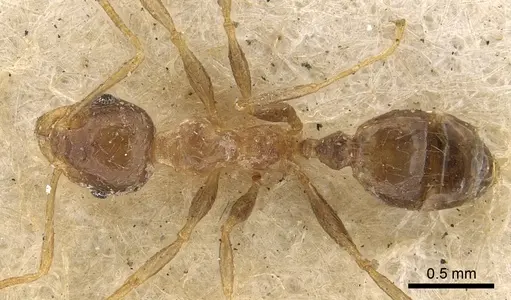
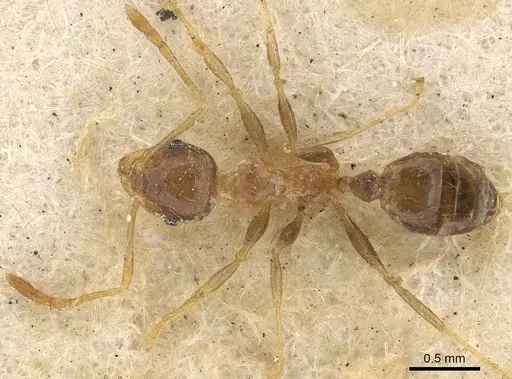
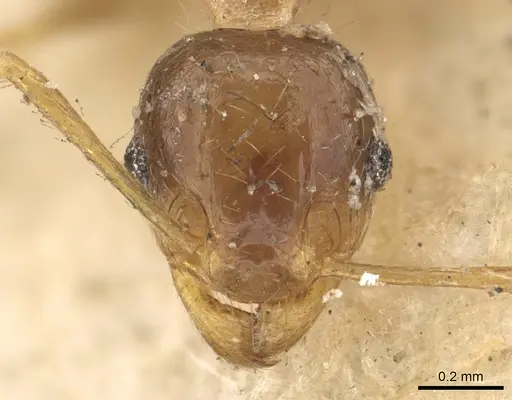
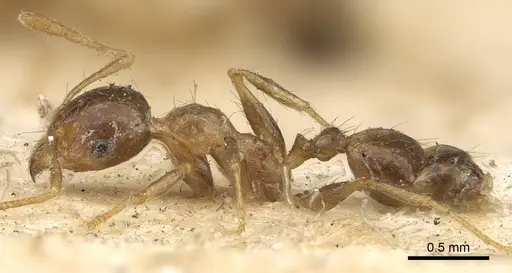
Literatura
Carregando mapa de distribuição...Carregando produtos...