
Pheidole indagatrix
- Nome científico
- Pheidole indagatrix
- Tribo
- Attini
- Subfamília
- Myrmicinae
- Autor
- Wilson, 2003
- Distribuição
- Encontrada em 3 países
Introdução
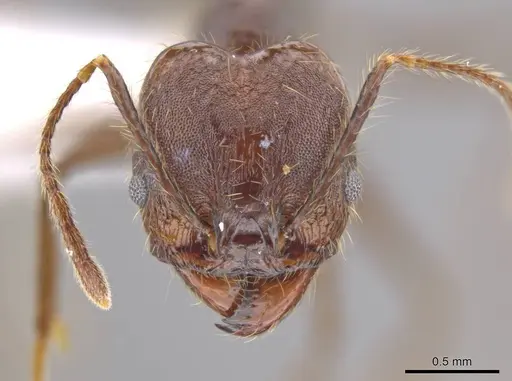
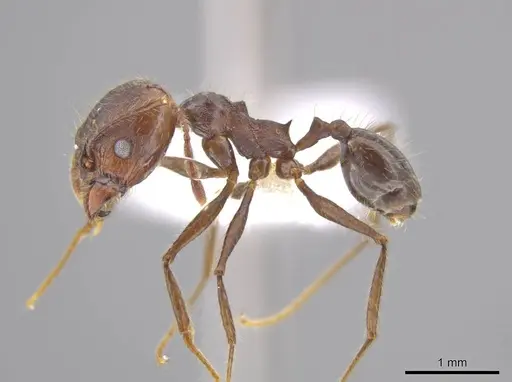
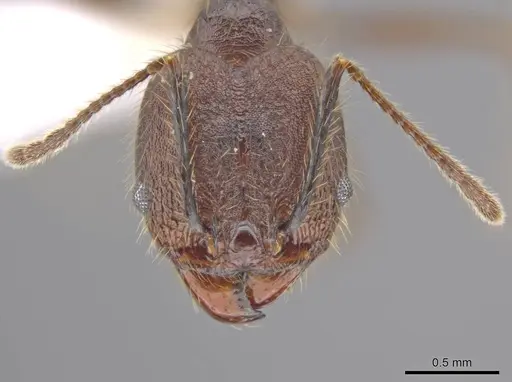
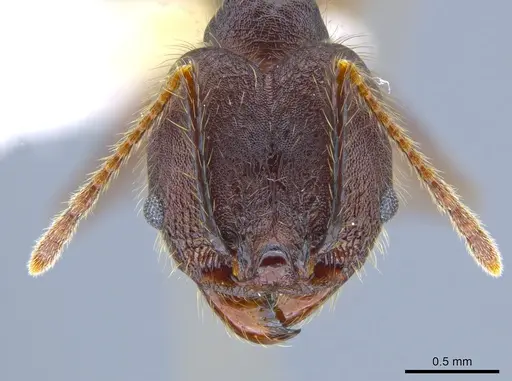
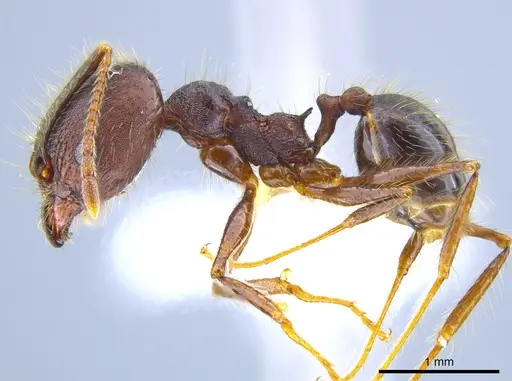
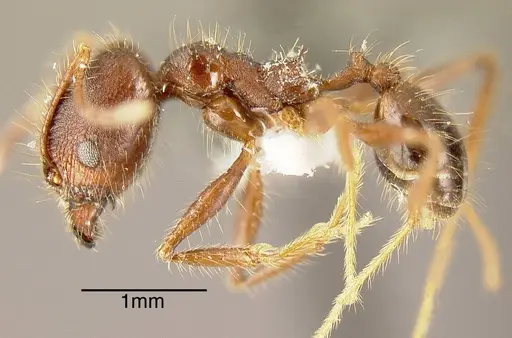
Pheidole indagatrix is a small ant species native to Central America, found in Costa Rica, Honduras, Nicaragua, Panama, and Colombia . The body is medium reddish brown with yellowish legs . Size data for full body length is unavailable, but based on Pheidole genus patterns, workers are typically small and queens larger [inferred]. This species lives in moist to wet forests, nesting in dead wood on the ground, under soil on tree trunks, or in hollow plant stems . They forage both day and night across the forest floor and into the canopy . They forage both day and night, which is unusual among ants .
Quick Summary
- Difficulty: Medium
- Origin & Habitat: Moist to wet forests in Central America (Costa Rica, Honduras, Nicaragua, Panama, Colombia) from sea level to 1500m elevation [2]. They nest in dead wood on the ground, under soil on tree trunks, and in hollow plant stems [2].
- Colony Type: Colony structure is unconfirmed, no specific data for P. indagatrix.
- Size & Growth:
- Queen: ~4-8 mm, inferred from Pheidole genus patterns
- Worker: ~2-5 mm, inferred from Pheidole genus patterns
- Colony: Up to several thousand workers, estimated from Pheidole patterns
- Growth: Moderate
- Development: 6-10 weeks, estimated based on typical Pheidole development (Development time is inferred from genus patterns. Expect faster development in warmer conditions and slower in cooler temperatures.)
- Antkeeping:
- Temperature: Keep around 24-28°C, matches their natural tropical habitat [2]. A heating cable on one side of the nest creates a temperature gradient.
- Humidity: Keep nest substrate consistently moist but not waterlogged, as they come from moist forests [2]. Mist occasionally and provide a water tube.
- Diapause: No, tropical species do not require hibernation [2]. Maintain stable temperatures year-round.
- Nesting: Use naturalistic setups with moist substrate and nesting materials like rotting wood or cork [2]. Y-tong nests with moist chambers are also suitable.
- Behavior: Active foragers that search for food day and night [2]. They have two worker castes: minor workers handle most tasks, while majors defend the colony and process seeds. Majors can deliver a mild sting if threatened. Escape risk is high due to small size, use fine mesh barriers.
- Common Issues: high humidity maintenance is critical, dry conditions cause colony decline., escape prevention requires fine mesh barriers due to small size., temperature drops below 20°C can harm the colony., wild-caught colonies may carry parasites that affect captive survival.
Housing and Nest Setup
Use a naturalistic setup that mimics their natural nesting sites. Fill a container with moist substrate (soil or soil-sand mix) and include pieces of rotting wood, cork, or other organic material [2]. The substrate should stay damp but not waterlogged. Attach a water tube for constant humidity. For outworld space, keep it simple as they are ground foragers. Use a test tube setup for founding colonies, then move to larger setups once the colony grows. Escape prevention is critical: use fluon on edges and fine mesh on ventilation holes [2].
Feeding and Diet
In the wild, they forage for seeds, insects, and honeydew [2]. In captivity, offer protein sources like small insects (fruit flies, pinhead crickets) and sugar sources like honey water. Major workers process seeds with their mandibles. Feed protein 2-3 times per week and keep sugar water available constantly. Remove uneaten food after 24 hours to prevent mold [2].
Temperature and Humidity Management
Maintain temperatures between 24-28°C for optimal health [2]. Humidity is critical, keep nest substrate consistently moist but not waterlogged [2]. Use a heating cable on one side of the nest to create a gradient. Avoid temperature fluctuations near air conditioning vents.
Colony Development and Growth
Colony development follows typical Pheidole patterns. A newly mated queen founds the colony claustrally, sealing herself in to raise the first brood using stored fat reserves. After nanitics emerge, workers expand the nest and forage. Colony growth is moderate, reaching several hundred workers in months and thousands over a year. Major workers appear once the colony reaches around 100 workers.
Behavior and Observation
They forage both day and night, which is unusual among ants [2]. The colony has two worker castes: minors handle daily tasks, while majors defend and process hard foods. Watch for majors near food sources and nest entrances. They are not highly aggressive but will defend if threatened. Winged males have been found in nests in January and March, suggesting nuptial flights during these months [2].
Frequently Asked Questions
How long does it take for Pheidole indagatrix queens to raise their first workers?
Based on typical Pheidole development patterns, expect 6-10 weeks from egg to first worker at optimal temperatures (24-28°C). The founding phase can be slow, so avoid disturbing the nest.
What do Pheidole indagatrix ants eat?
They are generalist foragers that accept protein and sugar sources. Offer small insects like fruit flies or chopped mealworms, and sugar water or honey water [2].
Can I keep multiple Pheidole indagatrix queens together?
The colony structure is unconfirmed for this species. It is generally not recommended to combine unrelated foundress queens, as they may fight.
What temperature is best for Pheidole indagatrix?
Keep them at 24-28°C, which matches their natural tropical habitat [2]. Avoid temperatures below 20°C for extended periods.
Are Pheidole indagatrix good for beginners?
They are rated as medium difficulty. The main challenges are maintaining high humidity and stable temperatures. If you can provide a moist, warm environment, they are rewarding to keep.
How big do Pheidole indagatrix colonies get?
Specific data is lacking, but typical Pheidole colonies reach up to several thousand workers.
Do Pheidole indagatrix need hibernation?
No, as a tropical species, they do not require hibernation [2]. Maintain stable temperatures year-round.
When do Pheidole indagatrix have nuptial flights?
Winged males have been found in nests in January and March in Costa Rica, suggesting nuptial flights during these months [2].
What kind of nest should I use for Pheidole indagatrix?
A naturalistic setup with moist substrate and nesting materials like rotting wood or cork works best [2]. Y-tong nests with moist chambers are also suitable.
Report an Issue
The current care sheet is based fully on literature. See inconsistencies, or something that's incorrect? Please , it will be resolved after review from an admin. Contributing to the blogs tab also helps providing information, to make us be able to further improve the caresheets. Thank you for your support!
References

Este guia de cuidados está sob a licença CC BY-SA 4.0 .
Posts da comunidade
CASENT0617814
Ver no AntWeb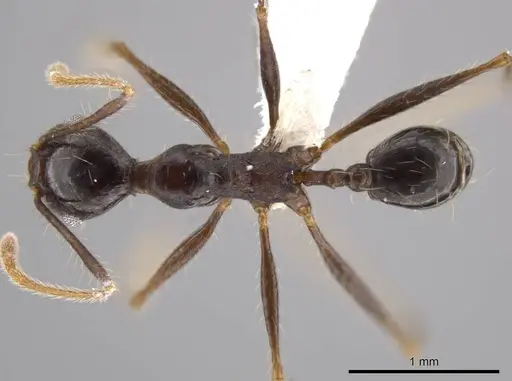
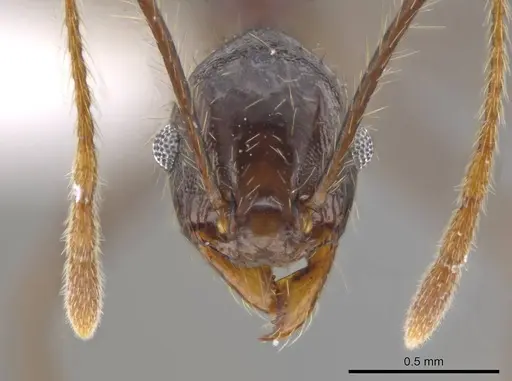
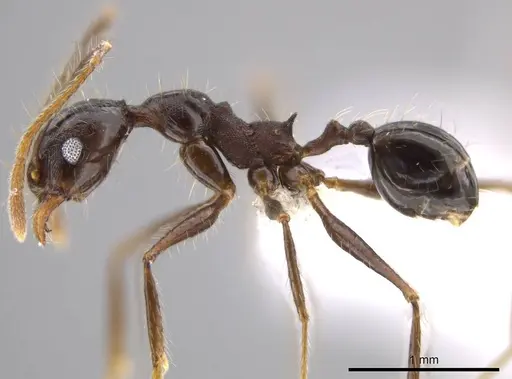
CASENT0617815
Ver no AntWeb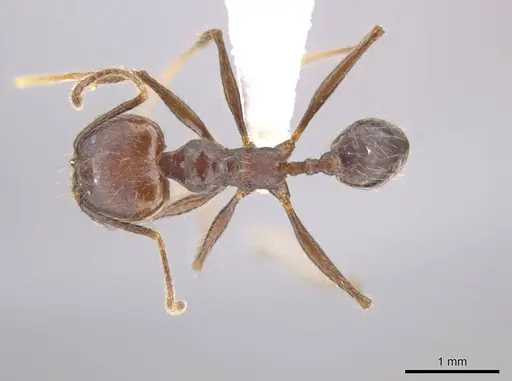
CASENT0618218
Ver no AntWeb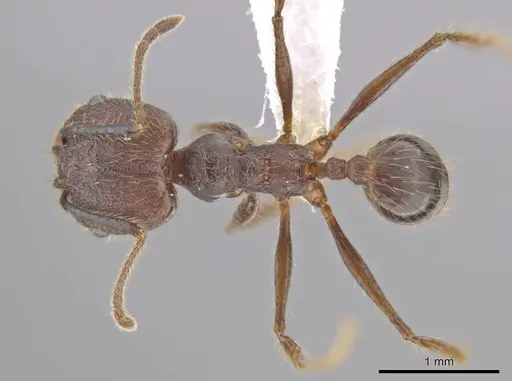
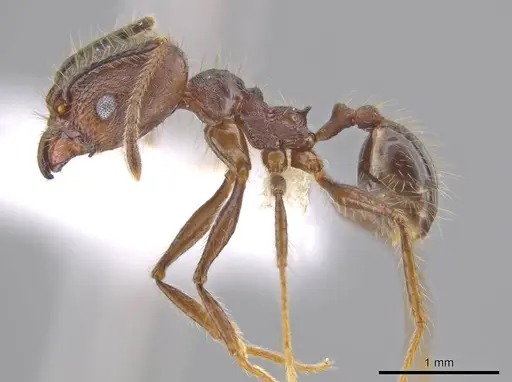
CASENT0618219
Ver no AntWeb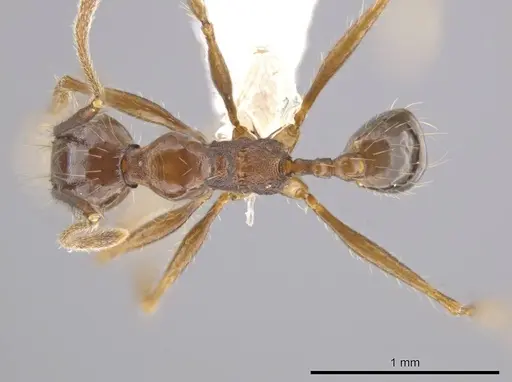
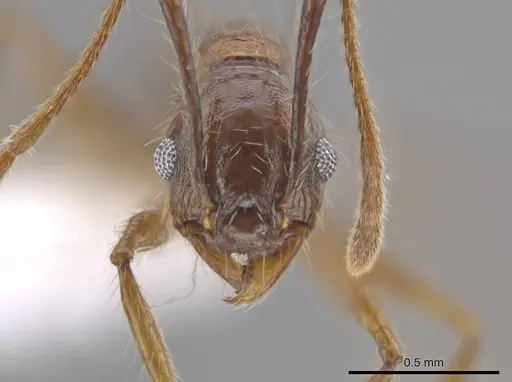
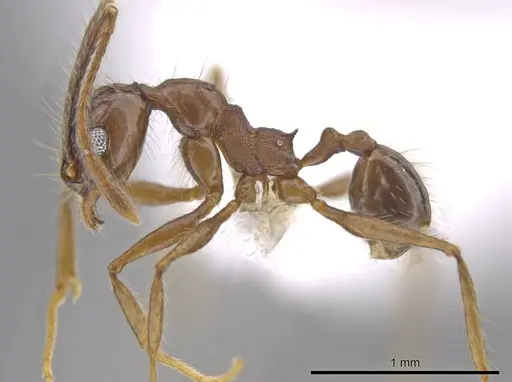
CASENT0633717
Ver no AntWeb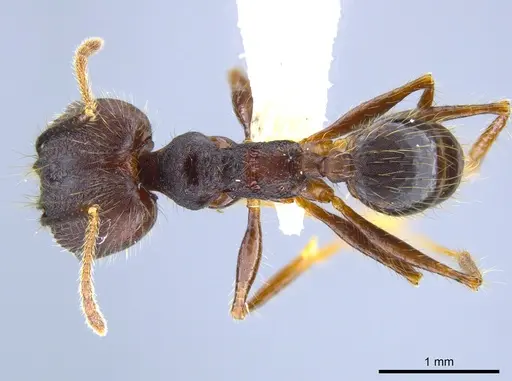
CASENT0635478
Ver no AntWeb
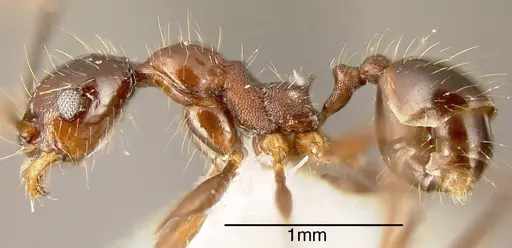
INBIOCRI002272029
Ver no AntWeb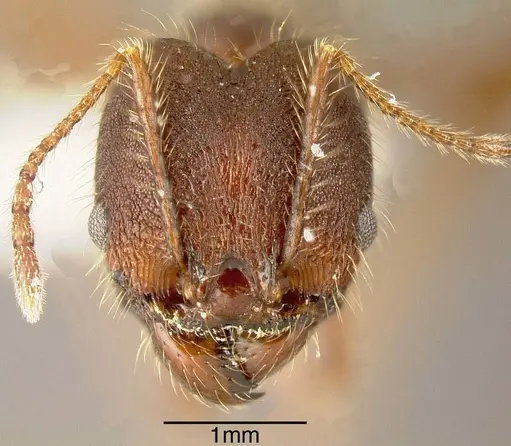
Literatura
Carregando mapa de distribuição...Carregando produtos...