
Pheidole incisa
- Nome científico
- Pheidole incisa
- Tribo
- Attini
- Subfamília
- Myrmicinae
- Autor
- Mayr, 1870
- Distribuição
- Encontrada em 2 países
Introdução
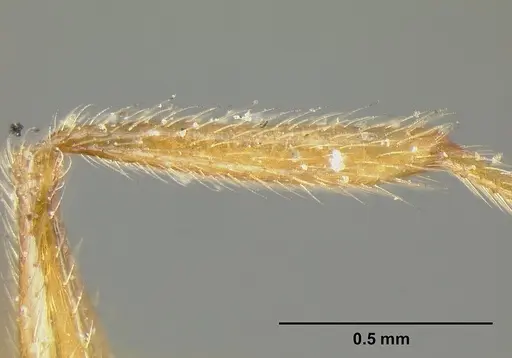
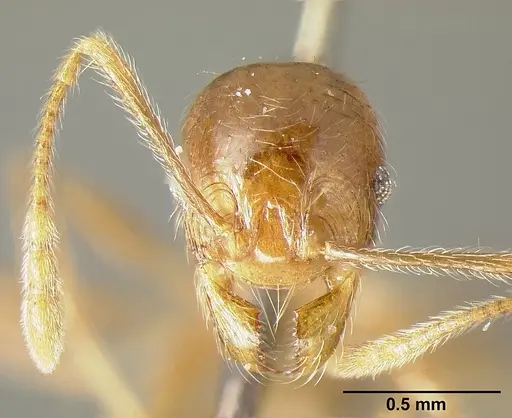
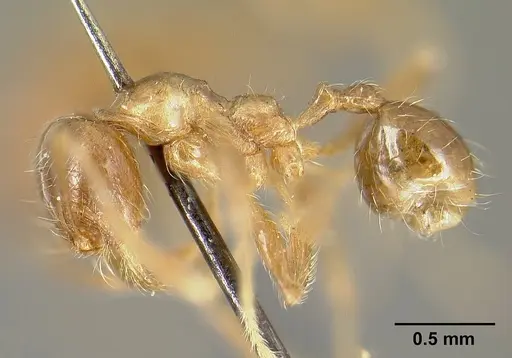
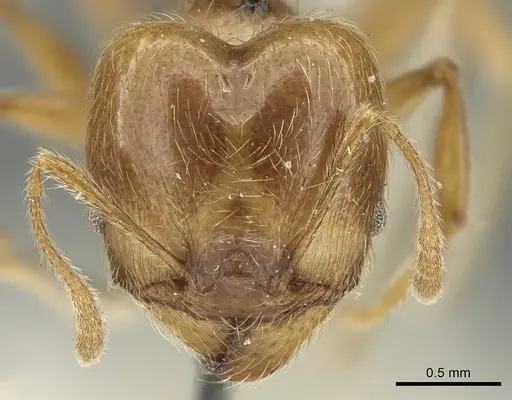
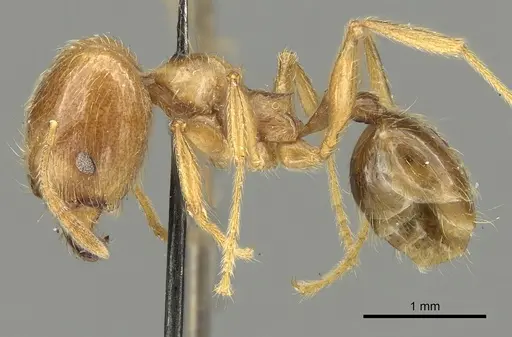
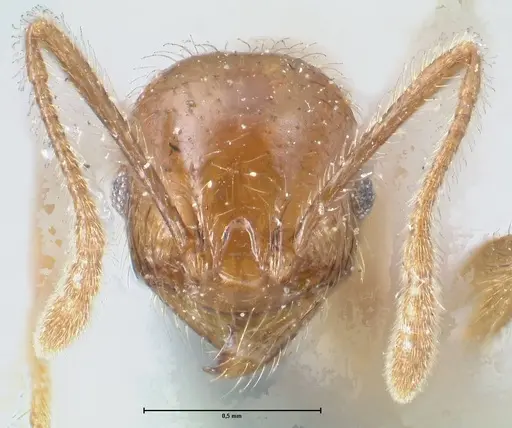
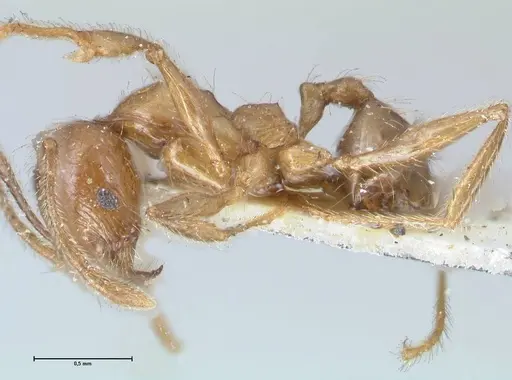
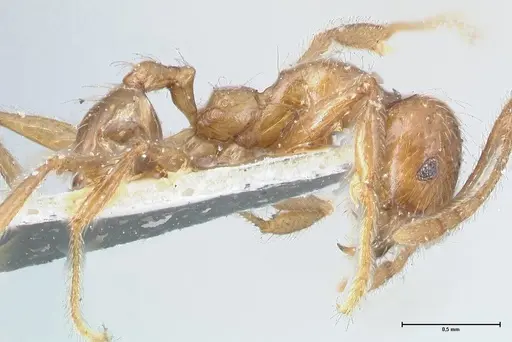
Pheidole incisa is a small ant native to Colombia's montane regions. Major workers (soldiers) measure 4.2-4.4 mm, while minor workers are 2.7-3 mm . Both castes have a uniform coffee-yellow to chestnut coloration, with a smooth and shiny body . This species is known only from high-elevation locations in Cundinamarca, Colombia, typically above 2000 m in low montane forest . Like other Pheidole, they have a clear worker polymorphism, with majors specialized for defense and seed processing.
Quick Summary
- Difficulty: Medium
- Origin & Habitat: Montane regions of Colombia, specifically Cundinamarca, at elevations above 2000 m in low montane forest [3][4][2].
- Colony Type: Colony structure is unconfirmed for this species. Most Pheidole are monogyne (single-queen), but this has not been documented for P. incisa.
- Size & Growth:
- Queen: Not documented for this species.
- Worker: Major workers (soldiers): 4.2-4.4 mm [1]. Minor workers: 2.7-3 mm [1].
- Colony: Unknown for this species, no colony size data exists.
- Growth: Unknown, estimated moderate based on genus patterns, but no species-specific data.
- Development: Unconfirmed, no species-specific data exists. Estimate 6-10 weeks based on typical Pheidole patterns at optimal temperature. (No direct development data exists for P. incisa.)
- Antkeeping:
- Temperature: No specific data exists. As a montane species from high-elevation Colombia, likely prefers moderate temperatures. Start around 20-24 °C and observe colony activity, avoid overheating above 28 °C.
- Humidity: No specific data exists. Montane forest habitat suggests they prefer humid conditions. Keep nest substrate moderately moist but not waterlogged, with some drier areas available.
- Diapause: Unknown for this species. As a tropical/montane ant from Colombia, they may not require a true hibernation but could show reduced activity during cooler periods.
- Nesting: No specific nesting data exists. Based on habitat, likely nests in soil or rotting wood in shaded, humid locations. Standard test tube setups or Y-tong (AAC) or plaster nests work well for Pheidole.
- Behavior: Pheidole incisa has a functional stinger (common to Myrmicinae) but it is rarely noticeable to humans, minor workers may bite if disturbed. Major workers (soldiers) emerge to defend the colony. They are generalist foragers, accepting seeds, insects, and sugar sources. Escape risk is moderate due to the small size of minor workers, use standard barrier methods (fluon or oil). Aggression level is typical for the genus, not particularly aggressive toward keepers but will defend if threatened.
- Common Issues: no species-specific care data exists, keepers must rely on genus-level guidance, limited availability, this species is rarely available in the antkeeping hobby due to its restricted range, montane origin means they may be sensitive to overheating, keep temperatures moderate, minor workers are small (2.7-3 mm) and may escape through standard barriers if not properly sealed, colony growth rate is unknown, patience required as growth may be slow
Housing and Nest Setup
Pheidole incisa can be housed in standard test tube setups for founding colonies. Use a test tube with a water reservoir sealed with cotton, this provides humidity without flooding. Once the colony reaches about 20-30 workers, you can transition to a formicarium. Y-tong (AAC) or plaster nests are good choices for Pheidole because they hold moisture well and allow observation. Make sure the nest has chambers large enough for both majors and minors. The outworld should be escape-proof, minor workers are 2.7-3 mm [1] and can squeeze through small gaps. Use fluon or a thin layer of oil around the rim to prevent escapes.
Feeding and Diet
Pheidole species are generalist omnivores. In captivity, they readily accept protein sources like small insects (fruit flies, pinhead crickets, mealworms) and seeds. Offer protein foods 2-3 times per week, removing uneaten prey after 24 hours. Sugar sources are also accepted, provide sugar water, honey, or diluted maple syrup regularly. Seeds should be offered periodically, especially for colonies with major workers that specialize in seed processing. Remove uneaten seeds if they develop mold. A varied diet helps ensure healthy colony development, but no species-specific feeding studies exist for P. incisa.
Temperature and Humidity
As a montane species from high-elevation Colombia (above 2000 m) [3], Pheidole incisa likely prefers moderate temperatures. Aim for 20-24 °C in the nest area. Avoid temperatures above 28 °C, this species is not adapted to tropical heat. A heating cable on one side of the nest can create a temperature gradient, allowing ants to self-regulate. For humidity, keep the nest substrate moderately moist. Montane forest environments are typically humid, so target consistent moisture without waterlogging. Mist occasionally if the nest appears dry, but avoid constant saturation which promotes mold.
Colony Development and Growth
Pheidole colonies grow through a well-developed worker caste system. The first workers (nanitics) will be smaller than normal workers, but the colony should quickly produce larger major workers. Major workers develop from the brood and serve specialized roles, seed processing and colony defense. Expect slow but steady growth through the first year. Colony growth rate is estimated as moderate based on genus patterns, but no specific development data exists for P. incisa. Patience is key with Pheidole species, they are not fast growers but can live for many years once established.
Behavior and Defense
Pheidole incisa exhibits the classic polymorphic worker caste system typical of the genus. Minor workers handle most day-to-day tasks including foraging, brood care, and nest maintenance. Major workers (soldiers) specialize in processing large seeds and defending the colony. When the nest is disturbed, majors will readily emerge to defend. They have a functional stinger (common to Myrmicinae) but it is rarely noticeable to humans, they may bite if handled roughly. Escape prevention should be taken seriously, minor workers measure 2.7-3 mm [1] and can escape through small gaps. Standard barrier methods (fluon, oil) are effective.
Frequently Asked Questions
How long does it take for Pheidole incisa to produce first workers?
The exact timeline is unknown for this species. Based on typical Pheidole development patterns, expect 6-10 weeks from egg to first worker at optimal temperature (around 22-24 °C). The first workers will be smaller nanitics, but the colony should quickly produce normal-sized workers.
What do Pheidole incisa ants eat?
They are generalist omnivores. Offer small insects (fruit flies, pinhead crickets, mealworms) as protein 2-3 times per week. Sugar sources like sugar water, honey, or maple syrup should be available constantly. Seeds are also accepted, especially by major workers who specialize in seed processing. No species-specific feeding studies exist.
Can I keep multiple Pheidole incisa queens together?
Colony structure is unconfirmed for this species. Most Pheidole are monogyne (single-queen), but combining unrelated queens has not been documented. It is not recommended to house multiple foundress queens together as they may fight.
What temperature is best for Pheidole incisa?
No species-specific data exists, but being a montane species from Colombia, they prefer moderate temperatures. Aim for 20-24 °C in the nest area. Avoid temperatures above 28 °C, they are not adapted to hot tropical conditions.
Do Pheidole incisa ants need hibernation?
Diapause requirements are unknown. As a tropical/montane species from Colombia, they likely do not require a true hibernation. They may show reduced activity during cooler periods, but a full hibernation is probably not necessary.
How big do Pheidole incisa colonies get?
Maximum colony size is unknown for this species. Related Pheidole typically reach several hundred to a few thousand workers. With proper care, expect moderate growth over several years.
Are Pheidole incisa ants good for beginners?
This species is rated as Medium difficulty. While not the most challenging species, there is very limited species-specific care information available since it is rarely kept in captivity. Beginners may want to start with more common, well-documented species.
When should I move Pheidole incisa to a formicarium?
Keep them in a test tube setup for the founding stage. Once the colony reaches 20-30 workers and you see the water reservoir depleting, you can transition to a formicarium. Make sure the formicarium has appropriately sized chambers and passages.
Why are my Pheidole incisa workers dying?
Without species-specific data, common causes include: temperature stress (too hot or too cold), improper humidity (too dry or waterlogged), mold from overwatering, insufficient protein in diet, or stress from disturbance. Review your temperature and humidity levels first, then examine your feeding schedule.
Report an Issue
The current care sheet is based fully on literature. See inconsistencies, or something that's incorrect? Please , it will be resolved after review from an admin. Contributing to the blogs tab also helps providing information, to make us be able to further improve the caresheets. Thank you for your support!
References

Este guia de cuidados está sob a licença CC BY-SA 4.0 .
Posts da comunidade
CASENT0601276
Ver no AntWeb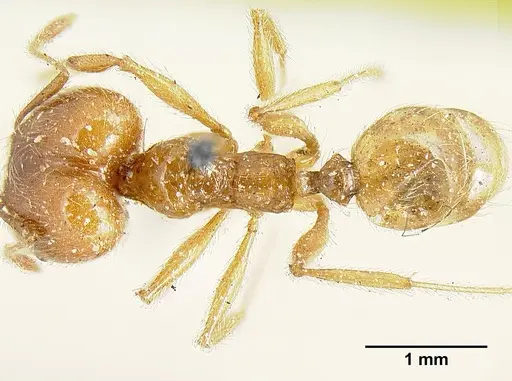
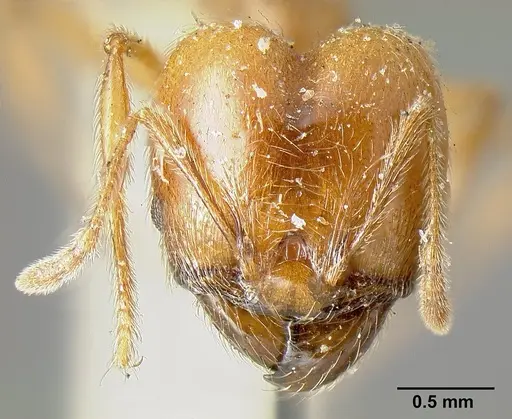
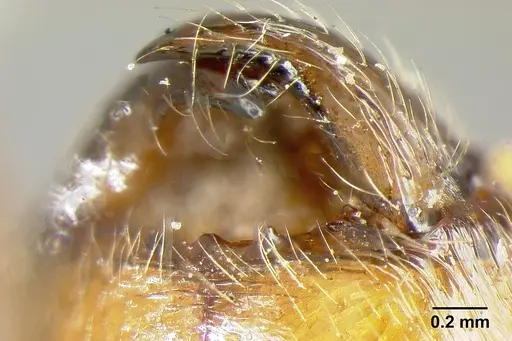
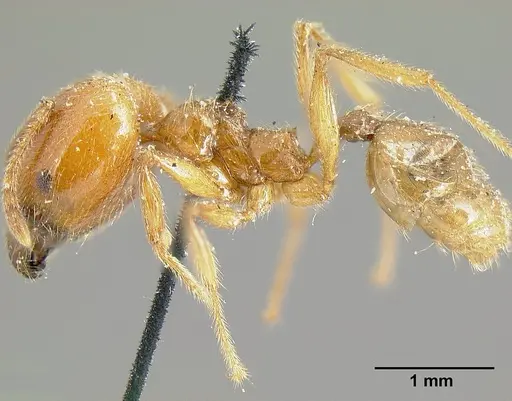
CASENT0601277
Ver no AntWeb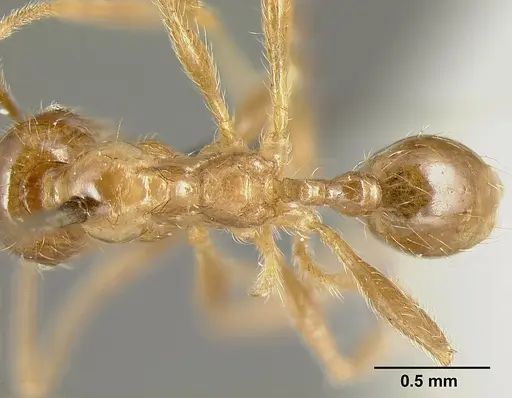
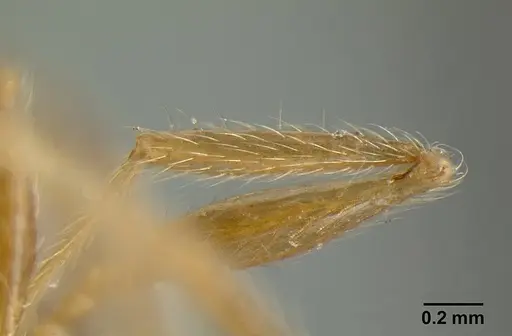
CASENT0901608
Ver no AntWeb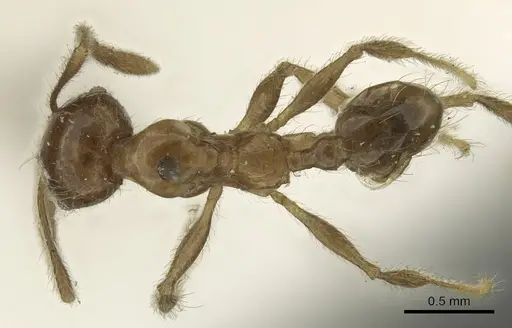
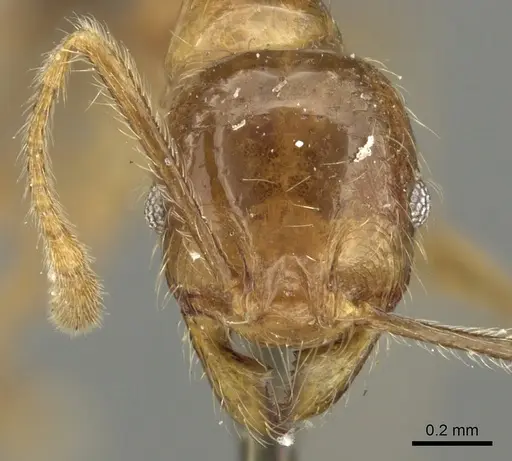
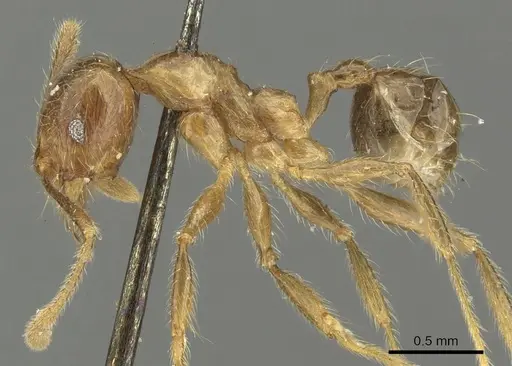
CASENT0901609
Ver no AntWeb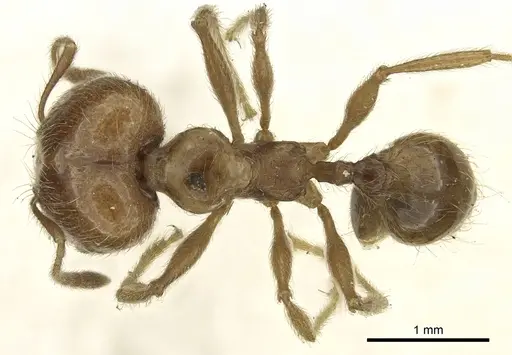
FOCOL1554
Ver no AntWeb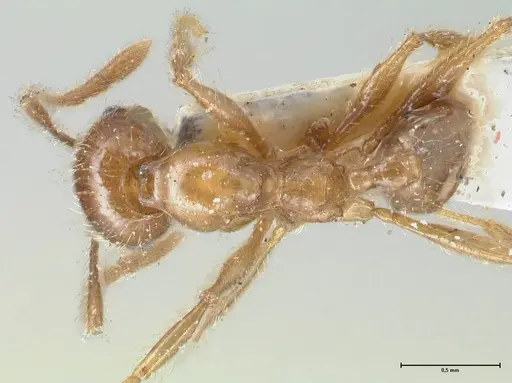
Literatura
Carregando mapa de distribuição...Carregando produtos...