
Pheidole heterothrix
- Nome científico
- Pheidole heterothrix
- Tribo
- Attini
- Subfamília
- Myrmicinae
- Autor
- Santschi, 1923
- Distribuição
- Encontrada em 0 países
Introdução
Pheidole heterothrix is a small ant species native to Argentina, found in provinces including Entre Ríos, La Pampa, Misiones, and Tucumán . It inhabits myrtaceous forest at elevations between 900-1150 meters . The species has a polymorphic worker caste with majors and minors, but specific body size data is unavailable; based on genus patterns, workers are small . Like other Pheidole species, it has distinct major and minor workers, with majors serving as soldiers and minors handling foraging tasks .
Quick Summary
- Difficulty: Medium
- Origin & Habitat: Argentina, in myrtaceous forest at 900-1150m elevation [1][2]
- Colony Type: Unconfirmed, no specific data on queen number
- Size & Growth:
- Queen: Size data unavailable, inferred from Pheidole genus to be small
- Worker: Size data unavailable, inferred from Pheidole genus to be small
- Colony: Unknown, no data on maximum colony size
- Growth: Moderate, inferred from genus patterns
- Development: Estimated 6-8 weeks at warm temperatures, inferred from Pheidole genus [1] (Development time may vary with temperature)
- Antkeeping:
- Temperature: Keep warm, around 22-26°C, based on subtropical range [1]
- Humidity: Moderate humidity, keep nest substrate slightly moist but not waterlogged [1]
- Diapause: No full hibernation required, reduced activity in cooler months [1]
- Nesting: Ground-nesting species, use test tube setups for founding, then Y-tong or plaster nests [1]
- Behavior: Calm and non-aggressive, major workers have stingers but are less medically significant. Escape prevention is critical due to small worker size [1].
- Common Issues: escape prevention is critical, minor workers are very small and can squeeze through standard barriers, overfeeding can lead to mold in test tube setups, remove uneaten food promptly, colonies may decline if kept too cold, maintain warm temperatures year-round, founding colonies are slow to establish, patience is required during the claustral period
Nest Preferences and Setup
Pheidole heterothrix is a ground-nesting ant. For founding colonies, use a test tube setup with a water reservoir [1]. Once established, move to a Y-tong or plaster nest with narrow chambers suited to their small size [1]. Provide an outworld for foraging to allow workers to access food [1].
Feeding and Diet
In the wild, they forage for small insects, seeds, and honeydew [1]. In captivity, offer protein sources like small insects 2-3 times per week and constant access to sugar water or honey water [1]. Remove uneaten food within 24 hours to prevent mold [1].
Temperature and Seasonal Care
Keep temperatures at 22-26°C based on their subtropical range [1]. During cooler months, colonies may show reduced activity, maintain room temperature or slightly lower if needed [1].
Behavior and Colony Dynamics
Workers are calm and non-aggressive [1]. Major workers have stingers but are less medically significant to humans. Colony growth is gradual, with majors handling defense and minors managing foraging and brood care [1].
Growth and Development
Founding behavior is unconfirmed. First workers (nanitics) are estimated to emerge in 6-8 weeks at warm temperatures, based on genus patterns [1]. After emergence, colony growth accelerates as the queen focuses on egg-laying [1].
Frequently Asked Questions
How long does it take for Pheidole heterothrix to have first workers?
Expect first workers to emerge in approximately 6-8 weeks at optimal warm temperatures (24-26°C), based on typical Pheidole development patterns [1]. Patience is essential during founding, do not disturb the queen.
What do Pheidole heterothrix ants eat?
Offer a varied diet including protein sources like small insects 2-3 times per week and constant access to sugar water or honey water [1]. Remove uneaten food promptly to prevent mold.
What temperature do Pheidole heterothrix need?
Keep them warm at 22-26°C, based on their subtropical range [1]. Room temperature is often adequate, or use a heating cable on top of the nest.
Are Pheidole heterothrix good for beginners?
This species is medium difficulty due to escape risk from small worker size [1]. They are calm and do not sting, but founding requires patience.
How big do Pheidole heterothrix colonies get?
Colony size is unknown, as no data on maximum size is available [1]. Based on genus patterns, colonies can grow large over time.
Do Pheidole heterothrix need hibernation?
No full hibernation is required, this subtropical species may have reduced activity in cooler months [1]. Maintain warm temperatures year-round for best results.
When can I move Pheidole heterothrix to a formicarium?
Wait until the colony has several workers, but no specific number is documented [1]. Use a Y-tong or plaster nest with narrow chambers, and ensure the outworld is escape-proof.
Why are my Pheidole heterothrix dying?
Common causes include temperatures below 20°C, mold from overfeeding, dehydration, or escape due to inadequate barriers [1]. Check conditions and adjust as needed.
Can I keep multiple Pheidole heterothrix queens together?
No data on polygyny exists for this species [1]. It is recommended to start with a single queen to avoid conflicts.
Report an Issue
The current care sheet is based fully on literature. See inconsistencies, or something that's incorrect? Please , it will be resolved after review from an admin. Contributing to the blogs tab also helps providing information, to make us be able to further improve the caresheets. Thank you for your support!
References

Este guia de cuidados está sob a licença CC BY-SA 4.0 .
Posts da comunidade
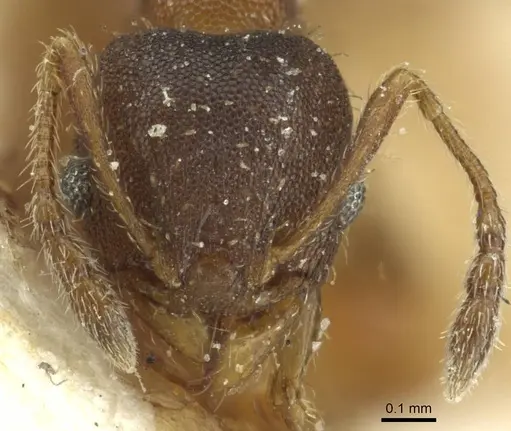
CASENT0913375
Ver no AntWeb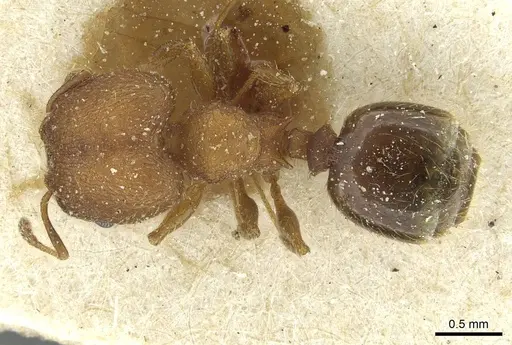
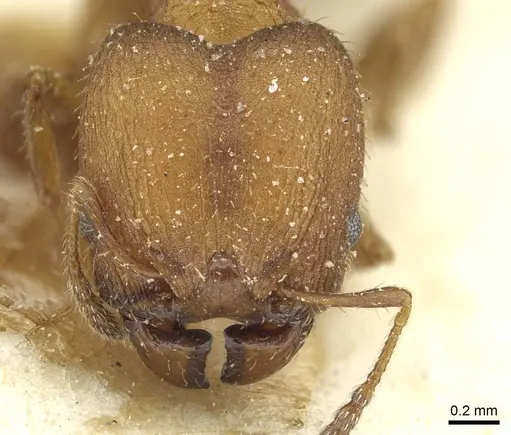
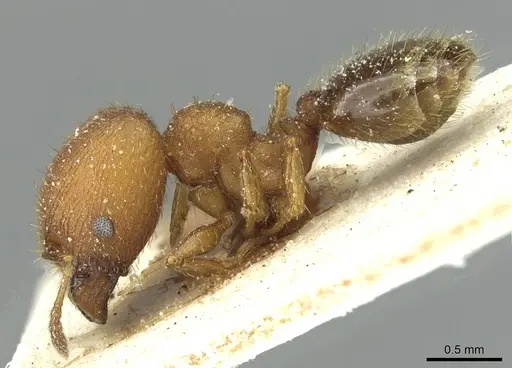
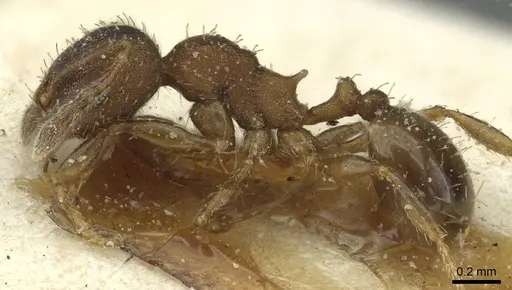
CASENT0913376
Ver no AntWeb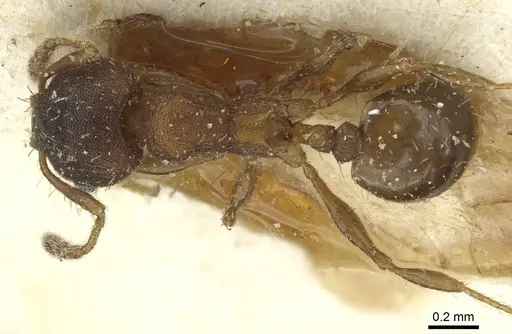
Literatura
Carregando mapa de distribuição...Carregando produtos...