
Pheidole hazo
- Nome científico
- Pheidole hazo
- Tribo
- Attini
- Subfamília
- Myrmicinae
- Autor
- Salata & Fisher, 2020
- Distribuição
- Encontrada em 1 países
Introdução
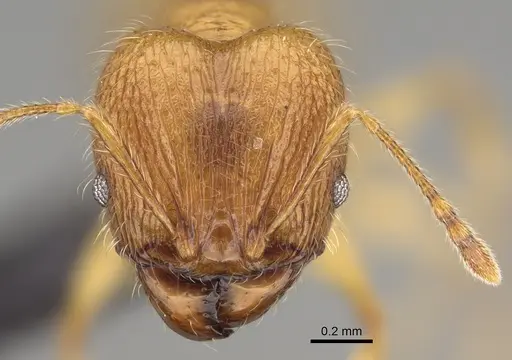
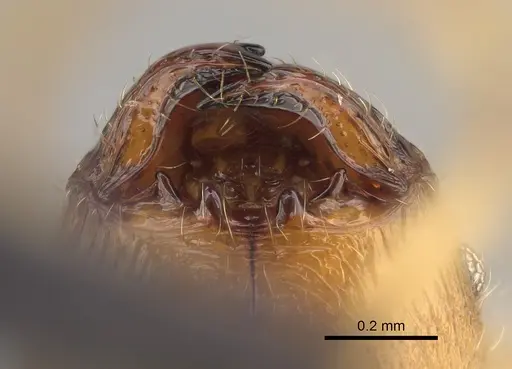
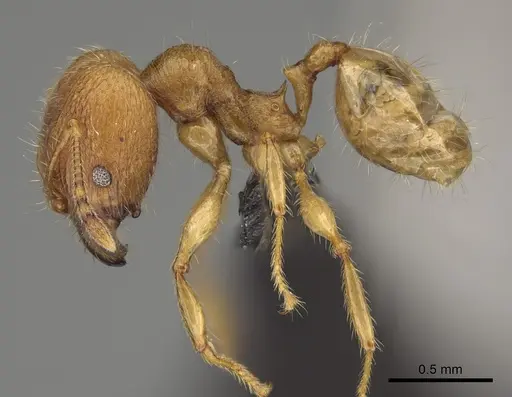
Pheidole hazo is a species from the montane rainforest of Madagascar, found at approximately 1300 meters elevation . It nests in dead branches above ground . The species is part of the Pheidole sikorae group and is described as moderately large for this group, but specific body size data is unavailable . The name 'hazo' means tree in Malagasy, reflecting its arboreal nesting habits .
Quick Summary
- Difficulty: Medium
- Origin & Habitat: Endemic to central Madagascar (Antananarivo region), found in montane rainforest at 1300 meters elevation [1].
- Colony Type: Based on Pheidole genus patterns, likely monogyne (single queen), but unconfirmed for this species [1].
- Size & Growth:
- Queen: Size data unavailable [1].
- Worker: Size data unavailable [1].
- Colony: Unknown, no specific data available [1].
- Growth: Moderate, typical for Pheidole species.
- Development: Estimated 6-8 weeks based on genus patterns, but unconfirmed for this species [1]. (Development time is inferred from typical Pheidole patterns, species-specific timing has not been studied.)
- Antkeeping:
- Temperature: Keep cooler due to montane habitat, suggest 20-24°C with a gradient to allow workers to regulate temperature [1].
- Humidity: Montane rainforest conditions, keep substrate consistently moist but not waterlogged [1].
- Diapause: Unknown, no specific data on diapause requirements [1].
- Nesting: Arboreal nesting in dead branches, in captivity, use test tubes for founding or nests with vertical space and climbing structures [1][2].
- Behavior: Typical Pheidole behavior, active foragers that recruit nestmates to food. Majors can deliver a mild sting if threatened. Escape risk is moderate due to small size, use standard barrier methods.
- Common Issues: humidity control is critical, too dry can cause colony failure, arboreal nature requires climbing structures and vertical space in nests, newly described species means limited captive breeding information, wild-caught colonies may have higher failure rates, small size means escape risk, ensure barriers are effective
Nest Preferences and Housing
Pheidole hazo is an arboreal species that naturally nests in dead branches above ground in montane rainforest [1]. In captivity, use test tubes with a water reservoir for founding colonies, or Y-tong, plaster, or 3D-printed nests for established colonies. Provide vertical space and climbing structures, and keep nest material consistently moist but not waterlogged [1][2].
Feeding and Diet
Pheidole hazo is a generalist omnivore. Offer protein sources like small insects 2-3 times per week, and sugar sources like honey water constantly. Remove uneaten prey after 24-48 hours to prevent mold [1].
Temperature and Seasonal Care
This species comes from a cooler montane habitat, so keep temperatures around 20-24°C with a gradient. Avoid temperatures above 28°C. Diapause requirements are unknown, but a cooler period may be beneficial [1].
Colony Development and Growth
Specific development timelines are not documented. Based on genus patterns, expect 6-8 weeks from egg to first worker at optimal temperature. Founding behavior is unconfirmed, but queens likely seal themselves in during claustral founding. Growth is moderate, with major workers appearing as colony size increases [1].
Behavior and Temperament
Workers are active foragers that use chemical trails. Majors have enlarged heads for defense and can sting if handled roughly. Escape risk is moderate due to small size, use Fluon or fine mesh barriers [1].
Frequently Asked Questions
How long does it take for Pheidole hazo to produce first workers?
Based on typical Pheidole development, expect 6-8 weeks from egg to first worker at optimal temperature, but this is unconfirmed for this species [1].
What do Pheidole hazo ants eat?
They are generalist omnivores. Offer protein like small insects 2-3 times per week and sugar sources constantly [1].
What temperature do Pheidole hazo ants need?
Keep them at 20-24°C with a gradient, as they come from a cooler montane habitat [1].
Do Pheidole hazo ants need hibernation?
Diapause requirements are unknown for this species [1].
What size colony does Pheidole hazo reach?
Colony size is unknown, as no specific data is available [1].
Can I keep multiple Pheidole hazo queens together?
Pheidole species are typically monogyne, so combining queens is not recommended. Only keep one queen per colony.
Are Pheidole hazo ants good for beginners?
This species is rated medium difficulty due to specific humidity and temperature needs, and limited captive breeding information [1].
What type of nest is best for Pheidole hazo?
Use test tubes for founding or nests with vertical space for established colonies, reflecting their arboreal nature [1][2].
Where is Pheidole hazo from?
It is endemic to central Madagascar, found in montane rainforest at 1300 meters elevation [1].
Report an Issue
The current care sheet is based fully on literature. See inconsistencies, or something that's incorrect? Please , it will be resolved after review from an admin. Contributing to the blogs tab also helps providing information, to make us be able to further improve the caresheets. Thank you for your support!
References

Este guia de cuidados está sob a licença CC BY-SA 4.0 .
Posts da comunidade
CASENT0427762
Ver no AntWeb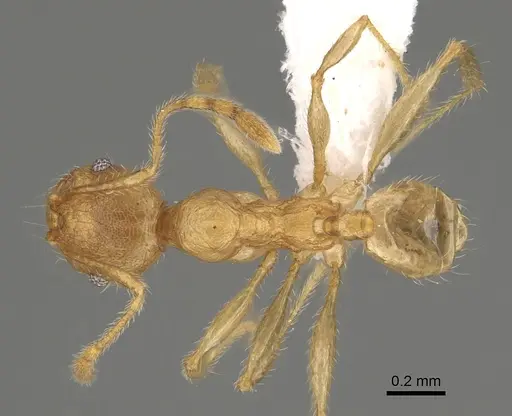
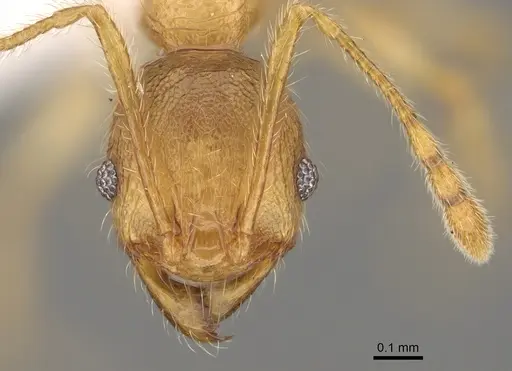
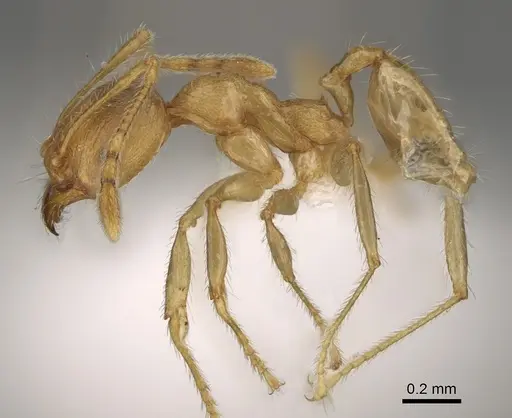
CASENT0427790
Ver no AntWeb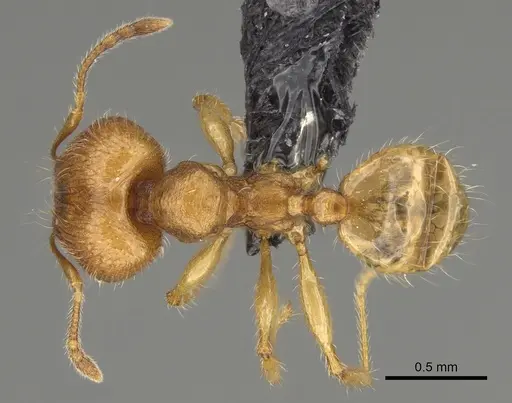
Literatura
Carregando mapa de distribuição...Carregando produtos...