
Pheidole gracilis
- Nome científico
- Pheidole gracilis
- Tribo
- Attini
- Subfamília
- Myrmicinae
- Autor
- Salata & Fisher, 2020
- Distribuição
- Encontrada em 1 países
Introdução
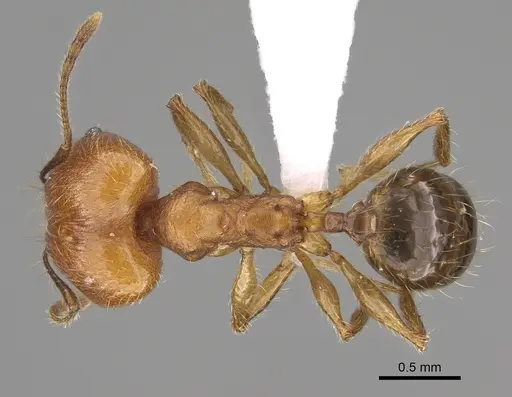
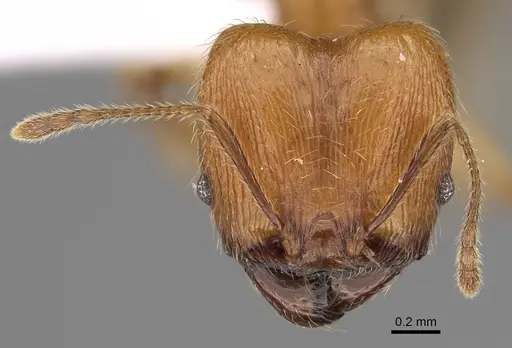
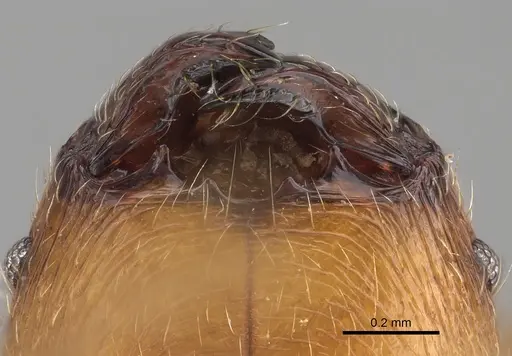
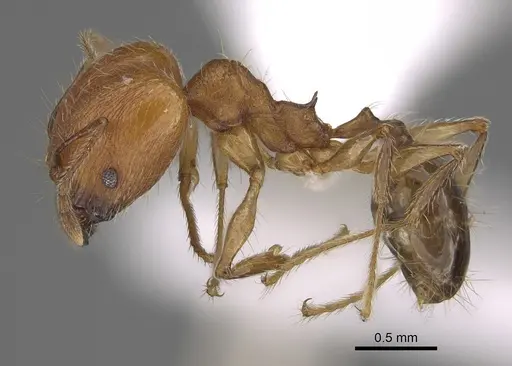
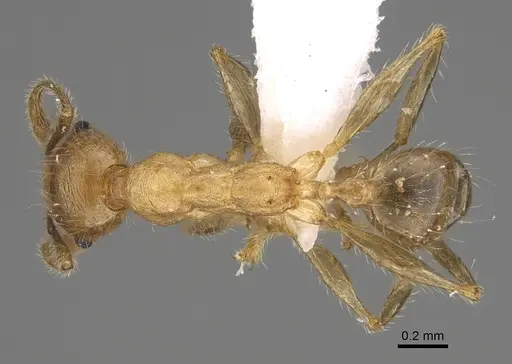
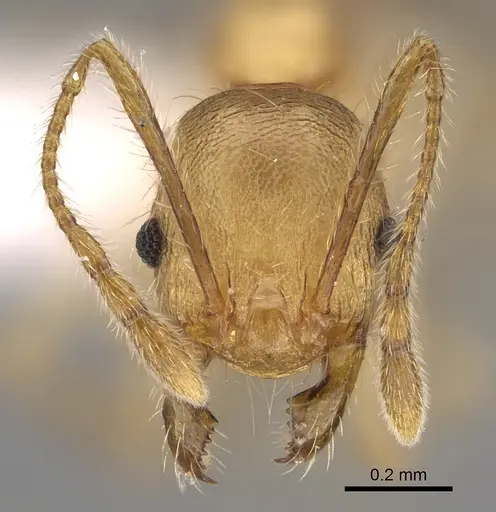
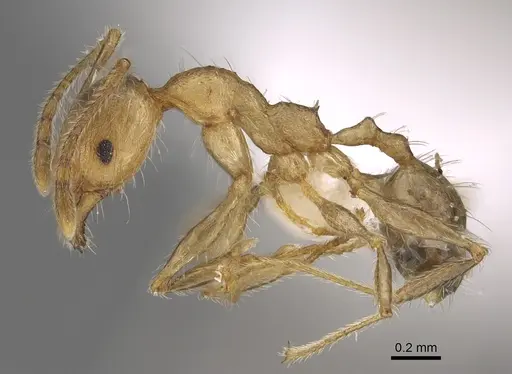
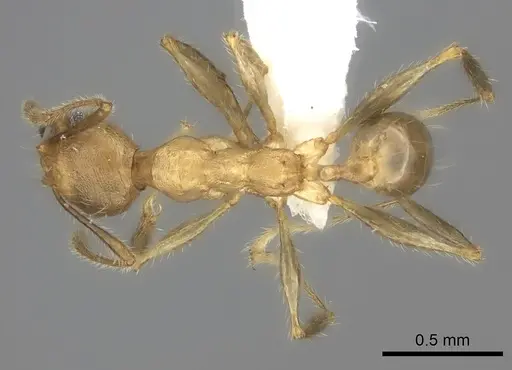
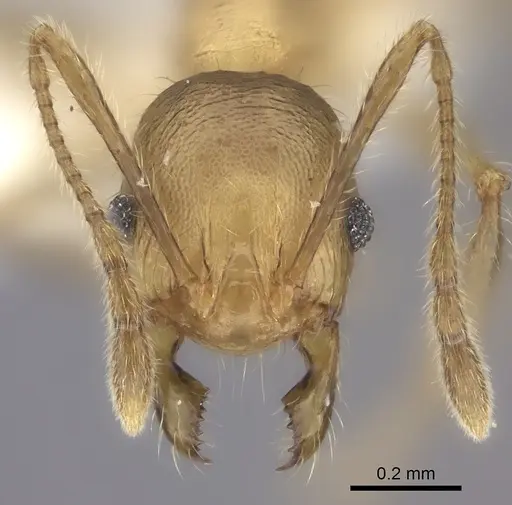
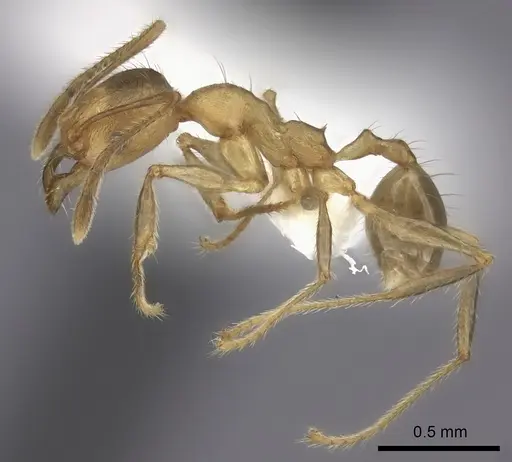
Pheidole gracilis is a moderately large ant species from northern Madagascar, known only from Parc National Montagne d'Ambre. It belongs to the Pheidole sikorae species group, which is defined by major workers having smooth occipital lobes and reduced head sculpture. Major workers have a head length of about 1.2-1.3 mm, suggesting a total body length of roughly 4-6 mm (inferred from Pheidole proportions). Minor workers are smaller, with a head length of about 0.65-0.71 mm. The body is yellowish orange in majors and yellow to orange in minors. This species was only described in 2020,making it a recent addition to the ant world . This ant nests in dead branches above ground in montane rainforest at 1300 m elevation. The species name 'gracilis' means slender in Latin, referring to the fine body sculpture. It is most similar to Pheidole litigiosa and Pheidole masoandro, but can be told apart by its more developed head sculpture and foveolate promesonotum .
Quick Summary
- Difficulty: Expert
- Origin & Habitat: Endemic to northern Madagascar: Parc National Montagne d'Ambre. Found only in montane rainforest at 1300 m elevation. Nests in dead branches above ground (arboreal) [1].
- Colony Type: Colony structure is unconfirmed. Based on typical Pheidole patterns, they likely form single-queen colonies (monogyne), but this has not been documented for this species.
- Size & Growth:
- Queen: Undescribed, size data unavailable
- Worker: Major: ~4-6 mm (inferred from Pheidole genus), Minor: ~2-3 mm (inferred from Pheidole genus) [1]
- Colony: Unknown, likely hundreds to low thousands based on genus patterns
- Growth: Estimated moderate
- Development: Estimated 6-10 weeks based on typical Pheidole development under optimal conditions (Development timeline not directly studied, estimates based on genus-level data for tropical Pheidole.)
- Antkeeping:
- Temperature: Montane rainforest origin (1300 m) suggests cooler temperatures than lowland tropical ants. Keep at 18-24°C, ideally 20-22°C. Avoid temperatures above 26°C. Room temperature is usually suitable [1].
- Humidity: Moderate to high humidity (60-80%) is recommended. Keep the nest substrate consistently moist but not waterlogged. Provide a humidity gradient so the ants can choose their preferred level.
- Diapause: Unknown. As a tropical montane species, it may not require true hibernation but could show reduced activity during cooler periods. Monitor colony behavior and do not force diapause.
- Nesting: In nature, they nest in dead branches above ground. Provide elevated nesting options: Y-tong (AAC) nests with cork or wood inserts, plaster nests, or 3D-printed nests. Avoid deep soil setups or test tubes buried horizontally. The nest should be above the substrate level.
- Behavior: Dimorphic: minor workers handle foraging and brood care, major workers process seeds and defend the colony. They are not particularly aggressive toward keepers, but majors can nip if threatened. Escape risk is moderate due to small size, use standard barrier methods like fluon. As an arboreal species, they prefer climbing structures in the outworld.
- Common Issues: extremely rare in the hobby, described only in 2020 and endemic to a protected national park, no established captive breeding lines, arboreal nesting means standard test tube setups may be unsuitable, provide elevated nesting with branches or cork, montane origin implies temperature sensitivity, avoid overheating (above 26°C), illegal to collect wild queens without permits from Madagascar, check local regulations before acquiring, unknown founding behavior and colony structure, keepers must rely on assumptions from genus patterns
Nest Preferences and Housing
Pheidole gracilis naturally nests in dead branches above ground in montane rainforest [1]. To replicate this in captivity, provide elevated nesting options. Use Y-tong (AAC) nests with cork or wood inserts, plaster nests, or 3D-printed nests with vertical climbing surfaces. Avoid deep soil setups or test tubes buried horizontally, these ants prefer nesting above the substrate level.
The outworld should include climbing structures like branches, cork bark, or mesh. Keep the nest chamber moderately humid (substrate moist but not saturated). A water reservoir in the nest setup helps maintain stable humidity.
Feeding and Diet
While specific feeding habits for Pheidole gracilis have not been studied, you can offer a varied diet similar to other Pheidole species. Provide protein sources like fruit flies, pinhead crickets, and small mealworms. Offer seeds such as grass seeds, millet, and sunflower seeds, majors can process these with their larger mandibles. Sugar water or honey water can be given occasionally, but Pheidole tend to rely more on seed-based carbohydrates.
Feed small amounts 2-3 times per week and remove uneaten food to prevent mold. The colony will develop majors once it reaches a certain size, allowing them to handle larger food items.
Temperature and Environmental Conditions
Because this species lives in montane rainforest at 1300 m elevation, it prefers cooler conditions than lowland tropical ants [1]. Keep the temperature between 18-24°C, with 20-22°C ideal. Avoid temperatures above 26°C. Room temperature is often suitable.
Humidity should be moderate to high (60-80%). Use a moisture gradient in the nest so the ants can self-regulate. Monitor substrate dampness regularly.
Colony Establishment and Growth
Pheidole gracilis is extremely rare in the hobby. It was only described in 2020 and is endemic to Parc National Montagne d'Ambre, a protected area. Collecting wild queens from Madagascar is illegal without permits. If you obtain a colony, expect slow initial growth. Based on typical Pheidole, the first workers appear 6-10 weeks after the queen starts laying, assuming claustral founding (though unconfirmed). Majors usually emerge once the colony has several dozen workers.
Colony size likely reaches hundreds to low thousands over several years, but this is an estimate. Patience is key. [1]
Behavior and Temperament
Pheidole gracilis has a typical Pheidole caste system: minor workers forage and care for brood, while major workers (soldiers) process seeds and defend the nest. They are not aggressive toward keepers but will defend if disturbed. Majors have strong mandibles and can give a painful nip, but they pose no real danger to humans.
Because minors are very small, escape prevention is important. Use fluon or similar barriers on container rims. As an arboreal species, they will spend more time climbing than walking on the ground. Activity peaks at warmer temperatures within their preferred range. [1]
Frequently Asked Questions
How long does it take for Pheidole gracilis to produce first workers?
The exact timeline is unconfirmed, but based on typical Pheidole development, expect 6-10 weeks from egg to first worker at optimal temperature (20-22°C). This requires patience during the founding stage.
What is the best nest type for Pheidole gracilis?
This ant naturally nests in dead branches above ground. Use Y-tong nests with cork or wood inserts, plaster nests, or 3D-printed nests that offer elevated chambers. Avoid deep soil or buried test tubes.
Do Pheidole gracilis ants need hibernation?
Diapause requirements are unknown. As a tropical montane species from 1300 m elevation, they may not need true hibernation but might slow down in cooler periods. Monitor your colony and do not force hibernation if they remain active.
What do Pheidole gracilis eat?
Offer small insects (fruit flies, pinhead crickets, mealworms) for protein and seeds (grass seeds, millet) for carbohydrates. They are generalist foragers. Remove uneaten food to prevent mold.
Are Pheidole gracilis good for beginners?
No. This species is extremely rare, not established in captivity, and requires specific arboreal nesting and cool montane conditions. It is not suitable for beginners.
How big do Pheidole gracilis colonies get?
Colony size is not documented. Based on typical Pheidole, they likely reach hundreds to low thousands of workers over several years. The first majors appear when the colony has several dozen workers.
Can I keep multiple queens together?
Colony structure is unconfirmed. Based on typical Pheidole behavior, they likely form single-queen colonies (monogyne). Do not combine unrelated queens without evidence of pleometrosis.
Where is Pheidole gracilis found in the wild?
It is endemic to northern Madagascar, specifically Parc National Montagne d'Ambre, in montane rainforest at about 1300 m elevation. Nests are found in dead branches above ground [1].
Why is Pheidole gracilis so hard to find for sale?
This species was only described in 2020 and is endemic to a protected national park. It has not been established in the antkeeping hobby and is unlikely to be available from commercial breeders. Most interest must await future captive breeding efforts.
Report an Issue
The current care sheet is based fully on literature. See inconsistencies, or something that's incorrect? Please , it will be resolved after review from an admin. Contributing to the blogs tab also helps providing information, to make us be able to further improve the caresheets. Thank you for your support!
References

Este guia de cuidados está sob a licença CC BY-SA 4.0 .
Posts da comunidade
Literatura
Carregando mapa de distribuição...Carregando produtos...