
Pheidole goeldii
- Nome científico
- Pheidole goeldii
- Tribo
- Attini
- Subfamília
- Myrmicinae
- Autor
- Forel, 1895
- Distribuição
- Encontrada em 1 países
Introdução
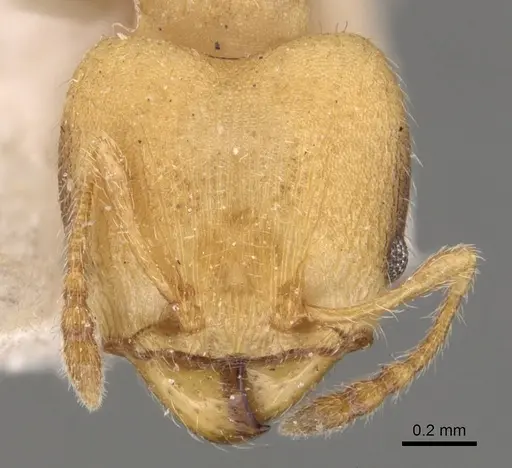
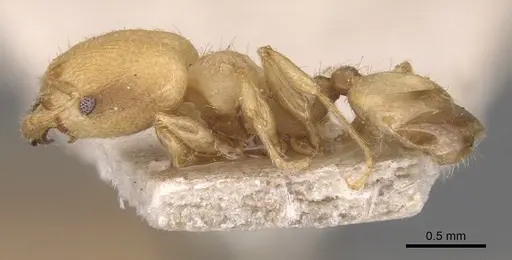
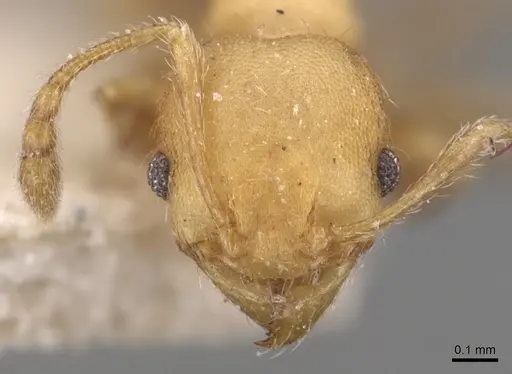
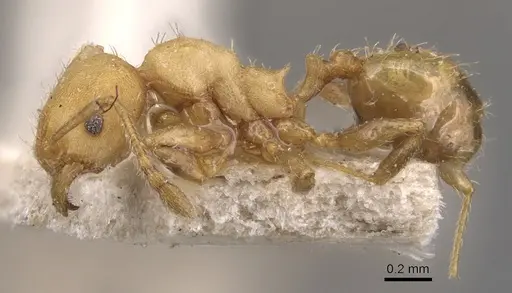
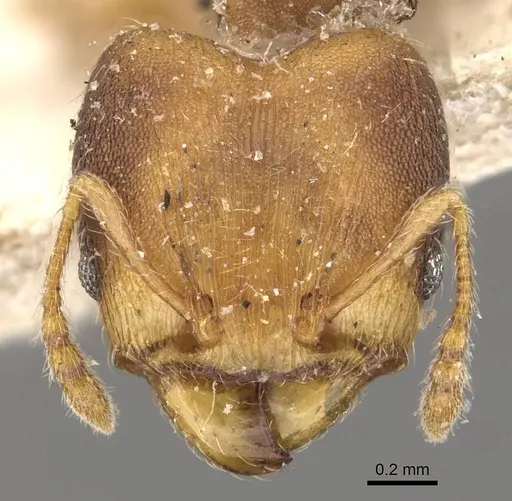
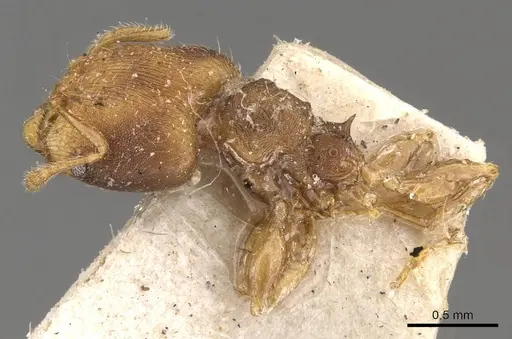
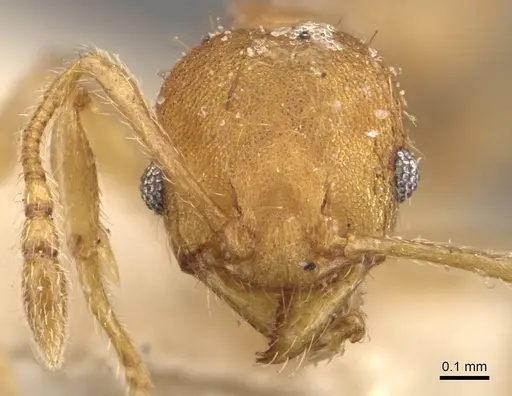
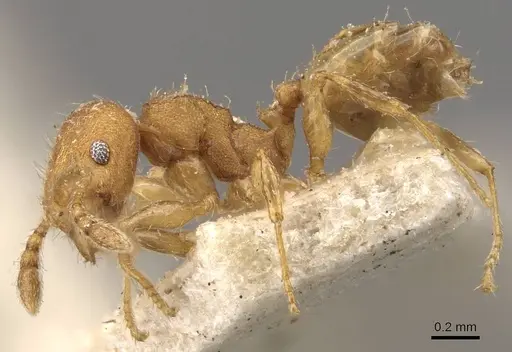
Pheidole goeldii is a small ant species native to southeastern Brazil, specifically the type locality in Colonia Alpina, Terasópolis, Rio de Janeiro . It belongs to the flavens group within the genus Pheidole, characterized by major workers with enlarged heads . Body size is unknown, but head measurements are documented for major and minor workers . Both castes are concolorous yellow . This species is poorly studied, known only from type specimens, and nothing is known about its biology .
Quick Summary
- Difficulty: Hard
- Origin & Habitat: Southeastern Brazil, type locality Colonia Alpina, Terasópolis, Rio de Janeiro [1].
- Colony Type: Unconfirmed, no colony data exists for this species.
- Size & Growth:
- Queen: Size data unavailable, no queen specimens described.
- Worker: Size data unavailable, head measurements exist but body length is not documented [1].
- Colony: Unknown, no colony size data exists.
- Growth: Unknown
- Development: Unknown, no development data exists. (No specific timeline available.)
- Antkeeping:
- Temperature: Aim for warm conditions around 24-28°C based on Brazilian origin, but no species-specific data exists [1].
- Humidity: Provide moderate to high humidity based on Neotropical habitat, but no specific data [1].
- Diapause: Unknown, tropical species may not require diapause, but no data exists.
- Nesting: No specific nesting data. Based on typical Pheidole, use test tubes or plaster nests [2].
- Behavior: Pheidole species are generally non-aggressive, but no species-specific behavior is documented. Workers are small, so escape prevention is crucial.
- Common Issues: no biological data exists, unexpected issues may arise, small size makes escapes likely, use fine mesh barriers, wild colonies may be difficult to obtain due to rarity
Species Overview and Identification
Pheidole goeldii is a member of the flavens group, described in 1895 based on specimens from Brazil [1]. Major workers have enlarged heads and are yellow, while minor workers are smaller and also yellow [1]. Body size is unknown, but head measurements are available [1]. The species is only known from type specimens, making it poorly studied [2].
Natural Habitat and Distribution
Pheidole goeldii is known only from the type locality in southeastern Brazil [1]. No specific habitat preferences are documented, but the region is part of the Atlantic Forest [1].
Housing and Nesting
No specific nesting data exists for this species. Based on typical Pheidole, use test tube setups for founding colonies or plaster nests for established colonies [2]. Ensure tight-fitting lids and fine mesh barriers due to small worker size.
Feeding and Diet
No specific dietary data exists for Pheidole goeldii. Based on typical Pheidole behavior, offer varied diet including protein sources and seeds, but no species-specific information is available [2].
Temperature and Humidity Requirements
No species-specific data exists. Aim for warm conditions around 24-28°C and moderate to high humidity based on Brazilian origin, but this is inferred from habitat [1].
Colony Development and Growth
No development data exists for this species. Founding behavior is unconfirmed, and colony growth is unknown [2].
Behavior and Temperament
Pheidole species are generally non-aggressive, but no species-specific behavior is documented. Workers are small, so escape prevention is essential [2].
Frequently Asked Questions
How long does it take for Pheidole goeldii to raise first workers?
Unknown, no development data exists for this species [2].
What do Pheidole goeldii ants eat?
No specific dietary data exists. Based on typical Pheidole, offer varied diet, but no species-specific information is available [2].
Can I keep Pheidole goeldii in a test tube setup?
Yes, test tubes work for founding colonies based on typical Pheidole husbandry [2].
What temperature do Pheidole goeldii need?
Aim for warm conditions around 24-28°C based on Brazilian origin, but no species-specific data exists [1].
How big do Pheidole goeldii colonies get?
Colony size is unknown, no data exists [2].
Does Pheidole goeldii need hibernation?
Unknown, tropical species may not require diapause, but no data exists [2].
Are Pheidole goeldii good for beginners?
Difficulty is hard due to lack of data and rarity, so not recommended for beginners [2].
Why is so little known about Pheidole goeldii?
This species is only known from type specimens, and nothing is known about its biology [1][2].
Where can I get a Pheidole goeldii colony?
This species is extremely rare and may not be available in captivity [2].
Report an Issue
The current care sheet is based fully on literature. See inconsistencies, or something that's incorrect? Please , it will be resolved after review from an admin. Contributing to the blogs tab also helps providing information, to make us be able to further improve the caresheets. Thank you for your support!
References

Este guia de cuidados está sob a licença CC BY-SA 4.0 .
Posts da comunidade
CASENT0904418
Ver no AntWeb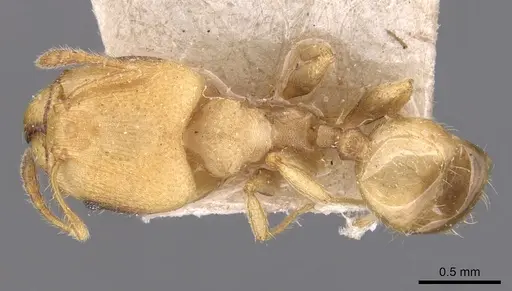
CASENT0904419
Ver no AntWeb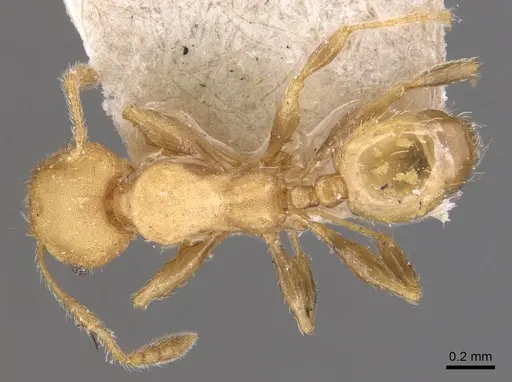
CASENT0908283
Ver no AntWeb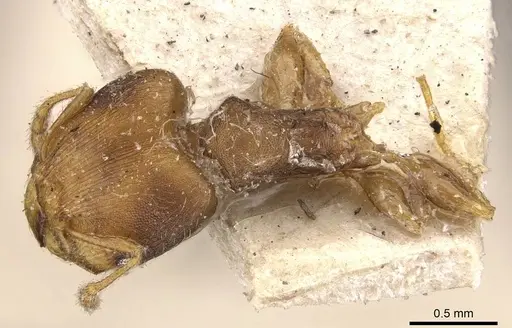
CASENT0908284
Ver no AntWeb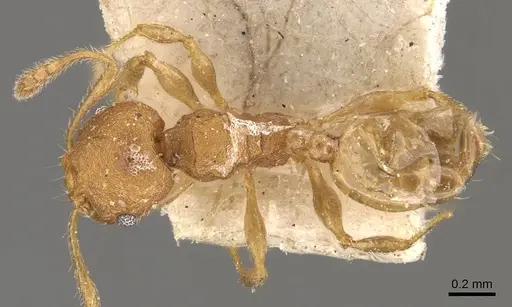
Literatura
Carregando mapa de distribuição...Carregando produtos...