
Pheidole gilva
- Nome científico
- Pheidole gilva
- Tribo
- Attini
- Subfamília
- Myrmicinae
- Autor
- Wilson, 2003
- Distribuição
- Encontrada em 1 países
Introdução
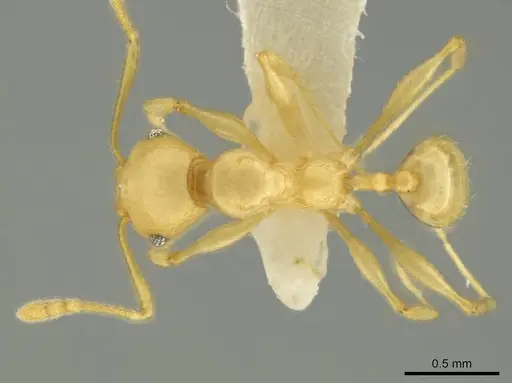
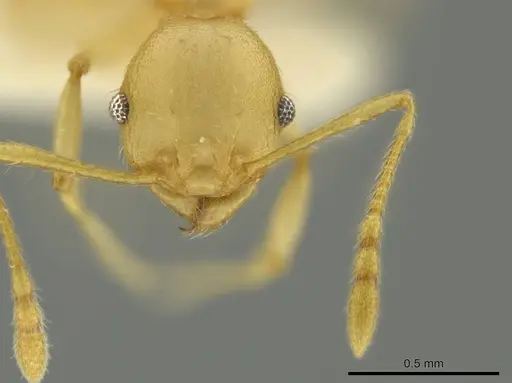
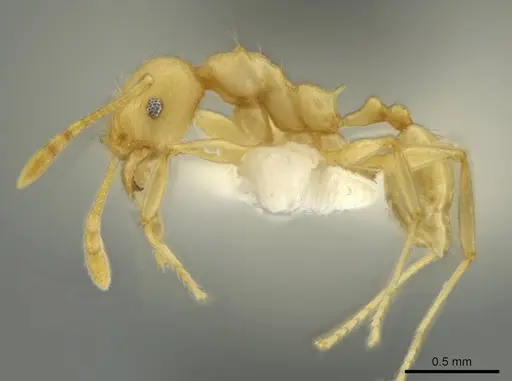
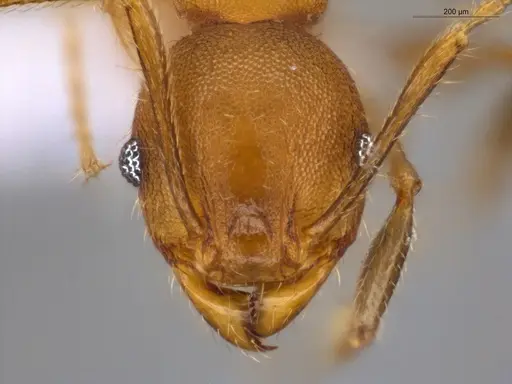
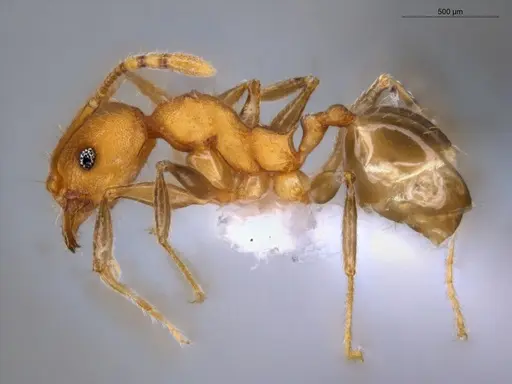
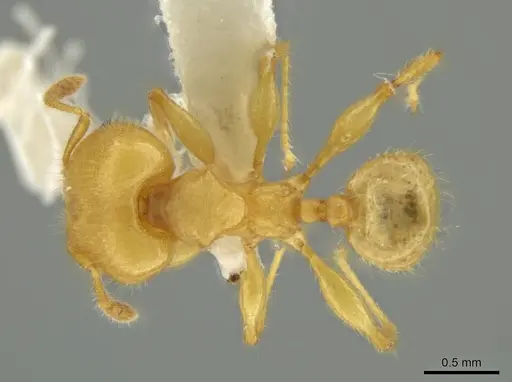
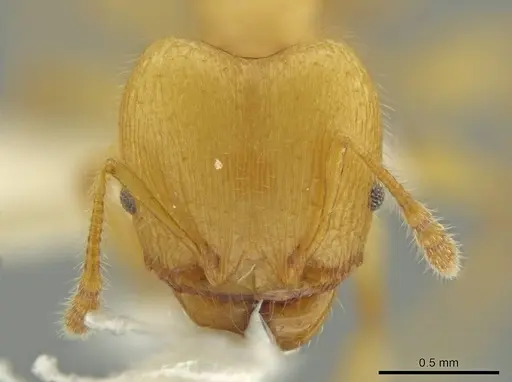
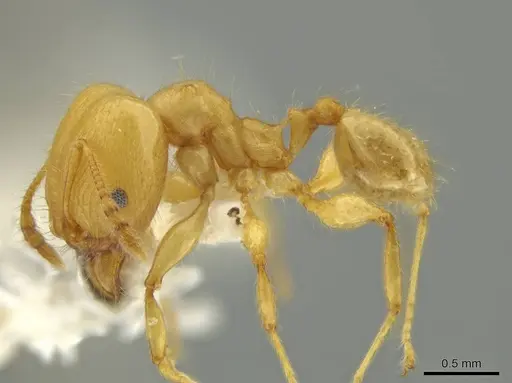
Pheidole gilva is a small tropical ant from the Amazon basin, with yellow major and minor workers. Size data is unavailable as no total length measurements are provided. It is known from Peru, Brazil, Ecuador, and French Guiana, inhabiting mature terra firme rainforest where it nests in dead branches about 3 meters above ground . The species is arboreal, foraging in the canopy rather than on the ground, which is unusual for Pheidole species that typically ground-forage .
Quick Summary
- Difficulty: Hard
- Origin & Habitat: Amazon basin in South America (Peru, Brazil, Ecuador, French Guiana). Found in mature terra firme rainforest, nesting in dead branches 3 meters above ground [1].
- Colony Type: Unconfirmed, no specific data on queen number or social structure.
- Size & Growth:
- Queen: size data unavailable
- Worker: size data unavailable
- Colony: Unknown
- Growth: Unknown
- Development: Unknown, no data available (Development timeline has not been studied for this species.)
- Antkeeping:
- Temperature: Based on tropical rainforest origin, aim for warm temperatures around 24-28°C with a gradient.
- Humidity: Keep moderately humid, similar to rainforest conditions. Provide a humidity gradient with drier nest areas.
- Diapause: No, tropical species do not require hibernation.
- Nesting: Prefer arboreal setups. Use Y-tong or plaster nests with narrow chambers. Avoid wet substrates [1].
- Behavior: Temperament is poorly documented. Escape risk is high due to small minor worker size. Use tight-fitting barriers and fluon to prevent escapes.
- Common Issues: escape prevention critical due to small minor worker size, limited species-specific data requires careful observation and adaptation, no confirmed diet preferences, offer varied diet and observe
Nest Preferences and Housing
Pheidole gilva nests naturally in dead branches in the rainforest canopy, about 3 meters above ground [1]. This arboreal lifestyle suggests they prefer drier nest conditions than ground-nesting Pheidole species. For captivity, use Y-tong or plaster nests with narrow chambers to mimic their natural habitat. Avoid overly wet substrates or test tube setups that accumulate condensation. Given their small size, ensure your formicarium has tight-fitting connections and consider using fluon on rim edges to prevent escapes.
Feeding and Diet
As members of the tribe Attini, Pheidole species are typically seed-harvesters that supplement their diet with protein. This species has been found in canopy fogging samples, suggesting they may forage in the upper canopy for honeydew and small arthropods [2]. For captivity, offer a varied diet: seeds for majors to crack, protein sources like small insects, and occasional sugar water. Start with small offerings and observe what they accept.
Temperature and Humidity
Being a tropical Amazonian species, Pheidole gilva requires warm, stable temperatures. Aim for 24-28°C in the nest area, with a slight gradient allowing workers to self-regulate. For humidity, keep the nest moderately humid but avoid saturated conditions, provide a water tube for drinking access.
Behavior and Colony Dynamics
Pheidole species are known for polymorphism with large major workers and smaller minor workers. The major workers of P. gilva have distinctive features described in the species description [1]. Colonies likely develop slowly at first, then accelerate once workers emerge. No specific aggression data exists, but escape prevention is critical due to small minor size [2][1].
Frequently Asked Questions
How long does it take for Pheidole gilva to produce first workers?
The exact development timeline is unknown, this species has not been studied in captivity. No data is available on egg-to-worker duration.
What do Pheidole gilva ants eat?
While not directly studied, assume a typical Pheidole diet. Offer seeds, protein sources like insects, and sugar water. Canopy collection data suggests they may favor honeydew and small arthropods [2].
Can I keep Pheidole gilva in a test tube setup?
A test tube setup may work for founding, but their canopy origin suggests they prefer drier conditions. Consider transitioning to a Y-tong or plaster nest once the colony grows. Ensure excellent escape prevention regardless of nest type [1].
Are Pheidole gilva good for beginners?
This species is not recommended for beginners due to limited data. Care must be largely inferred from genus patterns. Experienced keepers may find it interesting, but be prepared to adapt based on colony behavior.
Do Pheidole gilva need hibernation?
No, as a tropical Amazonian species, they do not require hibernation. Keep temperatures stable year-round.
How big do Pheidole gilva colonies get?
Colony size is unknown, no data exists on maximum colony size for this species.
Why is so little known about Pheidole gilva?
This species is only known from type specimens collected in the 1990s. It appears to be rare or locally distributed in the Amazon canopy, making it difficult to study [1].
Report an Issue
The current care sheet is based fully on literature. See inconsistencies, or something that's incorrect? Please , it will be resolved after review from an admin. Contributing to the blogs tab also helps providing information, to make us be able to further improve the caresheets. Thank you for your support!
References

Este guia de cuidados está sob a licença CC BY-SA 4.0 .
Posts da comunidade
Literatura
Carregando mapa de distribuição...Carregando produtos...