
Pheidole diakritos
- Nome científico
- Pheidole diakritos
- Tribo
- Attini
- Subfamília
- Myrmicinae
- Autor
- Salata & Fisher, 2020
- Distribuição
- Encontrada em 1 países
Introdução
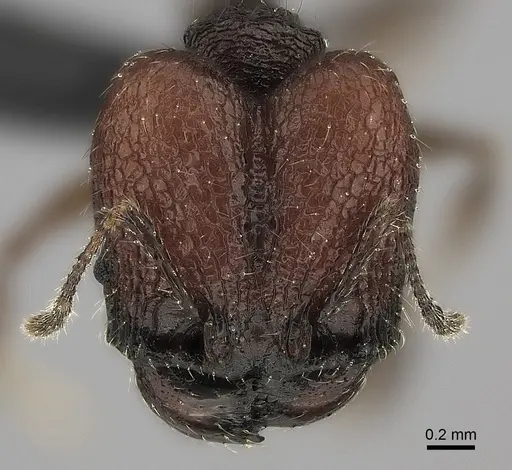
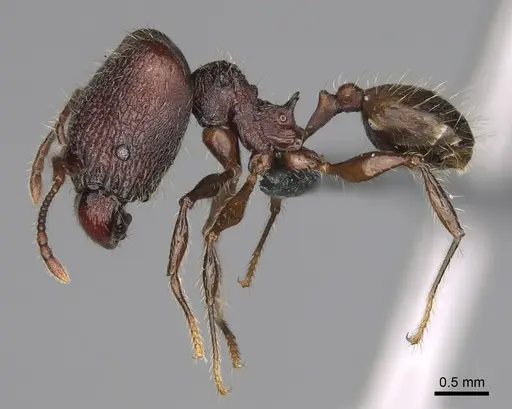
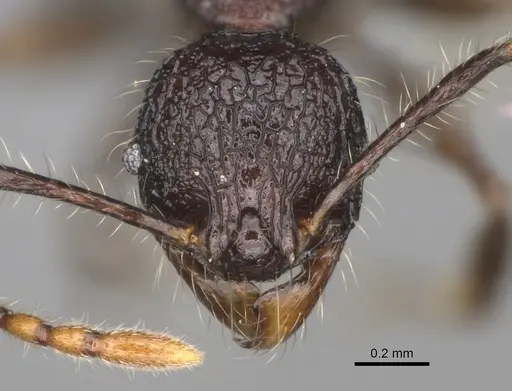
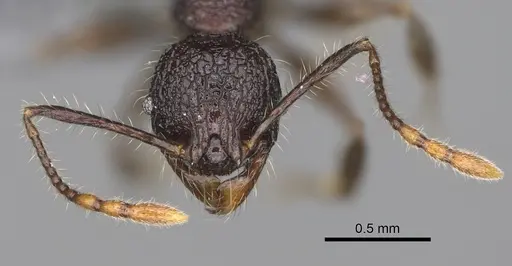
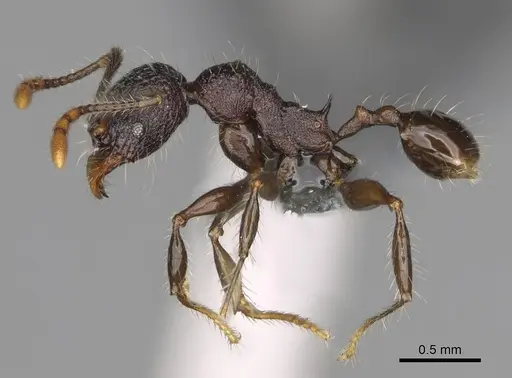
Pheidole diakritos is a big-headed ant species from Madagascar, described in 2020. It stands alone in its species group, marked by deep antennal sockets and distinct lobe-like frontal lobes. The name diakritos means distinct in Greek, referencing these unique features. Major workers carry the genus signature enlarged heads, while minor workers are much smaller. Both castes are dark brown and unicolourous. You will find this species in rainforest and montane rainforest habitats across eastern Madagascar, specifically in the Toamasina region around Ankerana. They live at elevations between 360 and 865 meters .
Quick Summary
- Difficulty: Medium
- Origin & Habitat: Eastern Madagascar, Toamasina region. Found in rainforest and montane rainforest at 360-865 meters elevation [1][2].
- Colony Type: Colony structure is unconfirmed. Based on typical Pheidole patterns, colonies are likely single-queen (monogyne).
- Size & Growth:
- Queen: size data unavailable
- Worker: size unknown, inferred from Pheidole genus (~5-7mm for majors, ~2-3mm for minors)
- Colony: up to a few thousand workers [1][2]
- Growth: Moderate
- Development: Estimated 6-8 weeks at optimal temperature [2] (Development time is inferred from related Pheidole species.)
- Antkeeping:
- Temperature: Aim for 22-26°C. Their montane rainforest origin suggests they prefer warm, stable conditions. A slight temperature gradient lets workers choose their comfort zone [1].
- Humidity: Keep the nest substrate consistently moist but not waterlogged. Provide a small moist area alongside drier nesting chambers to match their natural habitat [1].
- Diapause: Unknown. Tropical montane species often skip true hibernation, but may slow down during cooler months [2].
- Nesting: Nesting preferences are unknown in the wild. In captivity, standard test tube setups work for founding. Once established, a Y-tong (AAC) or plaster nest holds humidity well. Avoid dry setups [1].
- Behavior: Pheidole are generally calm toward keepers but will defend their nest vigorously. Major workers act as soldiers and process larger food items. Minor workers handle daily tasks. They are active foragers. Escape risk is moderate. Standard escape prevention measures are sufficient [2].
- Common Issues: limited availability, this is a newly described species rarely found in the hobby, lack of species-specific care data means you must rely on genus-level guidance, high humidity needs can cause mold if ventilation is poor, wild-caught colonies may carry parasites that reduce captive survival
Housing and Setup
For founding colonies, use a standard test tube setup. Fill the tube with water and plug it with cotton to create a humidity chamber. Place the tube in a dark, quiet spot and leave the queen alone until workers emerge. Once the colony reaches a few dozen workers, move them to a proper nest. Y-tong (AAC) or plaster nests hold humidity well and let you watch the colony. Avoid loose soil setups at first, as they hide health problems and trap moisture. Make sure the outworld (foraging area) has tight lids. Pheidole workers are determined and will squeeze through small gaps [2].
Feeding and Diet
Pheidole diakritos eats seeds and small invertebrates in the wild. In captivity, offer a varied diet. Provide protein sources like small crickets or mealworms two to three times per week. They will also take sugar water or honey, though some Pheidole species prefer protein. Offer small seeds like millet or chia to mimic natural foraging. Remove uneaten prey within 24 to 48 hours to stop mold from growing [2].
Temperature and Humidity
This species comes from Madagascar's montane rainforest, which means it prefers warm and humid conditions. Keep temperatures between 22 and 26°C. A slight gradient helps workers regulate their body heat. Use a heating cable or mat on the side of the nest, never directly underneath, to avoid drying out the substrate. Humidity is critical. Keep the nest substrate consistently moist but not waterlogged. Provide a humidity gradient with mostly dry nesting chambers and one small moist area. Ensure good ventilation to prevent stagnant air and mold [1].
Colony Development
Pheidole colonies grow through a clear caste system. The queen lays eggs that develop into larvae, pupae, and finally workers. The first workers are usually smaller and immediately start caring for the queen and subsequent brood. As the colony grows, the queen produces more major workers with enlarged heads. These majors specialize in defense and processing larger food items. Colonies can live for several years with continuous worker production [2].
Frequently Asked Questions
How long does it take for Pheidole diakritos to produce first workers?
Based on typical Pheidole development, expect six to eight weeks from egg to first worker at optimal temperature. Specific data for this species is not available, so monitor your colony's progress and adjust temperature if development slows down [2].
What do Pheidole diakritos eat?
They are opportunistic feeders that accept protein like small insects and natural seeds. Some colonies will take sugar water or honey. Offer a varied diet and remove uneaten food promptly to prevent mold [2].
Can I keep multiple queens together?
The colony structure for this species is unconfirmed. Most Pheidole species are single-queen (monogyne), though some can have multiple queens. It is generally not recommended to combine unrelated foundress queens, as they typically fight [2].
What temperature should I keep my colony at?
Aim for 22 to 26°C based on their montane rainforest origin in Madagascar. Room temperature within this range works well. Avoid temperatures below 20°C or above 30°C [1].
How big do Pheidole diakritos colonies get?
The maximum colony size for this specific species is unknown. Typical Pheidole colonies reach up to a few thousand workers. Growth rate is moderate [1].
Is this species good for beginners?
This species is rated as Medium difficulty. While not the easiest species, Pheidole are generally hardy and forgiving. The main challenge is finding this newly described species for sale [2].
Do they need hibernation?
Diapause requirements for this species are unknown. As a Madagascar species from relatively stable tropical elevations, they likely do not require true hibernation but may reduce activity during cooler months [2].
When should I move my colony to a formicarium?
Wait until the colony has a few dozen workers and the test tube becomes crowded. This usually takes several months after founding. Make sure the new nest can maintain humidity before transferring [2].
Why are my ants dying?
Common causes include low humidity, poor ventilation causing mold, temperature extremes, or stress from disturbance. Check for parasites if the colony came from the wild. Review each factor and adjust accordingly [2].
Report an Issue
The current care sheet is based fully on literature. See inconsistencies, or something that's incorrect? Please , it will be resolved after review from an admin. Contributing to the blogs tab also helps providing information, to make us be able to further improve the caresheets. Thank you for your support!
References

Este guia de cuidados está sob a licença CC BY-SA 4.0 .
Posts da comunidade
CASENT0129921
Ver no AntWeb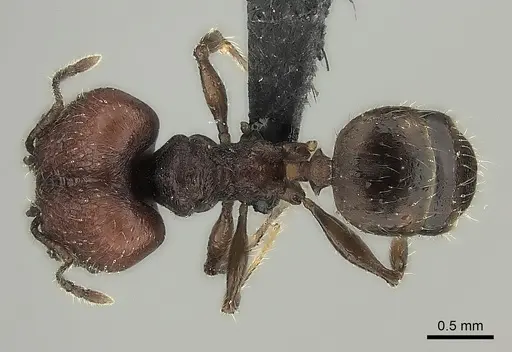
CASENT0198220
Ver no AntWeb
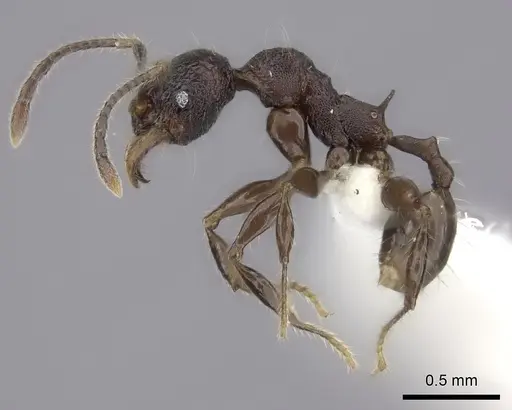
CASENT0275436
Ver no AntWeb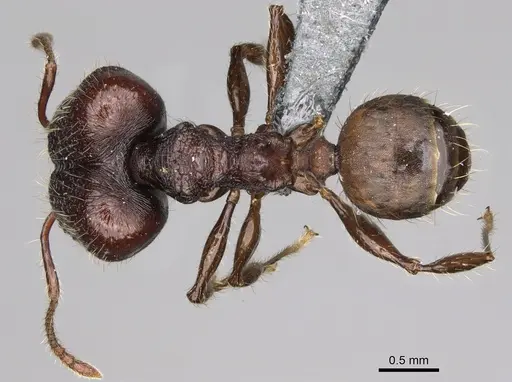
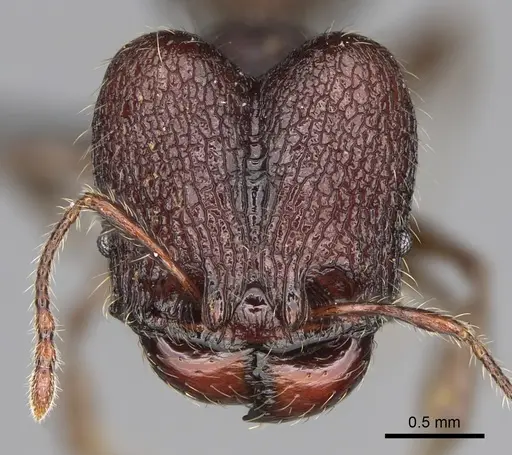
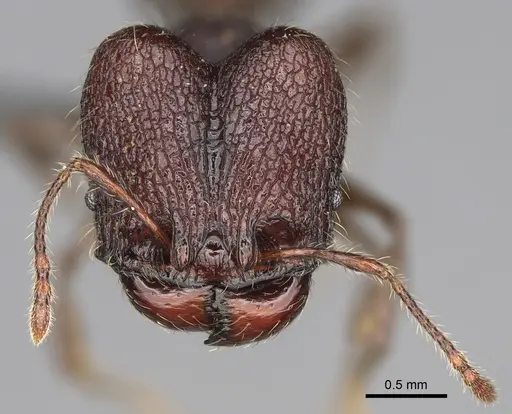
CASENT0275480
Ver no AntWeb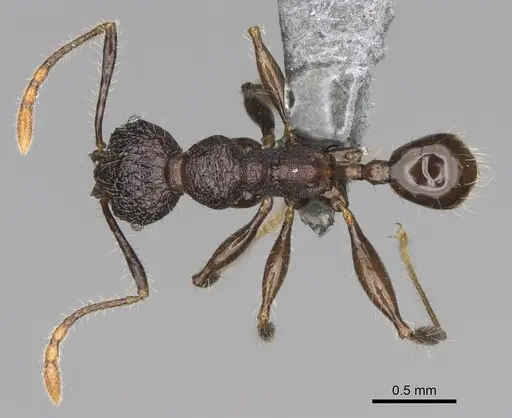
Literatura
Carregando mapa de distribuição...Carregando produtos...