
Pheidole deima
- Nome científico
- Pheidole deima
- Tribo
- Attini
- Subfamília
- Myrmicinae
- Autor
- Wilson, 2003
- Distribuição
- Encontrada em 4 países
Introdução
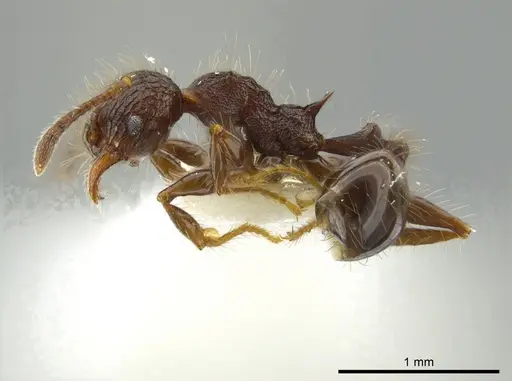
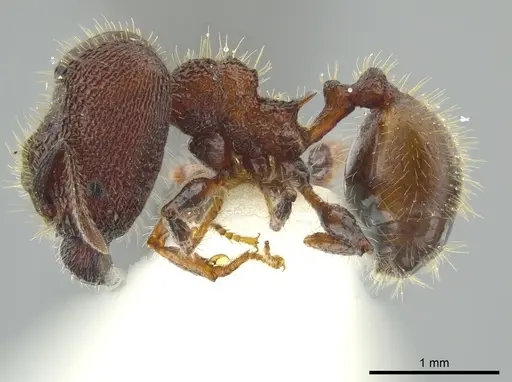
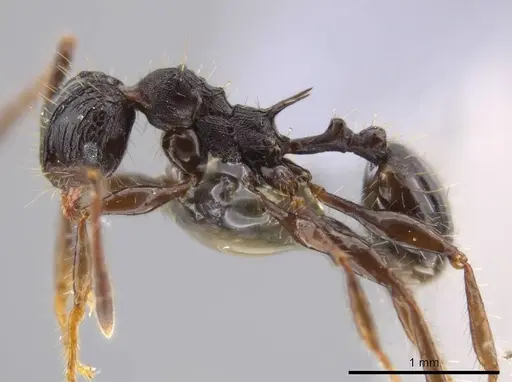
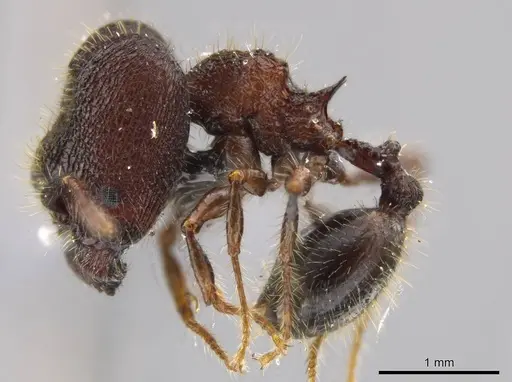
Pheidole deima is a Neotropical ant in the distorta group, known for major workers with a uniquely projected mesonotum that protrudes beyond the pronotum - a feature not shared with any other Pheidole species . It is found in the northern Amazon basin, including Brazil (Manaus, Mato Grosso), Ecuador, French Guiana, and Peru . This ground-nesting species is flood-intolerant and primarily inhabits pristine rainforest environments .
Quick Summary
- Difficulty: Expert
- Origin & Habitat: Northern Amazon basin in South America, documented in Brazil, Ecuador, French Guiana, and Peru. Found in pristine rainforest, plateau forest, and leaf-litter zones. Ground-nesting and flood-intolerant [2][3][4][5][6].
- Colony Type: Colony structure is unconfirmed, no data on queen number per colony. Pheidole species are typically monogyne (single queen) but some have multiple queens.
- Size & Growth:
- Queen: Size data unavailable, no total length measurements provided.
- Worker: Size data unavailable, no total length measurements provided.
- Colony: Unknown, no colony size data available.
- Growth: Unknown, no development data available.
- Development: Unknown, no development data exists for this species. (Development timeline has not been studied.)
- Antkeeping:
- Temperature: Keep warm, roughly 24-28°C, based on tropical habitat patterns.
- Humidity: Provide a humidity gradient, keep nest substrate moist but not waterlogged, as they are flood-intolerant [2].
- Diapause: Unknown, as a tropical species, diapause is unlikely but not confirmed.
- Nesting: Ground-nesting species. Use moist soil or Y-tong/plaster nests with good drainage to avoid flooding [2].
- Behavior: Majors are rarely recruited to food sources and remain in the nest, likely serving as guards or liquid storage workers [2][1]. Minors handle foraging and brood care. Foraging range is small with low dominance at food sources. Escape prevention should be adequate for small minors. Pheidole can bite but are not known for painful stings.
- Common Issues: this species has virtually no biological data, everything about captive care is speculative, flood intolerance means overwatering can kill colonies, drainage is critical, majors rarely forage so food discovery depends entirely on minor workers, tropical humidity requirements can lead to mold problems if ventilation is poor, no information on founding behavior means claustral vs semi-claustral status is unknown
Appearance and Identification
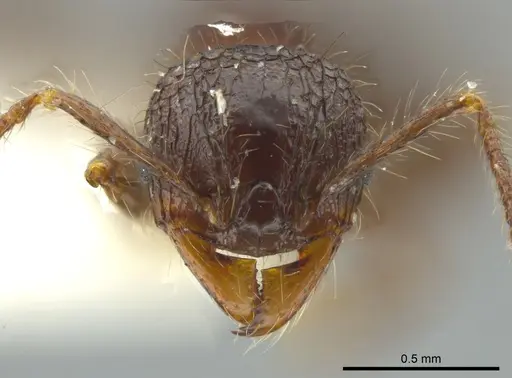
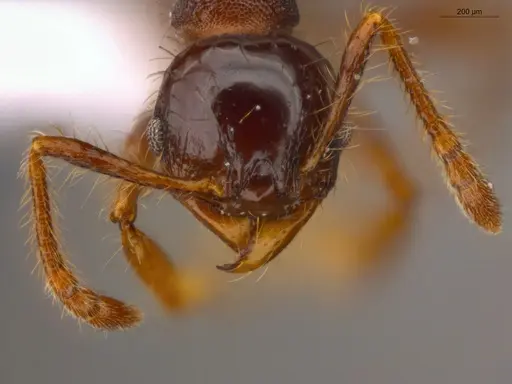
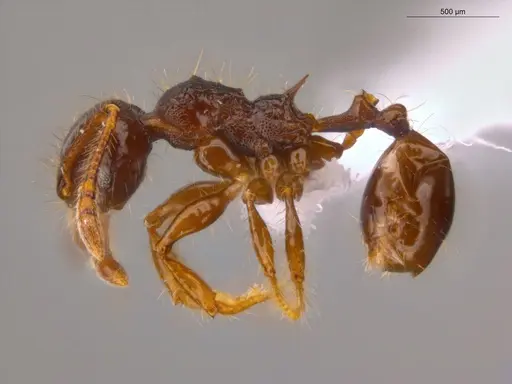
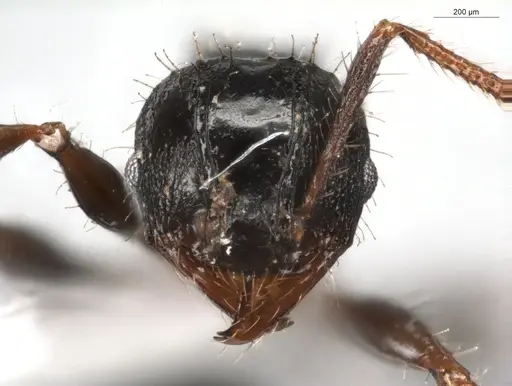
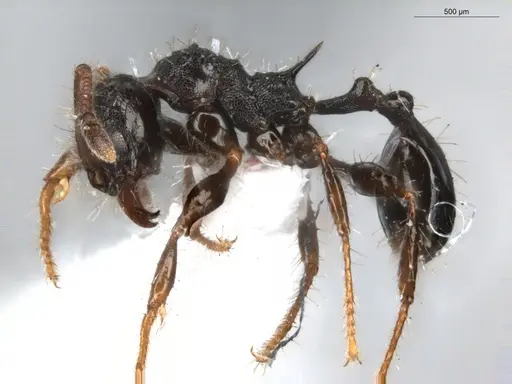
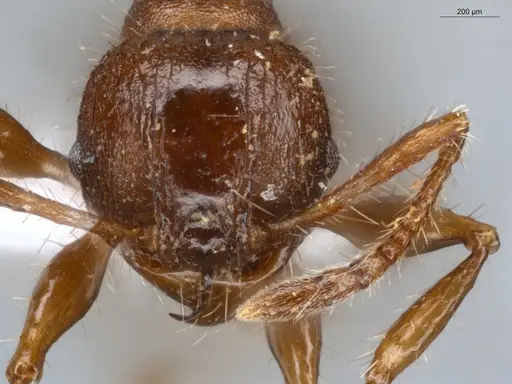
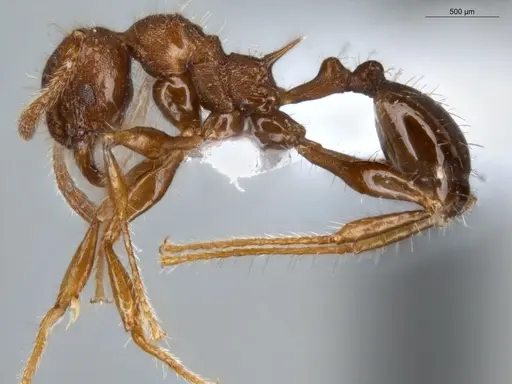
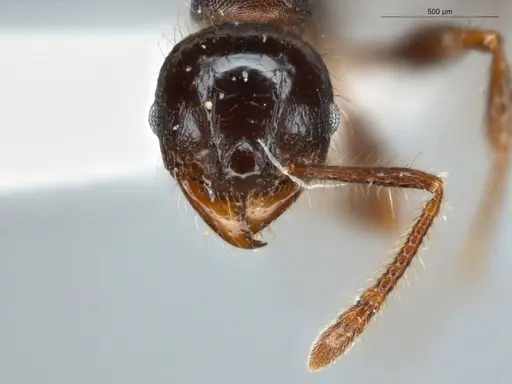
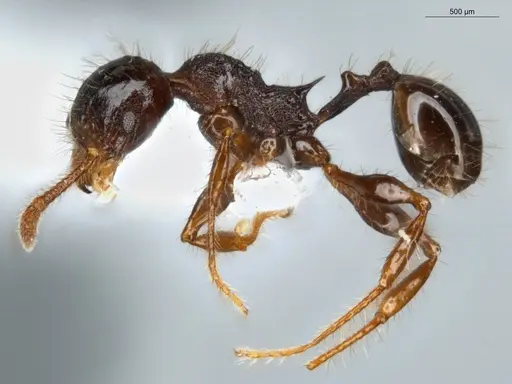
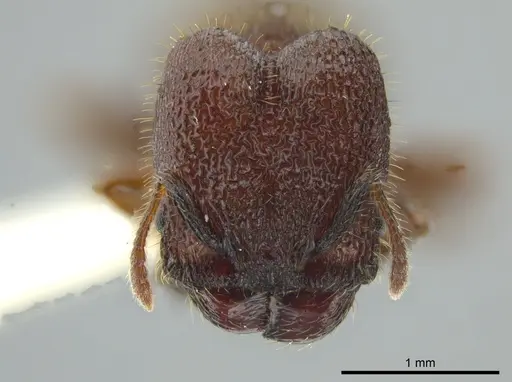
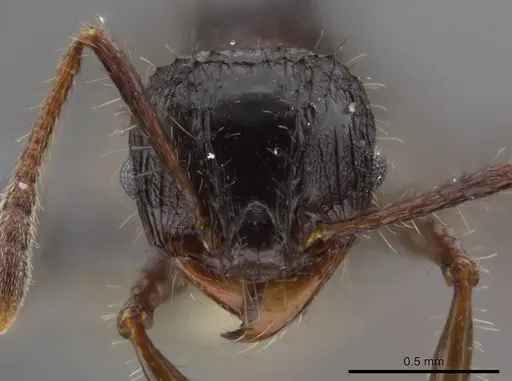
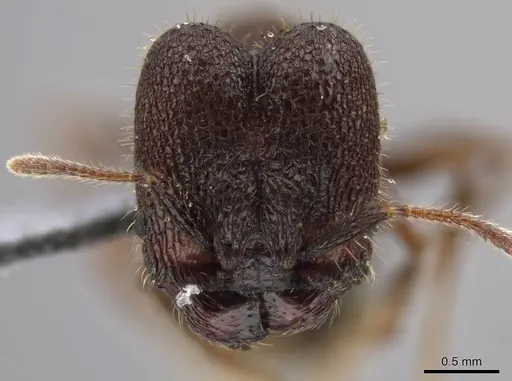
Pheidole deima has dramatic size dimorphism between minor and major workers. Major workers have a deeply excavated head and a uniquely projected mesonotum that protrudes beyond the pronotum, a feature unique to this species [1]. Majors are dark brown with medium brown appendages and yellow tarsi, while minors are medium brown with lighter appendages [6]. Size data unavailable for body length. The species belongs to the distorta group, characterized by these unusual morphological features.
Distribution and Habitat
This species is known from the northern Amazon basin across Brazil (type locality near Manaus, also recorded in Mato Grosso), Ecuador, French Guiana (Nouragues Field Station), and Peru (Madre de Dios) [2][3][4][5][6]. It inhabits pristine rainforest environments, specifically plateau forest and leaf-litter zones, and is ground-nesting and flood-intolerant [2].
Foraging and Colony Behavior
Pheidole deima majors are rarely seen outside the nest and are almost never recruited to food sources, they remain primarily within the nest structure [2][1]. Minor workers handle all foraging, brood care, and general nest maintenance. The species shows small foraging range and low dominance at food sources [2].
Unique Morphology and Function
Major workers have a broadly and strongly projected mesonotum, a feature not shared with any other Pheidole species [1]. This creates a large compartment for the esophagus, forming a thoracic crop that may function as a liquid storage organ, similar to replete workers [1]. Minors have a considerably dilated esophagus compared to other Pheidole species [1].
Keeping Considerations
Keeping Pheidole deima is challenging due to limited biological data. Use a naturalistic setup with moist substrate or Y-tong/plaster nests, ensuring good drainage to avoid flooding [2]. Keep temperature around 24-28°C and provide a humidity gradient. Feed minors protein sources and sugar water, majors rarely leave the nest [2][1]. Escape prevention should be adequate for small minors.
Frequently Asked Questions
How do I care for Pheidole deima ants?
This is an expert-only species because virtually nothing is known about their biology in captivity. Keep them warm (24-28°C) in a humid setup with moist substrate and good drainage to avoid flooding [2]. Feed minor workers protein and sugar water, majors rarely leave the nest [2][1].
What do Pheidole deima ants eat?
Minor workers will accept small insects and sugar sources. Majors are rarely seen at food and likely function as internal storage workers [2][1].
How long does it take for Pheidole deima to produce workers?
Unknown, no development data exists for this species.
Are Pheidole deima good for beginners?
No, this species is not recommended for beginners. Almost nothing is known about their biology, and they have specialized requirements like flood-intolerance [2].
What size colony do Pheidole deima reach?
Unknown, no colony size data exists for this species.
Do Pheidole deima need hibernation?
Unlikely, as a tropical Amazonian species, they probably do not require hibernation. No research exists on their seasonal behavior.
Can I keep multiple queens together?
Unknown, colony structure has not been documented for this species. Without data, combining unrelated queens is not recommended.
What makes Pheidole deima majors different from other Pheidole?
Majors have a uniquely projected mesonotum that protrudes beyond the pronotum, a feature not found in any other Pheidole species [1]. They likely function as specialized guards and liquid storage workers.
Why don't major workers appear at food baits?
This is normal behavior for P. deima. Major workers are rarely recruited to food and almost never seen at baits, remaining in the nest as specialized workers [2][1].
Report an Issue
The current care sheet is based fully on literature. See inconsistencies, or something that's incorrect? Please , it will be resolved after review from an admin. Contributing to the blogs tab also helps providing information, to make us be able to further improve the caresheets. Thank you for your support!
References

Este guia de cuidados está sob a licença CC BY-SA 4.0 .
Posts da comunidade
CASENT0627924
Ver no AntWeb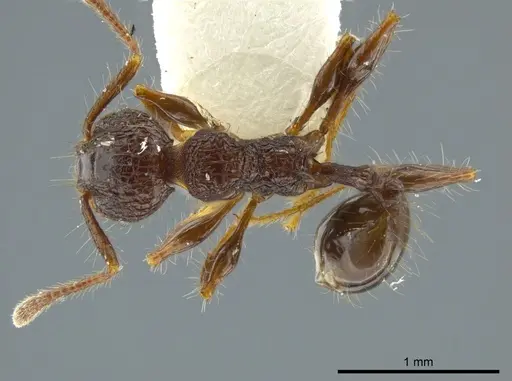
ECOFOG-CSG15-0056-10
Ver no AntWeb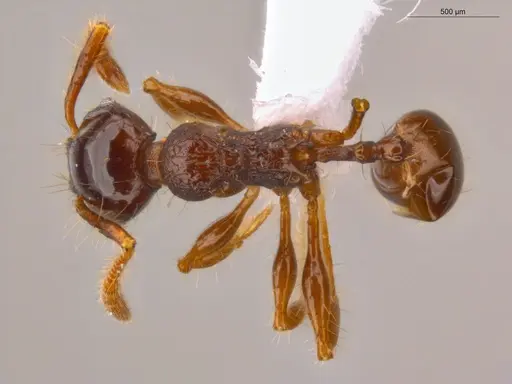
ECOFOG-GRS21-0039-01
Ver no AntWeb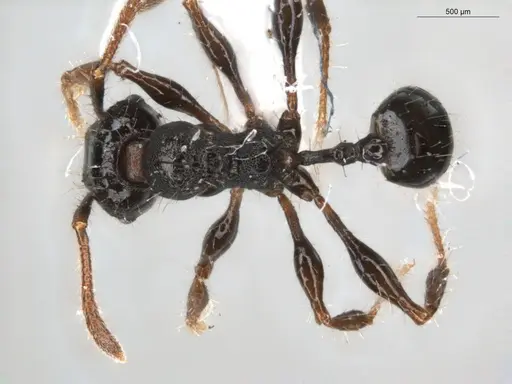
ECOFOG-MI15-0373-16
Ver no AntWeb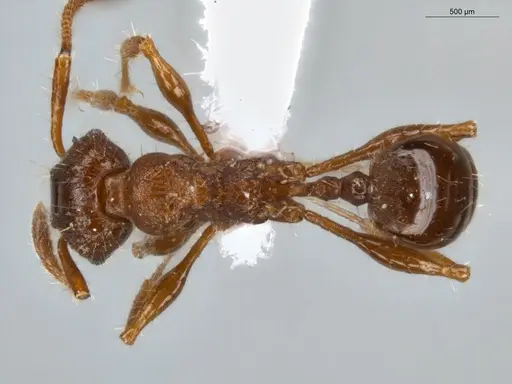
ECOFOG-TR13-0001-12
Ver no AntWeb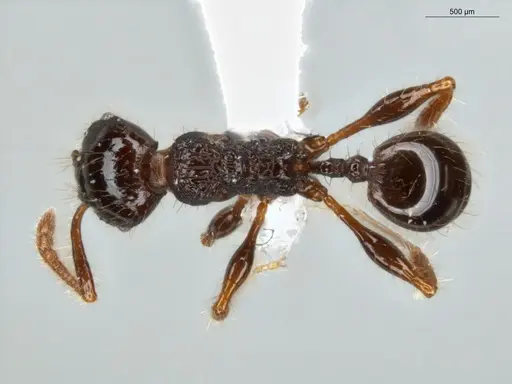
JTLC000016361
Ver no AntWeb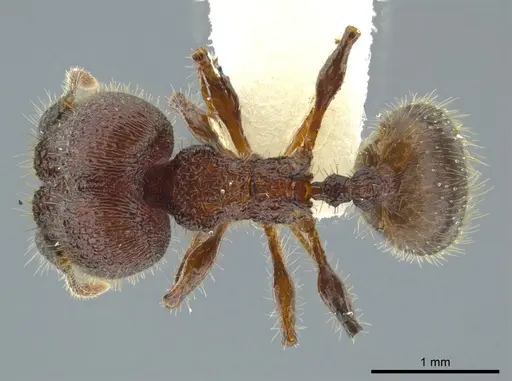
USNMENT00688276
Ver no AntWeb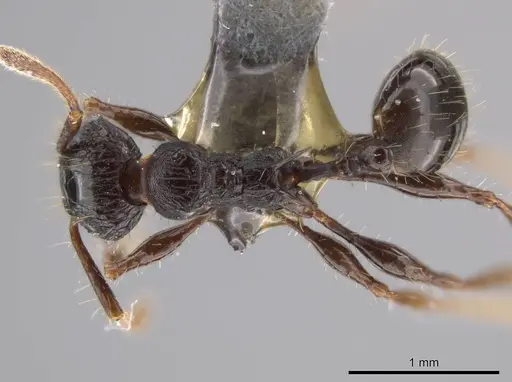
USNMENT00692950
Ver no AntWeb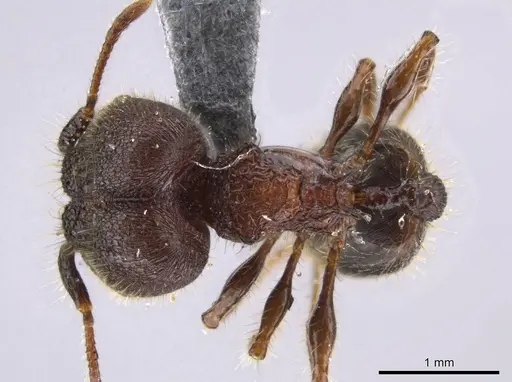
Literatura
Carregando mapa de distribuição...Carregando produtos...