
Pheidole cataphracta
- Nome científico
- Pheidole cataphracta
- Tribo
- Attini
- Subfamília
- Myrmicinae
- Autor
- Wilson, 2003
- Distribuição
- Encontrada em 2 países
Introdução
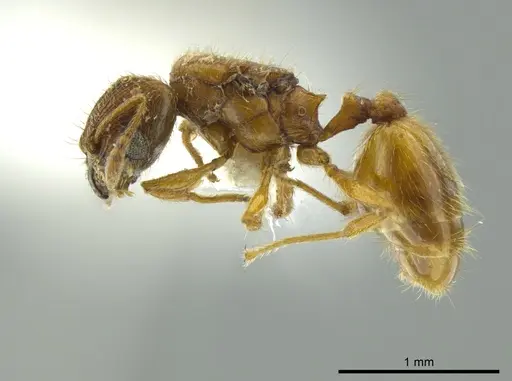
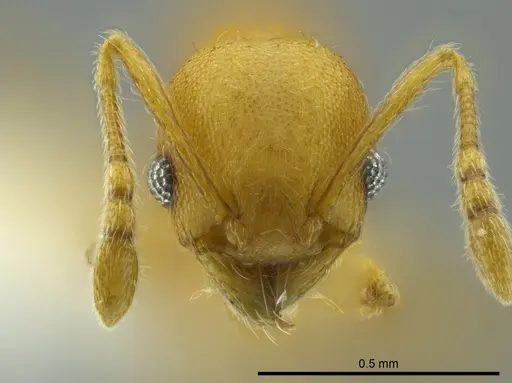
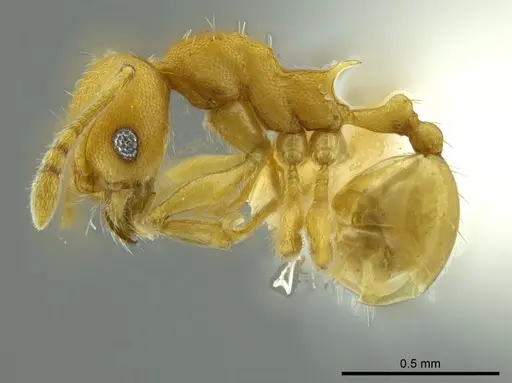
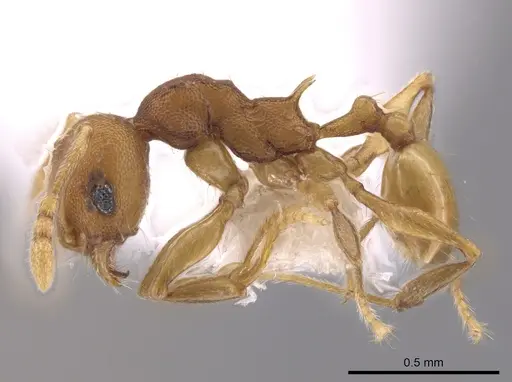
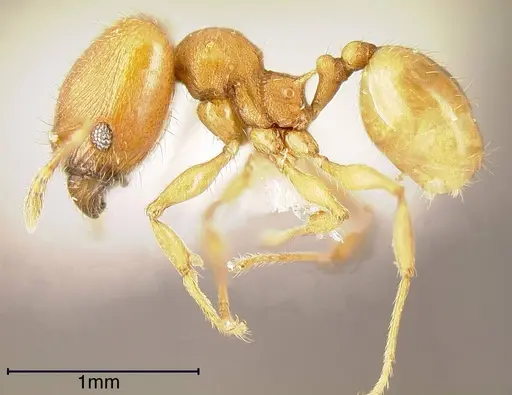
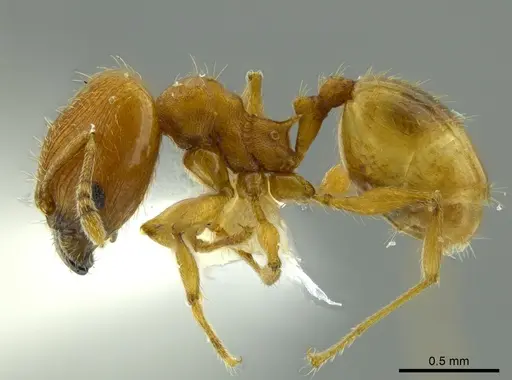
Pheidole cataphracta ants have a distinctive armored appearance due to heavy body pitting and extremely long propodeal spines that extend backward almost as far as the propodeum . Majors have dark reddish-yellow heads on yellow bodies, while minors are uniform medium yellow . They are known from tropical forests in Colombia's Valle del Cauca department and Costa Rica . What is notable is how little is known about their biology. Despite being described in 2003,they have been collected only twice in Colombia, and AntWiki states that nothing is known about their biology . They live in both floodplain and upland forests, suggesting tolerance to wet conditions .
Quick Summary
- Difficulty: Expert
- Origin & Habitat: Tropical forests of Colombia (Valle del Cauca) and Costa Rica, documented from várzea (floodplain) and terra firme (non-flooded) forest habitats [2][1][3]
- Colony Type: Unknown, no data on queen number or social structure
- Size & Growth:
- Queen: size data unavailable
- Worker: size data unavailable
- Colony: Unknown
- Growth: Unknown
- Development: Unknown, no data available (Tropical Pheidole species typically develop in 6-10 weeks at warm temperatures, but this is unconfirmed for this species)
- Antkeeping:
- Temperature: Based on tropical lowland origin, likely needs warm stable temperatures around 24-28°C, but specific requirements are unconfirmed. Start at 25°C and adjust based on colony activity [3][4]
- Humidity: High humidity needed, keep nest material consistently damp based on their várzea and terra firme forest habitat [3]
- Diapause: Likely not required, tropical lowland species typically remain active year-round without winter rest [4]
- Nesting: Unknown, no data on natural nesting habits
- Behavior: Unknown temperament, minors are extremely small (head width ~0.46mm) creating extreme escape risk [1]. You must use the finest mesh available and reliable barrier layers like Fluon.
- Common Issues: escape prevention is critical, minors are tiny enough to slip through gaps in standard mesh or loose-fitting lids., complete lack of captive care data means all care parameters are experimental and colony failure is likely., desiccation risk is high due to small body size and tropical humidity requirements., wild collection is strongly discouraged due to extremely limited known range and scientific rarity.
Rarity and Scientific Status
This species represents one of the most data-poor ants in the hobby. Described by Wilson in 2003 from only two collections in Colombia's Valle Department, it has since been recorded in Costa Rica but remains known from fewer than a handful of specimens worldwide [4][2][1]. AntWiki explicitly notes that nothing is known about the biology of Pheidole cataphracta, meaning scientists have never observed their nesting behavior, diet, colony structure, or reproductive habits [4]. For antkeepers, this means you would be keeping a species that has likely never been maintained in captivity before, with no established care parameters. The extremely restricted known range in Colombia makes wild collection ethically questionable, as removing even one colony could represent a significant portion of the known population.
Morphology and Identification
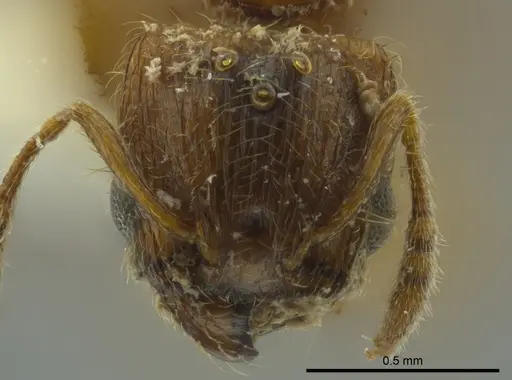
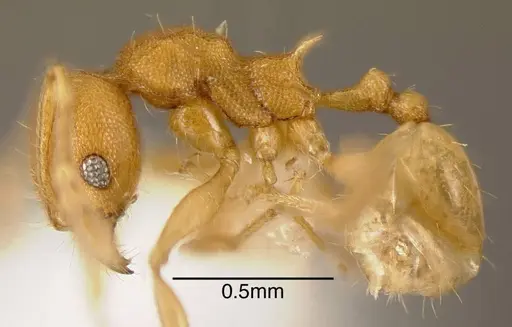
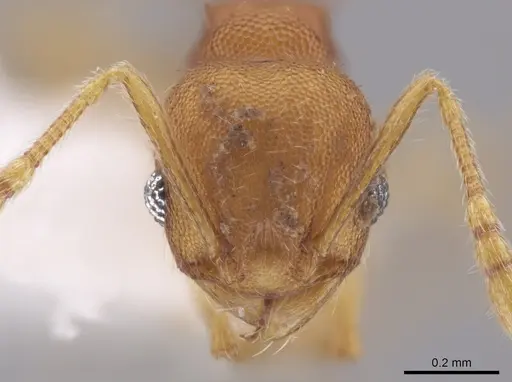
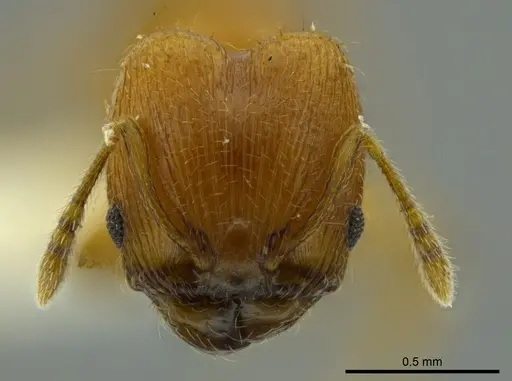
You can identify these ants by their distinctive armor. The name cataphracta means fully armored, referring to the heavy pitting (foveolate sculpturing) covering the body and the extremely long propodeal spines [1]. In major workers, the spines are about as long as the propodeum itself [1]. Majors show strong head sculpturing with ridges everywhere except the frontal triangle and middle of the face, plus a sub-angled shoulder [1]. Minors lack the ridged head but share the heavy pitting and have a blunt, protruding shoulder angle [1]. The color pattern helps: majors are yellow with dark reddish-yellow heads, while minors are uniform medium yellow [1].
Natural Habitat and Climate
The species inhabits tropical forests in the Neotropics. In Colombia, they come from Valle del Cauca, specifically from the Buenaventura area near the Pacific coast [4][2]. Records show them living in both várzea (seasonally flooded riverine forests) and terra firme (non-flooded upland forests), indicating they handle consistently wet tropical conditions [3]. This suggests they need high humidity and stable warm temperatures year-round, without the dry seasons or cold periods that trigger hibernation in temperate ants.
Captive Care Guidelines (Experimental)
Since no captive care data exists, you must extrapolate from general Pheidole keeping while accepting high failure risk. Keep them warm, around 24-28°C, with high humidity (damp nest material). Use extremely fine mesh or barriers to contain the tiny minors, as their head width is only ~0.46mm [1]. Feed tiny prey like springtails or fruit flies, plus sugar water, but accept that dietary preferences are unknown. Small test tubes or mini-hearth style nests with very small chambers would suit their size. Watch for desiccation constantly, tiny ants dehydrate fast.
Conservation and Collection Ethics
Given that scientists have documented this species from only two locations in Colombia, you should not attempt to collect them from the wild. The Valle del Cauca population appears extremely restricted, and removing colonies for the pet trade could harm the species before scientists even understand its basic biology. If you somehow acquire these ants (for example, through scientific exchange), prioritize breeding and documentation over display, as captive populations may be the only insurance against extinction in the wild. [4][2]
Frequently Asked Questions
Can I keep Pheidole cataphracta as a beginner?
No. This species is only suitable for expert antkeepers due to complete lack of captive care data, extreme rarity in scientific collections, and the tiny size of workers which makes them extremely difficult to contain.
How big do Pheidole cataphracta colonies get?
Unknown. Scientists have never studied a complete colony in the wild or captivity, so maximum colony size, worker counts, and queen number remain unconfirmed.
Where are Pheidole cataphracta found?
They are known from Colombia (Valle del Cauca department, specifically near Buenaventura) and Costa Rica [2][1]. The Colombian location represents only two collection events, making them one of the rarest documented ants.
Do Pheidole cataphracta need hibernation?
Likely not. As a tropical lowland species from consistently warm Colombian forests, they probably remain active year-round without winter rest [4].
What do Pheidole cataphracta eat?
Unknown. Based on typical Pheidole patterns, they likely accept small insects and sugar sources, but specific dietary requirements have never been observed.
How long does Pheidole cataphracta take to develop from egg to worker?
Unknown. No studies have documented their development timeline. Related tropical Pheidole may take 6-10 weeks at warm temperatures, but this is unconfirmed.
Are Pheidole cataphracta dangerous?
No. They are far too small to sting humans effectively, and no aggressive behavior has been documented [1].
Can I collect Pheidole cataphracta from the wild?
Strongly discouraged. With only two known collections in Colombia, removing colonies could significantly impact the wild population before scientists understand their biology. This species should be preserved in situ.
What makes Pheidole cataphracta unique?
Their extremely long rear spines (propodeal spines) that extend backward as far as the back segment itself, plus heavy body pitting that gives them a fully armored appearance [1].
What type of nest do Pheidole cataphracta need?
Unknown. Based on their tiny size, they likely need small chambers in Y-tong, plaster, or naturalistic setups, but natural nesting habits have never been observed.
Report an Issue
The current care sheet is based fully on literature. See inconsistencies, or something that's incorrect? Please , it will be resolved after review from an admin. Contributing to the blogs tab also helps providing information, to make us be able to further improve the caresheets. Thank you for your support!
References

Este guia de cuidados está sob a licença CC BY-SA 4.0 .
Posts da comunidade
CASENT0624247
Ver no AntWeb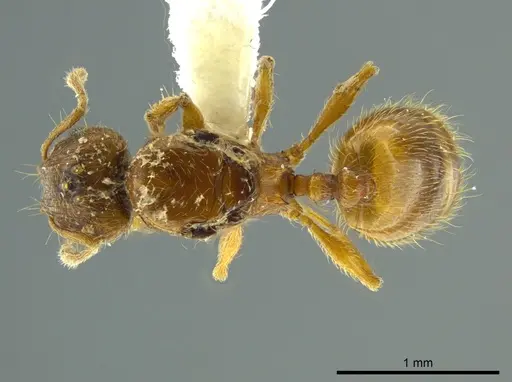
CASENT0624248
Ver no AntWeb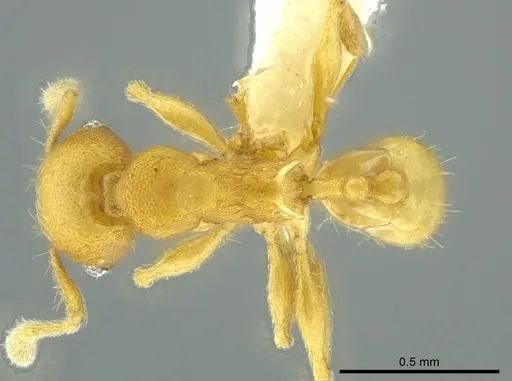
CASENT0635450
Ver no AntWeb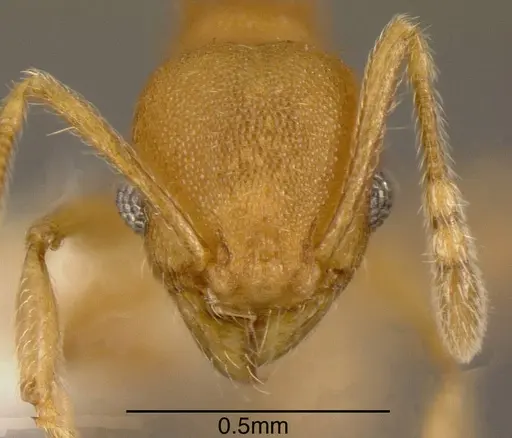
INB0003623684
Ver no AntWeb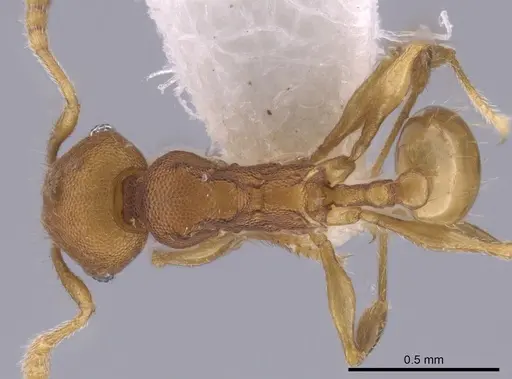
INBIOCRI001282224
Ver no AntWeb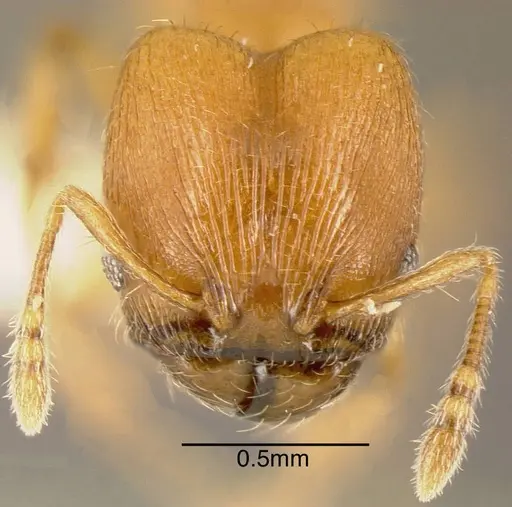
INBIOCRI001282225
Ver no AntWeb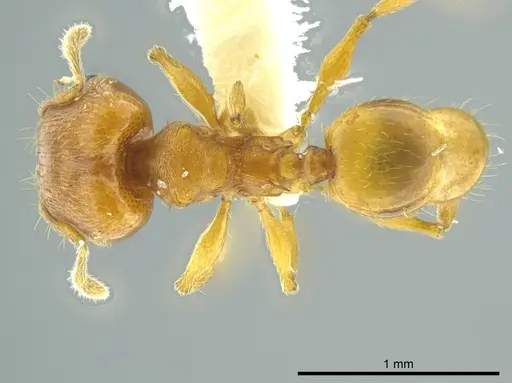
Literatura
Carregando mapa de distribuição...Carregando produtos...