
Pheidole anomala
- Nome científico
- Pheidole anomala
- Tribo
- Attini
- Subfamília
- Myrmicinae
- Autor
- Salata & Fisher, 2020
- Distribuição
- Encontrada em 1 países
Introdução
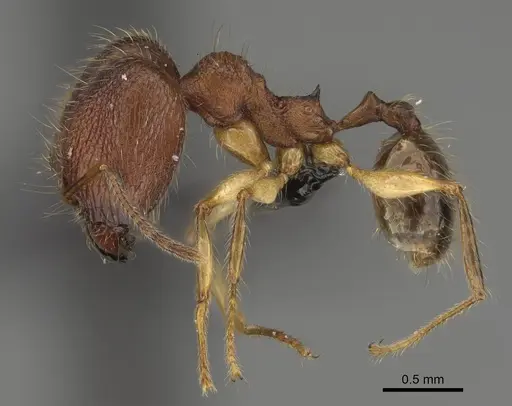
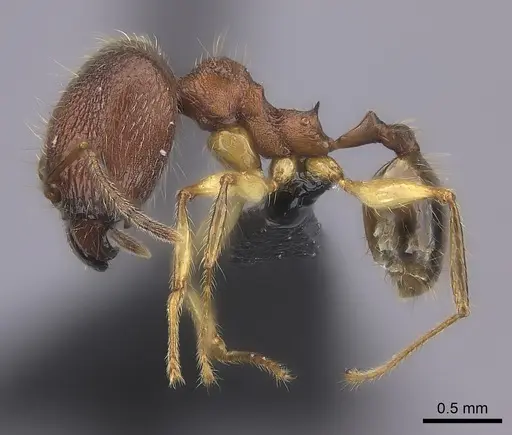
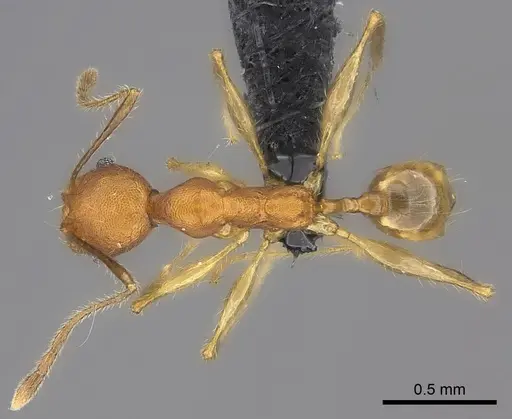
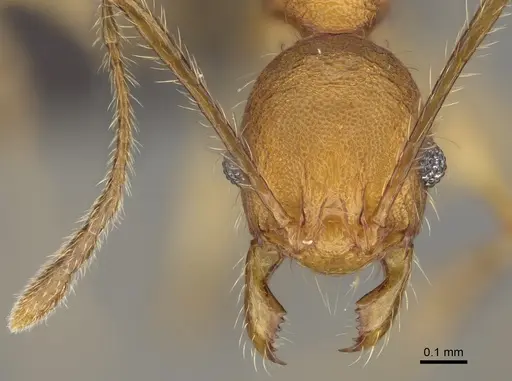
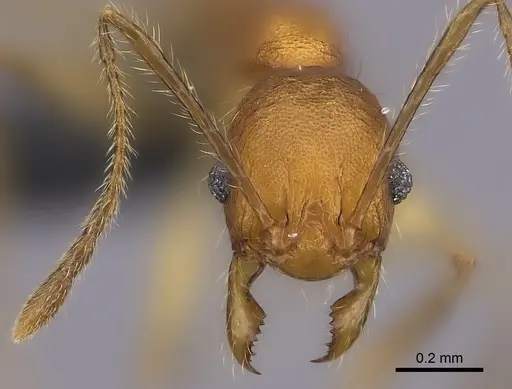
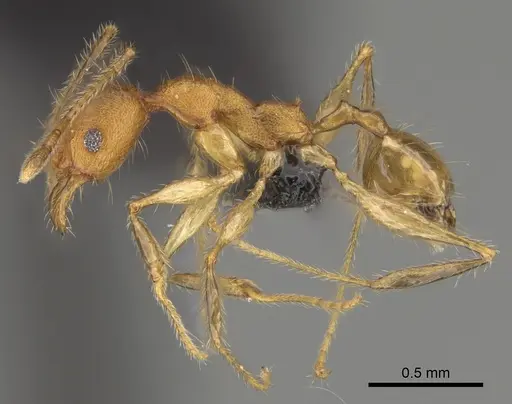
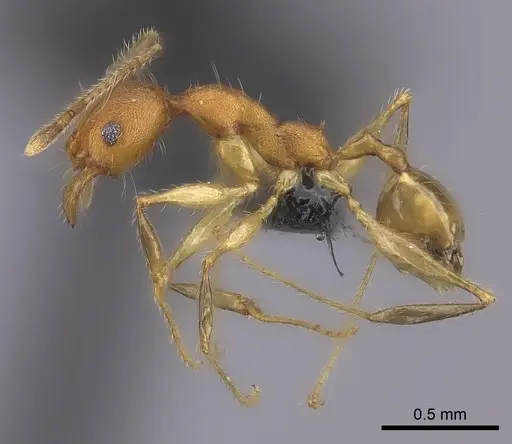
Pheidole anomala is a moderately large ant species from the Pheidole sikorae group, described in 2020 from Madagascar. Major workers have a ferruginous body, while minor workers are yellow. It was discovered in Montagne d'Ambre National Park at 1135m elevation in montane rainforest, nesting in rotten logs . The species name 'anomala' means 'irregular' in Latin, referring to the irregular rugae on major workers' heads .
Quick Summary
- Difficulty: Medium
- Origin & Habitat: Madagascar, specifically Montagne d'Ambre National Park at 1135m elevation in montane rainforest. Nests are located in rotten logs [1][2].
- Colony Type: Unconfirmed, queen number not specified in research.
- Size & Growth:
- Queen: size data unavailable
- Worker: size data unavailable, no total length measurements published
- Colony: Colony size is unknown
- Growth: Moderate, inferred from genus patterns
- Development: Estimated 5-8 weeks based on typical Pheidole development at tropical temperatures (Development time not specifically studied for this species. Estimates based on genus-level data.)
- Antkeeping:
- Temperature: Keep at temperatures typical for montane rainforest, roughly 22-26°C, based on habitat inference [1].
- Humidity: Maintain high humidity matching montane rainforest, with moist substrate but not waterlogged [1][2].
- Diapause: No, tropical species do not require hibernation, based on geographic range.
- Nesting: Nest in rotten logs in nature, in captivity, use moist substrate or Y-tong nest with humid chambers [1][2].
- Behavior: Typical Pheidole behavior: majors have enlarged heads for defense and seed processing, minors are active foragers. Defense mechanism is sting, as common in Myrmicinae. Escape risk is moderate due to small size of minors.
- Common Issues: high humidity requirements can lead to mold if ventilation is poor, colonies may decline if temperatures exceed 28°C, small minor workers can escape through standard barriers if mesh is not fine enough, wild-caught colonies may have parasites that are difficult to detect
Housing and Nest Setup
Pheidole anomala naturally nests in rotten wood in montane rainforest. For captivity, a naturalistic setup with a soil/peat substrate mixture works well, keep it consistently moist but not soggy. A Y-tong nest with narrow chambers also works if you maintain high humidity. The key is providing a humid nest chamber connected to a drier outworld for foraging. Use a water tower or moisture reservoir to maintain humidity without daily misting. These ants are moderate escape artists, standard barriers like Fluon on test tube rims or fine mesh on outworlds work adequately [1][2].
Feeding and Diet
Pheidole anomala is a generalist omnivore like most Pheidole species. They readily accept protein sources like small insects and seeds. Offer protein 2-3 times per week and keep a constant sugar source available. Minor workers are very active foragers and will quickly locate food. Remove uneaten prey after 24-48 hours to prevent mold [2].
Temperature and Humidity
Being from a montane rainforest at 1135m elevation, these ants prefer cooler conditions than typical tropical ants. Keep temperatures in the 22-26°C range, avoid exceeding 28°C as this can stress colonies. High humidity is essential: aim for moist substrate in the nest area. Use a moisture reservoir or water tower connected to the nest to maintain stable humidity. A small ventilation hole helps prevent stagnant air while retaining humidity [1].
Colony Development
Major workers appear once the colony grows larger, but the exact threshold is unknown. Development from egg to first worker likely takes 5-8 weeks at optimal temperatures, based on typical Pheidole patterns. Colonies grow moderately fast once established, with nanitics (first workers) being smaller than mature workers. Colony size is undocumented for this species.
Behavior and Temperament
This species shows typical Pheidole behavior. Minor workers are tiny, bright yellow, and very active, they form foraging trails and quickly discover food sources. Major workers have enlarged heads used for seed processing and colony defense, they can deliver a mild bite but are not particularly aggressive. The defense mechanism is a sting, common in Myrmicinae. When disturbed, majors may rush to defend the colony. They are diurnal foragers, active during daylight hours [1].
Frequently Asked Questions
How long does it take for Pheidole anomala to produce first workers?
Expect first workers around 5-8 weeks after the queen lays eggs, assuming temperatures around 24-26°C. This is an estimate based on typical Pheidole development, the exact timeline for this species has not been specifically studied.
What do Pheidole anomala ants eat?
They are generalist omnivores. Offer small insects as protein 2-3 times weekly, and keep a constant sugar source like honey water. They will also collect small seeds. Remove uneaten food after 24-48 hours [2].
Do Pheidole anomala ants need hibernation?
No. Being from tropical Madagascar, they do not require hibernation or diapause. Keep them at warm temperatures year-round. Their montane origin means they prefer slightly cooler conditions than typical lowland tropical ants.
Are Pheidole anomala good for beginners?
They are rated as medium difficulty. The main challenges are maintaining high humidity and keeping temperatures moderate. They are visually interesting with the contrast between reddish-brown majors and bright yellow minors. If you can provide humid conditions, they are a rewarding species.
How big do Pheidole anomala colonies get?
Colony size is not documented for this species. Based on typical Pheidole patterns, colonies may grow to several hundred workers, but this is an estimate.
Can I keep multiple Pheidole anomala queens together?
This species' queen number is unconfirmed. Only keep one queen per colony unless research specifies otherwise. Combining unrelated queens may result in fighting.
What temperature range is best for Pheidole anomala?
Keep them at 22-26°C, based on their montane rainforest habitat. Avoid temperatures above 28°C. A room-temperature setup around 23-24°C is often ideal [1].
When do major workers appear in Pheidole anomala colonies?
Major workers typically appear as the colony grows, but the exact size threshold is unknown. The distinctive ferruginous coloration helps identify majors [1].
What humidity level do Pheidole anomala require?
High humidity, matching their montane rainforest origin. Use a moisture reservoir to maintain consistent humidity. The nest substrate should feel moist but not have standing water [1][2].
Report an Issue
The current care sheet is based fully on literature. See inconsistencies, or something that's incorrect? Please , it will be resolved after review from an admin. Contributing to the blogs tab also helps providing information, to make us be able to further improve the caresheets. Thank you for your support!
References

Este guia de cuidados está sob a licença CC BY-SA 4.0 .
Posts da comunidade
CASENT0134498
Ver no AntWeb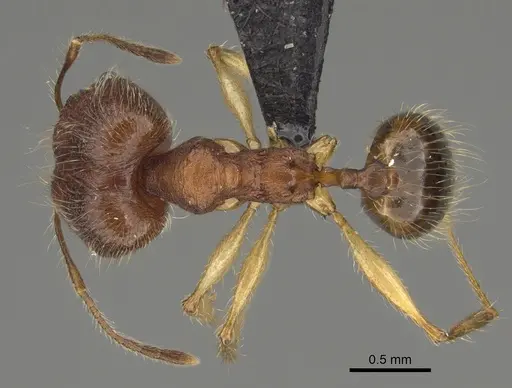
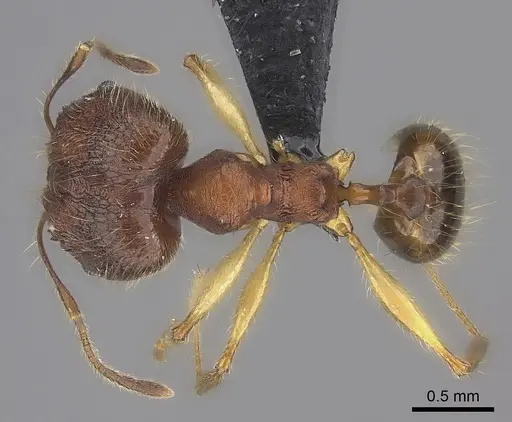
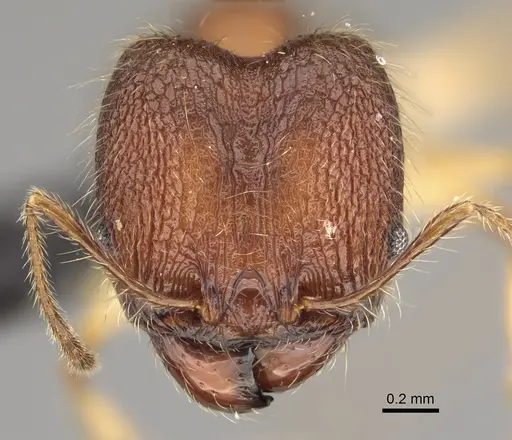
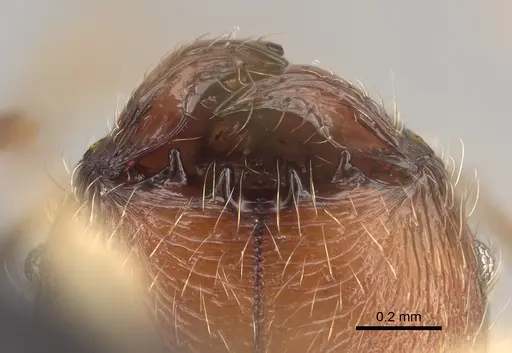
CASENT0235124
Ver no AntWeb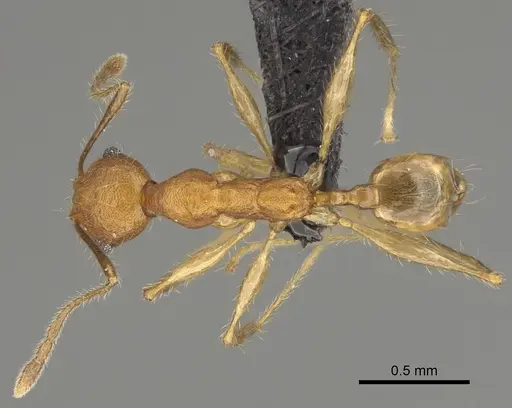
Literatura
Carregando mapa de distribuição...Carregando produtos...