
Paraparatrechina dichroa
- Nome científico
- Paraparatrechina dichroa
- Tribo
- Lasiini
- Subfamília
- Formicinae
- Autor
- Karavaiev, 1933
- Distribuição
- Encontrada em 0 países
Introdução
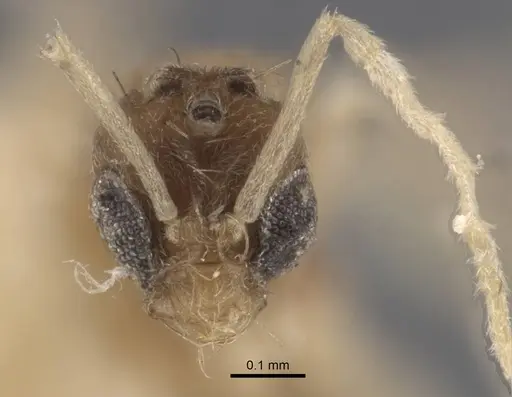
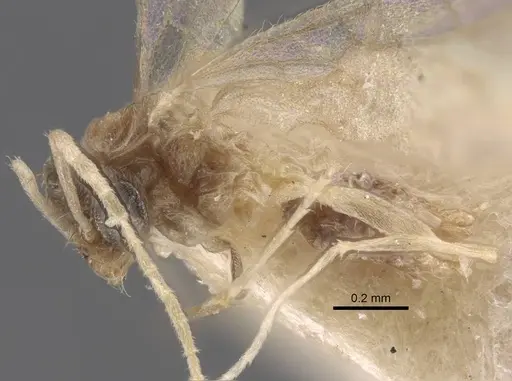
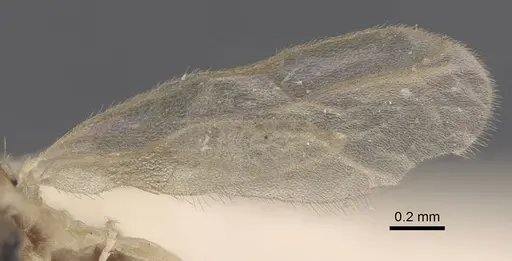
Paraparatrechina dichroa is a small ant species found in Indonesia, specifically on Prinsen Island . The genus belongs to the Formicinae subfamily and is related to Paratrechina and Nylanderia. Workers are small, but exact body size data is unavailable . This species has been recorded in rainforest and plantation areas in Indonesia .
Quick Summary
- Difficulty: Hard, limited documented care information
- Origin & Habitat: Prinsen Island, Indonesia. Found in rainforest and plantation environments [1][2].
- Colony Type: Colony structure is unconfirmed. No specific data on queen number or social structure [1].
- Size & Growth:
- Queen: Size data unavailable, no total length measurements exist
- Worker: Size data unavailable, no total length measurements exist
- Colony: Unknown, no colony size data available
- Growth: Unknown
- Development: Unknown, no species-specific data available (Development timeline is unclear due to lack of research)
- Antkeeping:
- Temperature: Temperature needs are unclear, start around 24-28°C and observe, based on tropical distribution [1]
- Humidity: Humidity requirements are unknown, provide a moisture gradient based on typical rainforest conditions [1]
- Diapause: Unknown, tropical origin suggests diapause is unlikely, but no confirmed data
- Nesting: Nesting preferences are unconfirmed, based on genus patterns, soil or decaying wood may be suitable [1]
- Behavior: Behavior is unconfirmed, no specific observations documented. Escape risk is high due to small size, so use fine barriers [1].
- Common Issues: small size increases escape risk without proper barriers, limited care information makes troubleshooting difficult, humidity control is critical to prevent desiccation, wild-caught colonies may have parasites or diseases
Nest Preferences
Nesting preferences for Paraparatrechina dichroa are unconfirmed. Based on genus patterns, they may nest in soil, under stones, or in decaying wood [1]. In captivity, test tubes work for founding colonies. For established colonies, Y-tong or plaster nests with moisture chambers are suitable, but specific requirements are unknown [1].
Feeding and Diet
Feeding habits are unconfirmed. Based on Formicinae patterns, they are likely omnivorous, feeding on sugars and small insects. In captivity, offer sugar water and small protein sources like fruit flies, but no species-specific data exists [1].
Temperature and Care
Temperature needs are unclear, start around 24-28°C and observe, based on tropical distribution [1]. Humidity requirements are unknown, provide a moisture gradient to mimic natural conditions. Avoid extreme temperatures and ensure ventilation to prevent mold.
Behavior and Temperament
Specific behavior is unconfirmed. Escape prevention is critical due to small size, use fine mesh and tight barriers [1]. No aggression data exists, so handle colonies with care.
Frequently Asked Questions
How long does it take for Paraparatrechina dichroa to produce first workers?
The exact timeline is unknown. No species-specific development data exists, so estimates cannot be provided [1].
What do Paraparatrechina dichroa ants eat?
Feeding habits are unconfirmed. Based on genus patterns, they likely eat sugars and small insects, but no specific data is available [1].
Are Paraparatrechina dichroa good for beginners?
This species is not recommended for beginners due to limited care information. Consider established species like Lasius or Camponotus first [1].
What temperature should I keep Paraparatrechina dichroa at?
Temperature needs are unclear, start around 24-28°C and observe, based on tropical distribution [1].
How big do Paraparatrechina dichroa colonies get?
Colony size is unknown, no data on maximum size or growth patterns [1].
Do Paraparatrechina dichroa need hibernation?
Hibernation is unlikely given tropical origin, but no confirmed data exists [1].
Can I keep multiple Paraparatrechina dichroa queens together?
This is unconfirmed, no data on multi-queen colonies. Start with a single queen for best success [1].
How do I prevent Paraparatrechina dichroa from escaping?
Escape prevention is critical due to small size. Use fine mesh and tight barriers, and check regularly [1].
When should I move Paraparatrechina dichroa to a formicarium?
Timing is unconfirmed, wait until the colony shows signs of outgrowing the test tube, but no specific worker count data exists [1].
Report an Issue
The current care sheet is based fully on literature. See inconsistencies, or something that's incorrect? Please , it will be resolved after review from an admin. Contributing to the blogs tab also helps providing information, to make us be able to further improve the caresheets. Thank you for your support!
References

Este guia de cuidados está sob a licença CC BY-SA 4.0 .
Posts da comunidade
CASENT0917302
Ver no AntWeb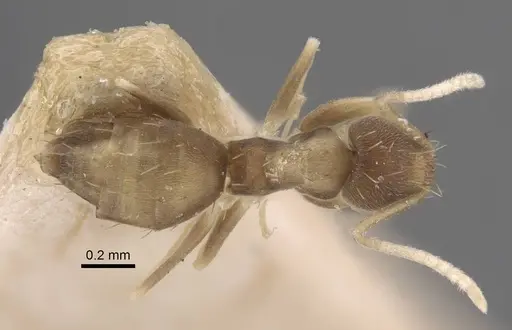
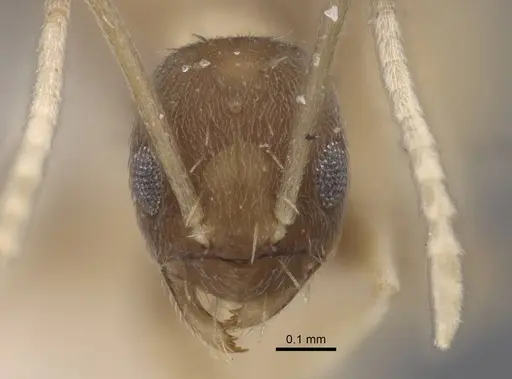
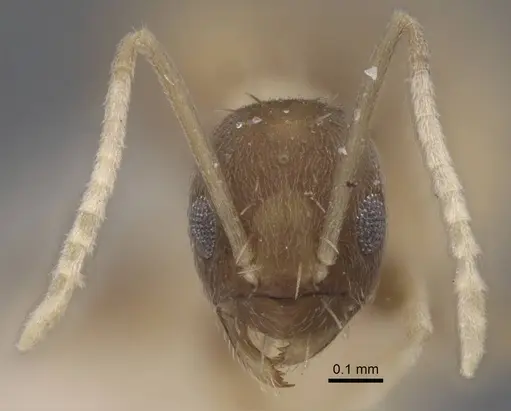
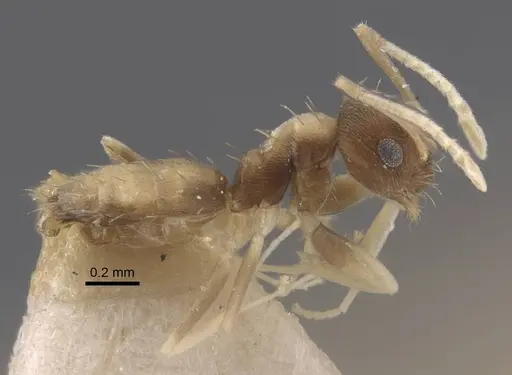
CASENT0917303
Ver no AntWeb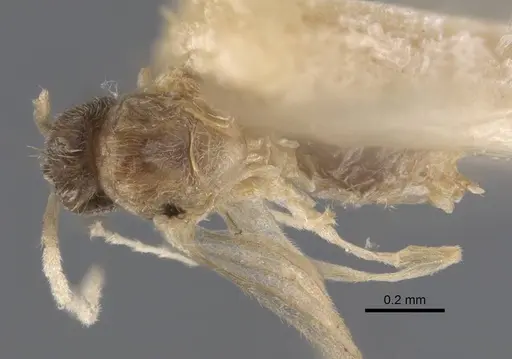
Literatura
Carregando mapa de distribuição...Carregando produtos...