
Oxyopomyrmex saulcyi
- Nome científico
- Oxyopomyrmex saulcyi
- Tribo
- Stenammini
- Subfamília
- Myrmicinae
- Autor
- Emery, 1889
- Distribuição
- Encontrada em 5 países
Introdução
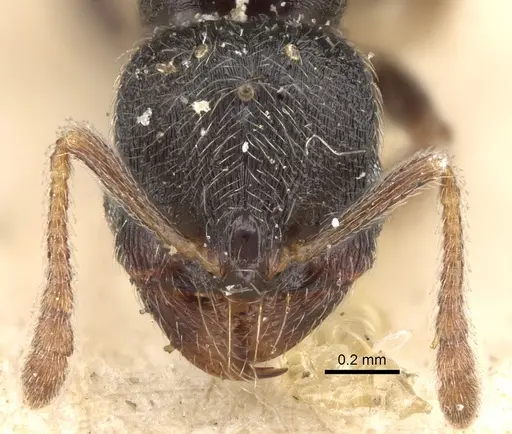
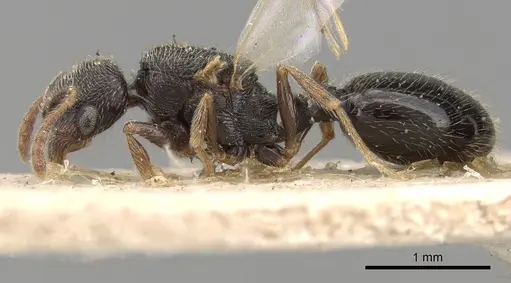
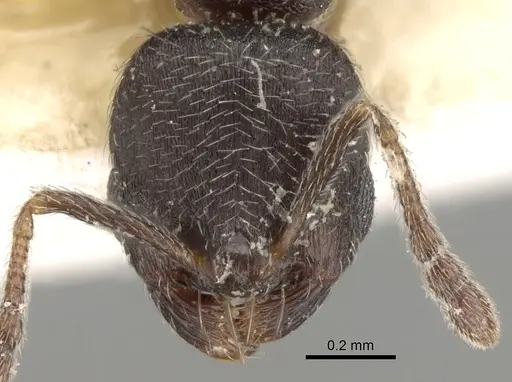
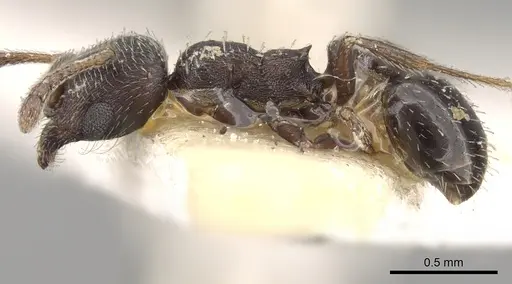
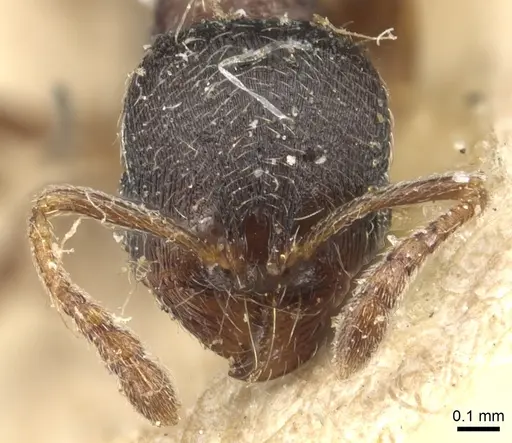
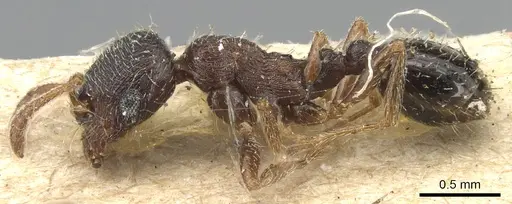
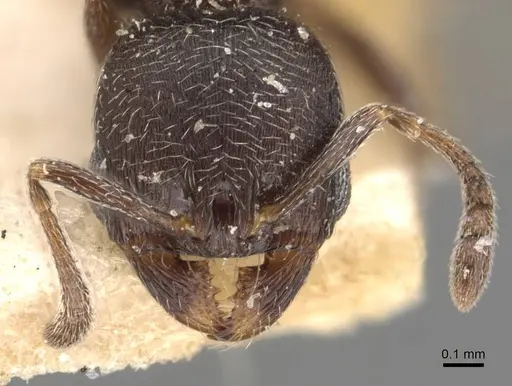
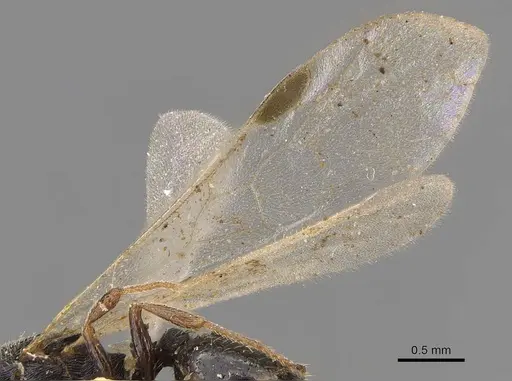
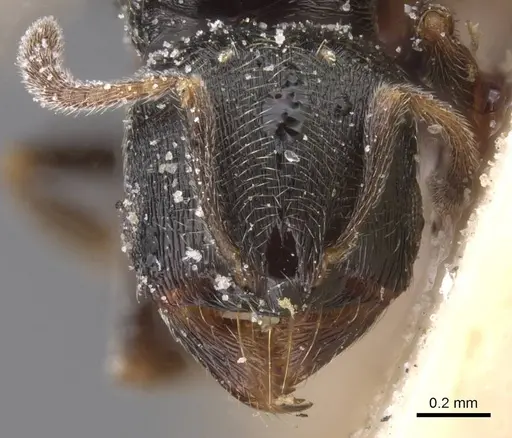
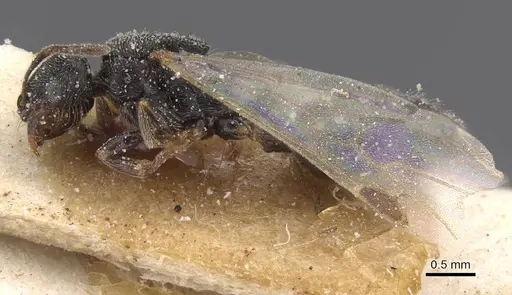
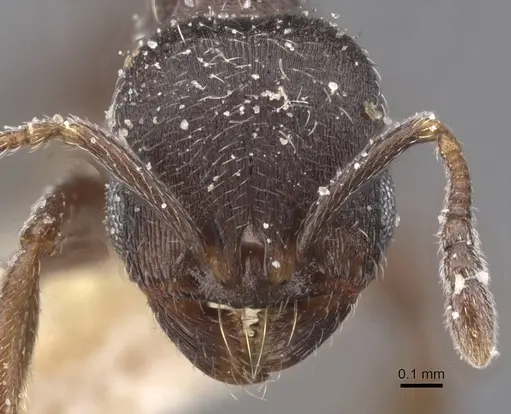
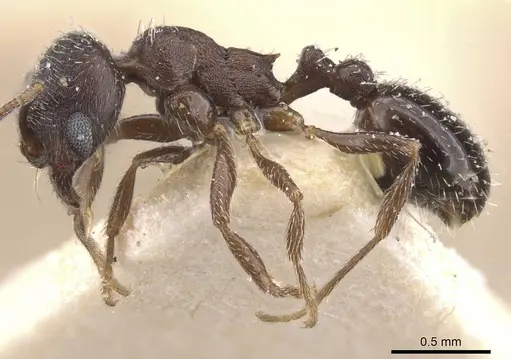
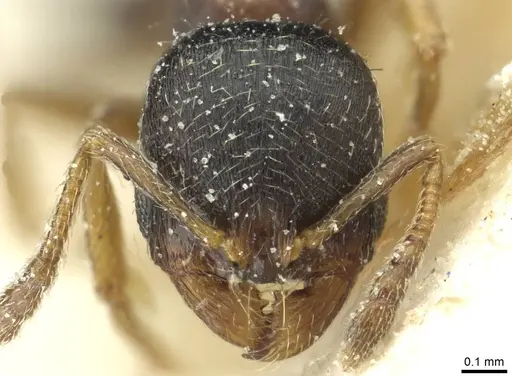
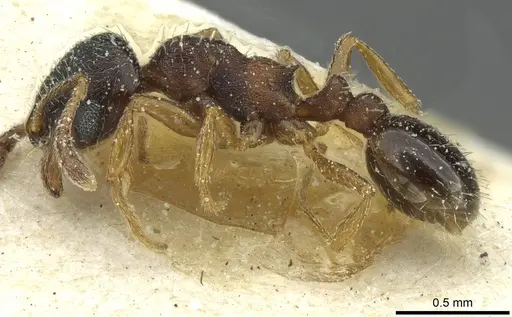
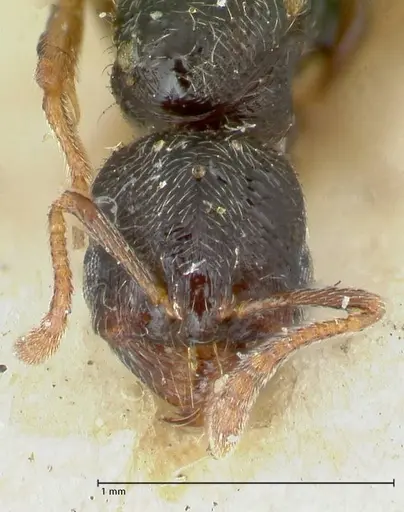
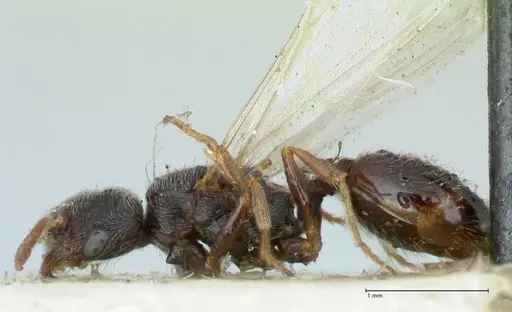
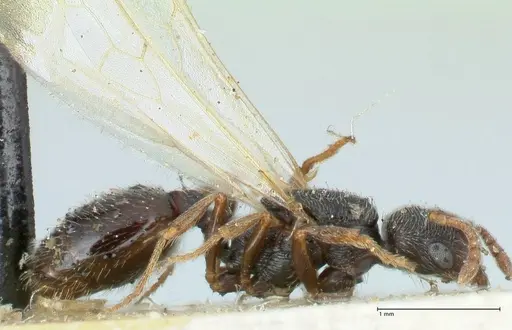
Oxyopomyrmex saulcyi is a tiny granivorous ant native to the Mediterranean region, found across southern France, the Iberian Peninsula, Italy, Malta, Morocco, Algeria, Tunisia, and Greece . Workers are very small, with a total length of approximately 0.4 mm, and queens around 0.6 mm . They are dark brown to brown in color with a distinctive rectangular head, very short propodeal spines, and short antennae . These ants are monomorphous, meaning all workers are the same size . They belong to the Myrmicinae subfamily and are closely related to Goniomma ants . A unique feature is their stridulatory organ, a specialized structure that allows them to produce sound for communication . These ants are specialists of dry, arid Mediterranean habitats with sandy soil . They are heliophilic, meaning they love sunny open areas and are often found in dehesas, sandy coastal areas, and arid regions . Their colonies are very small and difficult to observe in the wild, making them one of the more elusive Mediterranean ant species. They forage singly rather than in groups, collecting seeds as their primary food source .
Quick Summary
- Difficulty: Medium
- Origin & Habitat: Mediterranean region, dry, arid habitats across southern France, Iberian Peninsula, Italy, Malta, Morocco, Algeria, Tunisia, and Greece. Nests in sandy soil in open, sunny areas [1][5].
- Colony Type: Likely monogyne based on nest structure with single gyne [1], but unconfirmed.
- Size & Growth:
- Queen: Approximately 0.6 mm total length [1]
- Worker: Approximately 0.4 mm total length [1]
- Colony: Small colonies, exact maximum unknown [2][5]
- Growth: Moderate, slow, inferred from related species
- Development: Estimated 8-12 weeks based on related granivorous Myrmicinae (Development time is inferred from genus patterns, direct measurements not available for this species)
- Antkeeping:
- Temperature: Keep at warm conditions, roughly 22-26°C, based on Mediterranean origin.
- Humidity: Low to moderate, prefer dry conditions. Keep nest substrate slightly moist but allow it to dry between waterings [1][5].
- Diapause: Yes, require winter diapause of 2-3 months at 10-15°C, inferred from geographic range.
- Nesting: Natural nests are in sandy soil with a distinctive crater-shaped entrance. In captivity, a Y-tong (AAC) nest or plaster nest with sandy substrate works well [1].
- Behavior: Peaceful and not aggressive, forage singly for seeds [2]. Stridulatory organ produces sounds for communication [4]. Escape risk is high due to very small size, use standard barrier methods [1].
- Common Issues: small colony size makes them vulnerable, even minor stress can be fatal, dry conditions are essential, too much humidity causes mold and colony decline, slow growth tests keeper patience, don't overfeed or disturb the colony, very small size means escape prevention must be adequate even though they're not strong climbers, granivorous diet requires appropriate seed offerings, protein alone is insufficient
Nest Preferences and Housing
In the wild, Oxyopomyrmex saulcyi nests in sandy soil with a very characteristic nest structure. The entrance is single and narrow, surrounded by a small crater about 2-3cm in diameter and 2-3cm in height. From this entrance, a long vertical corridor leads down to the first chamber where the queen and larvae reside. A second vertical corridor extending 15-20cm leads to 2-3 additional chambers filled with stored seeds and workers [1].
For captive care, these ants do best in setups that mimic their natural sandy environment. A Y-tong (AAC) nest works well, or you can use a plaster nest with sand added to the chambers. The key is providing dry conditions, these are desert specialists and will struggle in humid setups. Use tight-fitting chambers scaled to their tiny size, avoid large open spaces. A small outworld connected to the nest allows for foraging. Because they are so small, ensure your formicarium has no gaps that workers could squeeze through [1][5].
Feeding and Diet
Oxyopomyrmex saulcyi is granivorous, meaning their diet consists primarily of seeds. This is unusual among ants, most species are omnivorous or predatory, but this genus has specialized in seed collection and storage. In the wild, they forage singly to collect seeds, which they store in specialized chambers deep in their nest [2][1].
In captivity, offer a variety of small seeds suitable for granivorous ants. Millet, grass seeds, and small commercial ant seeds work well. Provide a constant supply of seeds in the outworld. Additionally, offer occasional protein sources like small insects, but seeds should be the primary food. Sugar water or honey is rarely accepted by granivorous species, they get their energy from seeds. Remove uneaten seeds periodically to prevent mold. Feed seeds every few days, removing any that show signs of mold or are not being consumed [2].
Temperature and Seasonal Care
These Mediterranean ants prefer warm, dry conditions. Keep the nest area at roughly 22-26°C, this is ideal for their metabolism and brood development based on their geographic range. They are heliophilic, meaning they naturally seek out warm, sunny spots, so providing a temperature gradient with a heating cable on one side of the nest allows workers to choose their preferred temperature zone [1].
During winter, they require a diapause period of 2-3 months at 10-15°C. Reduce feeding during this time. This mimics their natural seasonal cycle in the Mediterranean region. Do not skip hibernation, it is essential for colony health and triggering reproductive behavior in the following season.
Unique Behaviors and Defense
Oxyopomyrmex saulcyi has a stridulatory organ that allows them to produce audible sounds. This is used for communication, likely as a defensive alarm when the colony is disturbed [4].
Their foraging behavior is distinctive, unlike many ants that use recruitment trails, these ants forage singly. Workers leave the nest individually to collect seeds, returning alone. This makes them less conspicuous in the wild and contributes to why they are rarely observed [2].
When threatened, workers may stridulate rather than aggressively defend. They are not particularly aggressive and would rather retreat. Their small size and small colony size mean they are vulnerable to predation, in the wild, they often coexist with the invasive Argentine ant by persisting in low numbers [6][5].
Frequently Asked Questions
Can I keep Oxyopomyrmex saulcyi in a test tube?
Test tubes can work for founding colonies, but these ants need dry conditions that test tubes don't naturally provide. A small Y-tong or plaster nest is better for established colonies. If using test tubes, ensure excellent escape prevention due to their tiny size [1].
How long does it take for Oxyopomyrmex saulcyi to produce first workers?
Based on related granivorous Myrmicinae, expect 8-12 weeks from founding to first workers emerging. This is slower than many common ant species due to their specialized seed-based diet and small colony size.
What do Oxyopomyrmex saulcyi eat?
They are granivorous, seeds are their primary food. Offer small seeds like millet, grass seeds, or commercial ant seed mixes. They forage singly rather than in groups, so place seeds in the outworld. Occasional protein (small insects) can be offered but is not required [2][1].
Do Oxyopomyrmex saulcyi ants sting?
They do not sting. These are small, peaceful ants that rely on their stridulatory organ for defense rather than aggression. They are not dangerous to humans [4].
Are Oxyopomyrmex saulcyi good for beginners?
They are rated as medium difficulty. While not the easiest species, they are manageable for keepers who understand their need for dry conditions and seed-based diet. Their small colony size and slow growth require patience. Not recommended as a first ant unless you have experience with granivorous species.
Do Oxyopomyrmex saulcyi need hibernation?
Yes, they require a winter diapause of 2-3 months at 10-15°C. This is essential for their natural seasonal cycle and colony health. Skip hibernation at your peril, it will weaken the colony and may prevent reproduction.
How big do Oxyopomyrmex saulcyi colonies get?
Colonies remain small, likely under 100 workers even at maturity. This is characteristic of the genus. They are not a species that produces massive colonies, so manage your expectations accordingly [2][5].
Can I keep multiple Oxyopomyrmex saulcyi queens together?
They are likely monogyne (single-queen colonies), so multiple unrelated queens will fight. Only keep one queen per colony [1].
Why is my Oxyopomyrmex saulcyi colony dying?
The most common causes are: too much humidity (they need dry conditions), overfeeding (uneaten seeds mold easily), disturbance during founding, or insufficient warmth. Check that your setup provides the dry, warm conditions they require [1][5].
When should I move Oxyopomyrmex saulcyi to a formicarium?
Wait until the colony has at least 20-30 workers and is actively storing seeds. This typically takes several months to a year after founding. Moving too early can stress the colony. Ensure the new setup maintains dry conditions.
Report an Issue
The current care sheet is based fully on literature. See inconsistencies, or something that's incorrect? Please , it will be resolved after review from an admin. Contributing to the blogs tab also helps providing information, to make us be able to further improve the caresheets. Thank you for your support!
References

Este guia de cuidados está sob a licença CC BY-SA 4.0 .
Posts da comunidade
CASENT0281609
Ver no AntWeb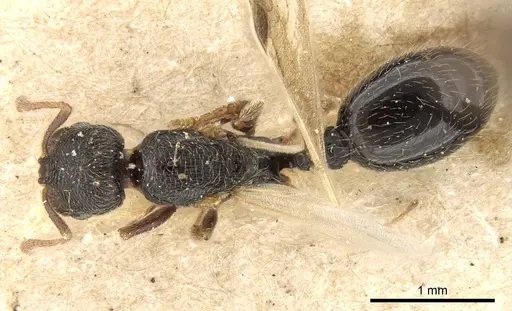
CASENT0281610
Ver no AntWeb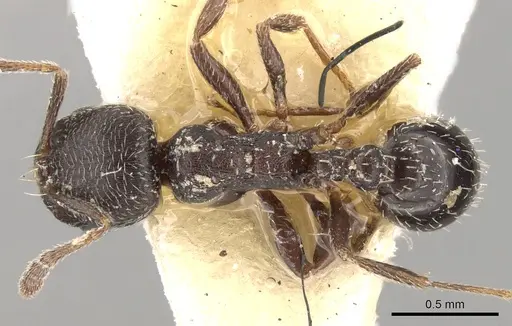
CASENT0904146
Ver no AntWeb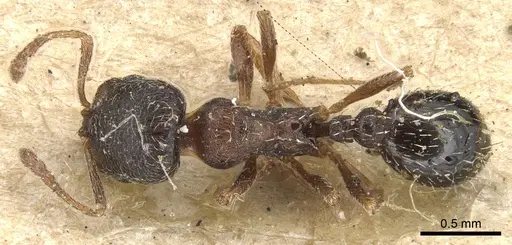
CASENT0907760
Ver no AntWeb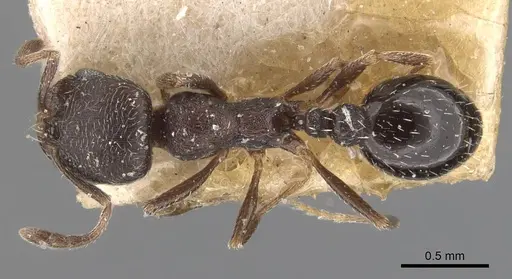
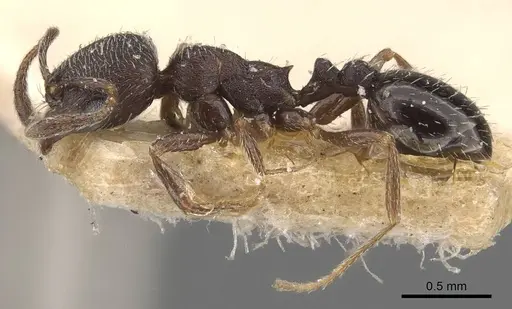
CASENT0907761
Ver no AntWeb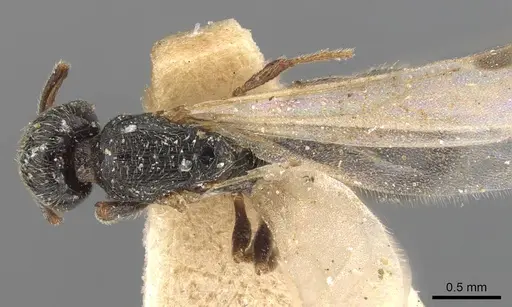
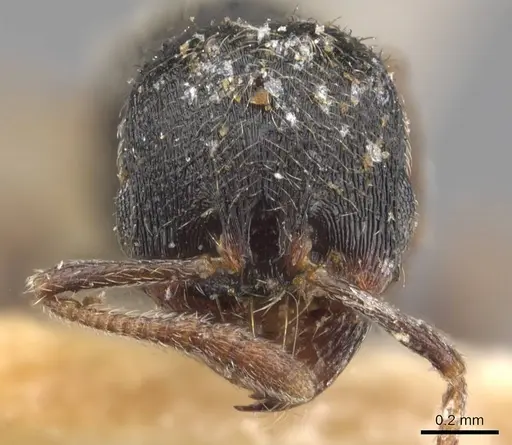
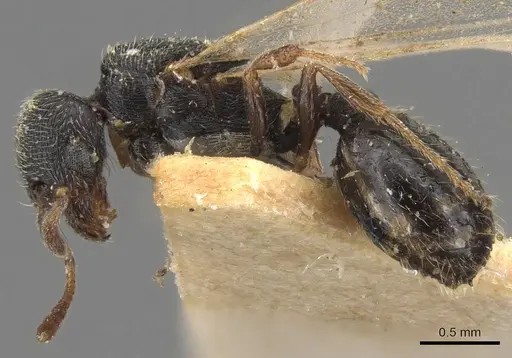
CASENT0913242
Ver no AntWeb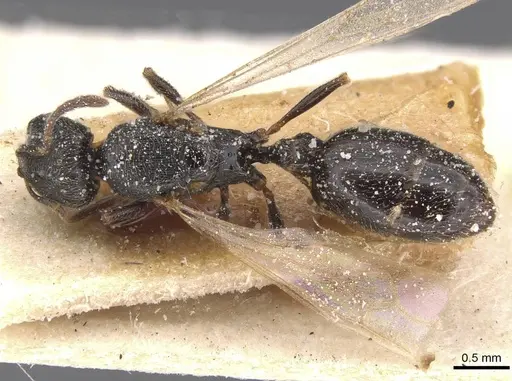
CASENT0913248
Ver no AntWeb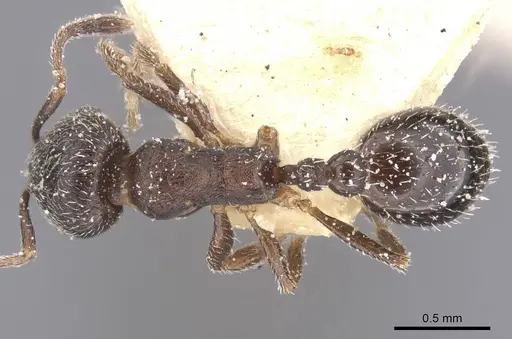
CASENT0913251
Ver no AntWeb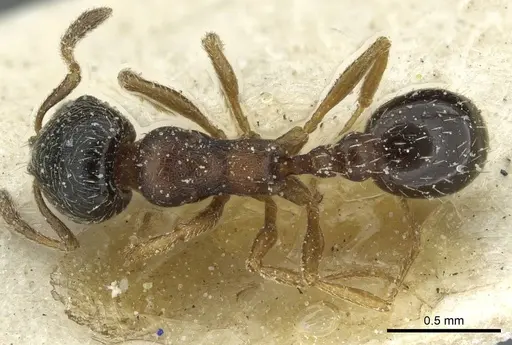
FOCOL1244
Ver no AntWeb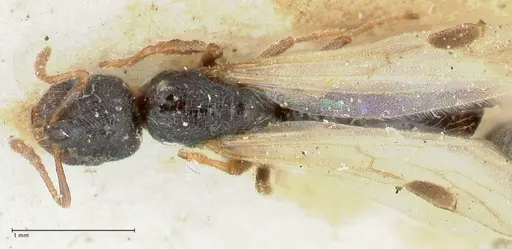
Literatura
Carregando mapa de distribuição...Carregando produtos...