
Odontomachus papuanus
- Nome científico
- Odontomachus papuanus
- Tribo
- Ponerini
- Subfamília
- Ponerinae
- Autor
- Emery, 1887
- Distribuição
- Encontrada em 2 países
Introdução
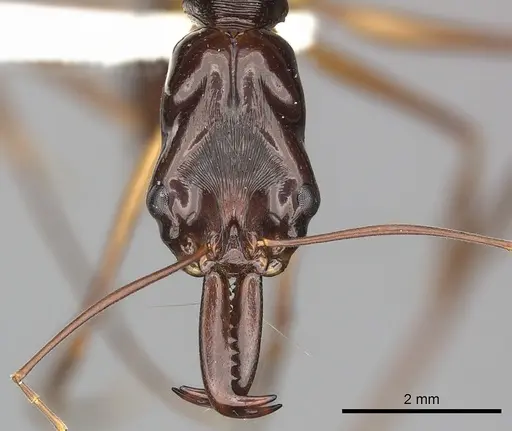
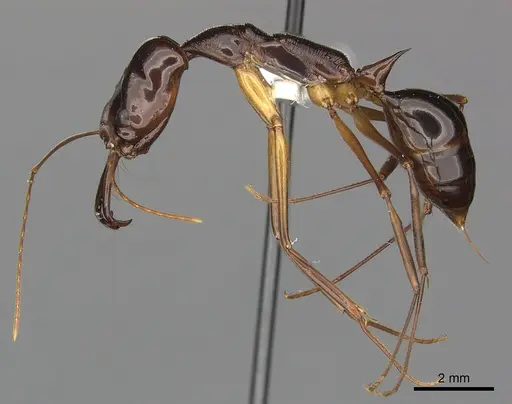
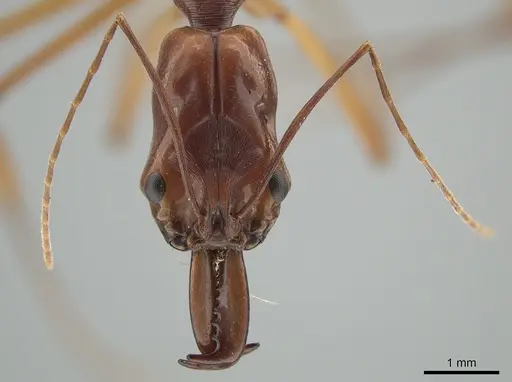
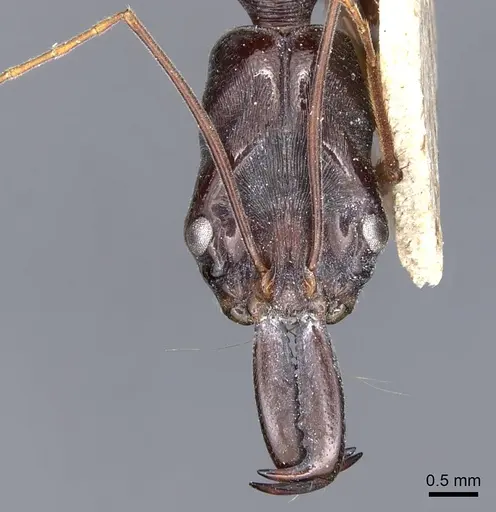
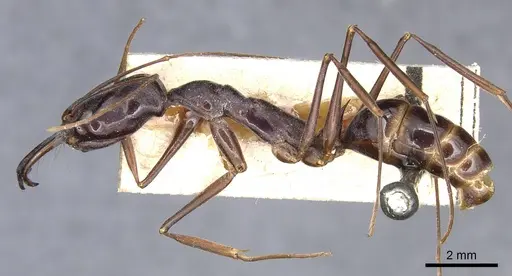
Odontomachus papuanus is a medium-sized trap-jaw ant native to New Guinea and the Philippines . Workers measure around 9-12mm in total length, with large, powerful mandibles that snap shut rapidly to capture prey . The species belongs to the saevissimus species group and was first described in 1887. It inhabits tropical rainforest environments, where it acts as a predator in the ecosystem.
Quick Summary
- Difficulty: Medium
- Origin & Habitat: Native to New Guinea and the Philippines, found in tropical rainforest environments from lowland to around 1300m elevation [1].
- Colony Type: Based on typical Odontomachus patterns, likely monogyne (single-queen colonies). Queens are not confirmed to be claustral or semi-claustral.
- Size & Growth:
- Queen: Size data unavailable, no total length measurements provided in research.
- Worker: ~9-12mm [1]
- Colony: Up to several hundred workers, estimated from typical Odontomachus colony sizes.
- Growth: Moderate
- Development: Approximately 6-8 weeks at tropical temperatures, inferred from related species [2]. (Development is temperature-dependent, warmer temperatures speed up growth.)
- Antkeeping:
- Temperature: Keep warm, roughly 24-28°C, with a gentle gradient. No specific data, but tropical conditions are typical.
- Humidity: Keep nest substrate consistently moist but not waterlogged, mimicking tropical rainforest. No specific percentage data.
- Diapause: No, these are tropical ants and do not require hibernation, inferred from geographic range.
- Nesting: Use Y-tong, plaster, or soil nests with dark, humid chambers. Provide vertical space for their size.
- Behavior: Predatory trap-jaw ants that hunt live insects. They are not aggressive toward humans but will defend the nest. Escape risk is moderate due to their size. Based on subfamily Ponerinae, they have a sting as a defense mechanism, but this is general taxonomic knowledge.
- Common Issues: tropical temperature requirements may struggle in cool or air-conditioned rooms., predatory diet requires constant access to live prey, sugar alone is insufficient., high humidity needs can lead to mold if ventilation is poor., founding queens may appear dead when sealed in their chamber, do not disturb., wild-caught colonies may carry parasites that harm captive populations.
Housing and Nest Setup
Use Y-tong, plaster, or naturalistic soil nests with moist substrate. Keep nest chambers dark and humid. Provide an outworld for foraging and a water source. Ensure chambers are appropriately scaled for their size [1].
Feeding and Diet
Feed live insects like fruit flies or pinhead crickets 2-3 times per week. Remove uneaten prey to prevent mold. Some keepers offer sugar water as a supplement, but this is not confirmed in research [1].
Temperature and Heating
Maintain warmth around 24-28°C using a heating cable on one side of the nest. Create a gradient so workers can choose their preferred temperature. No specific data, but tropical conditions are typical [2].
Colony Founding
Founding behavior is unconfirmed. Do not disturb queens during early stages, as they may seal themselves in a chamber. After workers emerge, begin feeding.
Behavior and Defense
Workers use trap-jaw mandibles to capture prey. They are not aggressive but will bite if threatened. Based on subfamily Ponerinae, they have a sting, but this is general knowledge [2].
Growth and Development
Colonies start with a queen and grow moderately. First workers emerge in 6-8 weeks at warm temperatures. Colony size reaches several hundred over time, inferred from genus patterns.
Frequently Asked Questions
How long does it take for Odontomachus papuanus to produce first workers?
At 25-28°C, expect first workers in about 6-8 weeks after egg-laying, inferred from related species [2].
What do Odontomachus papuanus eat?
They need live insects like fruit flies or pinhead crickets. Sugar water may be offered as a supplement, but this is not confirmed in research [1].
What temperature do they need?
Keep them warm at 24-28°C, with a gradient. No specific data, but tropical conditions are typical [2].
Are Odontomachus papuanus good for beginners?
They are intermediate due to specific temperature and diet needs. Not recommended for absolute beginners.
How big do colonies get?
Up to several hundred workers, estimated from typical Odontomachus patterns.
Do they need hibernation?
No, they are tropical ants and do not require diapause, inferred from geographic range.
When should I move them to a formicarium?
After first workers emerge and the colony has 10-20 workers, move to a nest with good humidity control.
Why did my founding queen die?
Queens may appear dead when sealed in their chamber. Do not disturb them. Death could be due to mold, disturbance, or cool temperatures.
Can I keep multiple queens together?
This species is likely monogyne, so multiple queens may fight. Do not combine unrelated foundresses.
Report an Issue
The current care sheet is based fully on literature. See inconsistencies, or something that's incorrect? Please , it will be resolved after review from an admin. Contributing to the blogs tab also helps providing information, to make us be able to further improve the caresheets. Thank you for your support!
References

Este guia de cuidados está sob a licença CC BY-SA 4.0 .
Posts da comunidade
CASENT0217543
Ver no AntWeb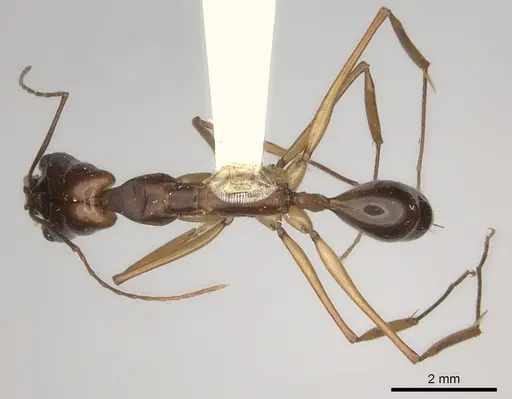
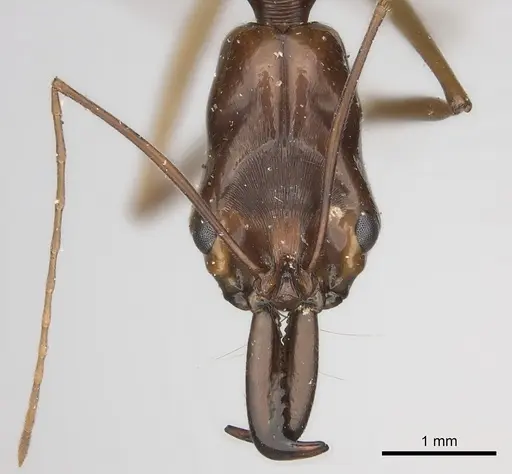
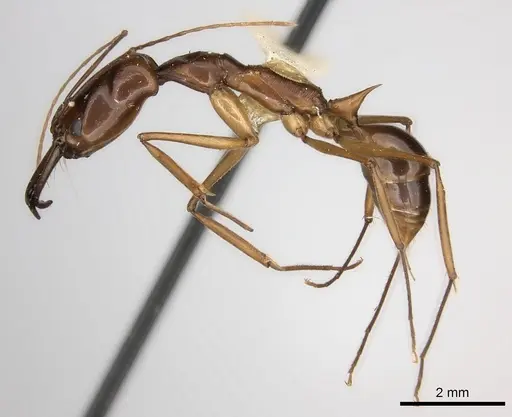
CASENT0270623
Ver no AntWeb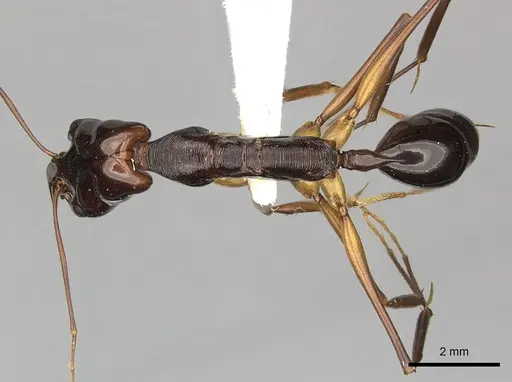
CASENT0650185
Ver no AntWeb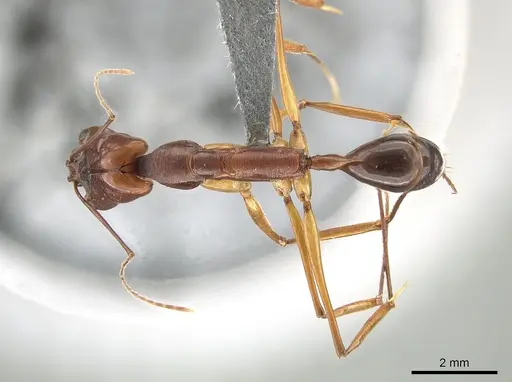
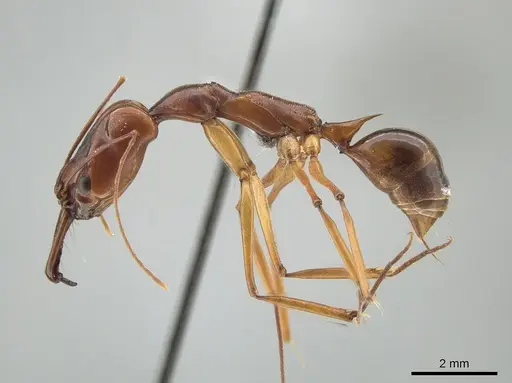
CASENT0650350
Ver no AntWeb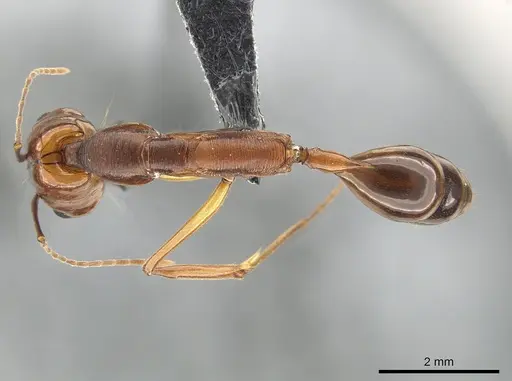
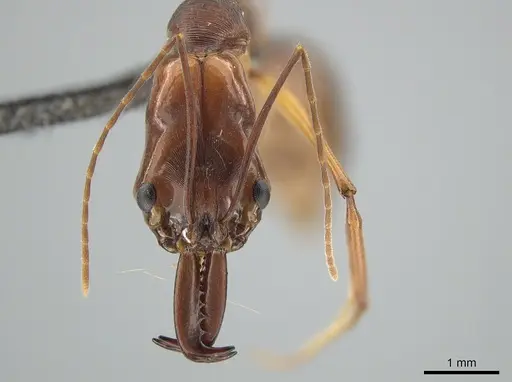
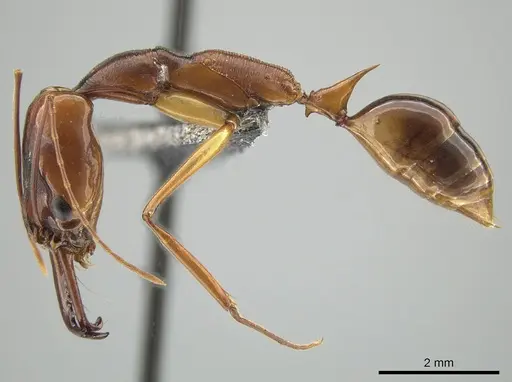
CASENT0903993
Ver no AntWeb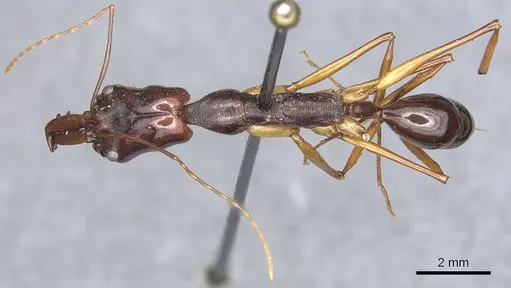
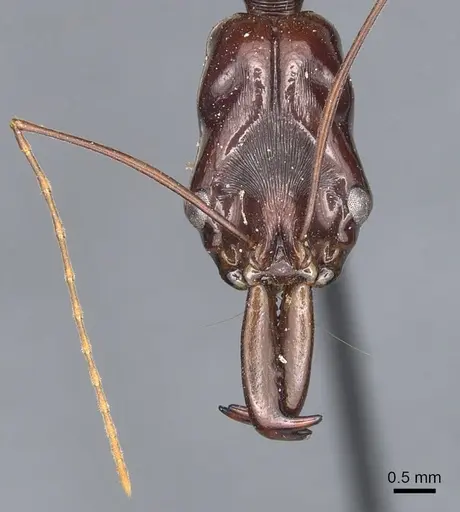
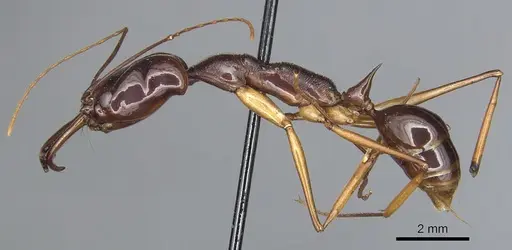
CASENT0903994
Ver no AntWeb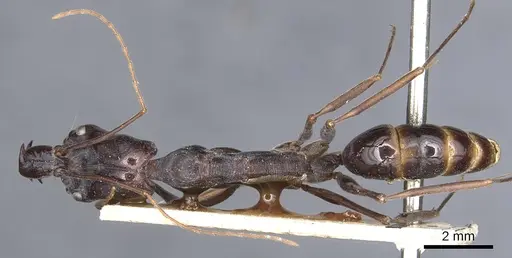
Literatura
Carregando mapa de distribuição...Carregando produtos...