
Odontomachus coquereli
- Nome científico
- Odontomachus coquereli
- Tribo
- Ponerini
- Subfamília
- Ponerinae
- Autor
- Roger, 1861
- Distribuição
- Encontrada em 1 países
Introdução
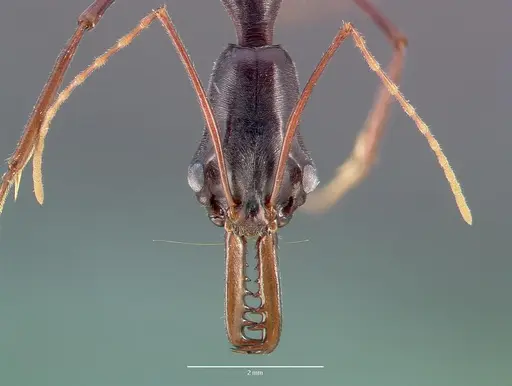
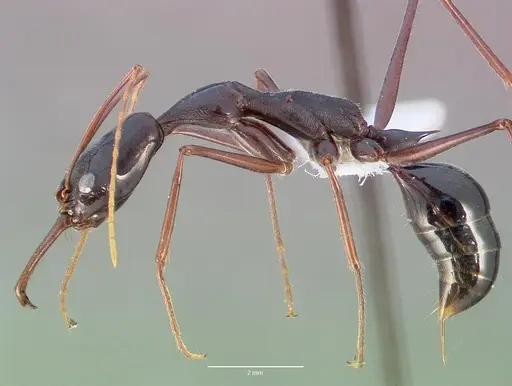
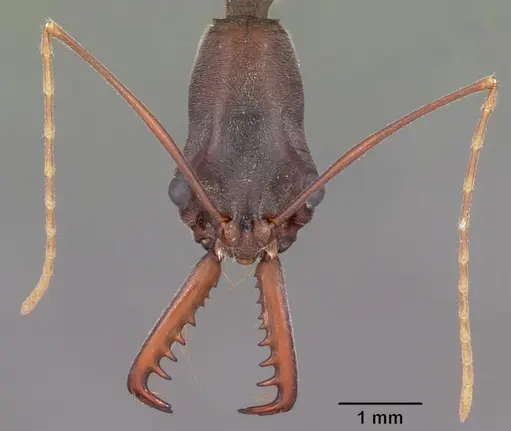
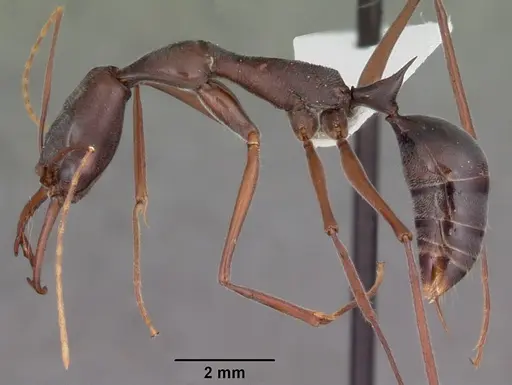
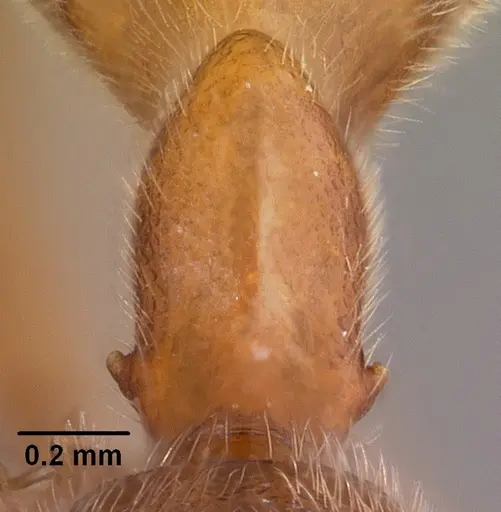
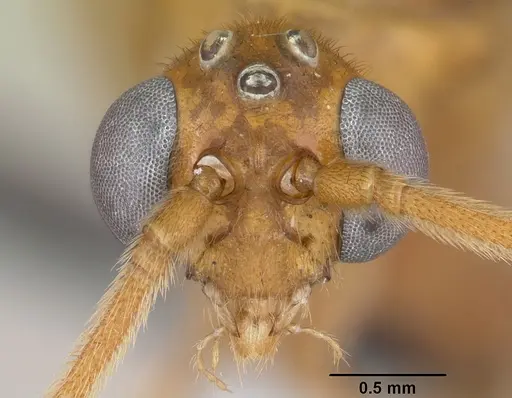
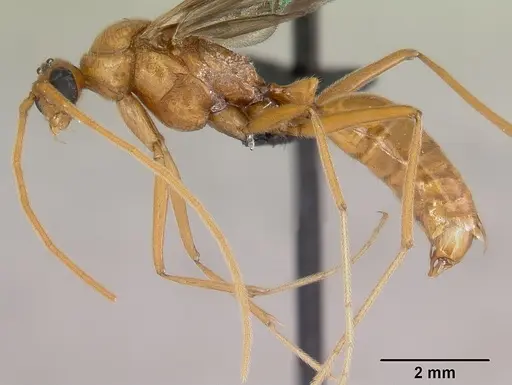
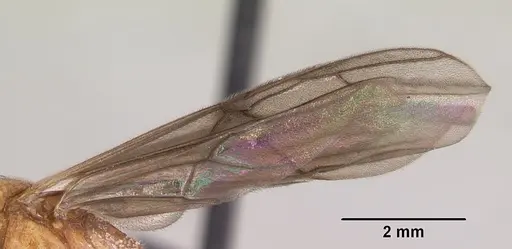
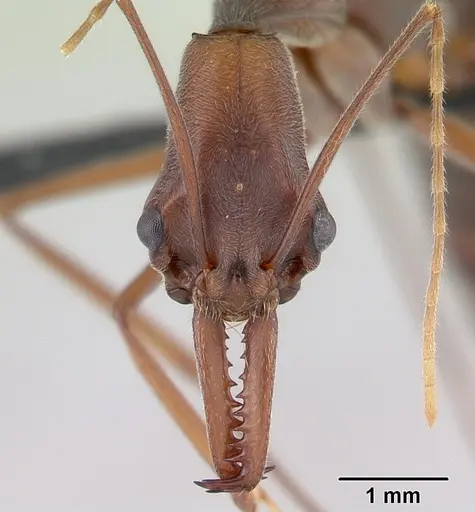
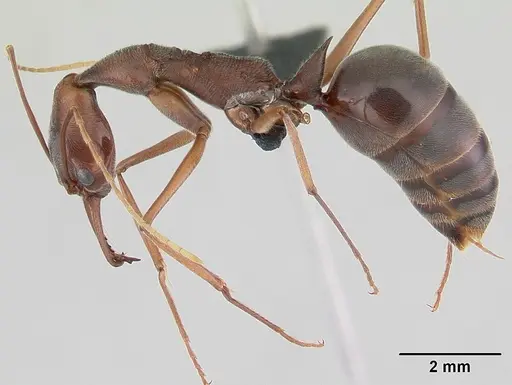
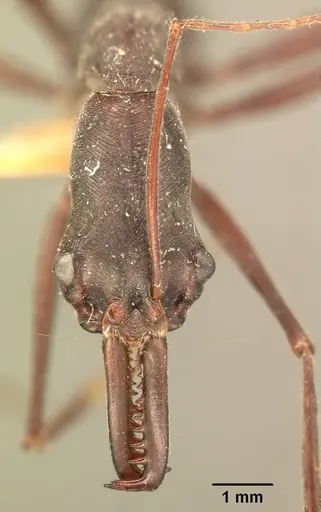
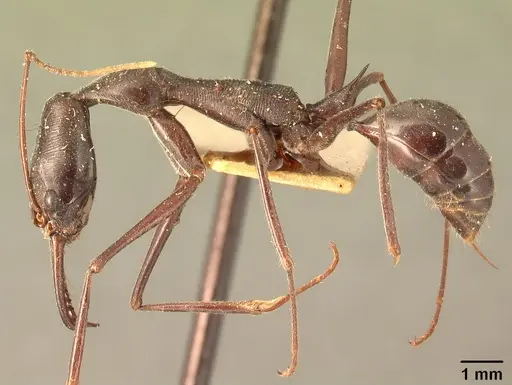
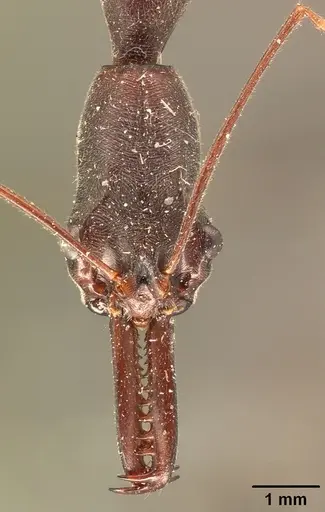
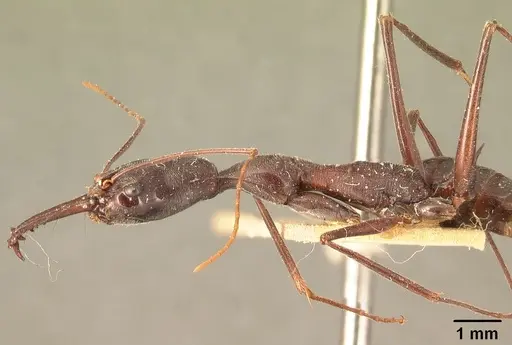
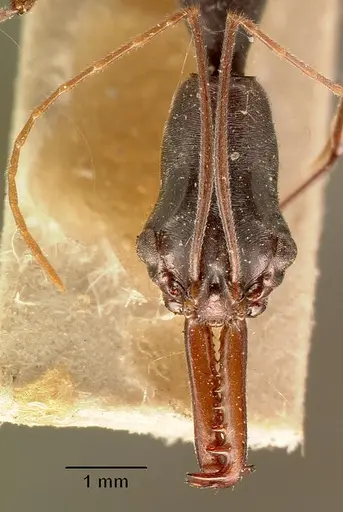
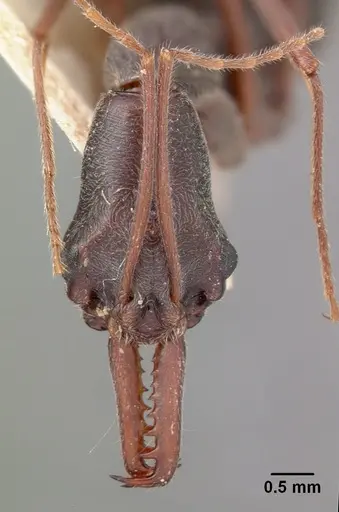
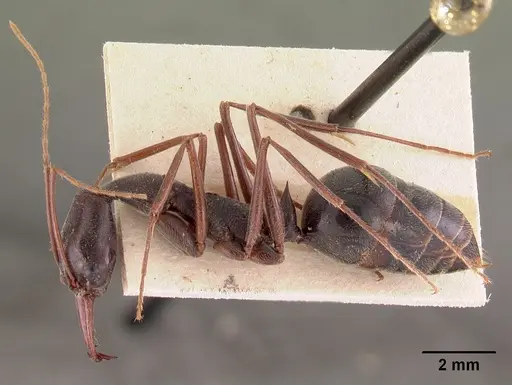
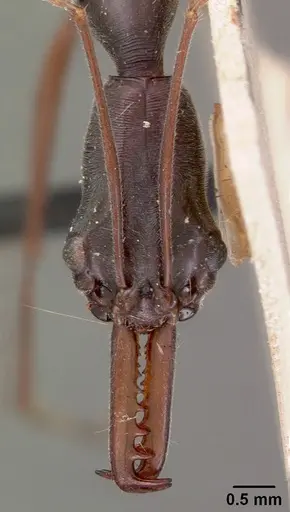
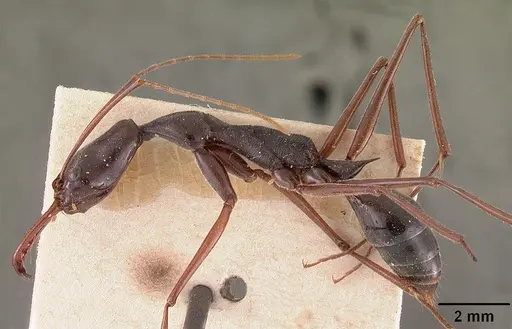
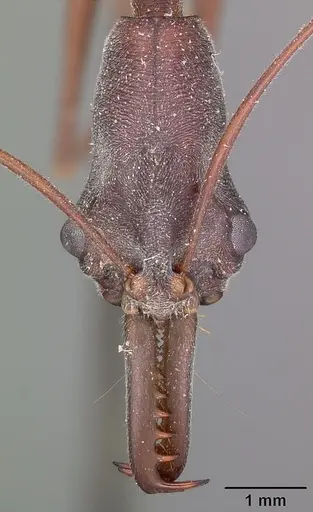
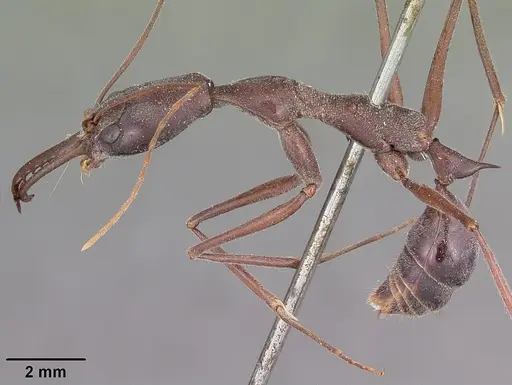
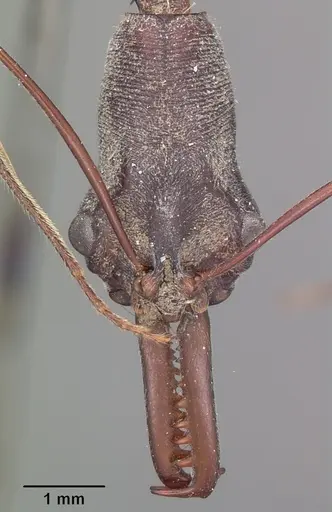
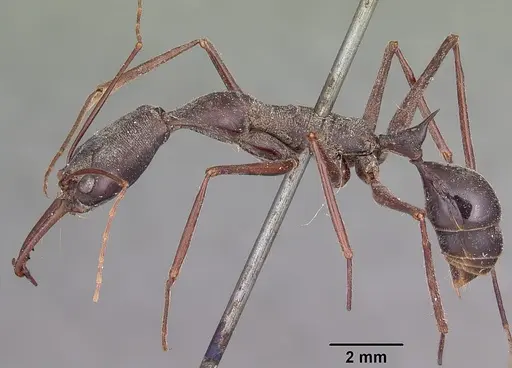
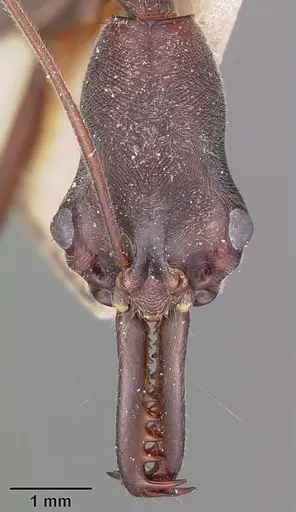
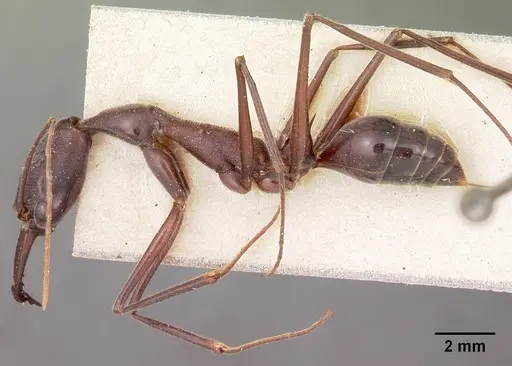
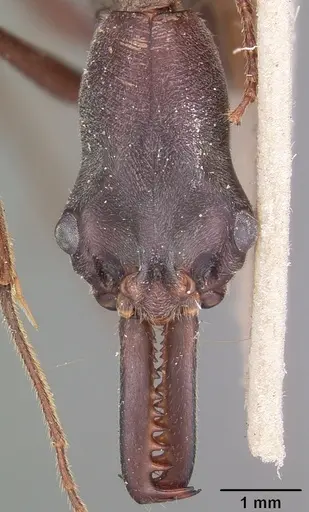
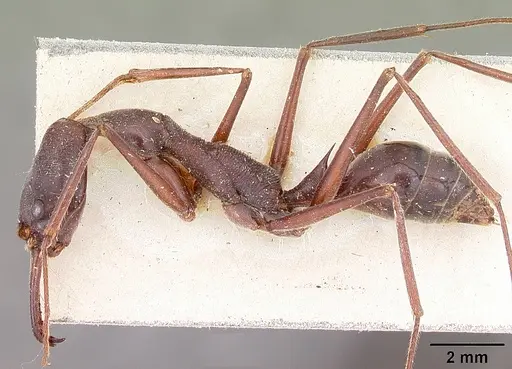
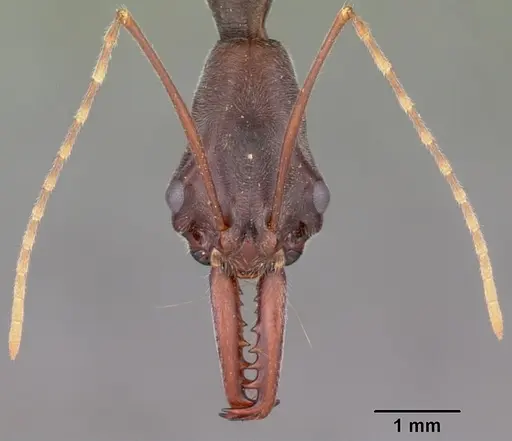
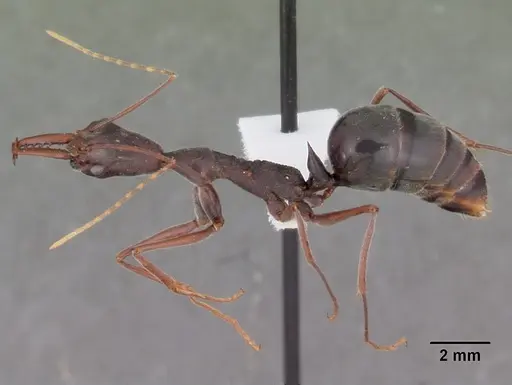
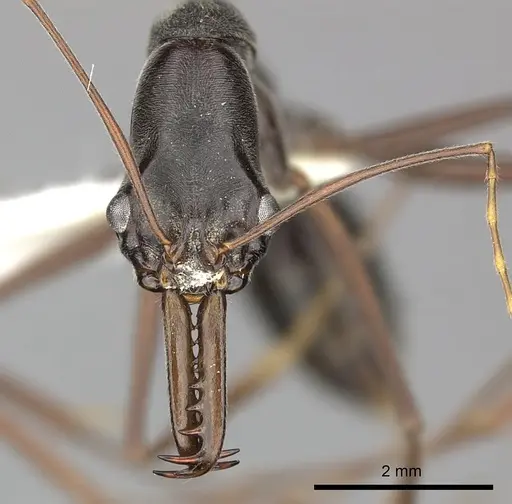
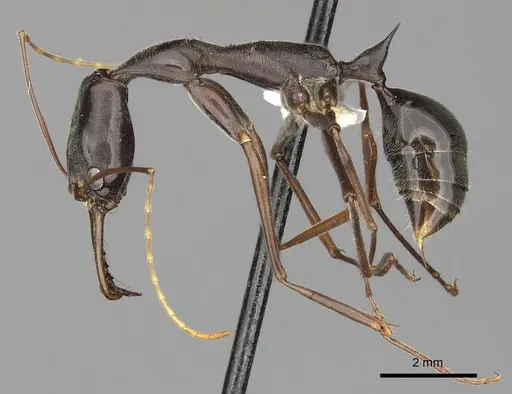
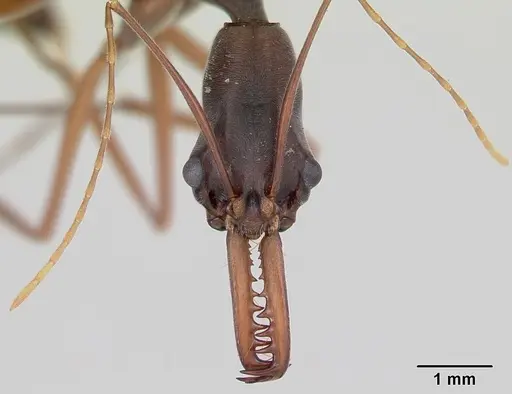
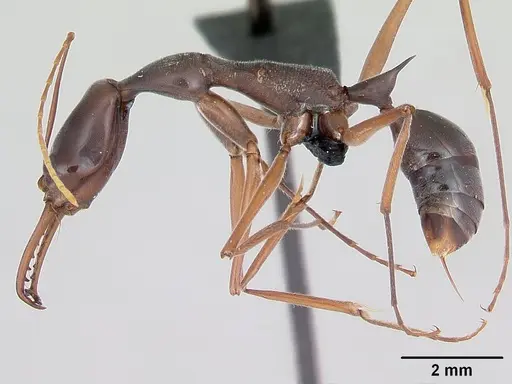
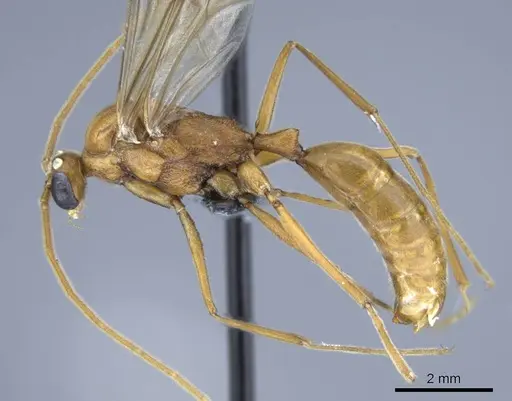
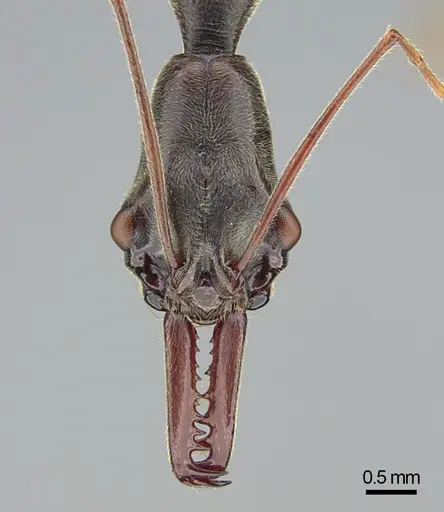
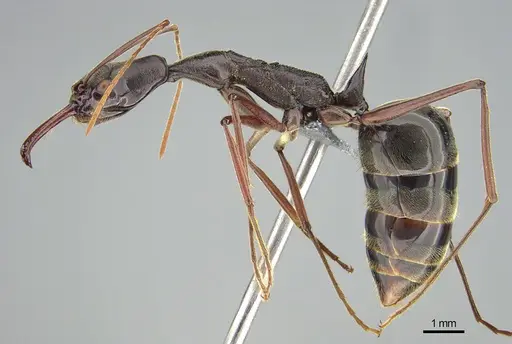
Odontomachus coquereli is a trap-jaw ant endemic to Madagascar . It has a conical head lacking temporal ridges and long mandibles with 7-12 preapical teeth . Total body size data is unavailable, but workers have a mesosoma length of 4.18-5.11 mm . The species inhabits eastern and northern rainforests from 10 to 1,325 m elevation, most abundant at mid-elevations like Marojejy National Park . O. coquereli has a unique reproductive system: winged queens have never been found, and colonies reproduce by fission using wingless ergatoid queens . When colonies reach about 40 workers, the ergatoid queen leaves with a group of workers to start a new nest .
Quick Summary
- Difficulty: Medium
- Origin & Habitat: Endemic to Madagascar, found in eastern and northern montane rainforest, lowland rainforest, and littoral forest from 10 to 1,325 m elevation [1][2]. Nests in rotten logs and branches on the ground in primary rainforest [3][1].
- Colony Type: Single-ergatoid queen colonies with fission reproduction. Colonies split when they reach about 40 workers [3][1].
- Size & Growth:
- Queen: size data unavailable
- Worker: size data unavailable
- Colony: Up to 40 workers [1][2]
- Growth: Slow
- Development: Unknown, no direct data. Based on Ponerinae patterns, likely 8-12 weeks at optimal temperature [1]. (Colony growth is slow, colonies max out at around 40 workers before fission occurs.)
- Antkeeping:
- Temperature: Keep at 22-26°C, based on habitat conditions [1]. A heating cable can create a gradient [4].
- Humidity: Keep nest substrate consistently moist but not waterlogged, as they inhabit rainforests [1]. Provide a water tube [4].
- Diapause: Unknown for this species [3].
- Nesting: In nature, they nest in rotten logs [3][1]. In captivity, use naturalistic setups with rotting wood or plaster nests.
- Behavior: Workers forage solitarily on the ground day and night [1][2]. They are active climbers, so escape risk is moderate, use standard barriers [4].
- Common Issues: colonies remain very small, with up to 40 workers, so not suitable for those wanting large colonies, fission reproduction is slow, colonies take a long time to reach the threshold size for splitting, humidity must be maintained, drying out causes colony decline, no established captive breeding protocols, this species is rarely kept and not well-studied in captivity, ergatoid queen replacement means wild-caught colonies may already be at or near fission threshold
Nest Preferences and Housing
Odontomachus coquereli naturally nests in rotting wood, specifically rotten logs and branches on the rainforest floor [3][1]. In captivity, provide a naturalistic setup with cork, rotting wood, or a well-moistened plaster or Y-tong nest. They prefer tight chambers and humid conditions. Because colonies max out at only 40 workers, a small to medium setup is adequate. The nest material should retain moisture, and a water tube helps maintain humidity [4].
Feeding and Diet
O. coquereli is a predatory ant that hunts small invertebrates. Workers forage solitarily on the ground day and night [1][2]. In captivity, offer small live prey such as fruit flies, small crickets, and mealworms. Provide protein 2-3 times per week and a constant sugar source like honey water. Remove uneaten prey after 24 hours to prevent mold [4].
Temperature and Seasonal Care
Keep your colony at 22-26°C, mimicking the warm conditions of Madagascar's rainforests [1]. A heating cable placed on part of the nest creates a temperature gradient. Diapause requirements are unknown, but Madagascar has mild seasons, so a reduced activity period in winter may be beneficial [3].
Colony Reproduction: The Fission System
This species reproduces by fission: when a colony reaches about 40 workers, the wingless ergatoid queen walks out with a group of workers to establish a new nest [3][1]. This explains why wild colonies never exceed 40 workers. For keepers, colonies grow slowly and max out small. To propagate, provide extra space or allow the colony to reach its natural threshold.
Understanding Ergatoid Queens
The queen caste is wingless (ergatoid) and looks similar to workers, with a larger abdomen for reproduction [3][1]. Each colony has one ergatoid queen dedicated solely to reproduction [5]. If the queen dies, workers can lay male eggs [3]. Wild-caught colonies may already have an established ergatoid queen.
Frequently Asked Questions
How long does it take for Odontomachus coquereli to produce first workers?
The exact egg-to-worker timeline is unknown. Based on Ponerinae patterns, expect 8-12 weeks at optimal temperature [1]. Colonies max out at only 40 workers, so growth is limited.
Can I keep multiple Odontomachus coquereli queens together?
No. This species has single-ergatoid colonies, there is only one reproductive queen per colony [3][1]. Combining unrelated queens would result in fighting.
How big do Odontomachus coquereli colonies get?
Colonies are small, up to about 40 workers [1][2]. This is not a species for keepers wanting large colonies.
Do Odontomachus coquereli ants sting?
Yes, as a Ponerine ant, they have a functional stinger that can be painful. They also have powerful trap-jaw mandibles. Handle with care [4].
What do I feed Odontomachus coquereli?
Offer small live prey such as fruit flies, small crickets, and mealworms. Provide protein 2-3 times per week and a constant sugar source [4].
Are Odontomachus coquereli good for beginners?
This is a medium-difficulty species, not ideal for complete beginners. They have specific humidity requirements, small colony sizes, and an unusual fission-based reproduction system [1].
Do Odontomachus coquereli need hibernation?
Diapause requirements are unknown for this species [3]. Madagascar has mild seasons, so they likely do not require true hibernation.
When will my colony reproduce?
Colonies reproduce by fission when they reach approximately 40 workers [1][2]. This is a slow process, often taking a year or more from founding.
Why are my Odontomachus coquereli dying?
Common causes include drying out (they need high humidity), improper feeding (they need live prey), stress from disturbance, and small colony size. Ensure the nest has appropriate darkness [4].
Report an Issue
The current care sheet is based fully on literature. See inconsistencies, or something that's incorrect? Please , it will be resolved after review from an admin. Contributing to the blogs tab also helps providing information, to make us be able to further improve the caresheets. Thank you for your support!
References

Este guia de cuidados está sob a licença CC BY-SA 4.0 .
Posts da comunidade
CASENT0005967
Ver no AntWeb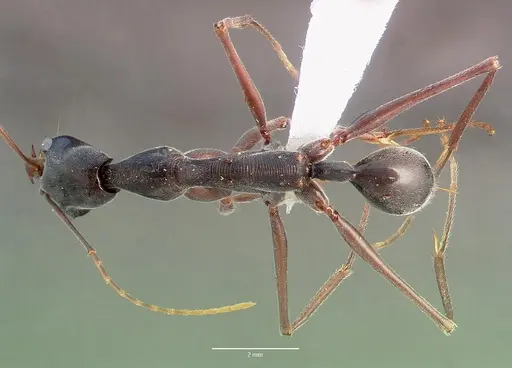
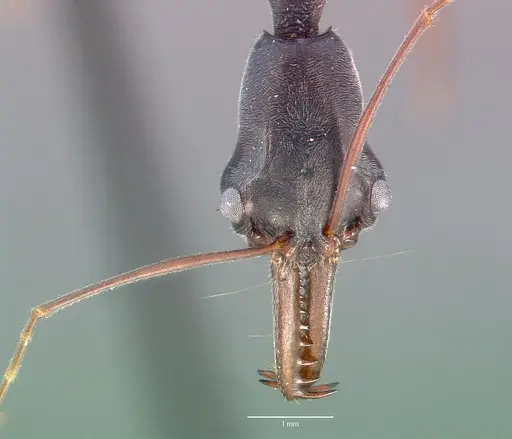
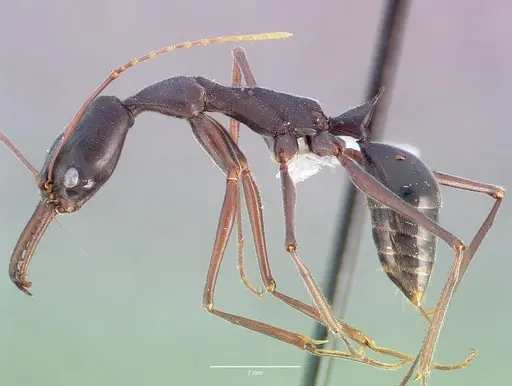
CASENT0005968
Ver no AntWeb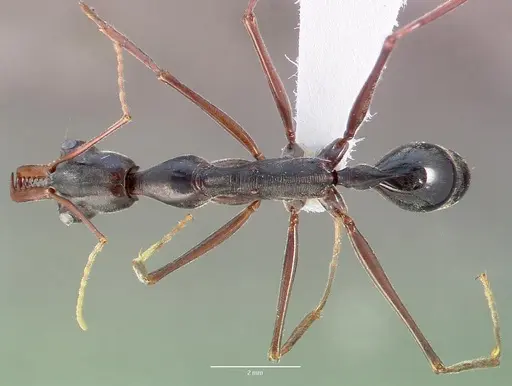
CASENT0009409
Ver no AntWeb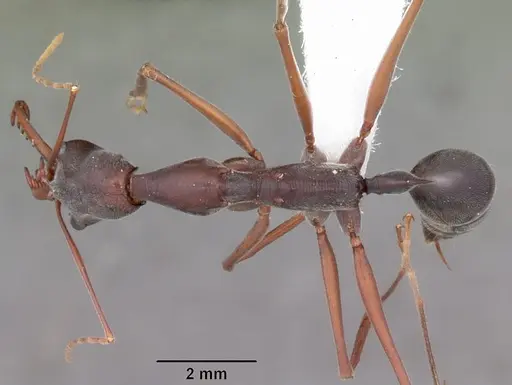
CASENT0049797
Ver no AntWeb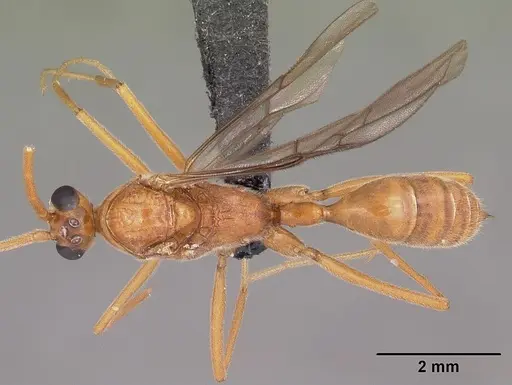
CASENT0063858
Ver no AntWeb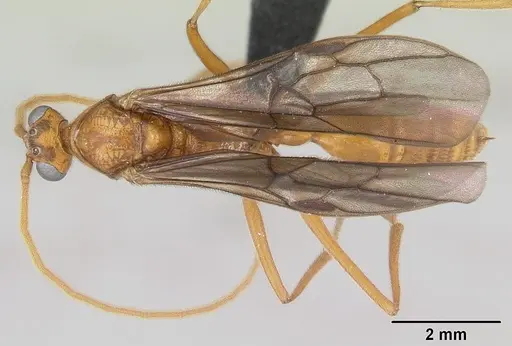
CASENT0076940
Ver no AntWeb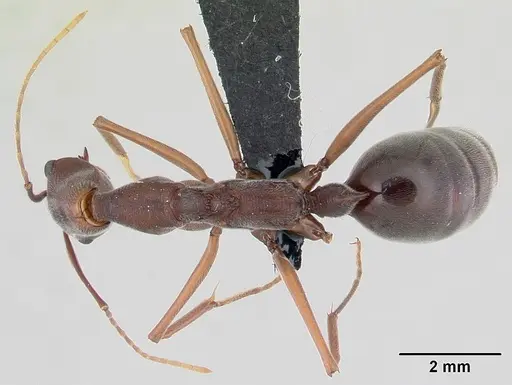
CASENT0101014
Ver no AntWeb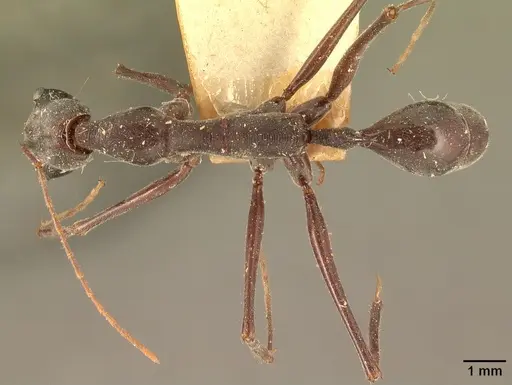
CASENT0101015
Ver no AntWeb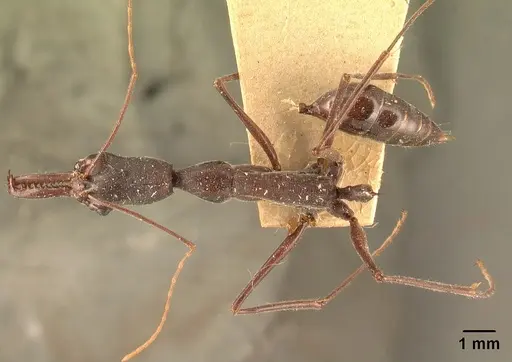
CASENT0101986
Ver no AntWeb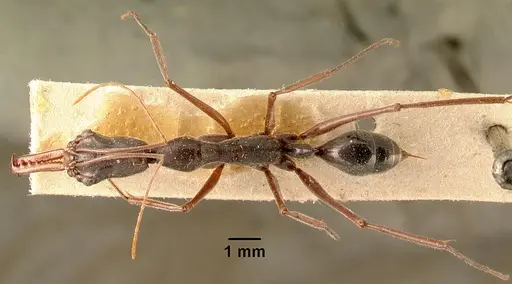
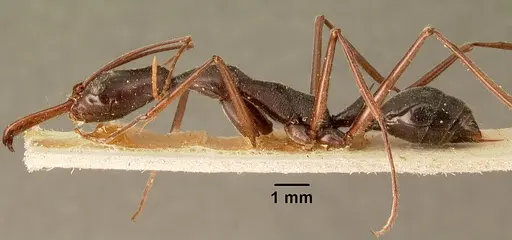
CASENT0102019
Ver no AntWeb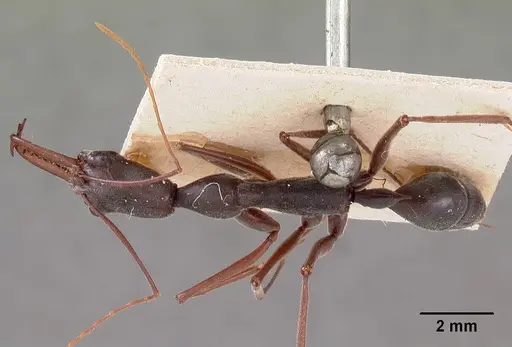
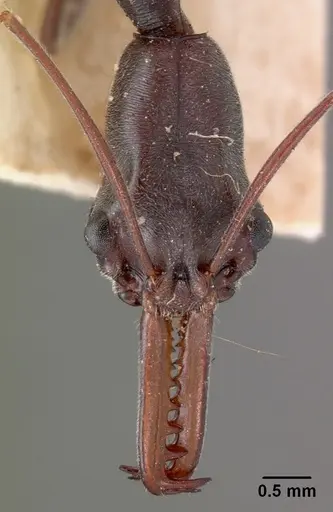
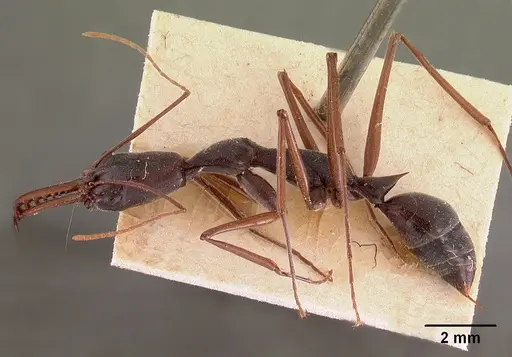
CASENT0102020
Ver no AntWeb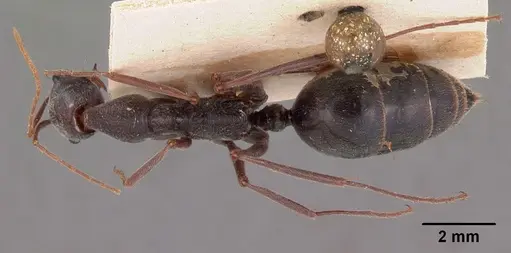
CASENT0102021
Ver no AntWeb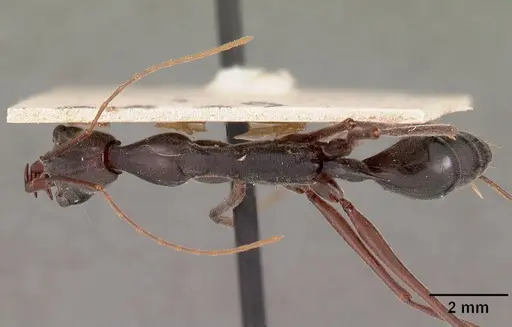
CASENT0104549
Ver no AntWeb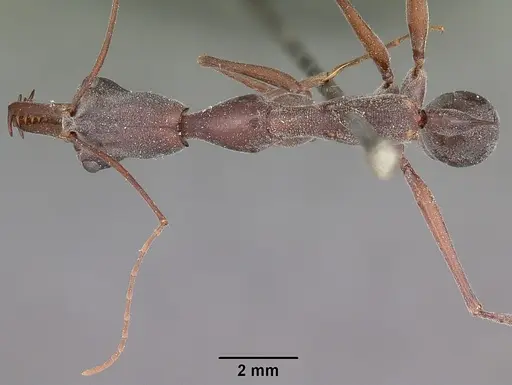
CASENT0104550
Ver no AntWeb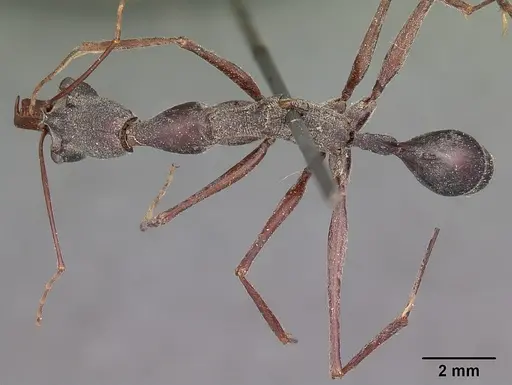
CASENT0104551
Ver no AntWeb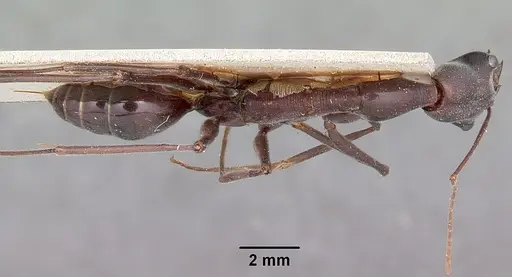
CASENT0104552
Ver no AntWeb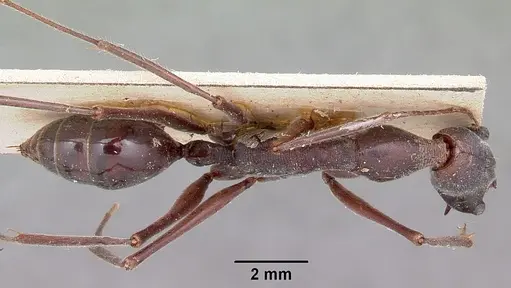
CASENT0104947
Ver no AntWeb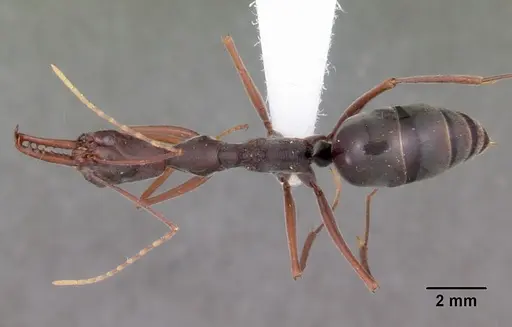
CASENT0135636
Ver no AntWeb
CASENT0270618
Ver no AntWeb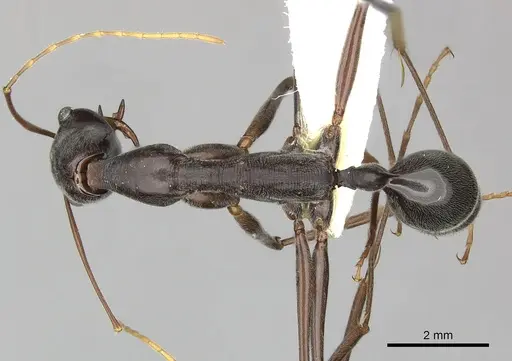
CASENT0499525
Ver no AntWeb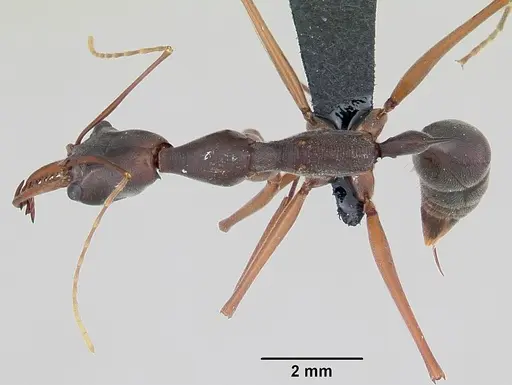
CASENT0740609
Ver no AntWeb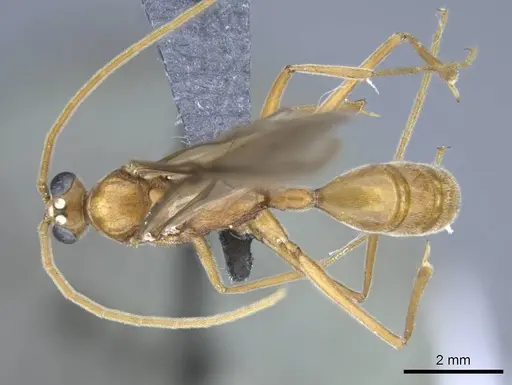
CASENT0740610
Ver no AntWeb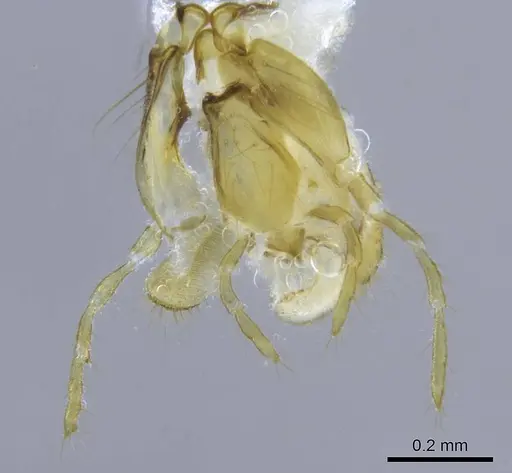
CASENT0745879
Ver no AntWeb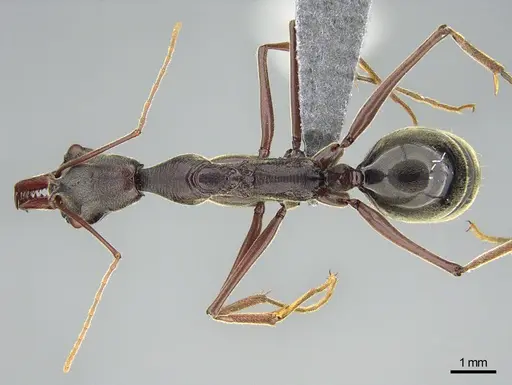
Literatura
Carregando mapa de distribuição...Carregando produtos...