
Ochetomyrmex semipolitus
- Nome científico
- Ochetomyrmex semipolitus
- Tribo
- Attini
- Subfamília
- Myrmicinae
- Autor
- Mayr, 1878
- Distribuição
- Encontrada em 6 países
Introdução
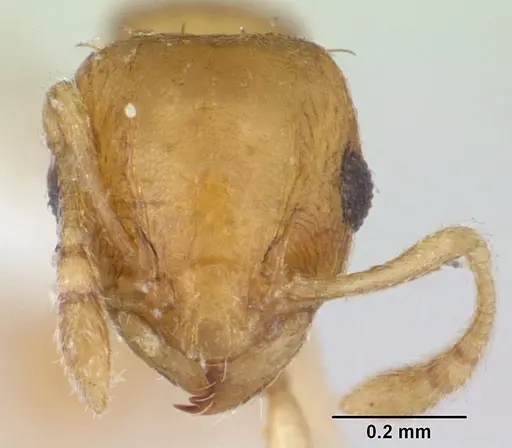
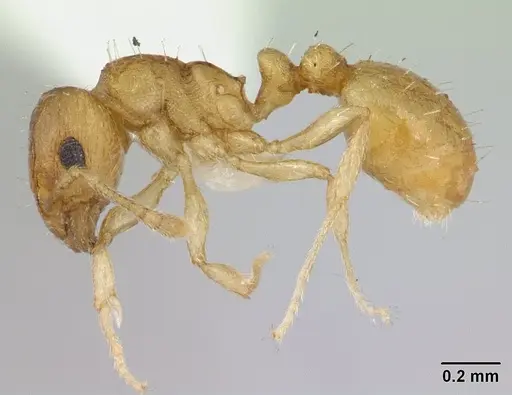
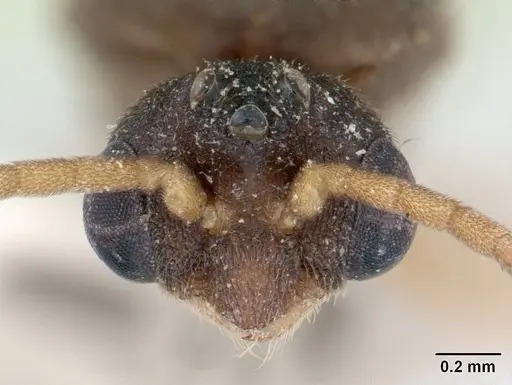
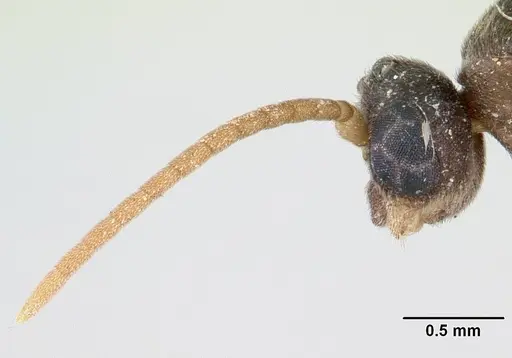
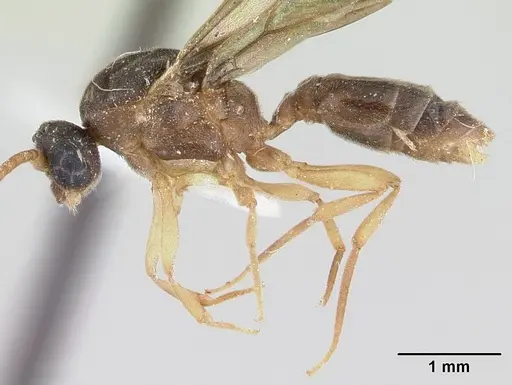
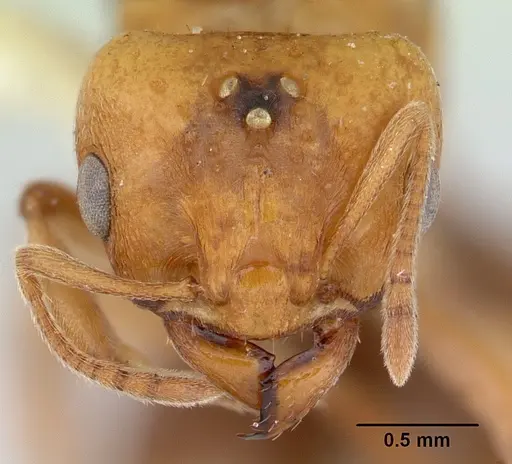
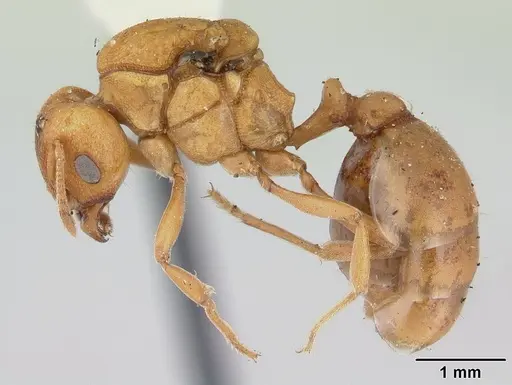
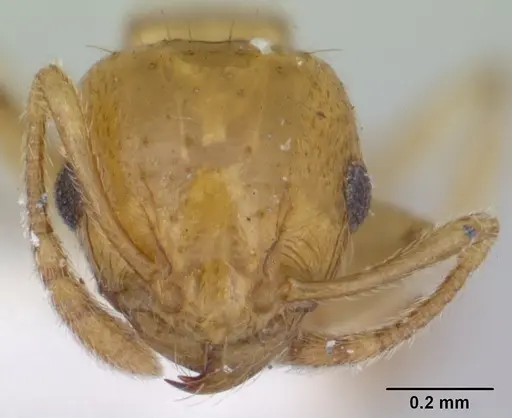
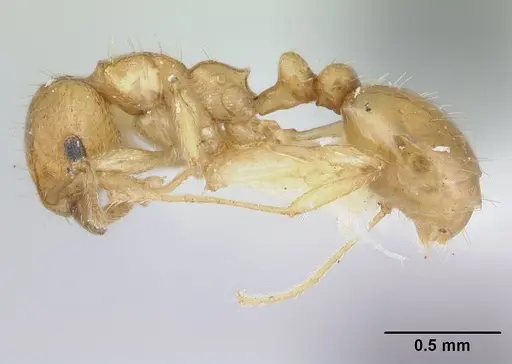
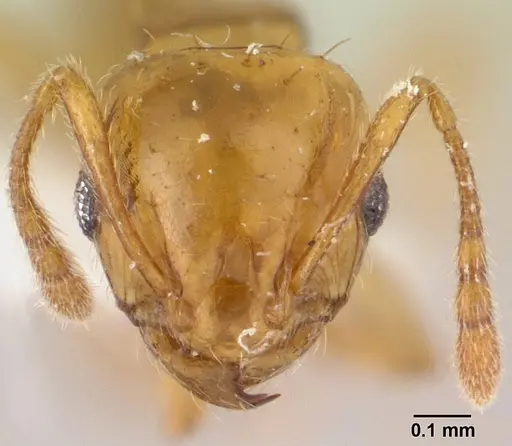
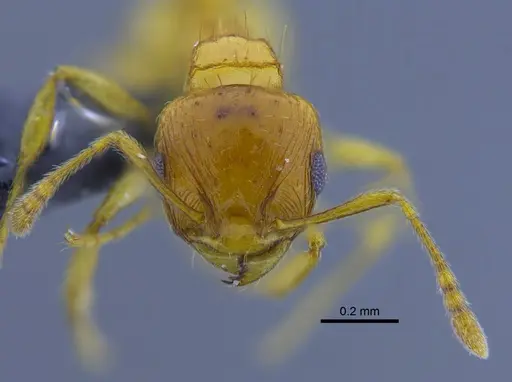
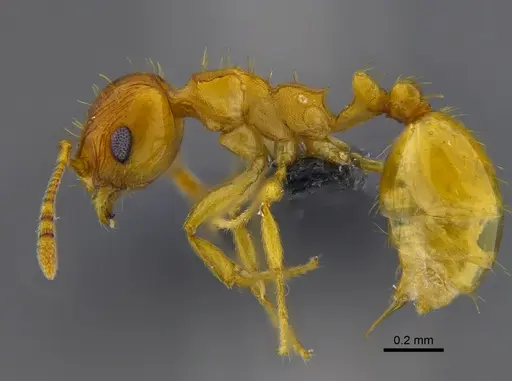
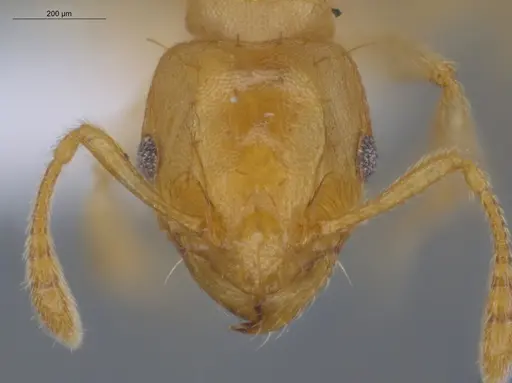
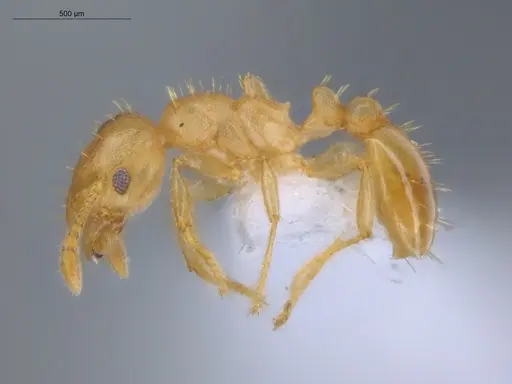
Ochetomyrmex semipolitus is a tiny, cryptobiotic ant native to South America, found across the Amazon and Cerrado regions from Colombia to Argentina . Workers are about 2 mm long, brownish-black, with distinctive frontal carinae that stretch backward past the eyes . These ants live hidden in leaf litter on the forest floor, making them hard to observe . They are monomorphic and belong to the tribe Attini, which includes leaf-cutter ants, though this genus does not grow fungus . The species has a complex taxonomic history and was often confused with Pheidole due to similar appearance .
Quick Summary
- Difficulty: Medium
- Origin & Habitat: South America, leaf litter of tropical lowland forests in Amazon and Cerrado biomes, from Colombia to Argentina at elevations 100-1300m [2][1][3].
- Colony Type: Unknown, colony structure has not been documented in scientific literature.
- Size & Growth:
- Antkeeping:
- Temperature: Keep warm, roughly 24-28°C, based on their tropical forest habitat [2][1].
- Humidity: Keep nest substrate consistently moist but not waterlogged, as they live in humid leaf litter [2][1].
- Diapause: No, tropical ants do not require hibernation [2].
- Nesting: Use small chambers scaled to their size (about 2 mm) [1]. Y-tong or plaster nests work well.
- Behavior: Cryptic and shy, they spend most time hidden in leaf litter [2]. Likely generalist predators [3]. Not aggressive, but escape prevention is crucial due to small size.
- Common Issues: small size makes escape likely without fine mesh barriers., high humidity requirements can lead to mold if ventilation is poor., wild-caught colonies may be difficult to establish due to their cryptic nature., no information on founding behavior makes colony establishment unpredictable., tropical species may struggle in air-conditioned rooms with low humidity.
Natural History
Ochetomyrmex semipolitus is one of the most cryptic ants in South America, spending its life hidden in leaf litter of tropical forests [2]. These tiny ants are monomorphic and cryptobiotic, living concealed in decomposing leaves and debris [2]. They are found across a wide range from Colombia and Guyana to Argentina [1]. The species is more common in Amazon and Cerrado biomes and indicates habitat quality, often correlating with pristine terra firme forest [2]. The genus Ochetomyrmex contains only two species and has been confused with Pheidole, leading to underestimation of distribution [2]. In Amazonian forests, they are subordinate species, able to recruit to food but less frequently than dominant species [4]. Studies show they can be locally dominant on understory plants [5].
Housing and Nest Setup
Because Ochetomyrmex semipolitus is a tiny leaf-litter species, your setup needs small, tight chambers [1]. A Y-tong (AAC) or plaster nest with small passages works best, avoid large open spaces. Keep the nest substrate consistently moist, as they live in humid tropical leaf litter [2][1]. A water tube can help maintain humidity. Good ventilation prevents mold, but avoid direct airflow that dries out the nest. Escape prevention is critical, use fine mesh and barriers like fluon, as they can slip through small gaps.
Feeding and Diet
These ants are likely generalist predators that hunt small arthropods in leaf litter [3]. In captivity, offer small live prey like fruit flies, pinhead crickets, and mealworms, dusted with calcium powder occasionally. Sugar sources are uncertain, offer honey water rarely, but focus on protein. Feed small amounts every 2-3 days, removing uneaten prey after 24 hours. They may drag prey into chambers before you observe it.
Temperature and Seasonal Care
As tropical forest ants, they require warm, stable temperatures [2][1]. Keep at roughly 24-28°C, using a heating cable on one side of the nest if needed. They do not require diapause due to minimal seasonal variation in their habitat [2]. Avoid temperature fluctuations near air conditioning vents.
Behavior in Captivity
This species is challenging to observe due to its cryptic nature, they spend most time hidden in the nest substrate [2]. They are not aggressive and unlikely to sting humans due to their tiny size. Colony growth is likely slow, so patience is key [4].
Frequently Asked Questions
How long does it take for Ochetomyrmex semipolitus to produce first workers?
Unknown, no scientific data exists [1][2]. Maintain warm temperatures (24-28°C) to support colony growth [2][1].
Can I keep multiple queens together?
Colony structure is unconfirmed [1][2]. Combining unrelated queens is not recommended, as it may lead to conflict.
Are Ochetomyrmex semipolitus good for beginners?
This species is not ideal for beginners due to high humidity needs, warm temperatures, and cryptic nature that makes observation difficult [2][1].
What do Ochetomyrmex semipolitus eat?
They are likely generalist predators [3]. Feed small live prey like fruit flies and pinhead crickets, sugar acceptance is uncertain.
How big do Ochetomyrmex semipolitus colonies get?
Colony size is unknown [1][2]. Based on their cryptic lifestyle, colonies are likely small.
Do they need hibernation?
No, they are tropical ants from regions with minimal seasonal temperature variation [2].
When should I move them to a formicarium?
Keep them in a test tube setup initially. Move to a small nest once the colony has several workers and uses the outworld regularly [1].
Why can't I see my ants?
This is normal, they are cryptobiotic and live hidden in leaf litter [2]. You may only see occasional foragers.
Is this species invasive?
No. Ochetomyrmex semipolitus is native to South America and has not been documented as invasive [1]. Never release any ant outside its native range.
Report an Issue
The current care sheet is based fully on literature. See inconsistencies, or something that's incorrect? Please , it will be resolved after review from an admin. Contributing to the blogs tab also helps providing information, to make us be able to further improve the caresheets. Thank you for your support!
References

Este guia de cuidados está sob a licença CC BY-SA 4.0 .
Posts da comunidade
CASENT0178481
Ver no AntWeb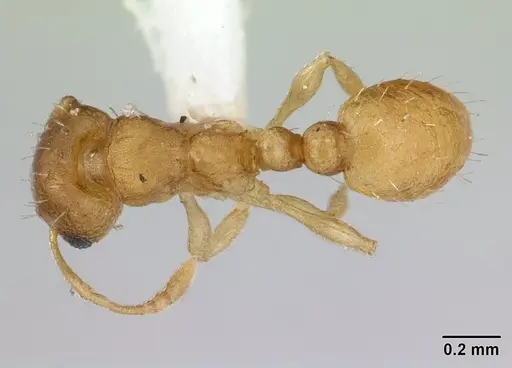
CASENT0178482
Ver no AntWeb
CASENT0178483
Ver no AntWeb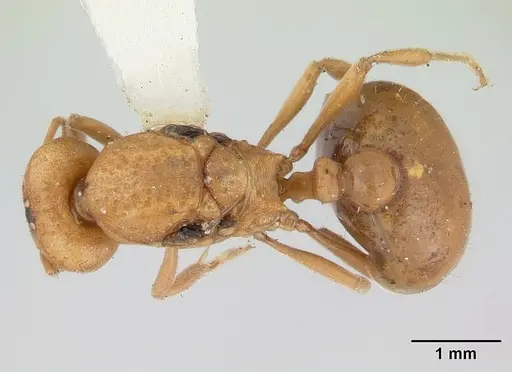
CASENT0178552
Ver no AntWeb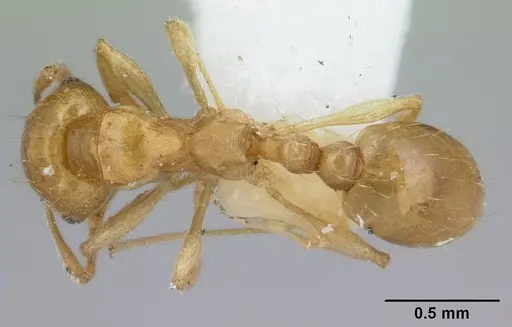
CASENT0179475
Ver no AntWeb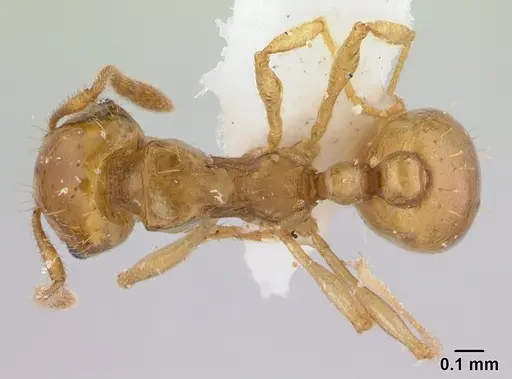
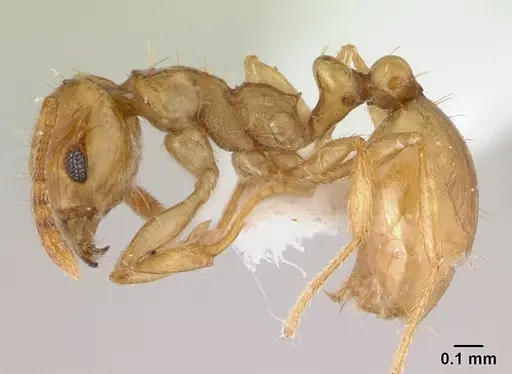
CASENT0179593
Ver no AntWeb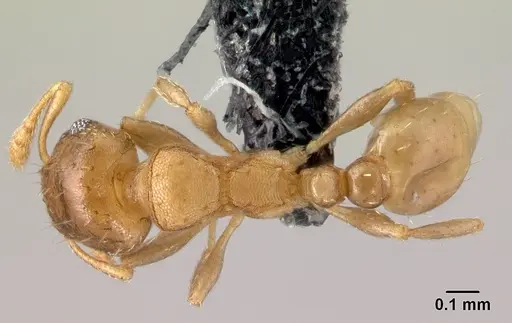
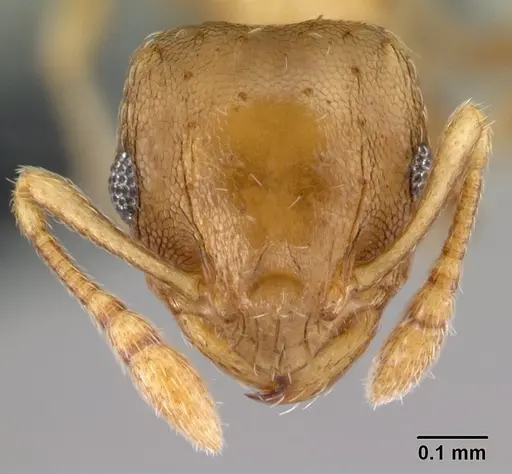
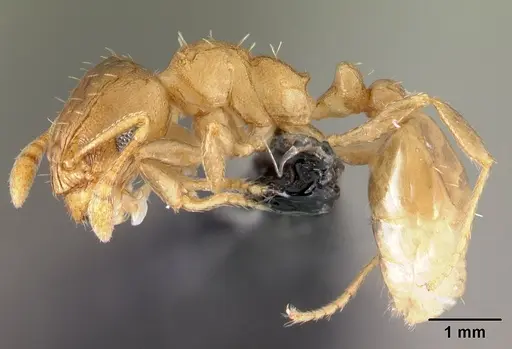
CASENT0909210
Ver no AntWeb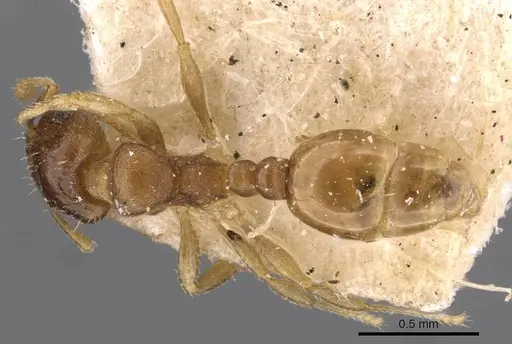
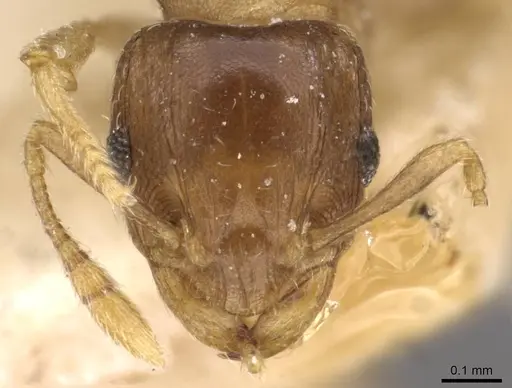
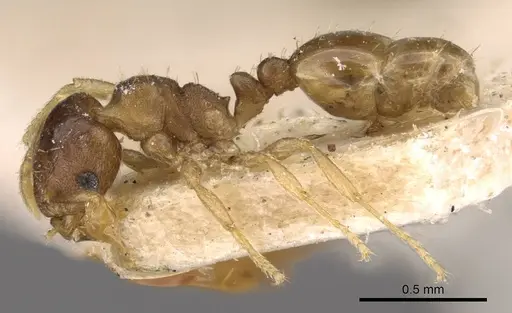
CASENT0909211
Ver no AntWeb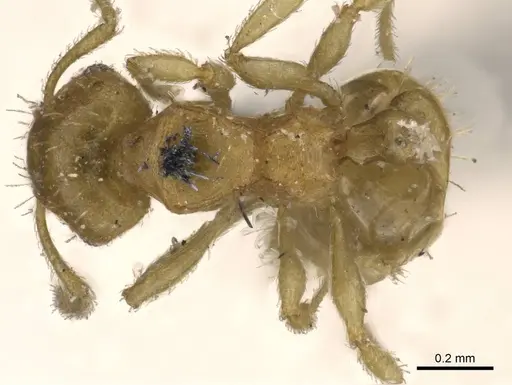
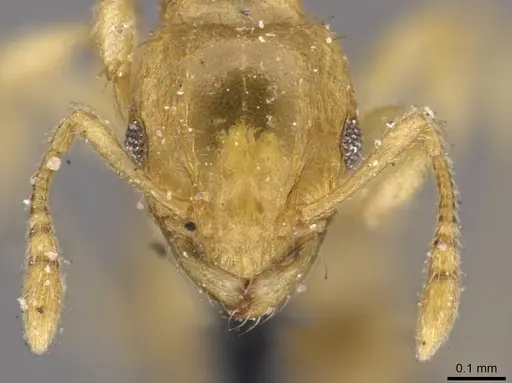
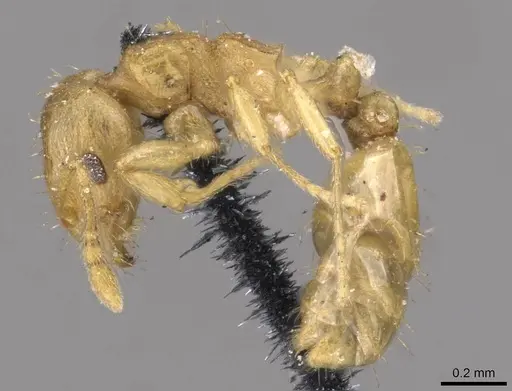
CASENT0919729
Ver no AntWeb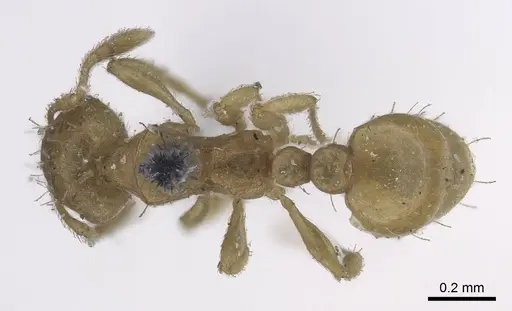
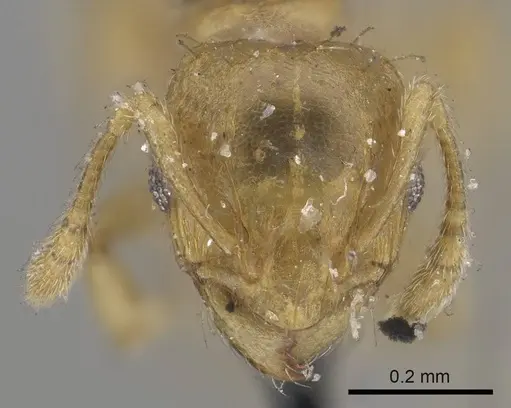
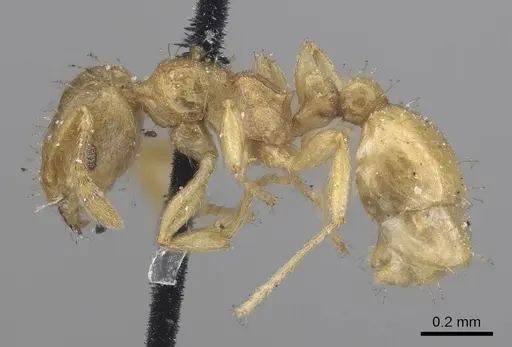
CASENT0922803
Ver no AntWeb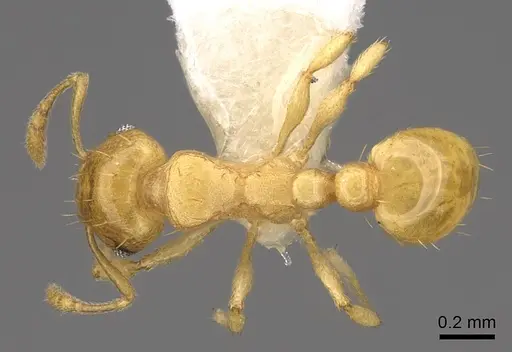
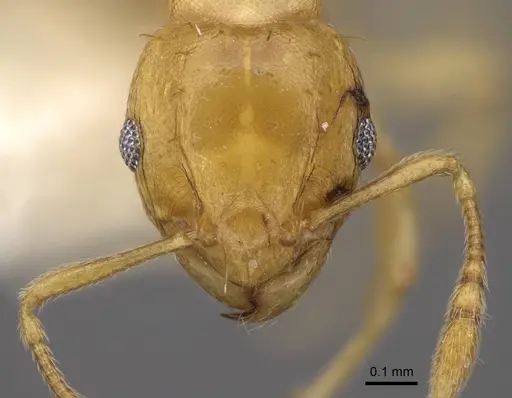
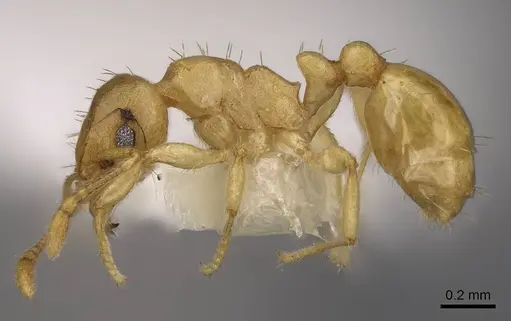
CBUMAGENT41910
Ver no AntWeb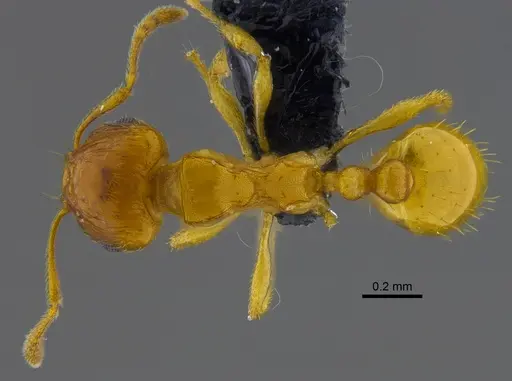
ECOFOG-IT14-0457-08
Ver no AntWeb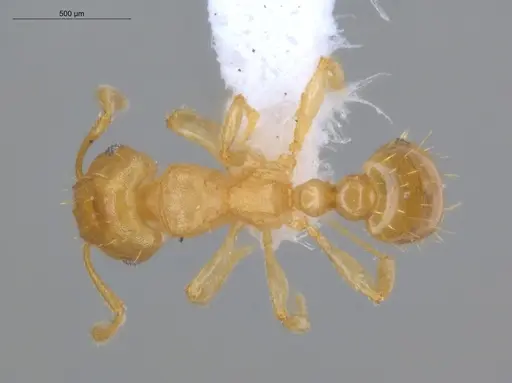
Literatura
Carregando mapa de distribuição...Carregando produtos...