
Nesomyrmex brimodus
- Nome científico
- Nesomyrmex brimodus
- Tribo
- Crematogastrini
- Subfamília
- Myrmicinae
- Autor
- Bolton, 1995
- Distribuição
- Encontrada em 0 países
Introdução
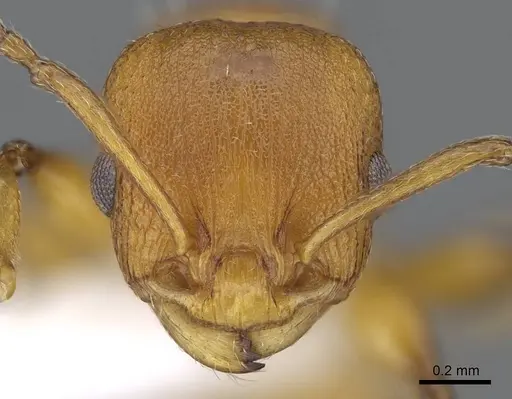
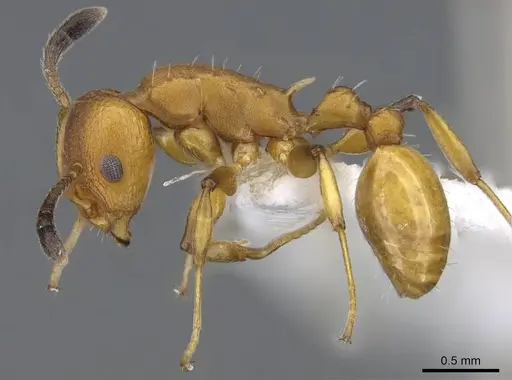
Nesomyrmex brimodus is a small Myrmicinae ant species native to the Neotropical region, found in Mexico and Venezuela. Workers are tiny with the slender build characteristic of Nesomyrmex ants. This species was originally described as Leptothorax timidus in 1959 but was renamed in 1995 after taxonomists discovered the name was already in use. The type specimens were collected from Venezuela in 1944,found on an orchid (Cattleya pseudobulb), suggesting they may nest in epiphytic microhabitats. As a member of the Myrmicinae subfamily, they possess a modified stinger capable of smearing venom onto enemies rather than piercing flesh. This is an extremely rare species in the ant-keeping hobby with virtually no documented captive care information.
Quick Summary
- Difficulty: Unknown
- Origin & Habitat: Neotropical region, Mexico and Venezuela [1]. Type specimens were collected from an orchid, suggesting potential epiphytic or arboreal nesting habits.
- Colony Type: Colony structure is unconfirmed. No data exists on whether they are single-queen or multi-queen colonies.
- Size & Growth:
- Queen: size data unavailable
- Worker: size data unavailable
- Colony: Unknown, no colony size data available
- Growth: Unknown
- Development: Unconfirmed, no development data exists for this species (Development timeline is unconfirmed.)
- Antkeeping:
- Temperature: Unknown, infer roughly 22-28°C based on Neotropical distribution. Start in the mid-20s and observe colony activity.
- Humidity: Unknown, likely requires moderate to high humidity typical of tropical forest ants. Keep nest substrate slightly moist.
- Diapause: Unknown, Neotropical species may not require true hibernation, but may have reduced activity during cooler/drier seasons.
- Nesting: Unconfirmed. The type specimen was found on an orchid, suggesting possible arboreal or epiphytic nesting. Likely accepts typical small-ant setups like test tubes or Y-tong nests with tight chambers.
- Behavior: Behavior is undocumented. Likely similar to other Nesomyrmex species, small, relatively non-aggressive, generalist foragers. Escape prevention is critical due to their tiny size, they can squeeze through standard mesh barriers. Defense mechanism involves smearing venom onto enemies using a modified stinger.
- Common Issues: no documented care information exists, this is essentially an unstudied species in captivity, tiny size makes escape prevention challenging, use fine mesh and tight-fitting lids, lack of biological data means keepers are essentially pioneering captive husbandry, wild-caught colonies may have unknown parasites or pathogens, unknown acceptance of captive food sources, may require experimentation
Species Overview and History
Nesomyrmex brimodus has a complicated taxonomic history. It was first described in 1959 by Kempf as Nesomyrmex brimodus, but taxonomists later discovered this name was already in use for another species (Temnothorax convexus Santschi,1912,now in Temnothorax). In 1995,Bolton renamed the species to brimodus to avoid the naming conflict, and in 2003,the species was moved from the genus Leptothorax to Nesomyrmex. The type specimens were collected in Venezuela in October 1944,found on a Cattleya orchid pseudobulb, an unusual finding that suggests these ants may live in epiphytic situations, potentially nesting among orchid roots or in hollow stems.
Distribution and Natural Habitat
This species is known from only two countries in the Neotropical region: Mexico and Venezuela. The exact localities in Mexico remain unspecified in available records. The type specimen's association with an orchid suggests they may be arboreal or at least frequently found in elevated microhabitats. In Venezuela, they appear to be found in suitable tropical habitats. Without more collection data, it is impossible to determine their precise ecological preferences, but they likely inhabit humid tropical forest environments typical of the region. [1]
Housing and Nesting
Since no captive care data exists for this species, housing recommendations are entirely inferential. The orchid association suggests epiphytic nesting may be natural, but they likely also use small cavities in wood, bark, or soil. For captivity, start with standard small-ant setups: test tubes work well for founding colonies, while Y-tong nests with tight chambers suit established colonies. Given their tiny size, ensure chambers and passages are appropriately scaled, avoid large, open spaces. Provide a water tube for humidity and keep the nest area moderately humid.
Feeding and Diet
Diet is completely unstudied for this species. As a Nesomyrmex (a Myrmicinae genus), they likely have generalist feeding habits similar to related ants. Offer sugar water or honey as an energy source, and protein sources like small insects (fruit flies, pinhead crickets, mealworm pieces). Start with small portions and observe acceptance. Given their likely small colony size, avoid overfeeding. Remove uneaten food promptly to prevent mold.
Temperature and Seasonal Care
No specific temperature data exists for this species. As a Neotropical ant from Mexico and Venezuela, they likely prefer warm conditions, roughly 22-28°C seems reasonable as a starting point. Observe your colony's behavior: if workers are active and foraging, the temperature is likely suitable. If they cluster away from heat or become sluggish, adjust accordingly. Neotropical species may not require true hibernation, but activity likely decreases during natural cool or dry periods. No diapause requirements have been documented.
Challenges and Considerations
This is one of the least-documented ant species in the hobby. Keeping Nesomyrmex brimodus successfully will require experimentation and careful observation rather than following established care protocols. Start with conservative conditions, moderate warmth, moderate humidity, standard small-ant housing. Document your observations carefully so the antkeeping community can learn from your experience. The tiny worker size means escape prevention must be excellent, even standard test tube cotton can have gaps large enough for them to squeeze through. Use fine mesh barriers and check all connection points regularly.
Frequently Asked Questions
How do I care for Nesomyrmex brimodus ants?
No established care protocol exists for this species. Start with standard small-ant setups: test tubes for founding colonies, moderate warmth (22-28°C), slightly moist nest substrate, and offer sugar water plus small protein sources. Document your observations carefully as you pioneer captive care for this species.
What do Nesomyrmex brimodus ants eat?
Diet is unconfirmed. Likely accepts sugar sources (honey, sugar water) and small protein (fruit flies, tiny insects). Start with small amounts and observe acceptance, adjusting based on what your colony consumes.
How long does it take for Nesomyrmex brimodus to develop from egg to worker?
Development timeline is unconfirmed. No data exists for this species.
How big do Nesomyrmex brimodus colonies get?
Colony size is unknown. No data exists on maximum colony size.
Do Nesomyrmex brimodus ants sting?
As Myrmicinae, they have stingers. Their defense mechanism involves smearing venom onto enemies using a modified, flattened stinger rather than piercing. Given their tiny size, any sting effect on humans is likely negligible.
Can I keep multiple Nesomyrmex brimodus queens together?
Colony structure is unconfirmed. No data exists on whether they are single-queen or multi-queen colonies. Do not attempt combining unrelated queens without observation capability.
What temperature should I keep Nesomyrmex brimodus at?
Temperature requirements are unconfirmed. Start around 22-28°C and adjust based on colony activity. Neotropical species generally prefer warm, stable conditions.
Is Nesomyrmex brimodus good for beginners?
No. This is an essentially unstudied species with no documented captive care information. Keeping them successfully requires experience with ant husbandry and willingness to experiment. Not recommended for beginners.
Where does Nesomyrmex brimodus live in the wild?
They are found in Mexico and Venezuela in the Neotropical region. Type specimens were found on an orchid, suggesting potential epiphytic or arboreal nesting habits in tropical habitats.
Why is Nesomyrmex brimodus so rare in the ant-keeping hobby?
This species has virtually no presence in the hobby because it was only documented scientifically and has no established captive breeding programs. The lack of any biological or ecological data makes them extremely challenging to keep.
Report an Issue
The current care sheet is based fully on literature. See inconsistencies, or something that's incorrect? Please , it will be resolved after review from an admin. Contributing to the blogs tab also helps providing information, to make us be able to further improve the caresheets. Thank you for your support!
References

Este guia de cuidados está sob a licença CC BY-SA 4.0 .
Posts da comunidade
CASENT0914988
Ver no AntWeb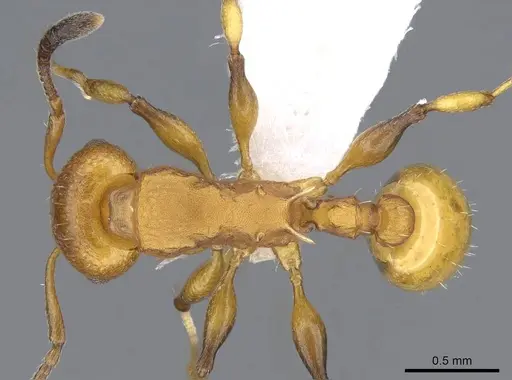
Literatura
Carregando mapa de distribuição...Carregando produtos...