
Mystrium mysticum
- Nome científico
- Mystrium mysticum
- Tribo
- Amblyoponini
- Subfamília
- Amblyoponinae
- Autor
- Roger, 1862
- Distribuição
- Encontrada em 2 países
Introdução
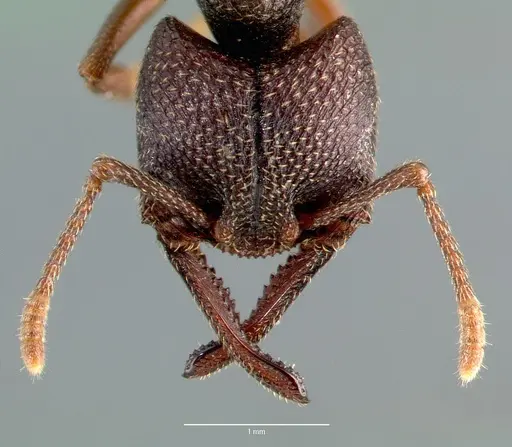
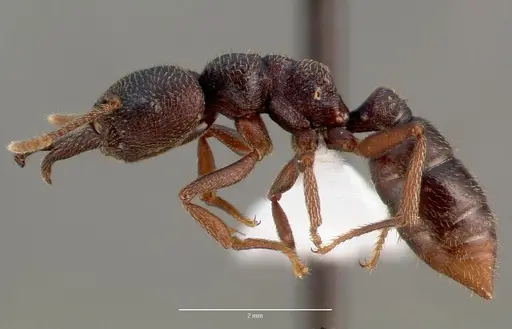
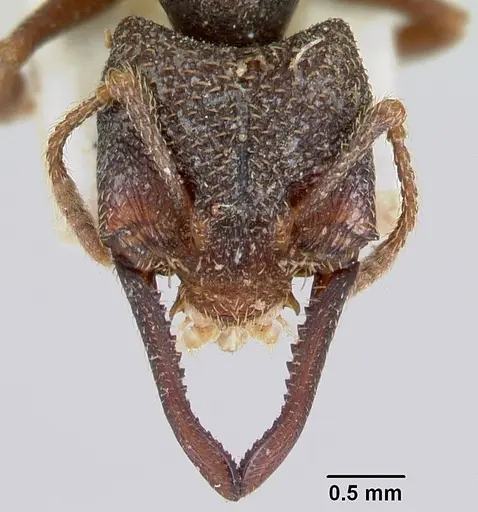
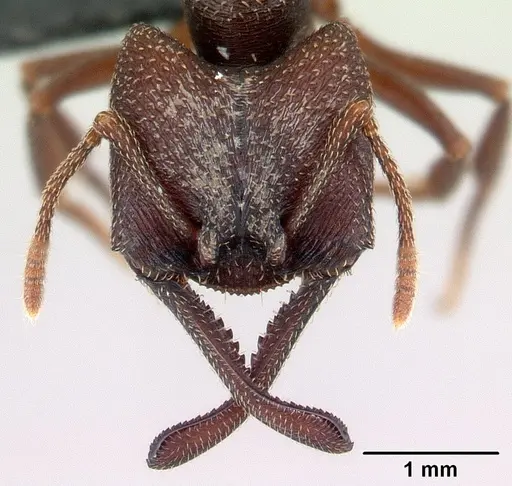
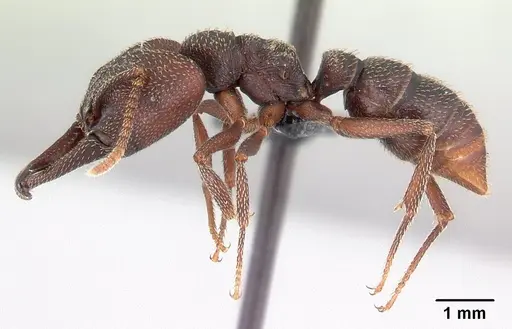
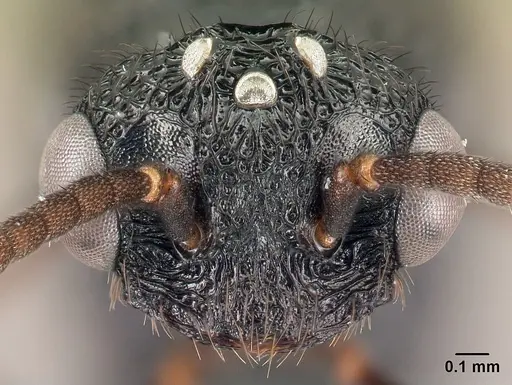
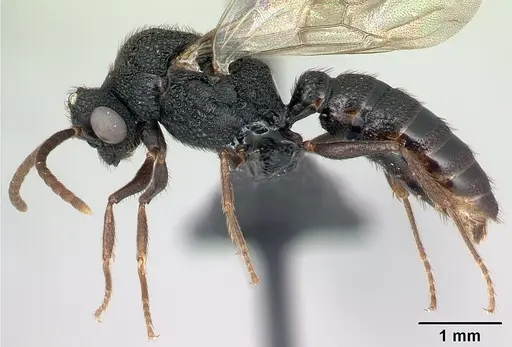
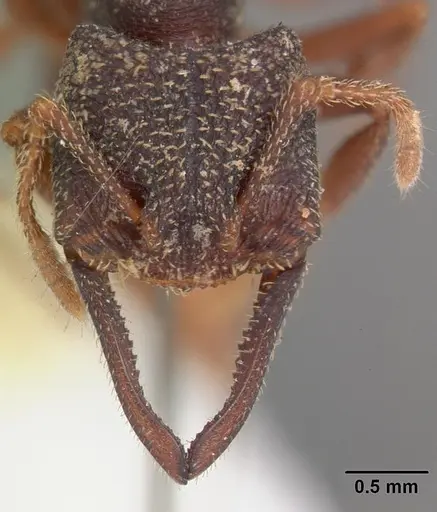
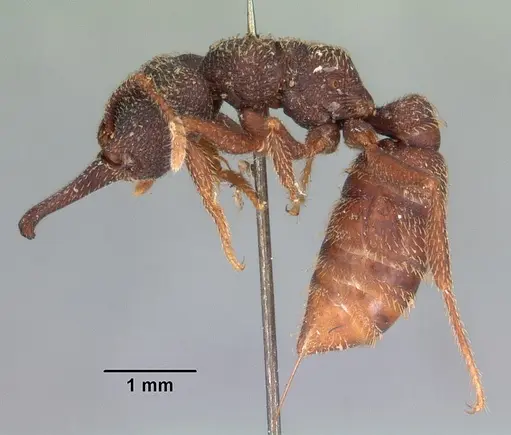
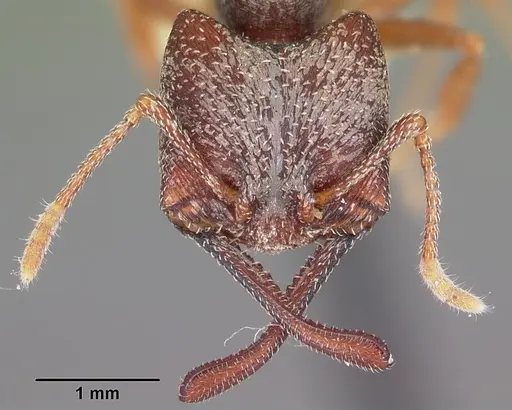
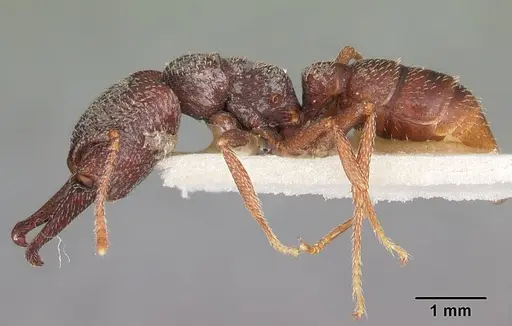
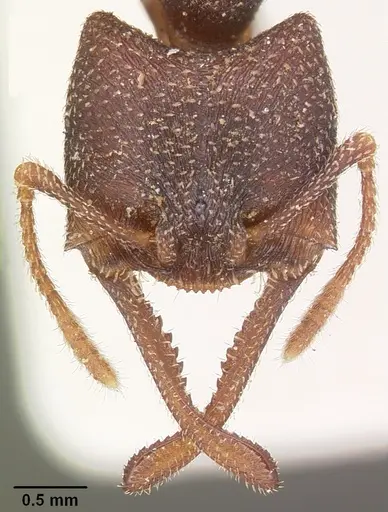
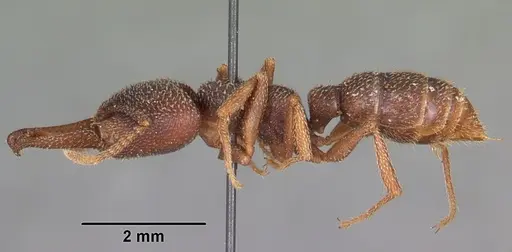
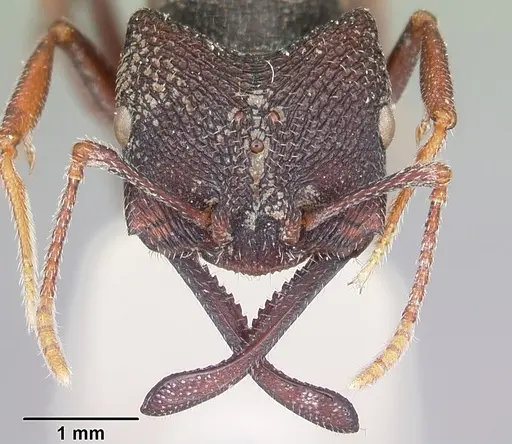
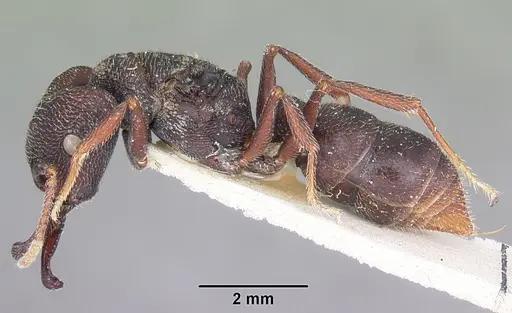
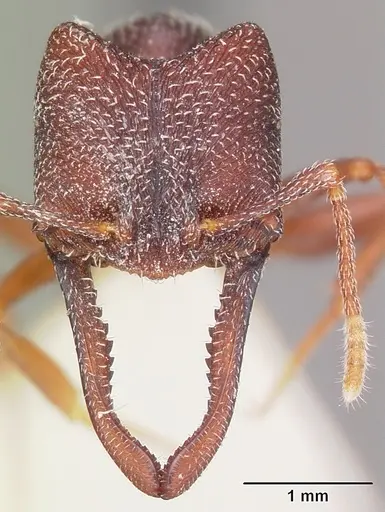
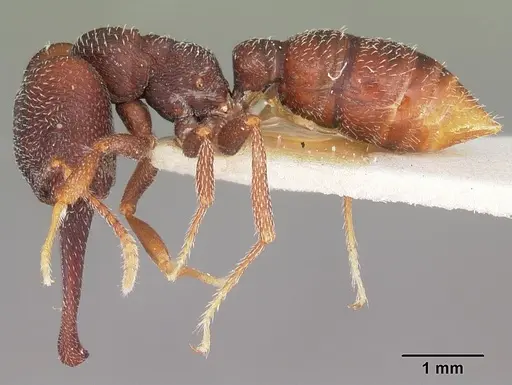
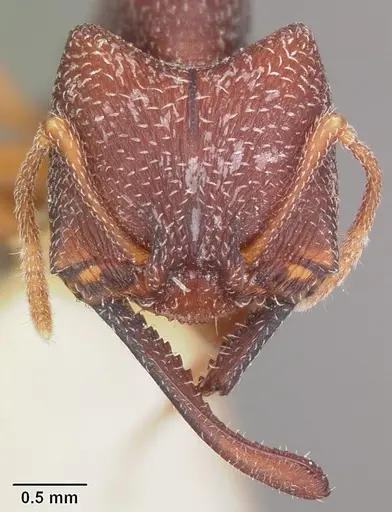
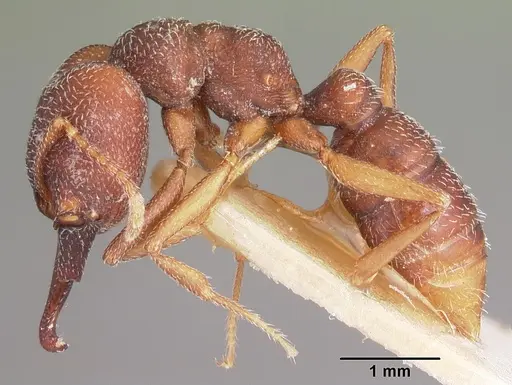
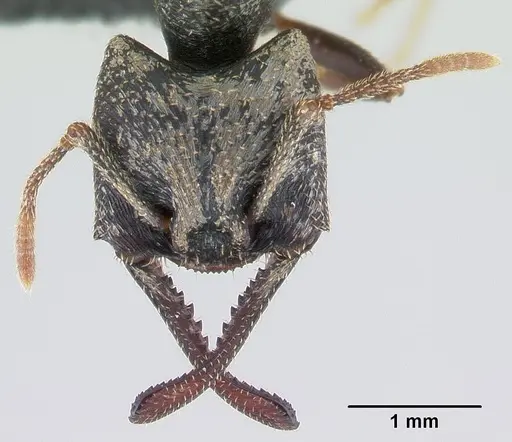
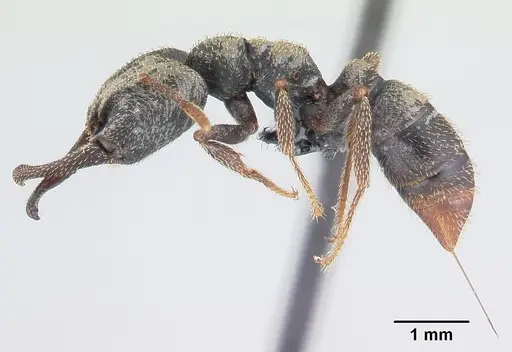
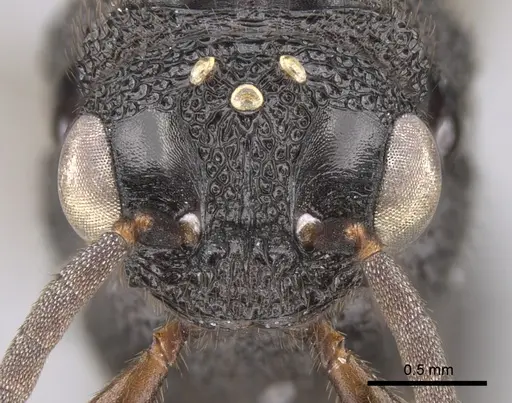
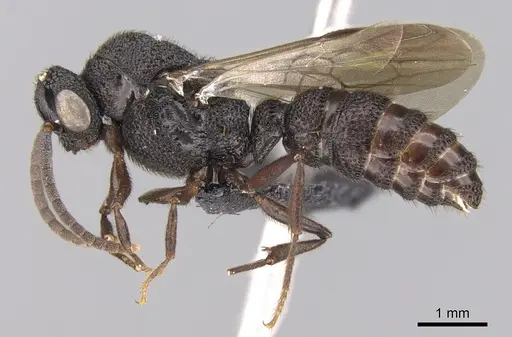
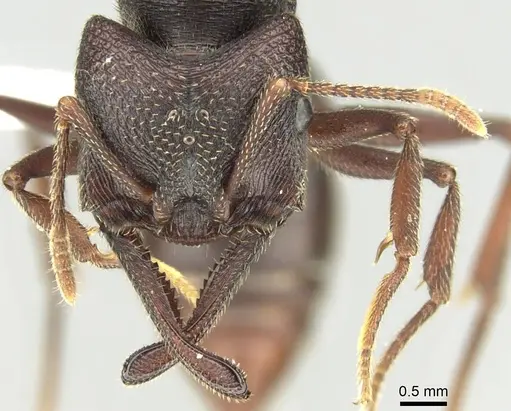
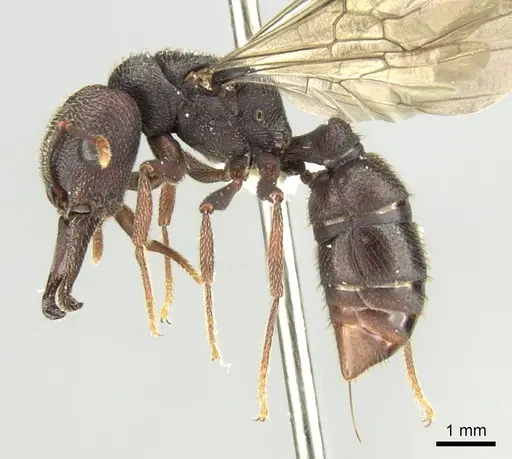
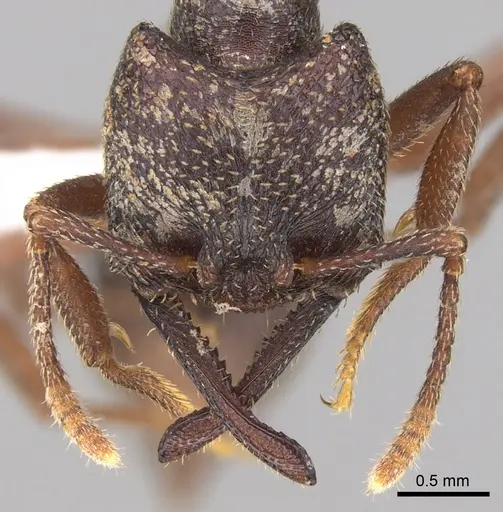
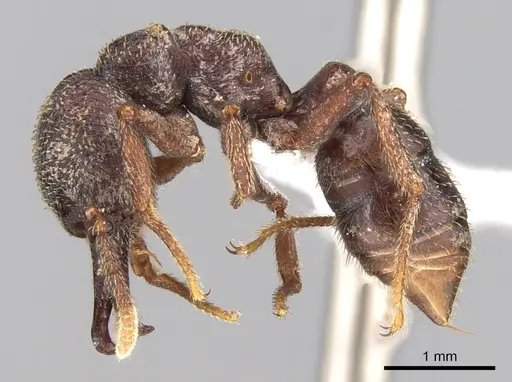
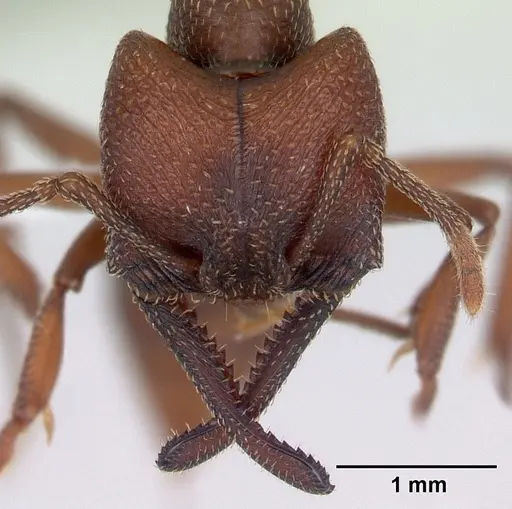
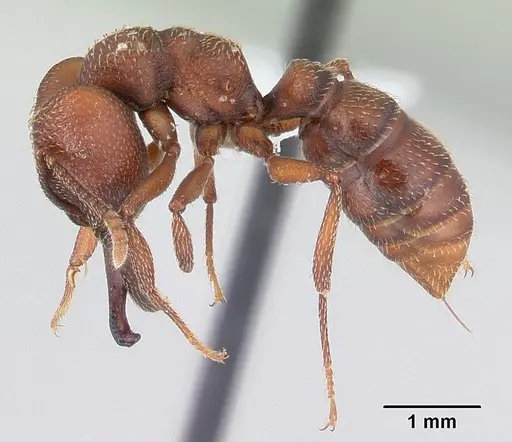
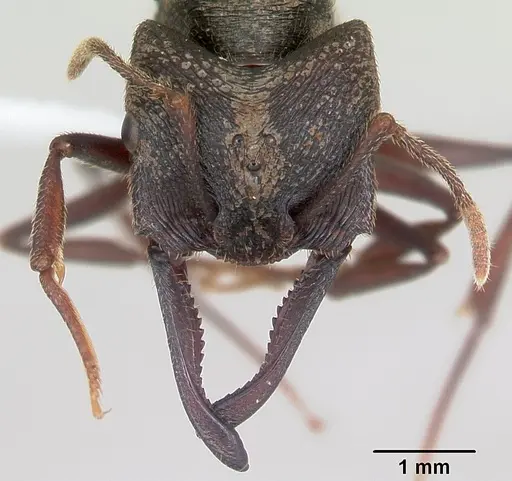
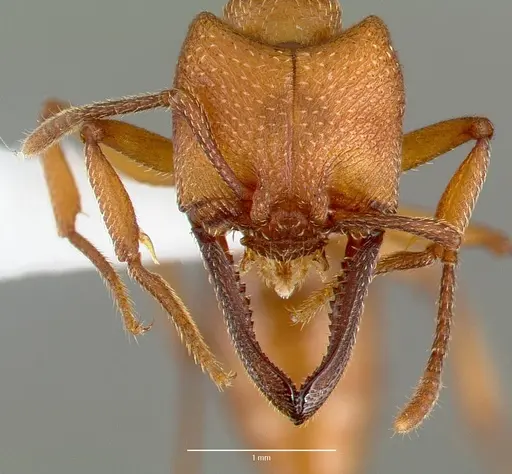
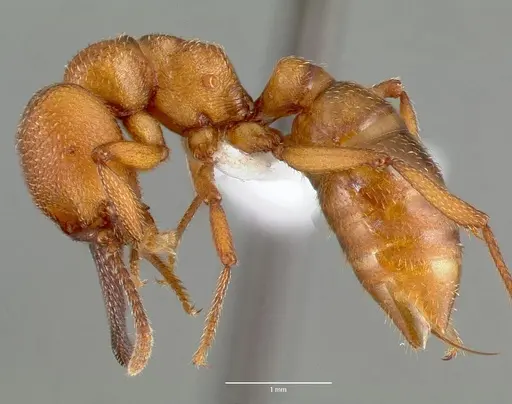
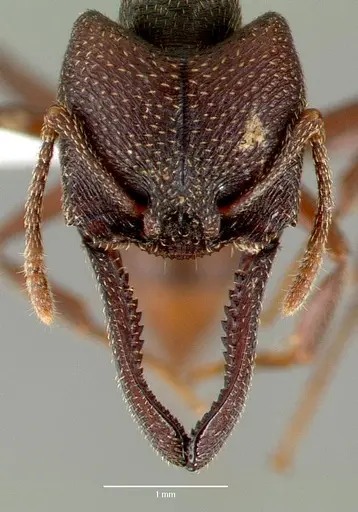
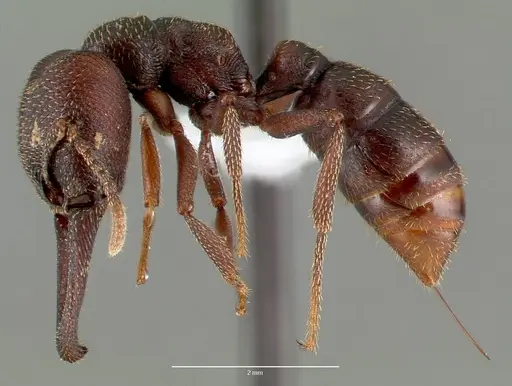
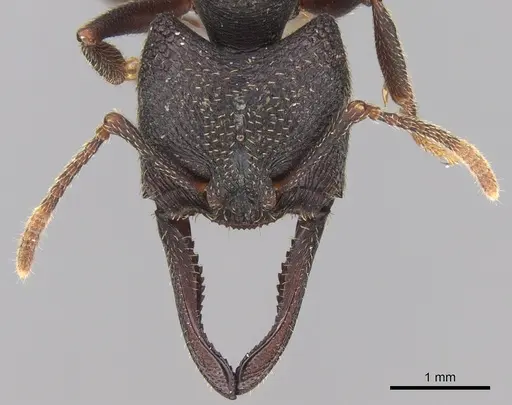
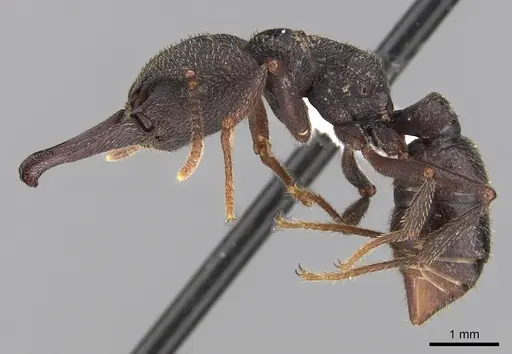
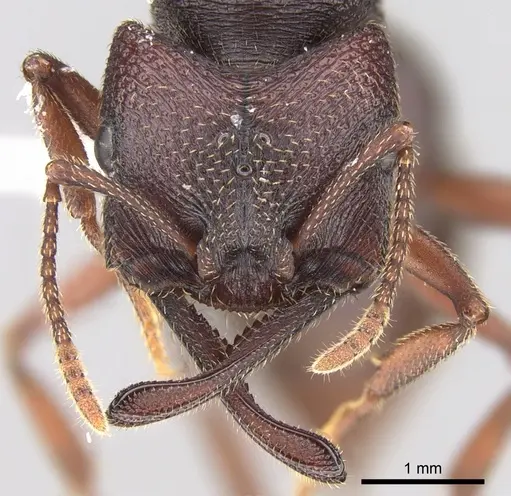
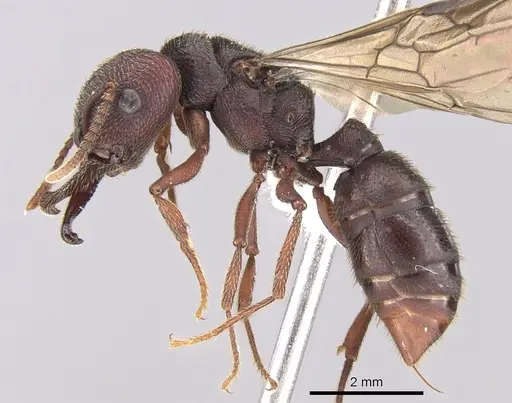
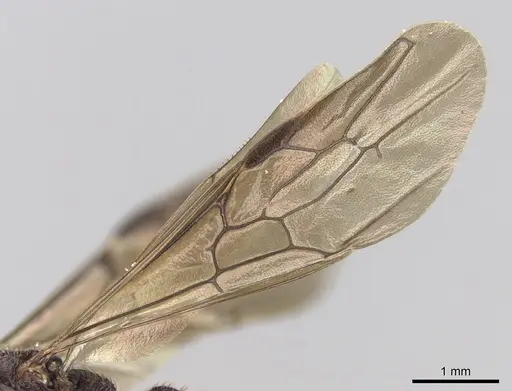
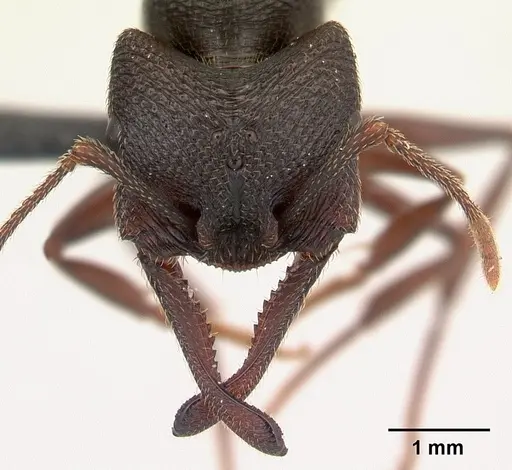
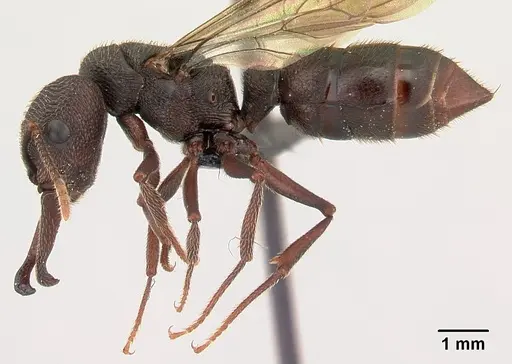
Mystrium mysticum is a small ant native to Madagascar and the Comoros islands. Workers measure approximately 3-5mm and have a brown to black body color, while queens are larger at approximately 5-7mm and appear black . This species belongs to the Amblyoponinae subfamily, known for their primitive ant features and unusual colony structures. What makes M. mysticum unique is its colony structure - these ants have completely lost the typical winged queen system. Instead, they produce ergatoid queens, which are wingless queens that remain inside the nest . This is a rare and advanced social structure that has evolved independently in this genus. The colony contains an average of 43 adults, including around 21 ergatoid queens and 22 workers .
Quick Summary
- Difficulty: Expert
- Origin & Habitat: Mystrium mysticum is found across Madagascar and the Comoros islands, inhabiting both dry forests and rainforests, including montane rainforests [1]. They are ground-nesting ants [4].
- Colony Type: Multi-queen colony with ergatoid (wingless) queens. Colonies contain an average of 21 ergatoid queens, with 0-23 of those being mated and reproductive. Workers make up about 49% of the adult population, while ergatoid queens comprise 51% [3]. This is a 'dependent colony foundation' system where new colonies are started by groups of ergatoid queens rather than single winged queens leaving on nuptial flights [3].
- Size & Growth:
- Queen: ~5-7mm, inferred from Amblyoponinae genus patterns
- Worker: ~3-5mm, inferred from Amblyoponinae genus patterns
- Colony: Up to ~43 adults per colony (average) [3]
- Growth: Unknown, no development data available
- Development: Unknown, development has not been studied in this species (No data exists on egg-to-worker development time. Related Amblyoponinae species typically take 6-10 weeks at warm temperatures, but this is only an estimate.)
- Antkeeping:
- Temperature: Keep at room temperature (22-26°C). No specific thermal studies exist for this species, but being from Madagascar they likely prefer warm conditions. A heating cable on one side of the nest can provide a gradient.
- Humidity: No specific data exists. Based on their presence in both dry and humid forests in Madagascar, they likely tolerate a range. Keep the nest substrate moderately moist but not waterlogged.
- Diapause: Unknown, no studies on overwintering requirements. Madagascar has a mild climate without harsh winters, so they may not require a true diapause. However, cooler temperatures during the winter months may slow activity.
- Nesting: Ground-nesting species. In captivity, they do well in test tubes or Y-tong nests with moist substrate (plaster or soil). Provide a shallow foraging area. They are small ants, so narrow passages in the nest work well.
- Behavior: Mystrium mysticum is a relatively docile species. They are not aggressive and possess a sting typical of Amblyoponinae ants, used primarily for paralyzing prey rather than defense. As ground-nesting ants, they spend most of their time in the nest and foraging on the substrate surface. Their small size (under 7mm) means they can escape through tiny gaps, excellent escape prevention is essential. They likely forage for small prey and honeydew, similar to other Amblyoponinae species.
- Common Issues: no development data means you cannot track if growth is normal or stalled, colony sizes remain small (under 50 adults), this is normal for the species, not a failure, ergatoid queens may die if the colony is disturbed too much during founding, lack of data means temperature and humidity requirements are estimates, monitor colony behavior, tiny size makes escape likely without fine mesh barriers
Understanding Ergatoid Queens
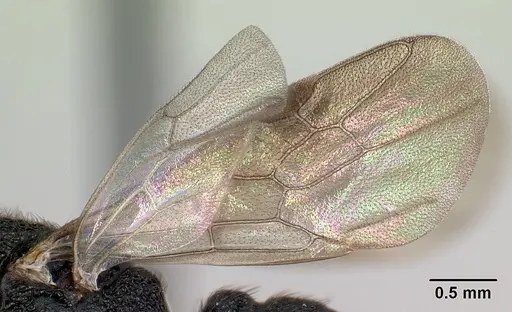
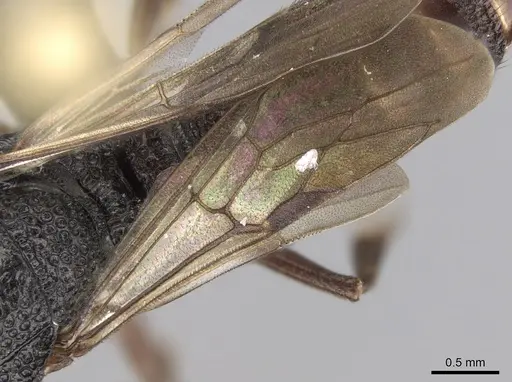
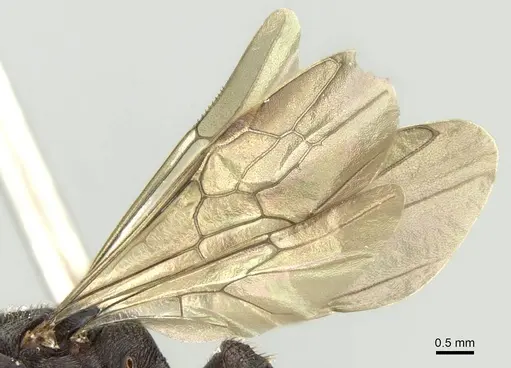
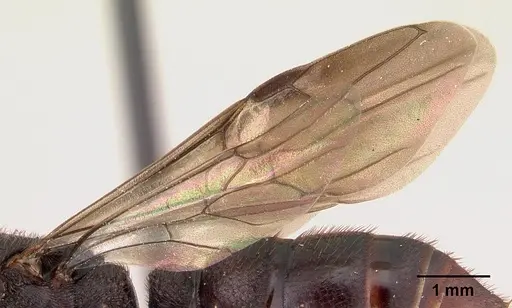
Mystrium mysticum represents one of the most unusual colony structures in the ant world. Instead of the typical system where winged queens fly off to start new colonies, this species has evolved ergatoid queens, wingless queens that develop inside the nest [3]. These ergatoid queens retain tiny wing rudiments but never develop full wings. They have functional ovaries with eight ovarioles and a spermatheca for storing sperm [3].
In a typical colony, you will find around 21 ergatoid queens, but only 0-23 of those are actually mated and reproductive at any given time. About 87% of the ergatoid queens in a colony are non-reproductive, they help with brood care and nest maintenance instead of laying eggs [3]. This means multiple queens contribute to colony reproduction, but not all at once.
For antkeepers, this means your colony will naturally contain many queens from the start. This is NOT the same as combining unrelated foundress queens, these queens are already related and have evolved to live together. Do not attempt to combine unrelated Mystrium queens from different colonies.
Nest Preferences and Setup
In the wild, Mystrium mysticum is a ground-nesting species found in various forest types across Madagascar, from dry forests to rainforests [1][4]. They nest in soil, creating small chambers for the colony.
For captive care, a test tube setup works well for founding colonies. Use a standard test tube with a water reservoir, filled with moist cotton or substrate. For established colonies, a Y-tong or plaster nest with narrow chambers scaled to their small size works well. The chambers should be tight, these are tiny ants.
Provide a shallow outworld for foraging. A small plastic box or container works fine. Because of their small size, escape prevention is critical. Use fluon on container edges and ensure any connections between nest and outworld are secure. Fine mesh ventilation is important to prevent mold while maintaining humidity.
Feeding and Diet
No specific dietary studies exist for Mystrium mysticum. Based on their position in Amblyoponinae, they are likely predators that hunt small invertebrates. Related Amblyoponinae ants typically feed on small arthropods, springtails, and other micro-prey.
Feed them small live prey like springtails, fruit flies, or tiny crickets. Offer protein 2-3 times per week. They may also accept sugar water or honey, though this is not confirmed. Remove any uneaten prey after 24-48 hours to prevent mold.
Because colony sizes remain small (under 50 adults), do not overfeed. A few small prey items every few days is sufficient. Watch how quickly they consume food and adjust accordingly.
Temperature and Seasonal Care
No specific temperature studies exist for this species. Being from Madagascar, they likely prefer warmer conditions. Room temperature (22-26°C) is a good starting point. You can provide a slight temperature gradient using a heating cable on one part of the nest, this allows the ants to choose their preferred temperature.
Regarding diapause or winter rest: Madagascar has a relatively mild climate without harsh winters. The species is found across different elevation forests, suggesting some temperature tolerance. However, no specific studies exist on overwintering requirements. If you keep them at room temperature year-round, they will likely remain active, this is probably fine given their origin.
Monitor your colony's activity. If workers become less active in winter, you can lower temperatures slightly (to around 18-20°C) for a few months, but this is not required.
Colony Growth Expectations
One of the most important things to understand about keeping Mystrium mysticum is that their colonies stay small. The average wild colony contains only about 43 adults total, this includes both workers and ergatoid queens [3]. This is NOT a species that will produce hundreds or thousands of workers.
Colony growth is also likely slow. With no development data available, we can only guess based on related species, expect 6-10 weeks from egg to worker at optimal temperatures. The presence of multiple ergatoid queens means egg-laying happens in the nest continuously, but the total colony size remains limited.
Do not panic if your colony seems small or slow-growing. This is normal for the species. Focus on maintaining stable conditions rather than expecting rapid expansion.
Frequently Asked Questions
How long does it take for Mystrium mysticum to produce first workers?
The egg-to-worker development time is unknown, no studies have documented this. Based on related Amblyoponinae species, expect 6-10 weeks at warm temperatures (24-26°C), but this is only an estimate.
Can I keep multiple queens together in one colony?
Yes, in fact, this is how they naturally live. Wild colonies contain an average of 21 ergatoid queens, with 0-23 being mated and reproductive [3]. Multiple queens living together is normal for this species. However, do not combine unrelated queens from different colonies, only keep queens that have always been together.
How big do Mystrium mysticum colonies get?
Colonies stay small, around 43 adults on average in the wild [3]. This is normal for the species, not a sign of poor care. They are not a species that will produce large worker armies.
Do Mystrium mysticum ants sting?
They possess a sting typical of Amblyoponinae ants. This subfamily is known for specialized subterranean predators that use a potent sting to paralyze hard-bodied prey like centipedes. However, their sting is primarily used for prey capture rather than defense, and they are generally docile toward humans.
What temperature should I keep Mystrium mysticum at?
No specific studies exist, but room temperature (22-26°C) is a good starting point. Being from Madagascar, they prefer warm conditions. A slight temperature gradient using a heating cable on part of the nest allows ants to choose their preferred spot.
Do they need hibernation or diapause?
Unknown, no studies exist on overwintering. Madagascar has a mild climate, so they may not require a true diapause. Keeping them at room temperature year-round is likely fine.
Why are my ergatoid queens dying?
Ergatoid queens can be sensitive to disturbance, especially in newly established colonies. Avoid moving or disturbing the nest too often. Ensure humidity is stable, too wet or too dry can cause queen deaths. If queens die but workers remain, the colony may still survive with the remaining queens.
Are Mystrium mysticum good for beginners?
No, this is an expert-level species. Almost no biological data exists for this ant, making proper care difficult. Colony sizes remain small, growth rates are unknown, and specific temperature/humidity requirements are unconfirmed. Only experienced antkeepers should attempt this species.
What do I feed Mystrium mysticum?
Based on related species, they likely eat small live prey. Offer springtails, fruit flies, or tiny crickets. Feed protein 2-3 times per week. Sugar water or honey may be accepted but is not confirmed. Remove uneaten food after 24-48 hours.
How do I set up a nest for Mystrium mysticum?
Use a test tube for founding colonies, or a Y-tong/plaster nest with narrow chambers for established colonies. They are ground-nesting ants that prefer moist substrate. Provide a shallow outworld for foraging. Escape prevention is critical due to their tiny size, use fine mesh and fluon barriers.
Report an Issue
The current care sheet is based fully on literature. See inconsistencies, or something that's incorrect? Please , it will be resolved after review from an admin. Contributing to the blogs tab also helps providing information, to make us be able to further improve the caresheets. Thank you for your support!
References

Este guia de cuidados está sob a licença CC BY-SA 4.0 .
Posts da comunidade
CASENT0000550
Ver no AntWeb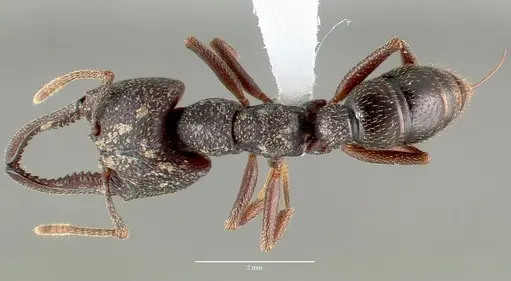
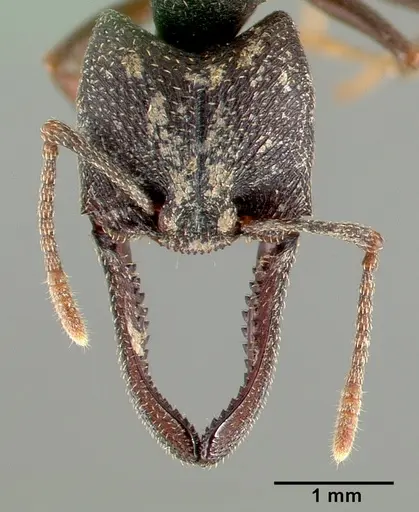
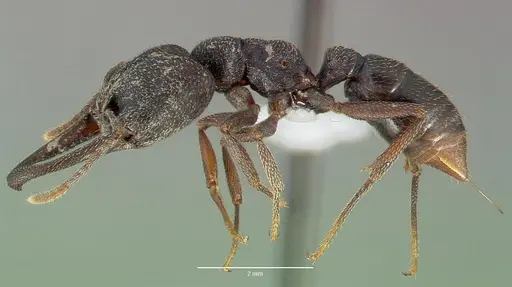
CASENT0000760
Ver no AntWeb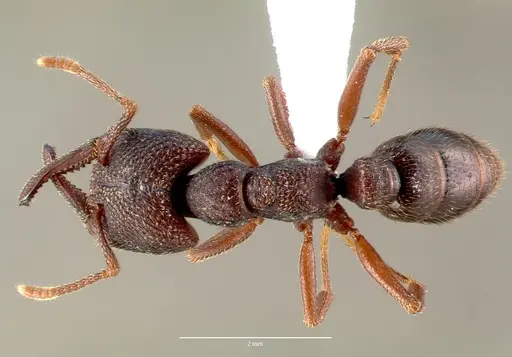
CASENT0003307
Ver no AntWeb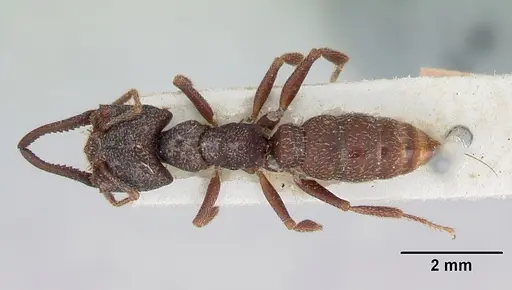
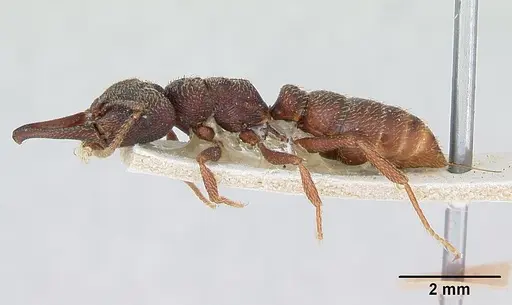
CASENT0003309
Ver no AntWeb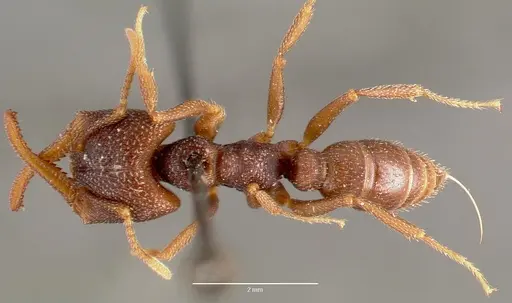
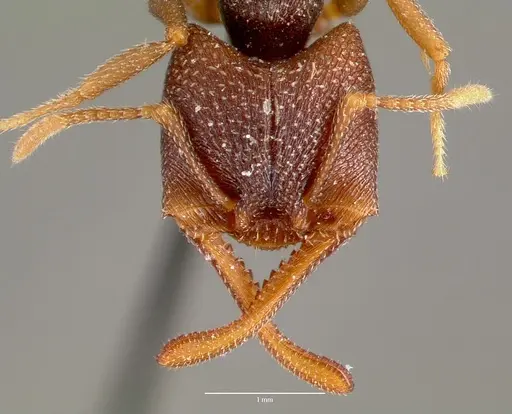
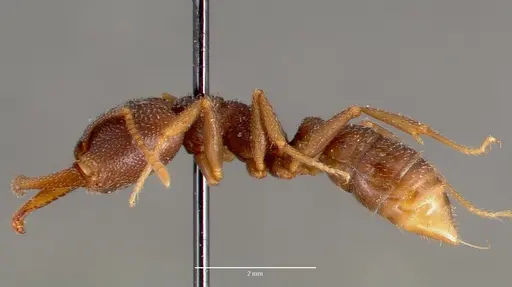
CASENT0003310
Ver no AntWeb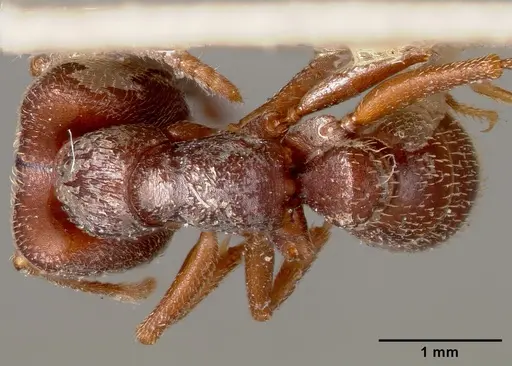
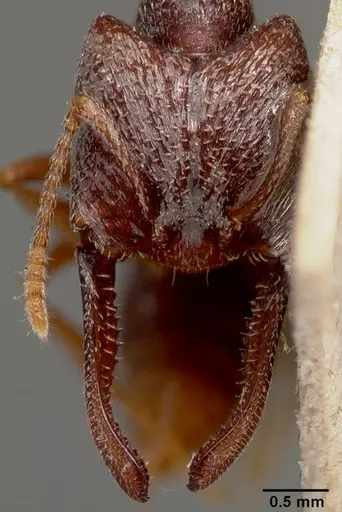
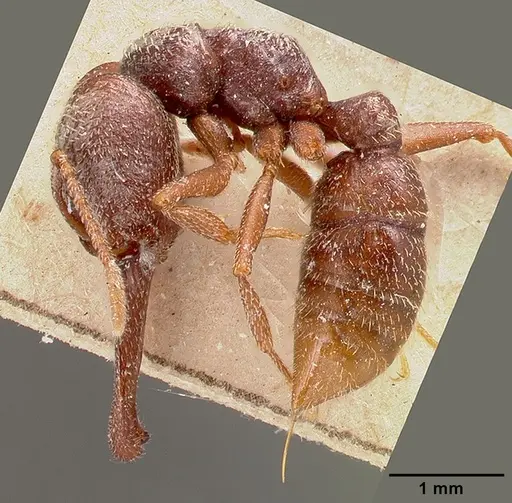
CASENT0003806
Ver no AntWeb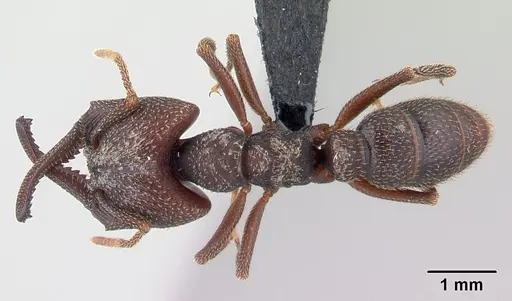
CASENT0081390
Ver no AntWeb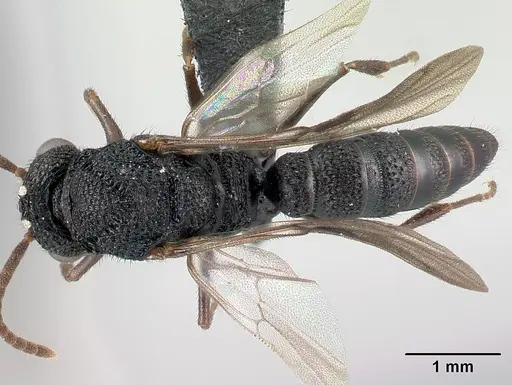
CASENT0102171
Ver no AntWeb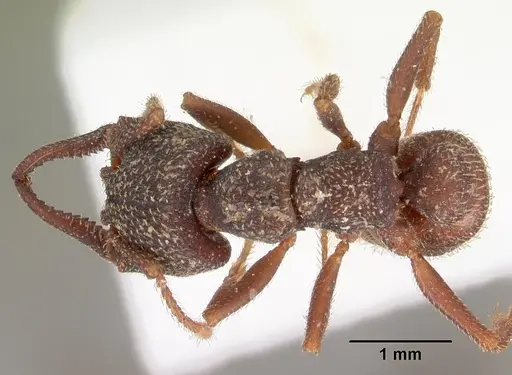
CASENT0104557
Ver no AntWeb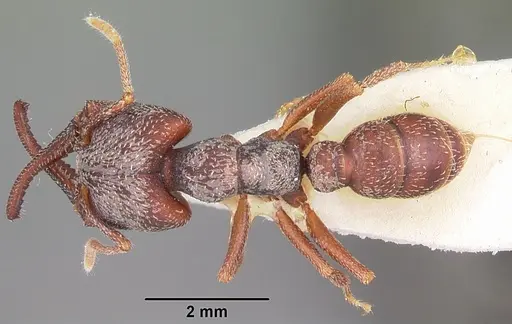
CASENT0104558
Ver no AntWeb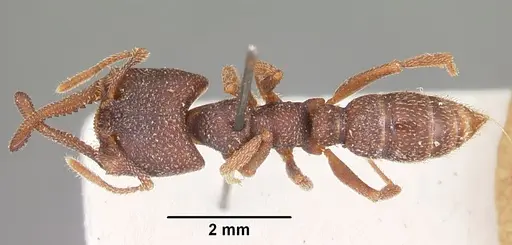
CASENT0104559
Ver no AntWeb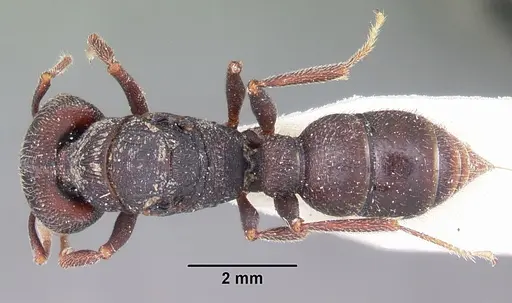
CASENT0104561
Ver no AntWeb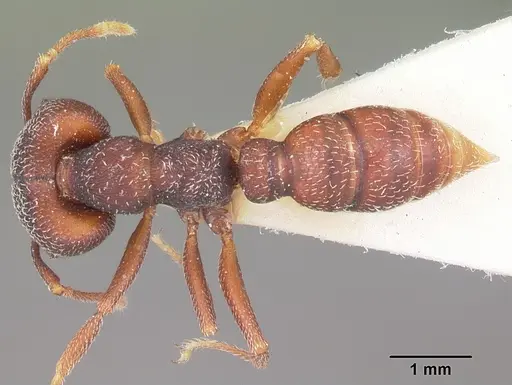
CASENT0104562
Ver no AntWeb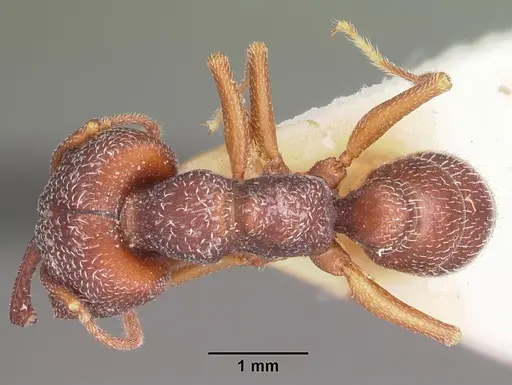
CASENT0135223
Ver no AntWeb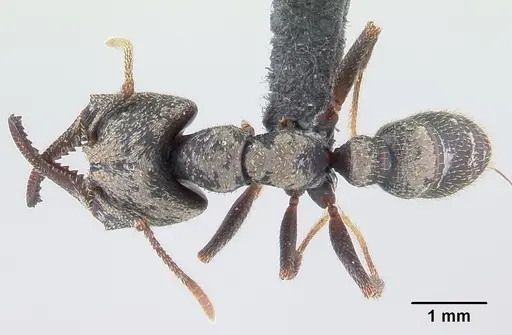
CASENT0136702
Ver no AntWeb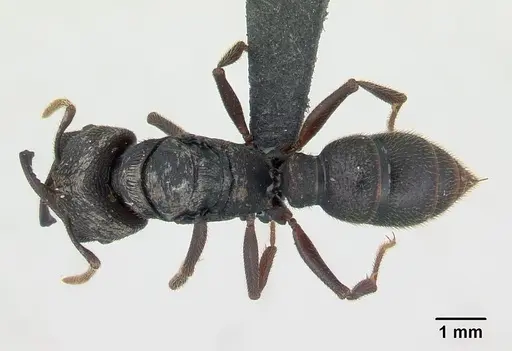
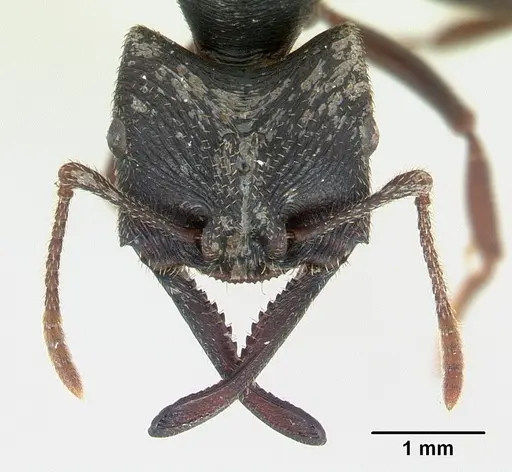
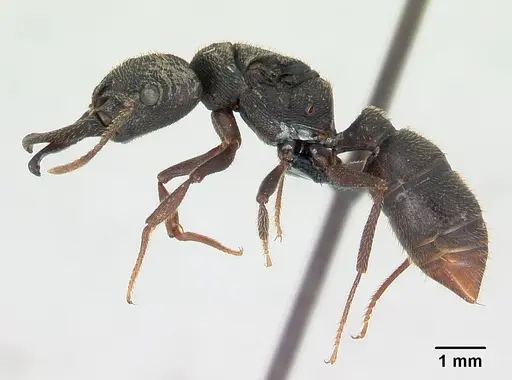
CASENT0146246
Ver no AntWeb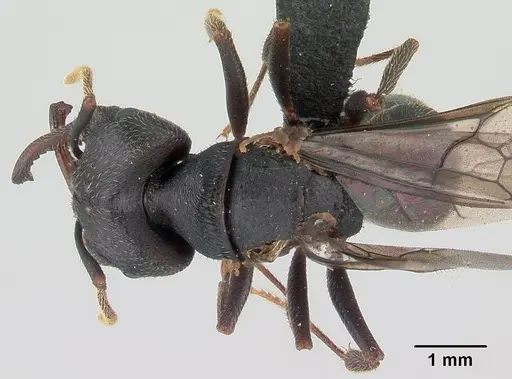
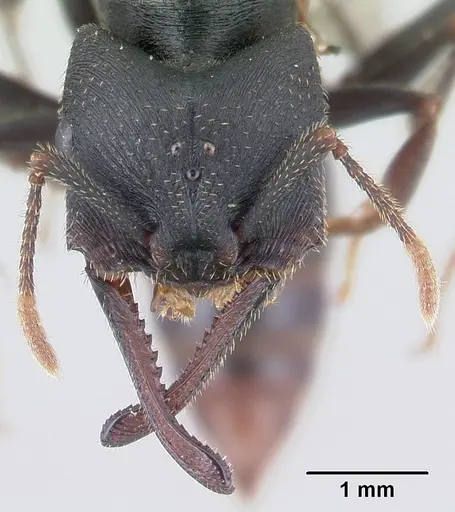
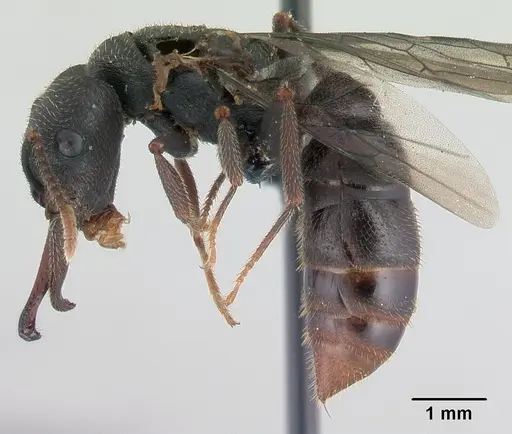
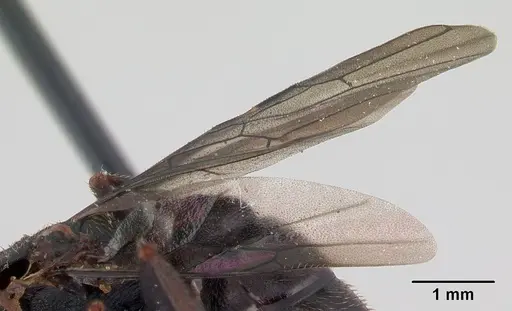
CASENT0218102
Ver no AntWeb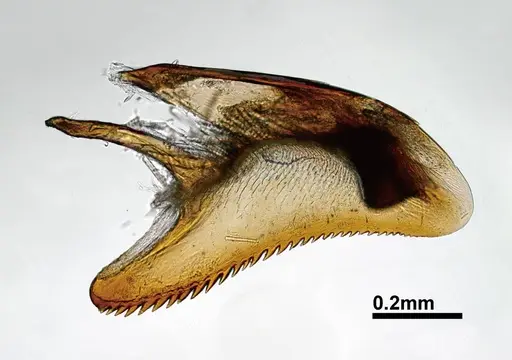
CASENT0318027
Ver no AntWeb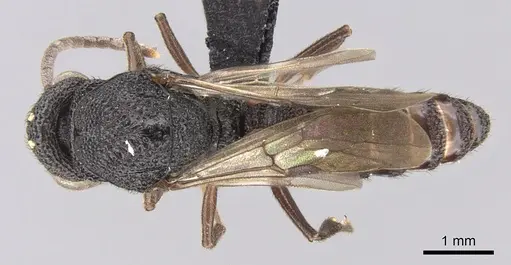
CASENT0429914
Ver no AntWeb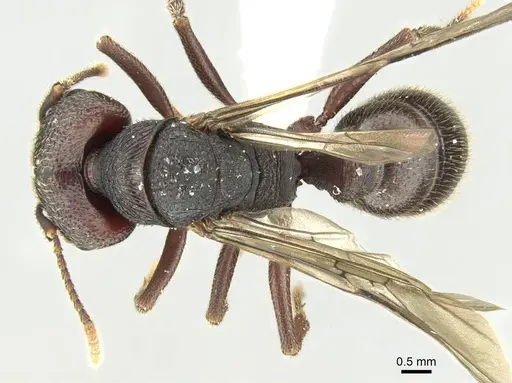
CASENT0429924
Ver no AntWeb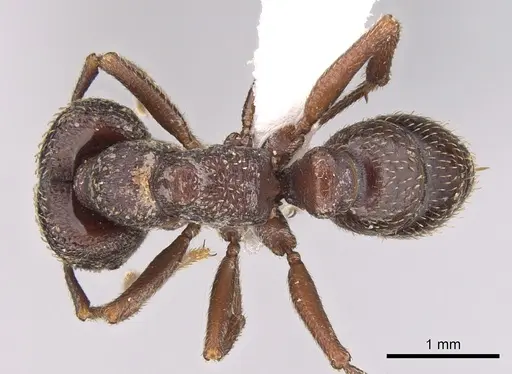
CASENT0429930
Ver no AntWeb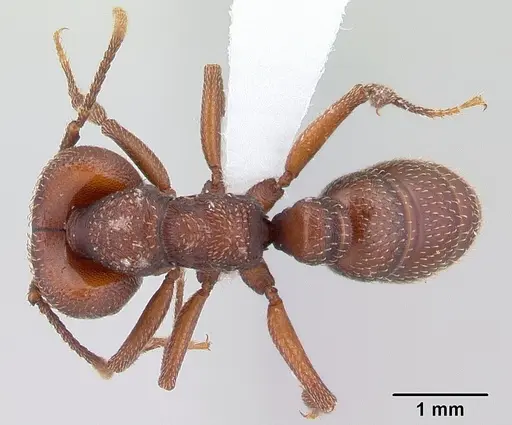
CASENT0429933
Ver no AntWeb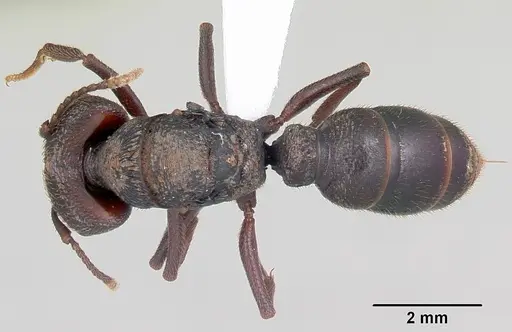
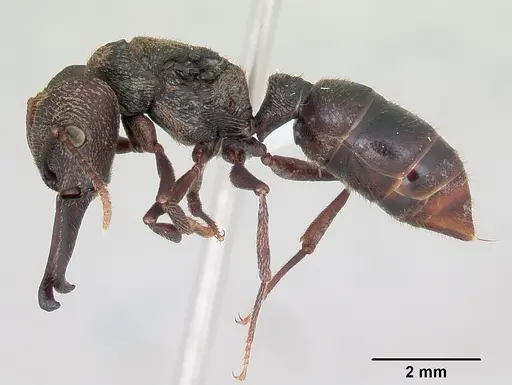
CASENT0429935
Ver no AntWeb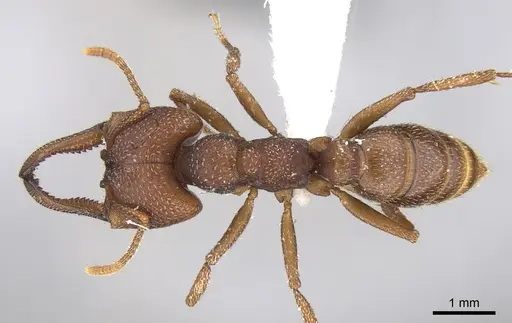
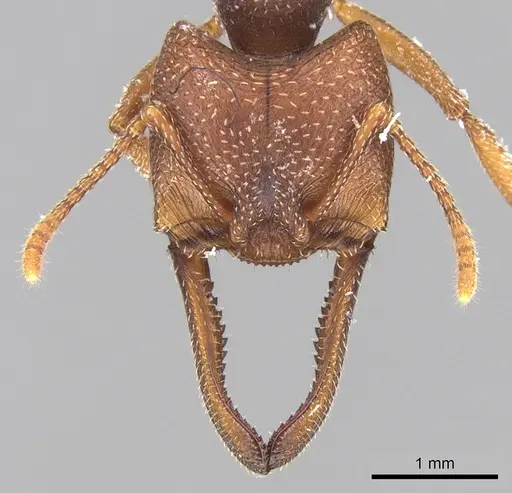
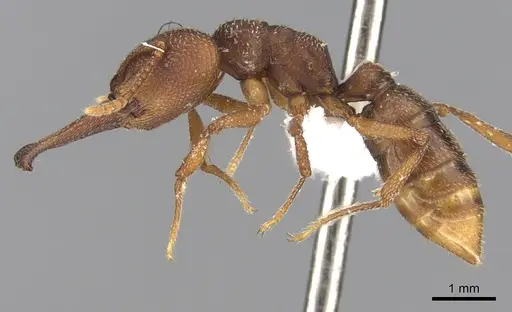
CASENT0429953
Ver no AntWeb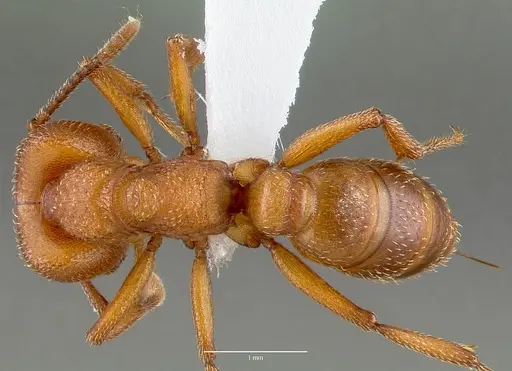
CASENT0429955
Ver no AntWeb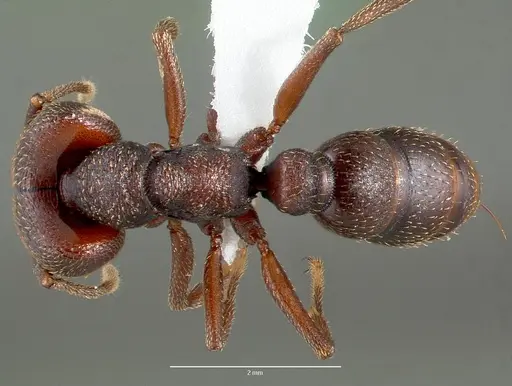
CASENT0429959
Ver no AntWeb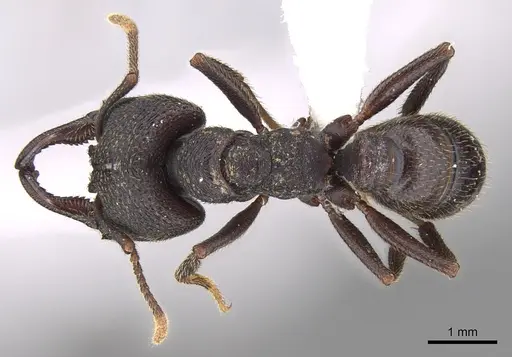
CASENT0429962
Ver no AntWeb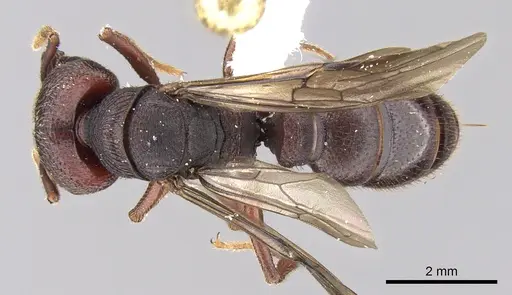
CASENT0429965
Ver no AntWeb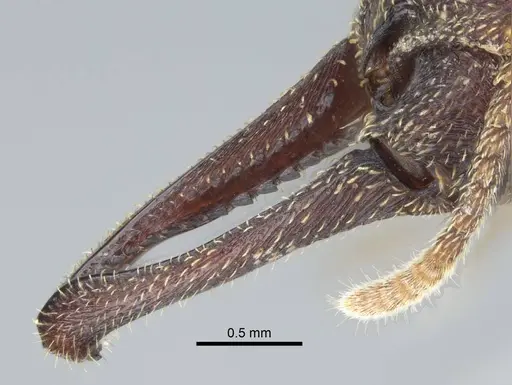
CASENT0490713
Ver no AntWeb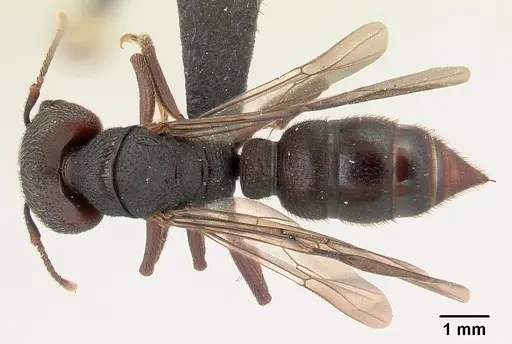
Literatura
Carregando mapa de distribuição...Carregando produtos...