
Myrmicaria striata
- Nome científico
- Myrmicaria striata
- Tribo
- Solenopsidini
- Subfamília
- Myrmicinae
- Autor
- Stitz, 1911
- Distribuição
- Encontrada em 3 países
Introdução
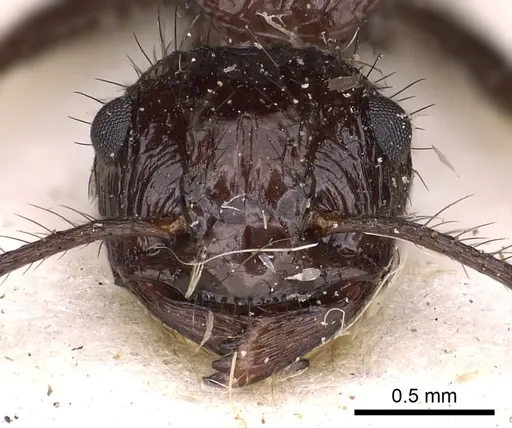
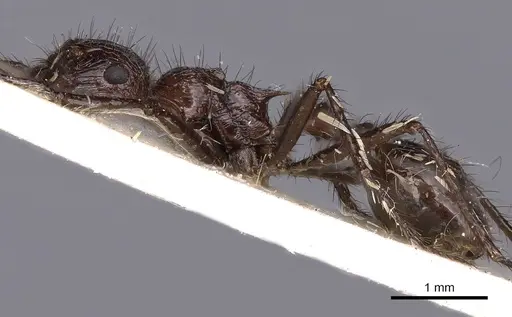
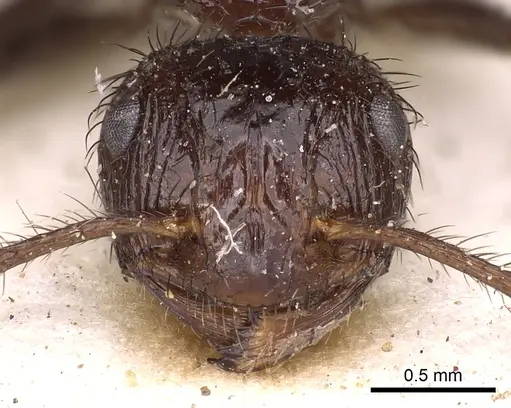
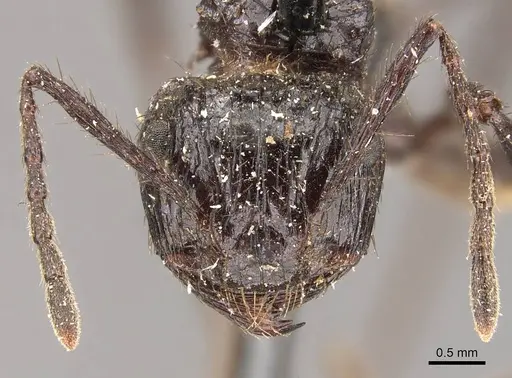
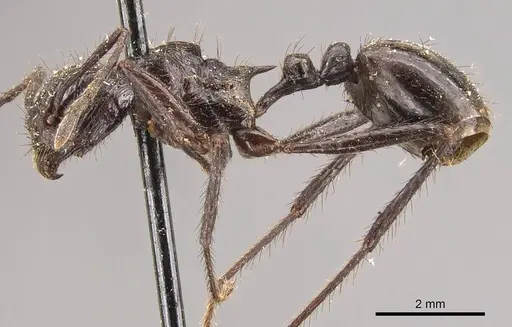
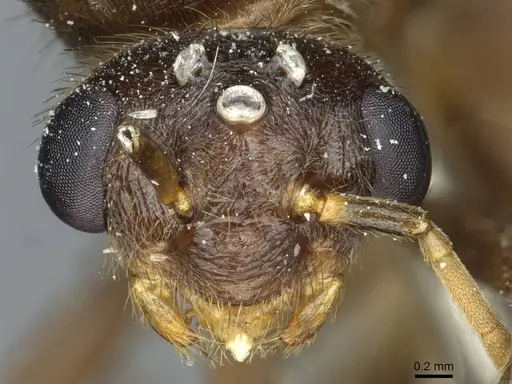
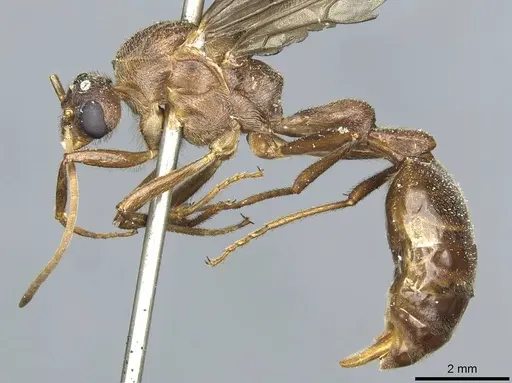
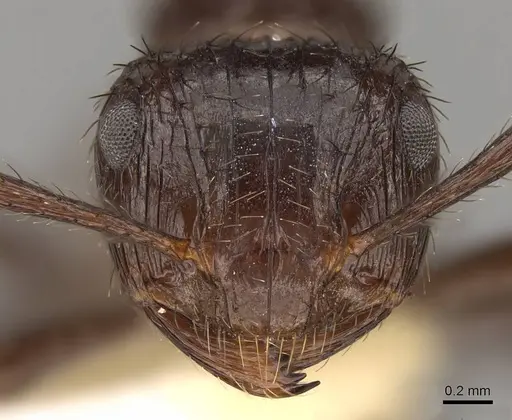
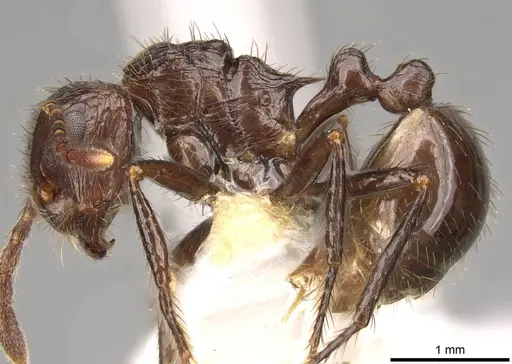
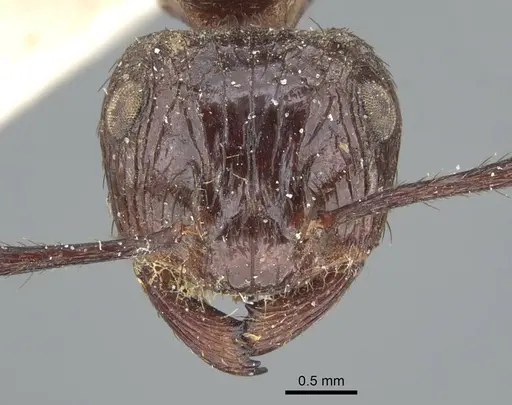
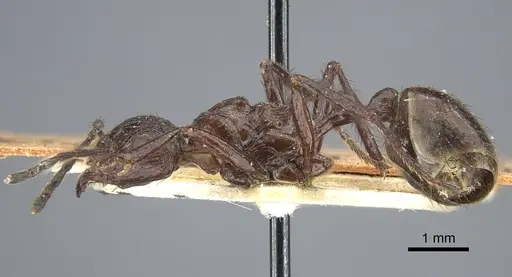
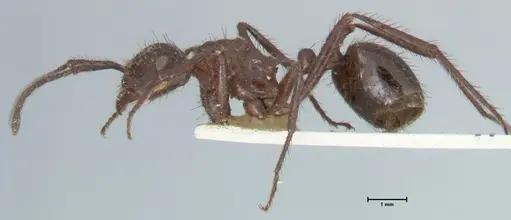
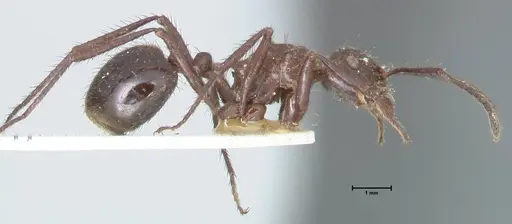
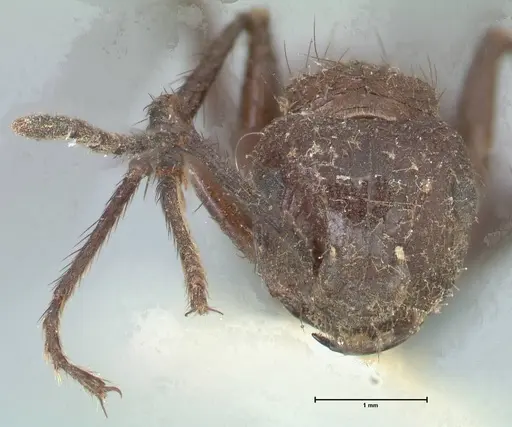
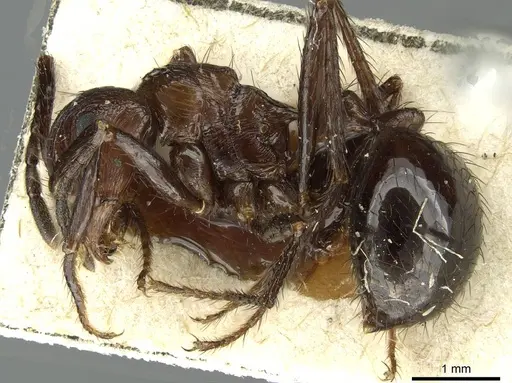
Myrmicaria striata is a medium-sized ant species native to tropical Africa, found across the Democratic Republic of Congo, Nigeria, Tanzania, Zimbabwe, and recently recorded in Rwanda . Workers have distinctive longitudinal carinae (ridge-like structures) on the mesonotum and propodeum, giving them a sculpted appearance . The species is endemic to the Haut-Katanga region in the DRC . These ants are active foragers, typically nesting in soil or under stones in warm, subtropical environments. They belong to the Solenopsidini tribe within Myrmicinae, which includes many agile, ground-dwelling species that defend themselves with a sting.
Quick Summary
- Difficulty: Medium
- Origin & Habitat: Tropical Africa, Democratic Republic of Congo, Nigeria, Tanzania, Zimbabwe, and Rwanda. Found in Akagera National Park in Rwanda, a savanna ecosystem [1]. Endemic to Haut-Katanga region in DRC [4]. Likely nests in soil or under stones in warm, subtropical habitats.
- Colony Type: Colony structure is unconfirmed. Based on typical Myrmicaria patterns, likely single-queen colonies, though this has not been directly documented for this species.
- Size & Growth:
- Queen: Size data unavailable, inferred from Myrmicaria genus (~8-10mm)
- Worker: Size data unavailable, inferred from Myrmicaria genus (~5-7mm)
- Colony: Estimated moderate colony size (several hundred workers) based on related Myrmicaria species
- Growth: Moderate, estimated based on tropical Myrmicaria patterns
- Development: Estimated 6-8 weeks at optimal tropical temperatures (25-28°C), based on genus-level data for Myrmicaria species (Development timeline is estimated, not directly studied for this species. Tropical species typically develop faster than temperate species.)
- Antkeeping:
- Temperature: Keep at 24-28°C. This is a tropical species from Africa, so warmth is important. A heating cable on one side of the nest creates a gradient allowing ants to regulate their temperature.
- Humidity: Moderate humidity. These are not overly moisture-dependent ants but need access to some moisture. Keep the nest substrate slightly moist but allow some drying areas.
- Diapause: Likely no true diapause, being a tropical species, they probably remain active year-round with proper heating. However, this has not been directly studied.
- Nesting: Natural nesting: soil and under stones in warm habitats. In captivity, a Y-tong (AAC) nest or plaster nest works well. Provide a moisture chamber and keep temperatures in the warm range. Test tube setups can work for founding colonies.
- Behavior: Active foragers that search for food on the ground. Based on genus behavior, they are moderately aggressive when defending the nest but not particularly territorial. Workers are medium-sized and can climb smooth surfaces, so standard escape prevention (Fluon on rim edges) is recommended. They are likely omnivorous, accepting both protein sources and sugar water.
- Common Issues: tropical species requires consistent warmth, cold temperatures can slow or stop brood development, colony growth may be slow initially, patience is needed during the founding stage, escape prevention is important for medium-sized ants that can climb smooth surfaces, humidity management matters, too wet causes mold, too dry causes desiccation, limited species-specific information means keepers should monitor colony response and adjust care accordingly
Housing and Nest Setup
Myrmicaria striata can be housed in various setups depending on colony size. For founding colonies, a standard test tube setup works well, fill one end with water-saturated cotton, leave the other dry for the queen and brood. As the colony grows, transfer to a Y-tong (AAC) formicarium or a plaster nest with a moisture chamber. These ants prefer warm, moderately humid conditions. Provide a temperature gradient using a heating cable on one side of the nest so workers can regulate their body temperature. The outworld should include a shallow water dish and areas for foraging. [4][1]
Feeding and Diet
Myrmicaria striata is likely omnivorous, accepting both protein and carbohydrate sources. Feed small insects such as fruit flies, pinhead crickets, or mealworms as protein. They will likely accept sugar water, honey, or diluted honey as a carbohydrate source. Feed protein 2-3 times per week and provide constant access to sugar water. Remove uneaten prey after 24-48 hours to prevent mold. Fresh water should always be available.
Temperature and Seasonal Care
As a tropical African species, Myrmicaria striata requires warm temperatures year-round. Maintain nest temperatures between 24-28°C. Temperatures below 22°C may slow or halt brood development. A small heating cable placed on part of the nest creates an ideal gradient. Unlike temperate species, they likely do not require a winter diapause period. However, if room temperature drops significantly in winter, consider providing supplemental heat. Monitor colony activity, workers should be actively foraging, if they cluster near heat sources, increase temperature slightly.
Colony Development and Growth
Colony growth follows typical Myrmicinae patterns. The queen lays eggs which develop through larval and pupal stages before emerging as workers. First workers (nanitics) are typically smaller than mature workers. Based on genus patterns, expect 6-8 weeks from egg to first worker at optimal temperatures. Growth rate is moderate, colonies may take several months to reach 20-30 workers, then accelerate as more workers mature. Patience is essential during the founding stage. Do not disturb the queen unnecessarily during founding.
Behavior and Temperament
Myrmicaria striata workers are active foragers that search the outworld for food. They are moderately defensive and will alert the colony to threats, but they are not excessively aggressive. Workers can climb smooth surfaces, so apply Fluon or similar barrier gel to the rim of the nest to prevent escapes. They likely use chemical trails to recruit nestmates to food sources. Provide enrichment in the outworld such as small stones or debris to encourage natural foraging behavior.
Frequently Asked Questions
How long does it take for Myrmicaria striata to produce first workers?
Based on genus-level data, expect 6-8 weeks from egg to first worker at optimal temperatures (24-28°C). This is an estimate as the specific development timeline has not been documented for this species.
What temperature do Myrmicaria striata ants need?
Keep them at 24-28°C. This tropical African species requires warmth, temperatures below 22°C can slow or stop brood development. A heating cable on part of the nest creates an ideal gradient.
Do Myrmicaria striata ants need hibernation?
Probably not. As a tropical species, they likely remain active year-round with consistent warmth. Unlike temperate ants, they do not require a winter diapause period.
What do Myrmicaria striata ants eat?
They are omnivorous. Feed small insects (fruit flies, pinhead crickets, mealworms) as protein 2-3 times per week. Provide constant access to sugar water, honey, or diluted honey for carbohydrates. Fresh water should always be available.
Are Myrmicaria striata ants good for beginners?
They are rated Medium difficulty. They require warm temperatures and consistent care, which may be challenging for complete beginners. However, they are not particularly aggressive and have straightforward dietary needs. Experience with at least one other ant species is recommended.
How big do Myrmicaria striata colonies get?
The maximum colony size is not documented for this species. Based on related Myrmicaria species, colonies likely reach several hundred workers. Growth is moderate, expect several months to establish a solid colony.
Can I keep multiple Myrmicaria striata queens together?
The colony structure is not well documented for this species. Based on typical Myrmicaria patterns, they likely form single-queen colonies. Combining unrelated queens is not recommended as it has not been studied for this species.
When should I move Myrmicaria striata to a formicarium?
Move from a test tube setup to a formicarium (Y-tong or plaster nest) when the colony reaches 30-50 workers and the test tube becomes crowded. Ensure the new nest can maintain appropriate temperature and humidity.
Why is my Myrmicaria striata colony not growing?
Check temperature first, they need 24-28°C for proper development. Also verify humidity is adequate (slightly moist but not waterlogged) and the queen is healthy and laying eggs. Poor nutrition can also slow growth. Ensure protein is offered regularly.
Report an Issue
The current care sheet is based fully on literature. See inconsistencies, or something that's incorrect? Please , it will be resolved after review from an admin. Contributing to the blogs tab also helps providing information, to make us be able to further improve the caresheets. Thank you for your support!
References

Este guia de cuidados está sob a licença CC BY-SA 4.0 .
Posts da comunidade
CASENT0900510
Ver no AntWeb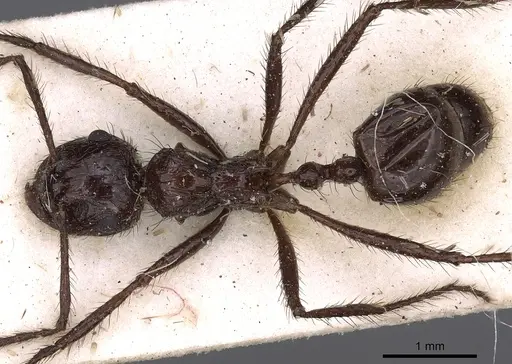
CASENT0900512
Ver no AntWeb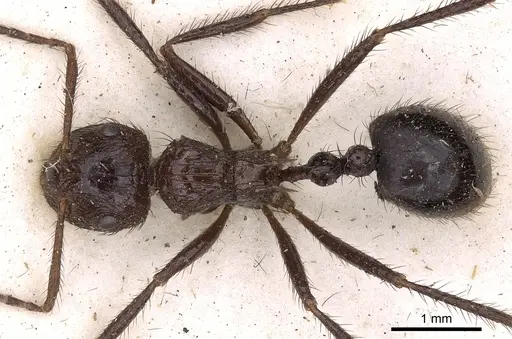

CASENT0908334
Ver no AntWeb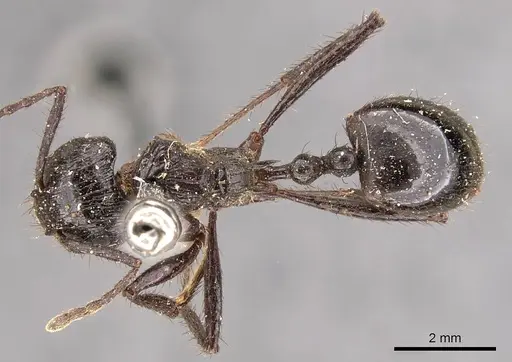
CASENT0913056
Ver no AntWeb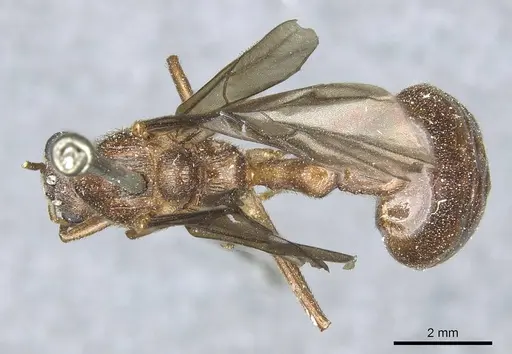
CASENT0914050
Ver no AntWeb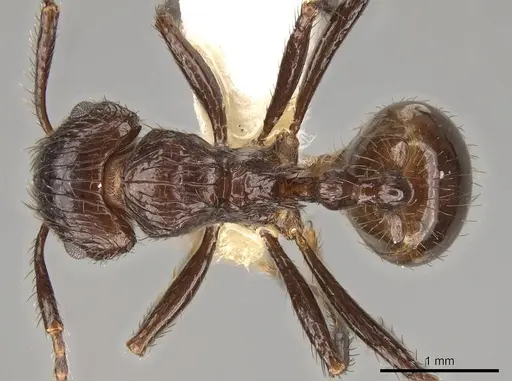
CASENT0916967
Ver no AntWeb
FOCOL1575
Ver no AntWeb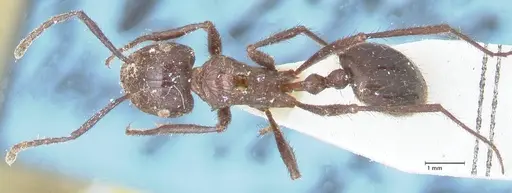
FOCOL1576
Ver no AntWeb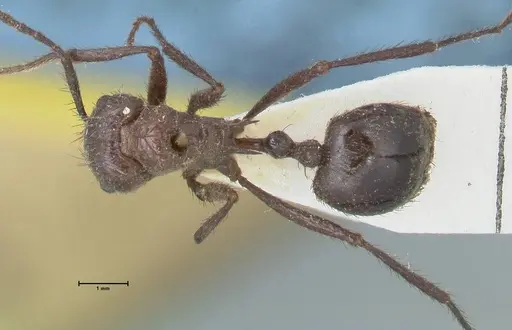
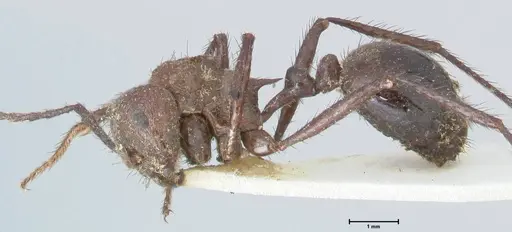
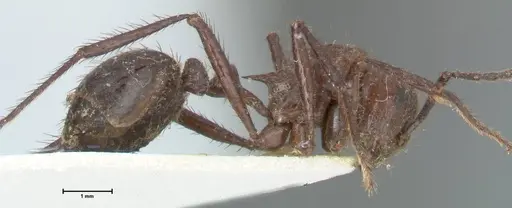
FOCOL1577
Ver no AntWeb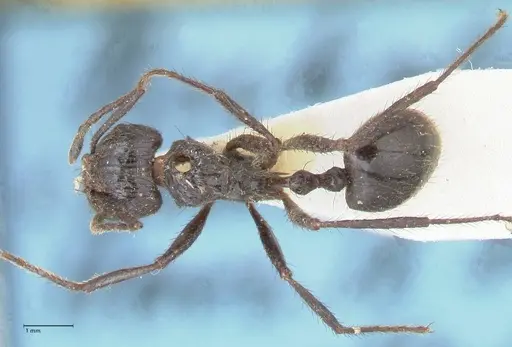
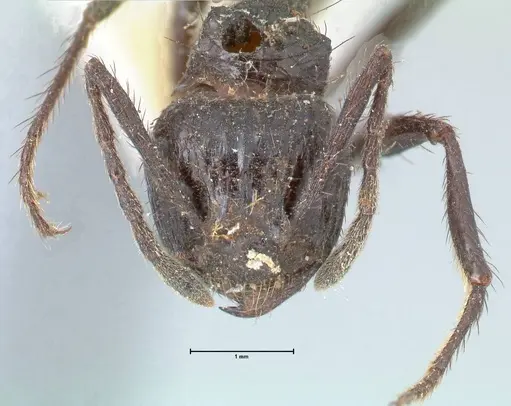
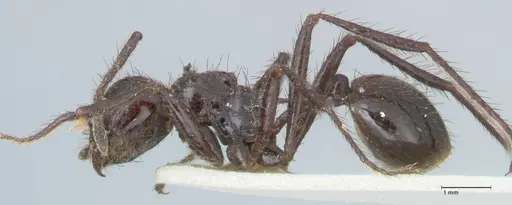
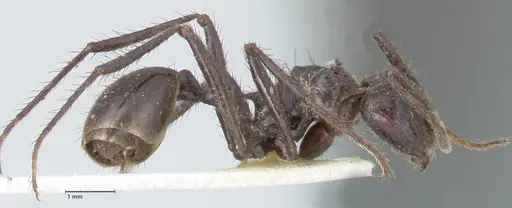
RMCAENT000017757
Ver no AntWeb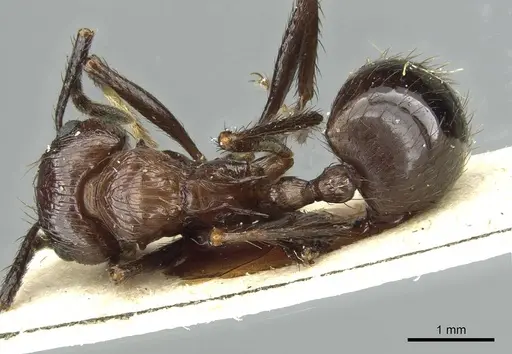
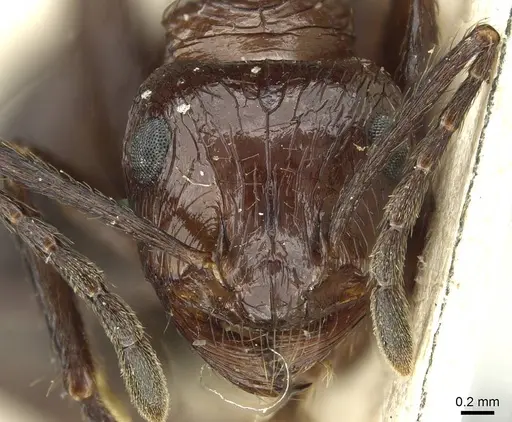
Literatura
Carregando mapa de distribuição...Carregando produtos...