
Myrmica koreana
- Nome científico
- Myrmica koreana
- Tribo
- Myrmicini
- Subfamília
- Myrmicinae
- Autor
- Elmes <i>et al.</i>, 2001
- Distribuição
- Encontrada em 1 países
Introdução
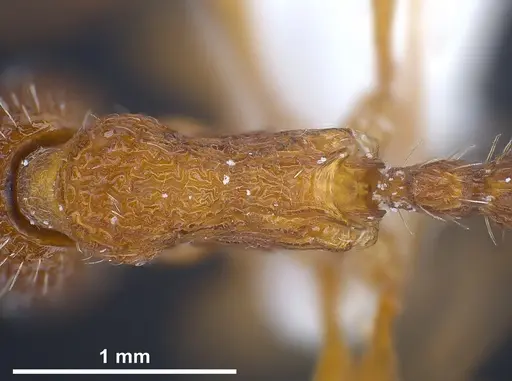
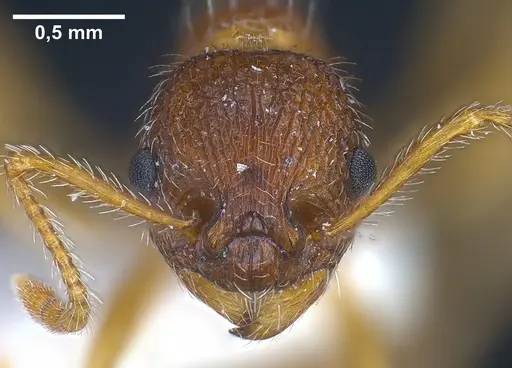
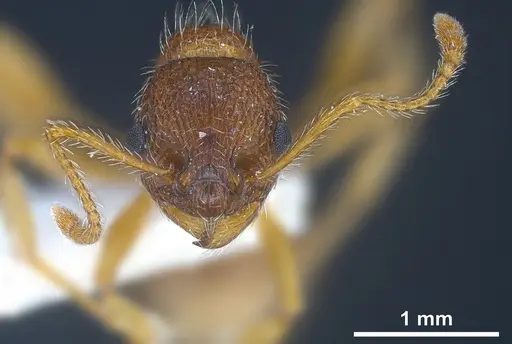
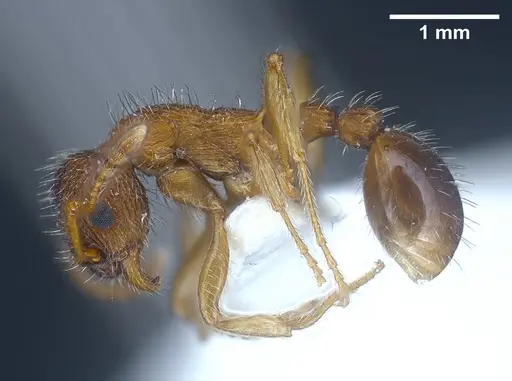
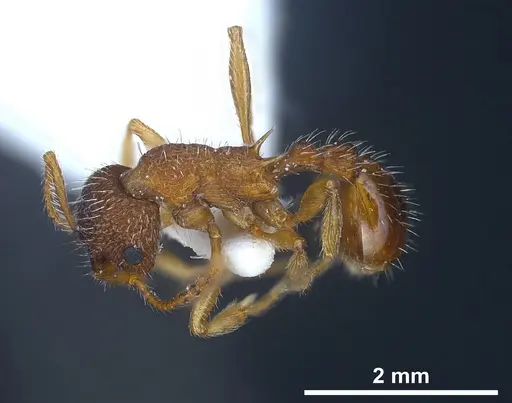
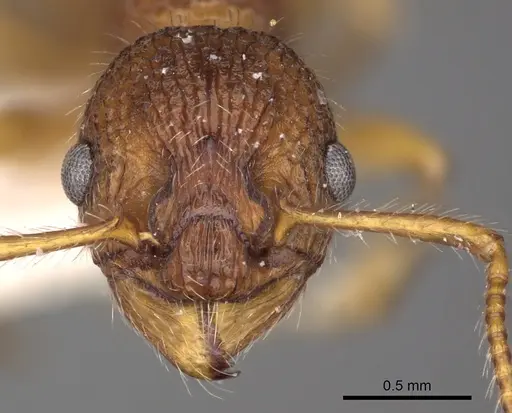
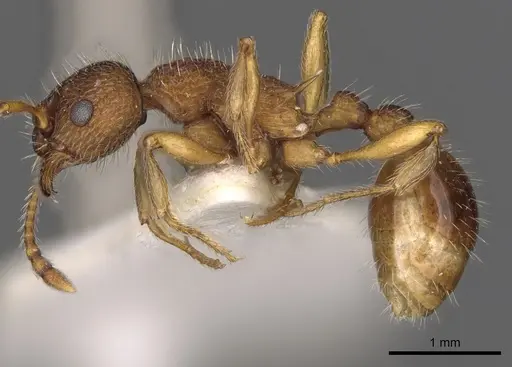
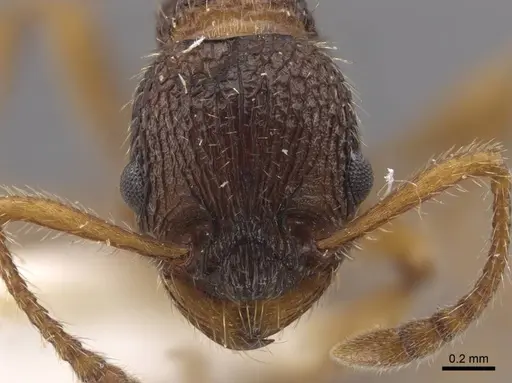
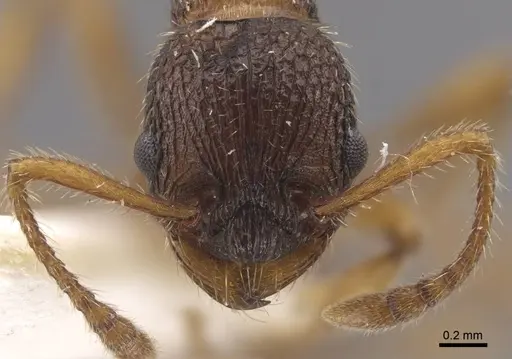
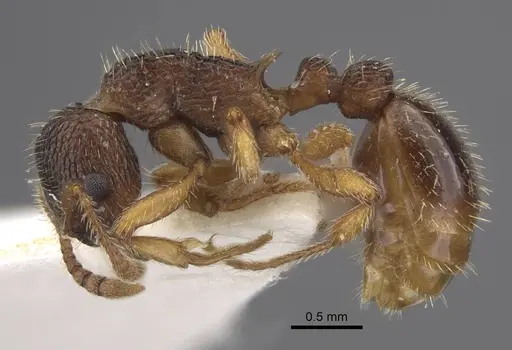
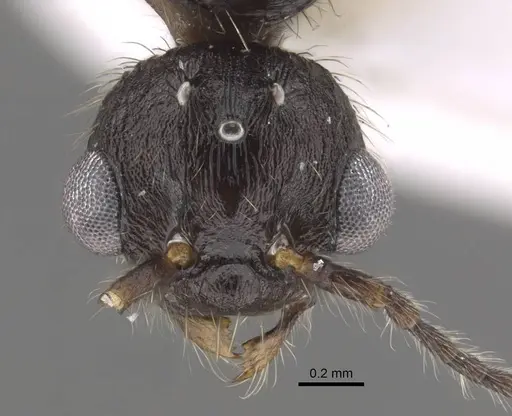
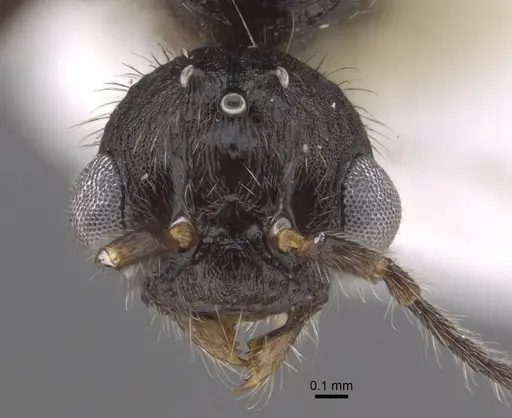
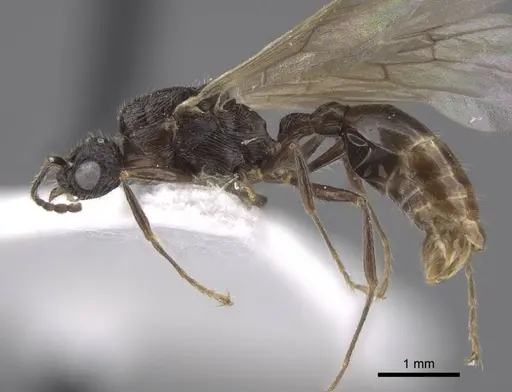
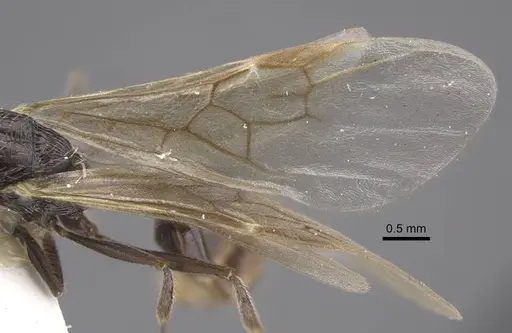
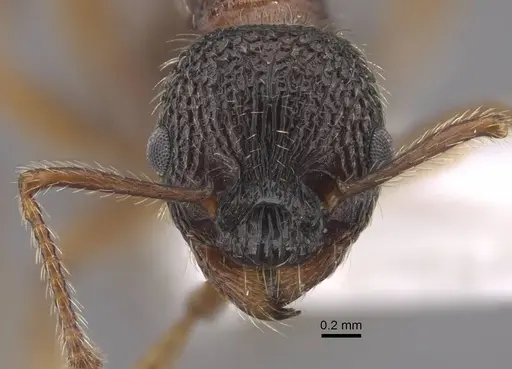
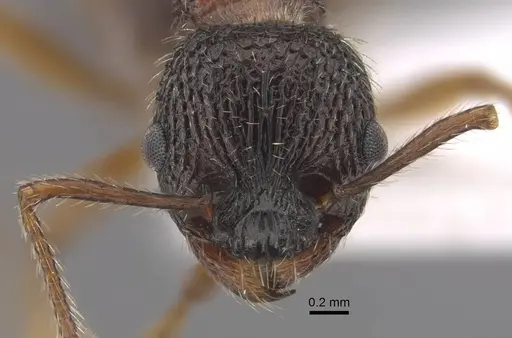
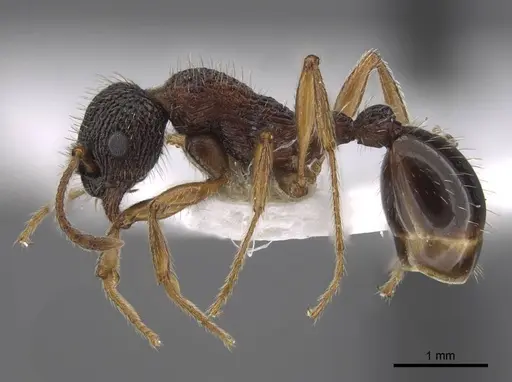
Myrmica koreana is a small ant species belonging to the schencki group. Workers have a distinctive color pattern with yellowish-brown to brown mesosoma, waist, mandibles, antennae and legs, while the head and gaster are reddish brown . Queens are notably small even relative to the workers, making them among the smallest in their species group. This ant is native to the eastern Palaearctic region, ranging from South Korea and northeastern China through Mongolia to southeastern West Siberia. It inhabits steppes and steppe-like habitats on plains and mountains up to 1700m elevation, with nests built directly in soil featuring small woven entrance funnels . What makes M. koreana interesting is its status as an opportunist species - it can colonize relatively harsh habitats including semi-desert areas, showing remarkable adaptability . It was only described as a distinct species in 2001,having been previously misidentified as the related Myrmica schencki. Nuptial flights occur in late summer (August-September) .
Quick Summary
- Difficulty: Medium
- Origin & Habitat: Eastern Palaearctic region, South Korea, northeastern China, Mongolia, southeastern West Siberia, and Russian Far East. Inhabits steppes and steppe-like habitats on plains and mountains up to 1700m elevation, rarely found in light deciduous and mixed forests [2][4].
- Colony Type: Colony structure is unconfirmed. Based on typical Myrmica patterns, likely single-queen colonies.
- Size & Growth:
- Queen: Small, size data unavailable. Mean head width 1.02mm is recorded but this measures head only, not total body length [2]
- Worker: ~4-5mm, inferred from Myrmica genus typical worker size range
- Colony: Unknown for this specific species
- Growth: Moderate
- Development: Development time unconfirmed for this species. Based on typical Myrmica patterns, expect 6-10 weeks at optimal temperature (Inferred from genus-level data as species-specific timing has not been documented)
- Antkeeping:
- Temperature: Keep at 20-24°C. This species tolerates a range from cool to moderately warm conditions, reflecting its adaptation to steppe environments with variable temperatures [2]. A slight gradient allowing cooler areas is beneficial.
- Humidity: Moderate. Keep nest substrate moist but not waterlogged. These ants naturally nest in soil in steppe habitats, so they prefer conditions that mimic well-drained but damp soil.
- Diapause: Yes, requires winter hibernation. As a species from temperate regions with cold winters, colonies need a diapause period of 3-4 months at around 5-10°C [2].
- Nesting: Soil-nesting species. In captivity, a naturalistic setup with soil or a Y-tong (AAC) nest with moist substrate works well. They build small entrance funnels, so providing some loose soil or sand for nest construction is beneficial.
- Behavior: Workers are moderately active and foragers. Like other Myrmica species, they may have a stinger but its effectiveness on human skin is minimal due to their small size. They are not particularly aggressive but will defend the nest if threatened. Escape risk is moderate, their small size means gaps in housing should be sealed properly. They are opportunist foragers, searching for protein sources and sugar.
- Common Issues: colonies may fail if kept too warm without proper hibernation, they need seasonal temperature cycling, founding colonies are vulnerable, avoid disturbance during the founding period, escape prevention is important due to their small worker size, overheating or drying out can quickly kill colonies, monitor humidity carefully, wild-caught colonies may carry parasites that can devastate captive colonies
Nest Preferences and Housing
Myrmica koreana naturally nests in soil, constructing small woven entrance funnels at the nest opening [2]. In captivity, you can use a naturalistic setup with a soil chamber or a Y-tong (AAC) nest with moist substrate. The key is providing consistently moist but not waterlogged substrate, think damp soil, not soggy mud. These ants do well with some loose material they can manipulate, as they naturally build small structures. A small water reservoir connected to the nest helps maintain humidity. Because they come from steppe habitats, they do not need extremely high humidity, moderate moisture is sufficient.
Feeding and Diet
Like other Myrmica species, M. koreana is an opportunist feeder. Offer protein sources such as small insects (fruit flies, small crickets, mealworms), and provide sugar water or honey as an energy source. In the wild, they forage for small arthropods and likely tend aphids for honeydew. Feed protein 2-3 times per week for growing colonies, and keep a sugar source constantly available. Remove uneaten prey after 24-48 hours to prevent mold. Since workers are small, prey items should be appropriately sized. [2]
Temperature and Seasonal Care
Keep your colony at 20-24°C, with a slight gradient allowing workers to choose their preferred temperature. This species tolerates cooler conditions than many tropical ants, reflecting its steppe origins. More importantly, you must provide a proper winter hibernation. Reduce temperatures to 5-10°C for 3-4 months (typically November through February in the Northern Hemisphere). During hibernation, keep the colony dark and quiet, checking only occasionally that the substrate has not dried out completely. This rest period is essential for colony health and triggers reproductive behavior the following season. Do not skip hibernation, colonies that are kept warm year-round often decline. [2]
Behavior and Colony Dynamics
Myrmica koreana workers are small but active. They are active foragers and will search both the nest area and outworld for food. Colonies grow at a moderate pace. The queen is small but lays eggs consistently once established. Workers will defend the nest if threatened, but their small size and mild venom mean they pose minimal danger to keepers. Watch for founding behavior: the new queen may seal herself in a chamber and not emerge until her first workers hatch. During this critical period, avoid any disturbance to the founding chamber. [1]
Frequently Asked Questions
How long does it take for Myrmica koreana to raise first workers?
Development time is unconfirmed for this specific species. Based on typical Myrmica patterns, expect 6-10 weeks from egg to first worker at optimal temperature (around 22°C). The queen will likely remain in her chamber during this time, do not disturb her.
Do Myrmica koreana ants sting?
Yes, Myrmica species have stingers, but due to their very small size, they rarely penetrate human skin effectively. Most keepers report only a mild sensation if stung at all.
What temperature do Myrmica koreana need?
Keep them at 20-24°C with a slight gradient. More critical than exact temperature is providing a proper winter hibernation, they need 3-4 months at 5-10°C each year.
Can I keep multiple Myrmica koreana queens together?
Colony structure is unconfirmed for this species. Multiple unrelated queens will typically fight. Only keep one queen per colony unless you are attempting pleometrosis which carries significant risk and has not been documented for this species.
When do Myrmica koreana have nuptial flights?
Nuptial flights occur in August-September [2]. If you are breeding this species, this is when alates (reproductives) will emerge and be ready for mating.
Are Myrmica koreana good for beginners?
They are intermediate in difficulty. They are harder than simple species like Lasius but more forgiving than tropical ants. The key challenges are providing proper hibernation and maintaining appropriate humidity without overwatering.
How big do Myrmica koreana colonies get?
Colony size is not specifically documented for this species. Typical Myrmica colonies can reach several hundred workers, but this may vary.
Do they need hibernation?
Yes, absolutely. As a species from temperate regions with cold winters, they require 3-4 months of hibernation at 5-10°C annually. Skipping hibernation will harm the colony long-term.
What should I feed Myrmica koreana?
Offer small insects (fruit flies, pinhead crickets, small mealworms) for protein 2-3 times weekly, and provide sugar water or honey constantly. Remove uneaten prey after a day or two.
When should I move them to a formicarium?
Keep founding colonies in a test tube setup until they have 20-30 workers. Then you can move them to a naturalistic setup or formicarium with soil substrate. They do well in nests with moist soil or Y-tong (AAC) setups.
Report an Issue
The current care sheet is based fully on literature. See inconsistencies, or something that's incorrect? Please , it will be resolved after review from an admin. Contributing to the blogs tab also helps providing information, to make us be able to further improve the caresheets. Thank you for your support!
References

Este guia de cuidados está sob a licença CC BY-SA 4.0 .
Posts da comunidade
ANTWEB1041281
Ver no AntWeb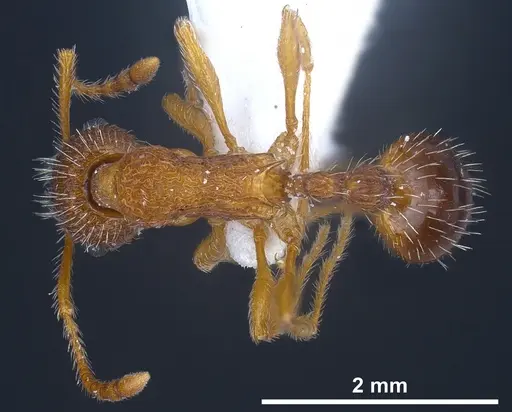
CASENT0900293
Ver no AntWeb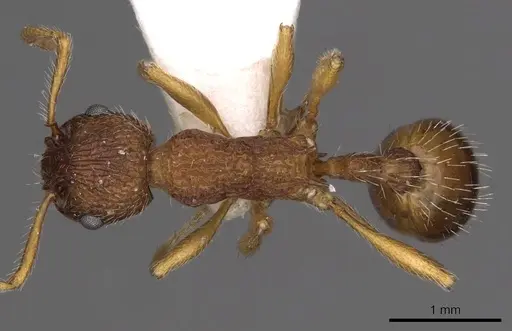
CASENT0917508
Ver no AntWeb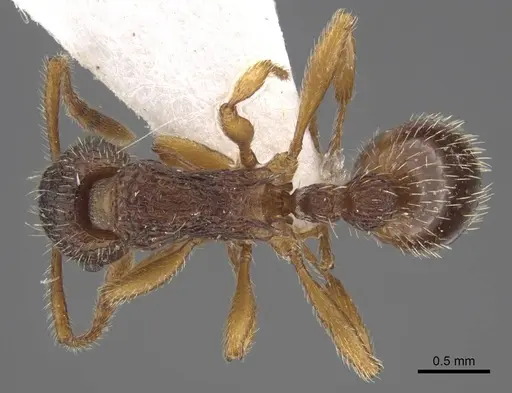
CASENT0917509
Ver no AntWeb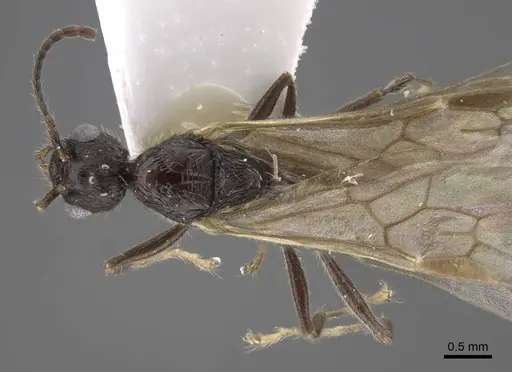
CASENT0917510
Ver no AntWeb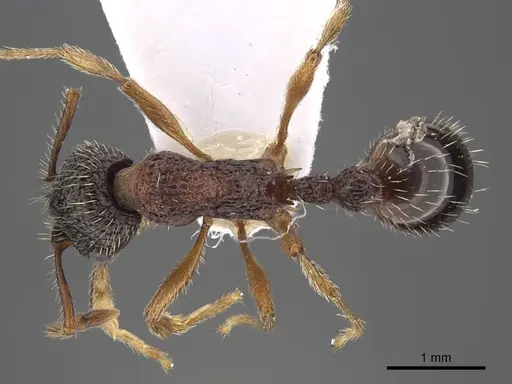
Literatura
Carregando mapa de distribuição...Carregando produtos...