
Myrmica kasczenkoi
- Nome científico
- Myrmica kasczenkoi
- Tribo
- Myrmicini
- Subfamília
- Myrmicinae
- Autor
- Ruzsky, 1905
- Distribuição
- Encontrada em 1 países
Introdução
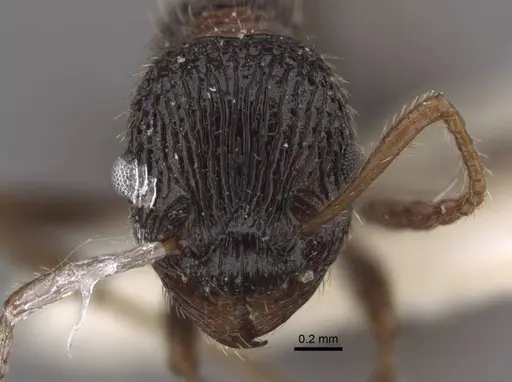
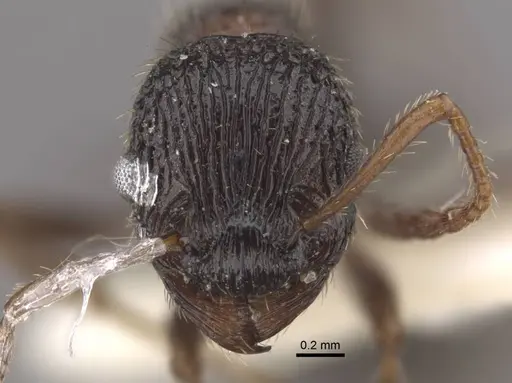
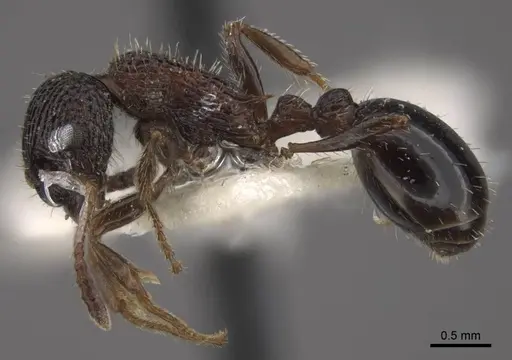
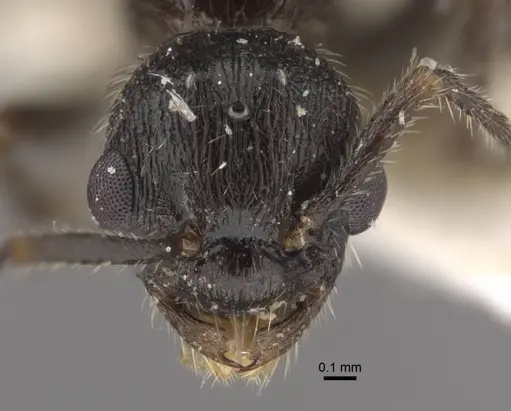
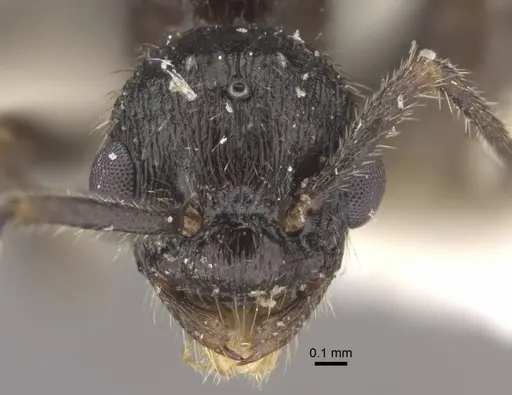
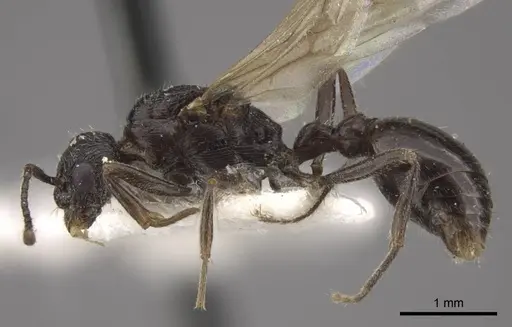
Myrmica kasczenkoi is a small Myrmica ant native to the steppes and dry pine forests of eastern Asia. Workers are brown to reddish-brown with a coarsely rugose head and short, downcurved propodeal spines. The antennal scape curves strongly near the base. This species belongs to the lobicornis group and is closely related to Myrmica pisarskii, differing mainly in the shape of its antennal scape. Found across Mongolia, Korea, and southern Siberia, these ants nest in soil under stones in dry, open habitats at elevations from 600 to 2,400 meters . What makes M. kasczenkoi interesting is its preference for steppe environments - it's one of the few Myrmica species that truly thrives in dry, open habitats rather than the damp forest edges typical of most members of this genus. This species is hemixerophilous, meaning it prefers dry to moderately dry conditions. Nuptial flights occur from August to September .
Quick Summary
- Difficulty: Medium
- Origin & Habitat: Eastern Asia, found in Mongolia, Korea, and southern Siberia (Russia). Inhabits dry and light pine forests and steppes at elevations of 600-2,400 meters. Nests in soil, often under stones [3][2][5].
- Colony Type: Colony structure is unconfirmed for this species. Based on typical Myrmica patterns, likely single-queen.
- Size & Growth:
- Queen: Size data unavailable, inferred from Myrmica genus patterns to be larger than workers
- Worker: Size data unavailable, head width 0.90-0.96mm recorded [1], but body length not measured
- Colony: Colony size unconfirmed for this species
- Growth: Moderate, typical Myrmica development
- Development: Estimated 6-10 weeks based on typical Myrmica development at warm temperatures (Development time is inferred from genus-level data since species-specific timing hasn't been studied)
- Antkeeping:
- Temperature: Keep at 20-24°C. They prefer warmer conditions than many Myrmica since they're from steppe habitats. A heating cable on one side of the nest can create a gentle gradient.
- Humidity: Low to moderate, these are dry habitat ants. Keep the nest substrate slightly moist but allow it to dry between waterings. Avoid the damp conditions preferred by forest-dwelling Myrmica species.
- Diapause: Yes, Myrmica species require winter hibernation. Keep colonies at 5-10°C for 3-4 months during winter, typically from late October to early March in the Northern Hemisphere.
- Nesting: Y-tong (AAC) or plaster nests work well. They prefer dry conditions, so avoid overly moist setups. Provide a small water chamber but don't saturate the nest. Naturalistic setups with stones over soil also work since they naturally nest under stones in the wild [5].
- Behavior: Workers are moderately active and typically not aggressive. They have a functional stinger but rarely use it on humans due to their small size. Like most Myrmica, they are scavengers and predators, collecting honeydew and small insects. Escape risk is moderate, their small size means standard escape prevention works well, but they can climb smooth surfaces. They are more active at warmer temperatures and may become sluggish below 15°C.
- Common Issues: dry conditions are essential, too much moisture leads to mold and colony decline, hibernation is mandatory, skipping winter rest weakens and can kill colonies, slow growth compared to tropical species means beginners may lose patience, wild-caught colonies may have parasites that cause problems in captivity, queen founding behavior is unconfirmed, ensure proper conditions for claustral founding
Nest Preferences and Housing
Myrmica kasczenkoi naturally nests in soil, often under stones in dry, open habitats [5]. In captivity, they do well in Y-tong (AAC) nests or plaster nests that allow some humidity control. The key is keeping conditions drier than typical for most Myrmica, think steppe, not forest floor. A small water chamber for humidity is fine, but the main nest area should stay relatively dry. Test tube setups work for founding colonies, but you'll need to move them to a proper formicarium once the colony reaches 20-30 workers. Because they nest under stones in the wild, providing a flat stone or similar surface in a naturalistic setup can encourage natural behavior [5].
Feeding and Diet
Like other Myrmica species, M. kasczenkoi is omnivorous. Workers collect honeydew from aphids and tend scale insects in the wild, so sugar water or honey water should be available at all times. They also need protein from small insects, flightless fruit flies, small crickets, mealworms, and similar prey items work well. Feed protein 2-3 times per week, adjusting based on colony size. Sugar water can be offered in a test tube with a cotton wick or via a feeding dish. Remove uneaten prey after 24-48 hours to prevent mold. Since they're from steppe habitats with likely seasonal food availability, they may not accept food as aggressively as tropical species, this is normal.
Temperature and Seasonal Care
These are warm-preferring Myrmica compared to their forest-dwelling relatives. Keep the nest at 20-24°C during the active season. A heating cable on one side of the nest creates a temperature gradient that lets ants choose their preferred spot. During summer, room temperature in this range is usually sufficient. Come autumn, you'll need to prepare for hibernation, this is critical for Myrmica health and reproduction. From late October through February or March, move the colony to a cool location (5-10°C) like an unheated garage or refrigerator. Do not feed during hibernation. Gradual cooling and warming (over 1-2 weeks each) prevents temperature shock. Skipping hibernation weakens queens and can cause colony collapse over time. [4]
Behavior and Colony Dynamics
Myrmica kasczenkoi workers are small and not particularly aggressive, though they will sting if threatened. Their stinger is functional but small, most keepers won't feel it. Workers are active foragers that will scout for food and recruit nestmates via chemical trails. Unlike some Myrmica that form large supercolonies, this species typically maintains smaller, discrete colonies. The colony will grow over several years, with queens living potentially 10-15 years under good conditions. Expect the first workers (nanitics) to be smaller than mature workers, this is normal. [3]
Frequently Asked Questions
How long does it take for Myrmica kasczenkoi queens to raise their first workers?
Expect 6-10 weeks from egg to first worker (nanitic) at optimal temperatures around 22-24°C. This is typical for Myrmica species. The queen will remain sealed in her founding chamber until the first workers emerge, then she will resume egg-laying while workers take over foraging and brood care.
Do Myrmica kasczenkoi ants need hibernation?
Yes, absolutely. Myrmica species require a winter dormancy period of 3-4 months at 5-10°C. Skip hibernation and the colony will weaken over time, queens may stop laying eggs and the colony can decline. Provide hibernation from late October through February or March.
What humidity level do Myrmica kasczenkoi need?
Keep them drier than most Myrmica, these are steppe ants. The nest substrate should be slightly moist but never wet. Allow areas to dry out between waterings. Too much moisture causes mold and colony stress. Think damp soil, not soaked sponge.
Are Myrmica kasczenkoi good for beginners?
They are medium difficulty. The main challenges are providing proper dry-steppe conditions and maintaining correct hibernation. If you're comfortable with Myrmica hibernation requirements and can provide a suitably dry nest environment, they make interesting colony pets. They're not as forgiving as some tropical species but not difficult once you understand their needs.
When do Myrmica kasczenkoi nuptial flights occur?
Nuptial flights are from August to September [4]. This is later in the year than many ant species. If you're trying to catch or observe mating flights, look for winged reproductives during these months.
What do Myrmica kasczenkoi eat?
They need a balanced diet of sugar (honey water or sugar water available at all times) and protein (small insects like fruit flies, pinhead crickets, or mealworms 2-3 times weekly). Remove uneaten prey after a day to prevent mold.
How big do Myrmica kasczenkoi colonies get?
Colony size hasn't been specifically documented for this species. Based on typical Myrmica patterns, colonies can reach several hundred workers over 2-4 years. The queen can live 10-15 years, so established colonies can become quite substantial.
Can I keep multiple Myrmica kasczenkoi queens together?
Colony structure is unconfirmed for this species. While pleometrosis (multiple queens founding together) occurs in some Myrmica, it's not documented for this species and is not recommended. Start with one queen for best success.
Do Myrmica kasczenkoi ants sting?
Yes, they have a functional stinger but due to their small size, most people won't feel the sting. They are not aggressive and typically only sting when directly threatened or handled roughly.
What temperature range is best for Myrmica kasczenkoi?
Keep them at 20-24°C during the active season. They prefer warmer conditions than typical forest Myrmica since they're from steppe habitats. A slight temperature gradient (warm end around 24°C, cooler around 20°C) allows ants to self-regulate.
Report an Issue
The current care sheet is based fully on literature. See inconsistencies, or something that's incorrect? Please , it will be resolved after review from an admin. Contributing to the blogs tab also helps providing information, to make us be able to further improve the caresheets. Thank you for your support!
References

Este guia de cuidados está sob a licença CC BY-SA 4.0 .
Posts da comunidade
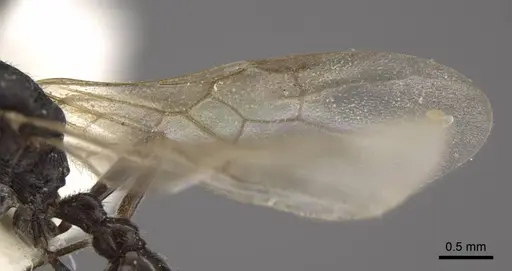
CASENT0917667
Ver no AntWeb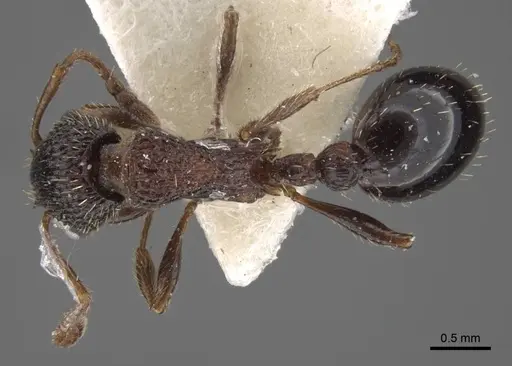
CASENT0917668
Ver no AntWeb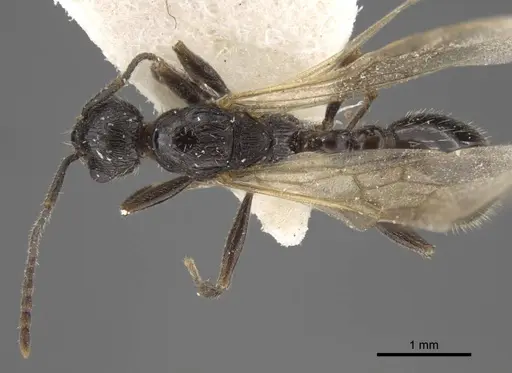
Literatura
Carregando mapa de distribuição...Carregando produtos...