
Myrmica crassirugis
- Nome científico
- Myrmica crassirugis
- Tribo
- Myrmicini
- Subfamília
- Myrmicinae
- Autor
- Francoeur, 2007
- Distribuição
- Encontrada em 1 países
Introdução
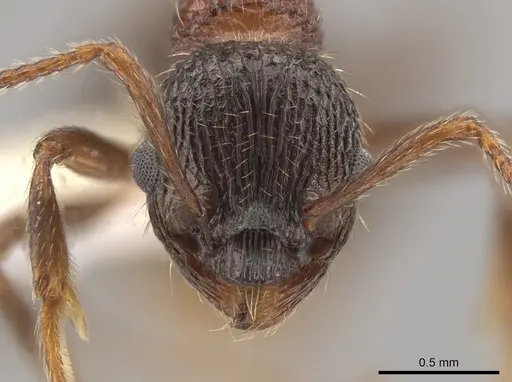
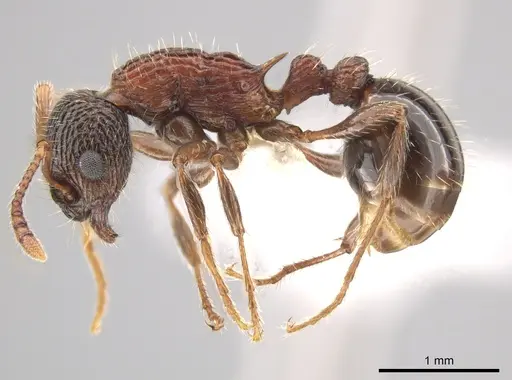
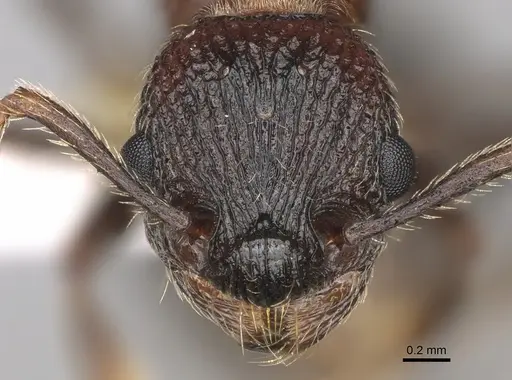
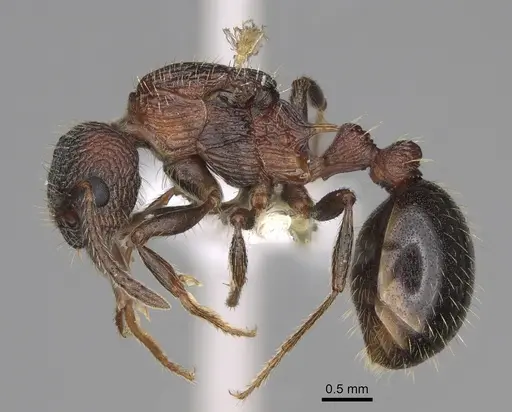
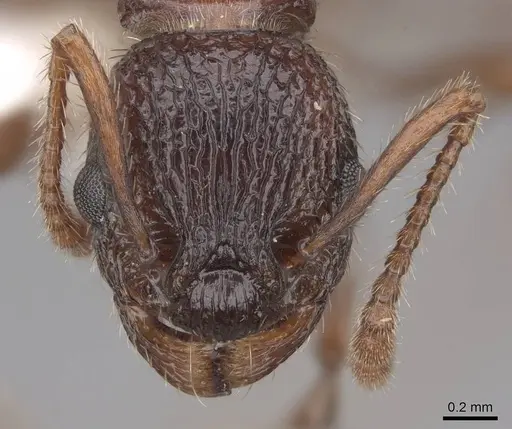
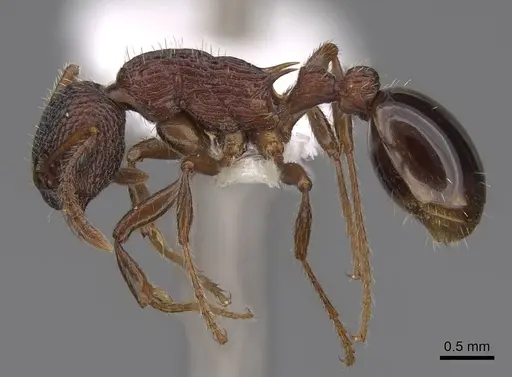
Myrmica crassirugis is a small ant native to western North America, ranging from southern Canada through the western USA. Workers are approximately 4-6mm in length with a distinctive rounded head, strongly striated mesosoma, and medium-length propodeal spines. Body coloration ranges from light to dark brownish-red, with the mesosoma often appearing more reddish. This species belongs to the Myrmica crassirugis species group and was formally described in 2007,having been previously confused with Myrmica americana, M. emeryana, and M. lobifrons in collections . This species inhabits semi-xerophilous prairie (sagebrush steppe) and open dry coniferous forest at higher elevations in mountains. They nest in mineral soils at elevations ranging from 880m in Oregon to over 3000m in Nevada. Because they were only recently described and are rarely collected, M. crassirugis remains one of the less studied Myrmica species in North America .
Quick Summary
- Difficulty: Medium
- Origin & Habitat: Western North America, from southern Canada through the western USA including Idaho, Nevada, Utah, Montana, Oregon, and eventually Arizona, California, New Mexico, Wyoming, and southern Alberta. Found in semi-xerophilous prairie (sagebrush habitats) and open dry coniferous forest of the upper Sonoran zone in mountains. Nests in mineral soils at elevations ranging from 880m in Oregon to over 3000m in Nevada [1].
- Colony Type: Likely monogyne, most Myrmica species have single-queen colonies, though specific data for M. crassirugis is lacking.
- Size & Growth:
- Queen: Approximately 8-11mm, inferred from Myrmica genus patterns since total length measurements are not available [1]
- Worker: Approximately 4-6mm, inferred from Myrmica genus patterns since total length measurements are not available [1]
- Colony: Unknown maximum, estimated from related Myrmica species to reach several hundred to a few thousand workers
- Growth: Moderate, estimated from Myrmica genus patterns
- Development: Unknown, development time has not been documented for this species (Development timeline is unconfirmed. Related Myrmica species typically take 6-10 weeks at room temperature.)
- Antkeeping:
- Temperature: Room temperature around 20-24°C is suitable. This species comes from mountain habitats with variable temperatures and can tolerate some variation. A slight temperature gradient in the nest is beneficial but not required.
- Humidity: Moderate, these ants live in semi-xerophilous (dry to moderately dry) habitats. Keep nest substrate moderately moist but allow it to partially dry between waterings. Provide some drier areas within the nest for the ants to choose.
- Diapause: Yes, likely required based on northern distribution and mountain habitat. Provide a winter diapause of 2-3 months at 5-10°C during winter months.
- Nesting: Nests in mineral soils in the wild, either uncovered or under rocks and vegetation. In captivity, a naturalistic setup with soil or a Y-tong/plaster nest works well. They prefer compact soil chambers rather than overly loose substrate.
- Behavior: Myrmica crassirugis workers are active foragers that defend their nest moderately when threatened. They can sting, which causes mild pain and irritation but is not dangerous to humans. They are not known as escape artists but standard barrier methods should be used. Workers forage for nectar, honeydew, and small insects.
- Common Issues: limited availability, this species is rarely available in the antkeeping hobby since it was only described in 2007, cryptic habits mean wild colonies are difficult to locate and collect, winter hibernation is likely required but specific timing and conditions are unconfirmed, lack of species-specific care information means keepers must rely on genus-level guidance, queen founding may be difficult since colony structure data is lacking
Natural History and Distribution
Myrmica crassirugis is a western North American species found from southern Canada through the western United States. It should eventually be found in Arizona, California, New Mexico, Wyoming, and southern Alberta based on suitable habitat [1]. This species lives in semi-xerophilous prairie habitats similar to sagebrush steppe and in open, dry coniferous forests of the upper Sonoran zone in mountains. They have been collected at elevations ranging from 880 meters in Oregon to over 3,100 meters in Nevada [1].
In the wild, foragers have been collected on various plants including Atriplex confertifolia (shadscale), Agropyron cristatum (crested wheatgrass), Pterysia terebinthina, Balsamorhiza sagitta (arrowleaf balsamroot), and Pinus species (pine trees). Nests are dug directly into mineral soils, either in the open or concealed under rocks and vegetation like herbs and shrubs. Despite their cryptic habits, researchers found them across all major soil and vegetation types at the Idaho National Engineering and Environmental Laboratory site [1].
Identification and Distinguishing Features
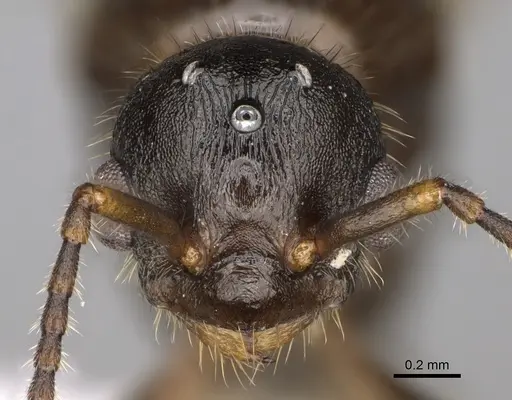
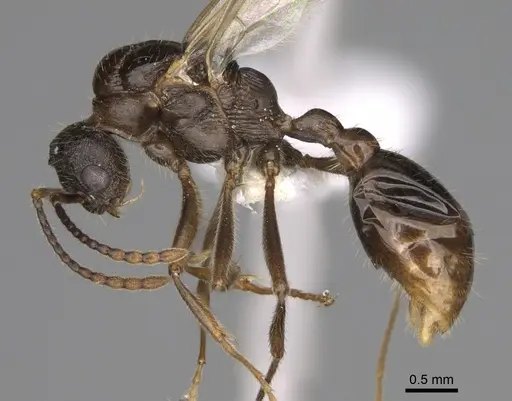
Myrmica crassirugis workers are small ants approximately 4-6mm in length. They can be identified by their rounded head (slightly longer than broad), strongly and deeply striated mesosoma with longitudinally aligned rugae, and medium-length propodeal spines that are subparallel and slightly surpass the propodeal lobes. The body color ranges from light to dark brownish-red, with the mesosoma often appearing more reddish than the head and gaster [1].
This species belongs to the Myrmica crassirugis species group, which was established by Francoeur in 2007. It was previously misidentified as Myrmica americana, Myrmica latifrons, or Myrmica lobifrons in collections. A chemotaxonomic study in 1991 showed that M. crassirugis is distinctive from 14 other described Nearctic Myrmica species and shares some similarities with European species [1]. The species name 'crassirugis' comes from Latin meaning 'thick wrinkle, ' referring to the distinctive coarse sculpture of the mesosoma.
Housing and Nesting Preferences
In captivity, Myrmica crassirugis does well in naturalistic setups with mineral soil or in Y-tong/plaster nests. Since they naturally nest in mineral soils, a compact soil-based formicarium mimics their wild conditions well. Keep the nest substrate moderately moist, these ants come from semi-xerophilous habitats, so they prefer drier conditions than many Myrmica species but still need some moisture. Allow the substrate to dry partially between waterings, with some areas remaining damp.
Provide a standard outworld for foraging with access to sugar water and protein sources. Room temperature around 20-24°C is suitable, with some flexibility since they inhabit variable mountain environments. Standard escape prevention (barrier gel or fluon on edges) works well for this species, they are small enough that standard precautions should be taken.
Feeding and Diet
Like other Myrmica species, Myrmica crassirugis has an omnivorous diet. In the wild, foragers have been collected on various plants, suggesting they collect nectar and honeydew. They probably also hunt small insects and arthropods for protein.
In captivity, offer sugar water or honey as a constant energy source. For protein, provide small insects like fruit flies, pinhead crickets, or mealworms. Based on related Myrmica species, they should accept a variety of foods. Feed protein 2-3 times per week depending on colony size, and keep sugar water available at all times. Remove uneaten prey after 24-48 hours to prevent mold.
Seasonal Care and Hibernation
Based on their northern distribution and mountain habitat, Myrmica crassirugis requires a winter hibernation period. In captivity, provide a diapause (winter rest) of 2-3 months during the winter months. During hibernation, keep colonies at cool temperatures between 5-10°C, such as in an unheated garage or basement.
Reduce feeding before hibernation and stop providing sugar water during the cold period. The colony will become less active as temperatures drop. This species should not be kept warm year-round, the hibernation period is important for their health and reproductive cycle, as with other temperate Myrmica species.
Frequently Asked Questions
How long does it take for Myrmica crassirugis to produce first workers?
The exact timeline for this species has not been documented. Based on typical Myrmica genus patterns, expect 6-10 weeks from egg to first worker at optimal room temperature (around 20-24°C). This is an estimate since species-specific development data is lacking.
Is Myrmica crassirugis a good species for beginners?
This species is rated as medium difficulty. While not the most challenging Myrmica, it is rarely available in the antkeeping hobby and lacks species-specific care information. Beginners may have more success with common species like Myrmica rubra or Myrmica ruginodis that have well-established care protocols.
Do Myrmica crassirugis ants sting?
Yes, like other Myrmica species, they can sting. Their sting is not particularly dangerous to humans but can cause mild pain and irritation. They are not aggressive but will defend their nest if threatened.
What temperature should I keep Myrmica crassirugis at?
Room temperature around 20-24°C is suitable. This species comes from mountain habitats with variable temperatures, so they can tolerate some variation. A slight temperature gradient in the nest is beneficial but not required.
Does Myrmica crassirugis need hibernation?
Yes, hibernation is required based on their northern distribution and mountain habitat. Provide a 2-3 month winter rest period at 5-10°C during the winter months. This is important for colony health and reproductive cycles.
How big do Myrmica crassirugis colonies get?
The maximum colony size for this species is unknown. Based on typical Myrmica patterns, colonies likely reach several hundred to a few thousand workers. They are not considered a large Myrmica species.
Can I keep multiple Myrmica crassirugis queens together?
The colony structure of this species has not been studied. Most Myrmica species are monogyne (single-queen), but combining unrelated foundress queens is not recommended since it has not been documented for this specific species.
What do Myrmica crassirugis eat?
They are omnivorous like other Myrmica species. Offer sugar water or honey as a constant energy source, and provide small insects (fruit flies, pinhead crickets, mealworms) for protein 2-3 times per week.
Where is Myrmica crassirugis found in the wild?
Western North America, from southern Canada through the western USA including Idaho, Nevada, Utah, Montana, and Oregon. They live in semi-xerophilous prairie and dry coniferous forest habitats at elevations from 880m to over 3000m.
Why is Myrmica crassirugis so rarely kept?
This species was only formally described in 2007,making it one of the newer Myrmica species recognized in North America. Its cryptic habits and previous misidentification in collections mean it is rarely collected and even more rarely available in the antkeeping hobby.
Report an Issue
The current care sheet is based fully on literature. See inconsistencies, or something that's incorrect? Please , it will be resolved after review from an admin. Contributing to the blogs tab also helps providing information, to make us be able to further improve the caresheets. Thank you for your support!
References

Este guia de cuidados está sob a licença CC BY-SA 4.0 .
Posts da comunidade
CASENT0635336
Ver no AntWeb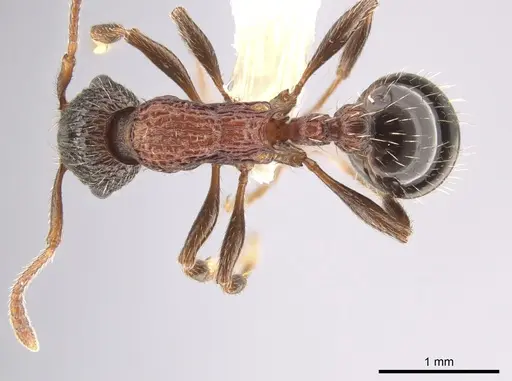
CASENT0862285
Ver no AntWeb
CASENT0862323
Ver no AntWeb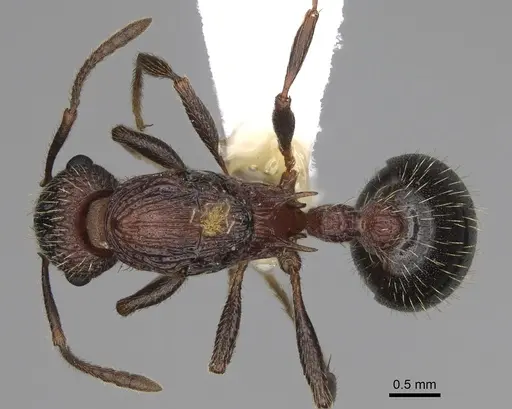
CASENT0922746
Ver no AntWeb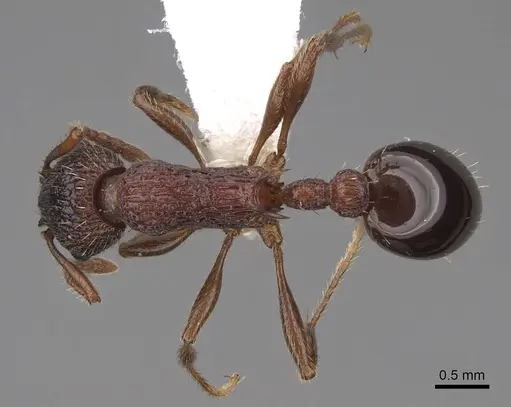
Literatura
Carregando mapa de distribuição...Carregando produtos...