
Myrmelachista chilensis
- Nome científico
- Myrmelachista chilensis
- Tribo
- Myrmelachistini
- Subfamília
- Formicinae
- Autor
- Forel, 1904
- Distribuição
- Encontrada em 1 países
Introdução
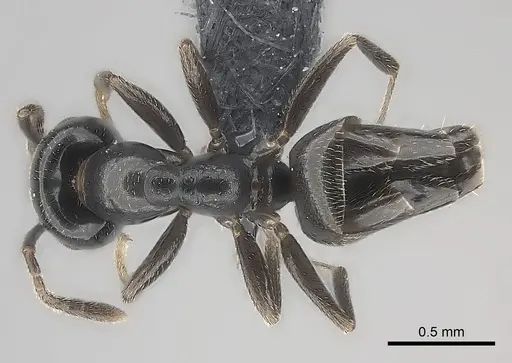
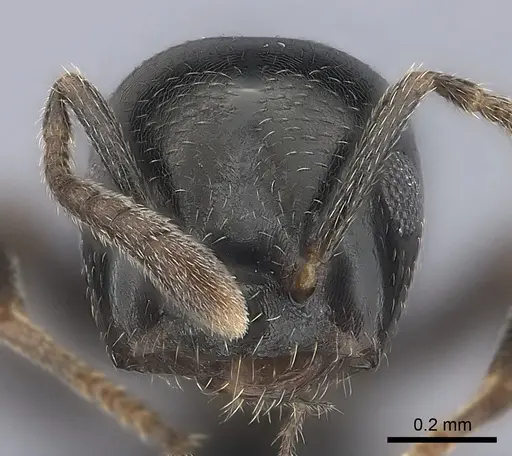
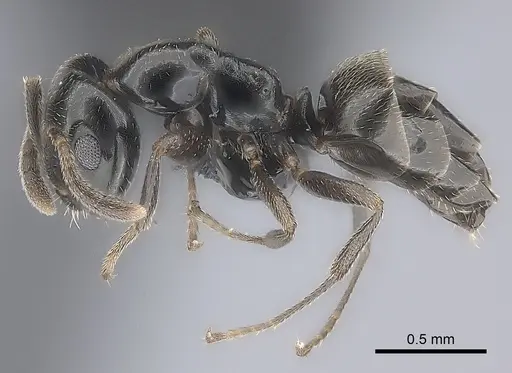
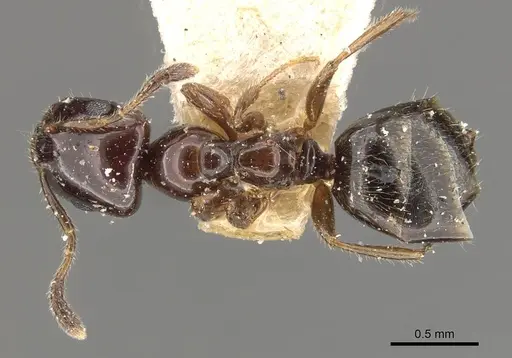
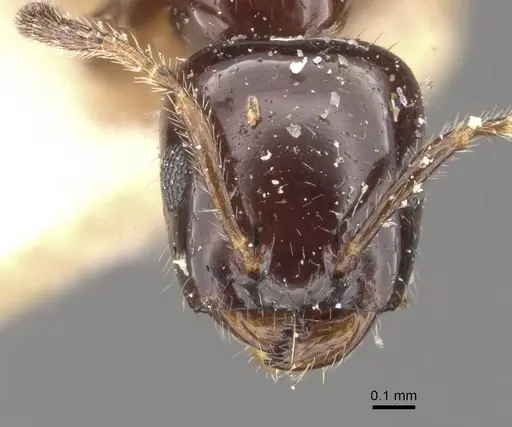
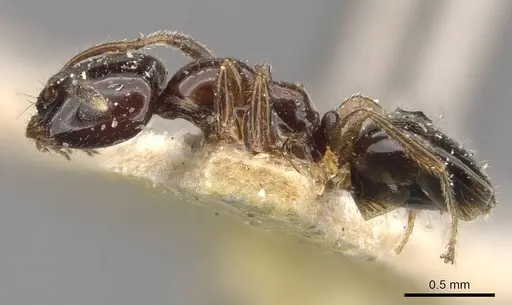
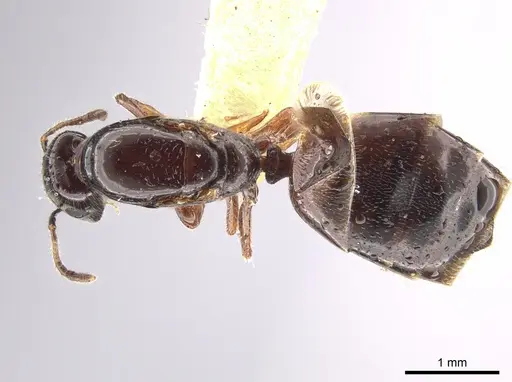
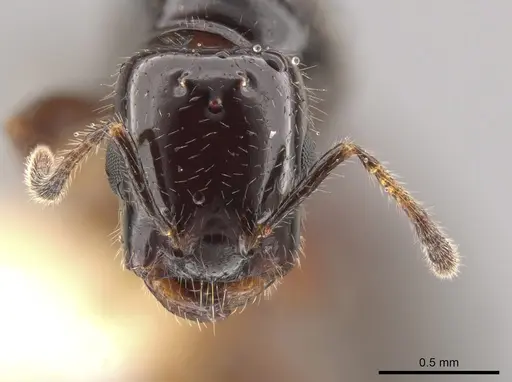
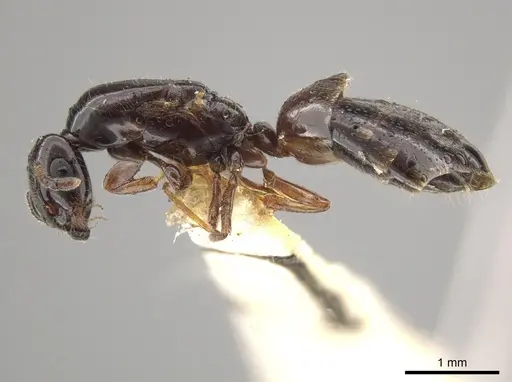
Myrmelachista chilensis is a small ant species native to Chile and Argentina, belonging to the Formicinae subfamily within the Myrmelachistini tribe. Workers are tiny and inconspicuous, typical of cryptic ant species. They have the classic ant body structure with three distinct segments: head, mesosoma, and gaster. The coloration is generally dark brown to black. This species is assigned to the 'cryptic' functional group, meaning they are small, secretive ants that often go unnoticed as they forage in leaf litter and under stones . This species remains poorly studied in the scientific literature, with most records coming from regional surveys in Chile and Argentina. They are ground-nesting ants adapted to the temperate and subtropical regions of southern South America. Their small size and secretive nature make them a challenging species for antkeepers who enjoy observing subtle behaviors.
Quick Summary
- Difficulty: Medium
- Origin & Habitat: Native to Chile and Argentina in the Neotropical Region. Found across the Subantarctic-Patagonian transition zone, with records in Misiones province, Argentina [1]. They are cryptic ground-nesting ants, typically found in leaf litter, under stones, and in decaying wood [2].
- Colony Type: Colony structure is unconfirmed. Based on typical Myrmelachista patterns, likely forms small colonies.
- Size & Growth:
- Queen: Size data unavailable, inferred from Myrmelachista genus (~5-6mm)
- Worker: Size data unavailable, inferred from Myrmelachista genus (~2-4mm)
- Colony: Likely small colonies based on cryptic species patterns
- Growth: Unknown
- Development: Unknown, no species-specific development data available (Development time is unconfirmed since no studies exist on this species)
- Antkeeping:
- Temperature: Keep at room temperature, roughly 18-24°C. They come from temperate Chile and subtropical Argentina, so they can tolerate cooler conditions than tropical species.
- Humidity: Moderate humidity around 50-70%. Keep the nest substrate slightly moist but allow some drying between waterings.
- Diapause: Unknown, not documented in available literature. Based on temperate origin, a winter rest period may be beneficial.
- Nesting: Natural nesting occurs under stones and in decaying wood. In captivity, a Y-tong (AAC) nest or a small test tube setup works well. Provide a small outworld since colonies stay modest in size.
- Behavior: These are shy, non-aggressive ants that avoid confrontation. Workers are small and quick-moving, foraging individually for small prey and honeydew. They are not known to sting and pose no danger to keepers. Their tiny size means escape prevention is important, they can slip through small gaps. They are secretive and spend much of their time hidden in the nest or foraging in covered areas.
- Common Issues: small size makes escape prevention critical, use fine mesh barriers, slow colony growth is likely given cryptic species patterns, wild-caught colonies may have parasites that are difficult to treat, cryptic behavior means you won't see much activity, this is normal, not a problem, overheating is a risk, keep away from direct heat sources
Housing and Nest Setup
Myrmelachista chilensis is a small ant that needs appropriately scaled housing. A test tube setup works well for founding colonies and small established colonies. For larger colonies, a Y-tong (AAC) formicarium with small chambers suits their modest size. The key is tight-fitting connections and fine mesh barriers, these tiny ants can squeeze through surprisingly small gaps. Provide a small outworld since they don't need much foraging space. Nest materials like Y-tong, plaster, or soil nests work fine. Keep the nest area dark or covered to encourage the ants to feel secure and move around openly.
Feeding and Diet
Like most Formicinae, Myrmelachista chilensis is a generalist feeder. Offer sugar water or honey as a constant energy source. For protein, provide small prey items like fruit flies, pinhead crickets, or mealworm pieces. Since they are small ants, prey should be appropriately sized, nothing larger than their own body size. They likely forage for honeydew in nature, so sugar sources are important. Feed every 2-3 days and remove uneaten prey to prevent mold. Observe whether workers readily accept different food types and adjust accordingly.
Temperature and Seasonal Care
This species comes from temperate Chile and subtropical Argentina, so they prefer moderate temperatures. Room temperature (18-24°C) is ideal, with a slight gradient allowing workers to choose their comfort zone. They can tolerate cooler conditions than many tropical species. During winter, diapause requirements are unknown, consider providing a cool period of 2-3 months at 10-15°C to mimic natural seasonal cycles. Reduce feeding during cool periods. Do not attempt to keep them active year-round without a winter rest if they show signs of slowing down.
Behavior and Observation
Myrmelachista chilensis is a cryptic species, this means they are naturally secretive and not particularly active or visible. Workers are small, quick, and tend to stay hidden. Don't expect dramatic foraging displays or aggressive defense of the nest. This is simply their nature. They are not a showy species but rather one for keepers who enjoy observing subtle, naturalistic behaviors. They pose no sting risk and are completely harmless to humans. Their small size and quick movements make them interesting to watch when they do venture out. [1]
Frequently Asked Questions
How long does it take for Myrmelachista chilensis to produce first workers?
Unknown, no species-specific development data is available. Expect several months based on typical Formicinae development patterns.
Can I keep Myrmelachista chilensis in a test tube?
Yes, test tubes work well for founding colonies and small established colonies. Just ensure the cotton is packed tightly and use a fine mesh barrier on the outworld connection.
How big do Myrmelachista chilensis colonies get?
Based on cryptic species patterns, colonies likely remain modest in size. Specific maximums are unconfirmed in available literature.
What do Myrmelachista chilensis eat?
They are generalist feeders. Offer sugar water or honey for energy, and small protein sources like fruit flies, pinhead crickets, or mealworm pieces.
Do Myrmelachista chilensis need hibernation?
Diapause requirements are unknown. Based on their temperate origin in Chile and Argentina, a winter rest period may be beneficial.
Are Myrmelachista chilensis good for beginners?
This species is rated as medium difficulty. While not aggressive, their small size and secretive nature require some experience. Beginners may find them less rewarding than more visible species.
Why is my Myrmelachista chilensis colony so inactive?
This is normal behavior, they are cryptic species by nature. They spend much time hidden in the nest. Low activity is not a sign of problems unless you see dead ants.
When should I move my colony to a formicarium?
Move to a formicarium when the test tube is heavily populated and the water reservoir is running low. For this modest-sized species, a small formicarium or continued test tube setup works.
Can I keep multiple queens together?
Not recommended. Colony structure is unconfirmed for this species. Combining unrelated queens has not been documented and may result in fighting.
Report an Issue
The current care sheet is based fully on literature. See inconsistencies, or something that's incorrect? Please , it will be resolved after review from an admin. Contributing to the blogs tab also helps providing information, to make us be able to further improve the caresheets. Thank you for your support!
References

Este guia de cuidados está sob a licença CC BY-SA 4.0 .
Posts da comunidade
Literatura
Carregando mapa de distribuição...Carregando produtos...