
Myrmecina reticulata
- Nome científico
- Myrmecina reticulata
- Tribo
- Crematogastrini
- Subfamília
- Myrmicinae
- Autor
- Aswaj <i>et al.</i>, 2021
- Distribuição
- Encontrada em 0 países
Introdução
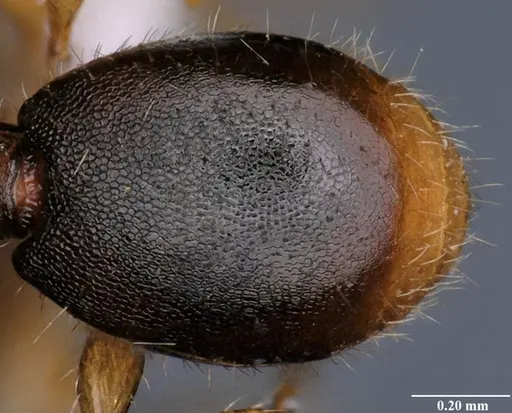
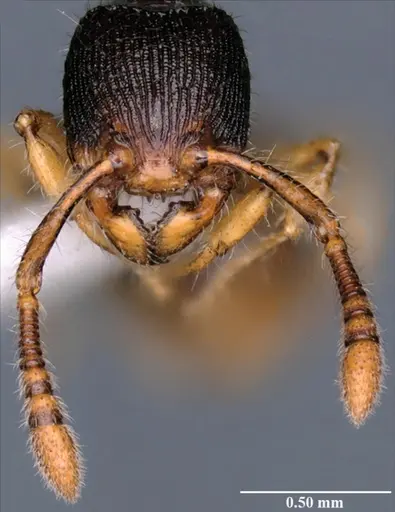
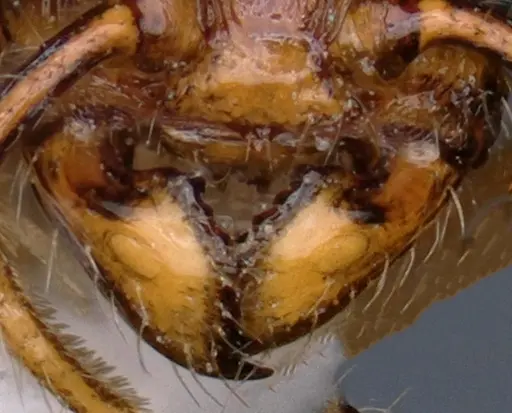
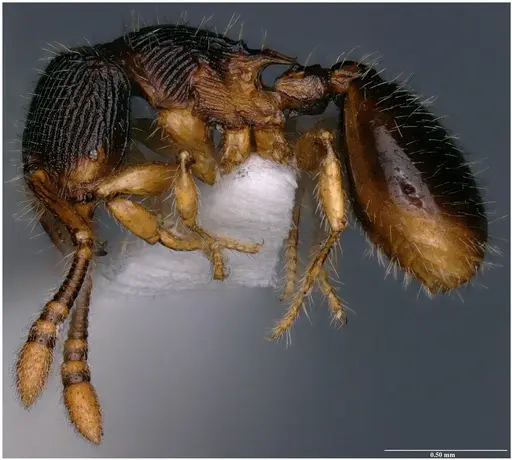
Myrmecina reticulata is a tiny ant species from the Eastern Himalayas in India, recently described in 2021. Workers measure approximately 2.7mm in total length, making them one of the smaller ant species . They belong to the Myrmecina gracilis complex, identified by their very small eyes, flattened body, and distinctive propodeal spines . The species gets its name from the reticulate (net-like) sculpture on the first abdominal segment, which is blackish brown with yellowish markings on the legs and lower body . This is a forest floor species collected from leaf litter in tropical semi-evergreen forest at 409m elevation in the Dampa Tiger Reserve .
Quick Summary
- Difficulty: Unknown, this is a newly described species with limited available care information
- Origin & Habitat: India (Mizoram), Dampa Tiger Reserve, tropical semi-evergreen and evergreen forest with 80% canopy cover at 409m elevation [1]
- Colony Type: Unconfirmed, colony structure has not been documented for this species.
- Size & Growth:
- Queen: Not yet described, no queen specimens have been documented [1]
- Worker: Approximately 2.7mm total length [1]
- Colony: Unknown, no colony size data exists.
- Growth: Unknown, no development data available for this species
- Development: Unconfirmed, no direct observations for this species. (This is an estimate based on genus-level patterns, not species-specific research.)
- Antkeeping:
- Temperature: Keep around 24-26°C initially, this matches their natural habitat range of 22-35°C summer in the Dampa Tiger Reserve [1]. Adjust based on colony activity.
- Humidity: High humidity required, they come from a tropical forest with 2000-2500mm annual rainfall. Keep the nest substrate consistently moist but not waterlogged. Provide a gradient from damp to slightly drier areas.
- Diapause: Unknown, no research on seasonal behavior. Their natural habitat experiences cooler winters (12-25°C), so a brief cool period may be beneficial.
- Nesting: Natural nesting: leaf litter and soil in shaded forest floors. In captivity, a test tube setup or small nest works well. Keep nest material consistently moist. Their tiny size means they need tight chambers and narrow passages.
- Behavior: Behavior is unstudied in captivity. Based on typical Myrmecina genus patterns, they are likely docile, non-aggressive forest floor ants that forage slowly through leaf litter. Their very small size means escape prevention must be excellent, they can squeeze through tiny gaps. They likely form small colonies and are not aggressive defenders. Expect them to be shy and reclusive, preferring dark, humid microhabitats. Defense mechanism: smear (they wipe venom onto enemies using a modified stinger).
- Common Issues: no established captive care guidelines exist, this is a newly described species with no documented husbandry success, escape prevention is critical due to their tiny size, use fine mesh and tight-fitting barriers, humidity management is challenging, too dry causes colony death, too wet causes mold, no confirmed diet acceptance, start with sugar water and small live prey like fruit flies, slow growth and small colony size may frustrate keepers expecting visible progress, this species was collected from a protected tiger reserve, wild collection may be restricted
Natural History and Discovery
Myrmecina reticulata was only described in 2021,making it one of the newest ant species to science. Researchers collected the holotype from the Dampa Tiger Reserve in Mizoram, India, using a Winkler extractor, a tool that sifts leaf litter to collect tiny invertebrates. The species was found alongside other ant genera including Meranoplus, Lasius, and Carebara, suggesting it occupies a similar ecological niche as these small forest floor ants [1]. The name 'reticulata' refers to the distinctive net-like pattern on the first abdominal segment, which helps distinguish it from related species [1]. The Dampa Tiger Reserve receives 2000-2500mm of rainfall annually, creating consistently humid conditions that these ants evolved in.
Housing and Nest Setup
Since this species has never been kept in captivity, you will be pioneering their care. Based on their natural habitat in leaf litter and shaded forest floors, they need high humidity and dark conditions. A test tube setup works as a starting point, fill it partially with moist cotton or soil, then add the colony. The tiny worker size means you must use excellent escape prevention. Cover any openings with fine mesh, and consider using fluon on tube rims. A small nest with tight chambers also works well. Keep the nest area consistently moist but avoid standing water. Place the setup in a dim area of your ant room, these ants avoid bright light. The nest material should hold moisture for several days without drying out completely. [1]
Temperature and Seasonal Care
The natural habitat of Myrmecina reticulata experiences seasonal temperature variation: 12-25°C in winter and 22-35°C in summer [1]. For captive care, aim for the warmer part of their range since they are tropical in origin. Start around 24-26°C and observe your colony's activity levels. If workers become sluggish and cluster together, try warming slightly. If they avoid the heated area, reduce temperature. Unlike temperate species, they may not need a true hibernation, but a brief cool period during winter months might mimic their natural cycle. Use a heating cable on one side of the nest to create a gentle temperature gradient.
Feeding and Nutrition
No captive feeding observations exist for this species, so you will need to experiment. Based on typical Myrmecina genus behavior and their forest floor lifestyle, they are likely generalists that eat honeydew from aphids and small soft-bodied prey. Start with a sugar water or honey water offering, place a tiny drop on a cotton ball to prevent drowning. For protein, offer small live prey like fruit flies, pinhead crickets, or small mealworms. Since they are very small, prey items should be tiny, springtails or fruit fly pupae are appropriate sizes. Remove any uneaten food within 24-48 hours to prevent mold. Feed small amounts twice weekly and adjust based on consumption. Do not be discouraged if initial acceptance is low, new species often take time to adapt to captive food options. [1]
Challenges and Expectations
Keeping Myrmecina reticulata is essentially experimental, no established husbandry guidelines exist because the species was only described in 2021. Expect a learning curve and some trial and error. The biggest challenges are: escape prevention (they are tiny), humidity management (they need it consistently high), and confirming food acceptance (start with sugar and tiny live prey). Growth will likely be slow, small Myrmicinae species often take months to produce their first workers. Do not overhandle the colony or expose them to bright light. If your first attempts fail, try adjusting humidity, temperature, or food options. Your successes and failures will contribute to building care knowledge for this species. [1]
Frequently Asked Questions
How long does it take for Myrmecina reticulata to produce first workers?
This is unconfirmed since the species has never been kept in captivity. Based on typical Myrmecina genus patterns and their small size, expect several months from egg to worker at optimal temperature. Be patient, small ant species often develop slowly.
What do Myrmecina reticulata ants eat?
No captive feeding data exists. Based on their forest floor lifestyle, they likely accept sugar sources (honey water, sugar water) and small live prey (fruit flies, springtails). Start with these options and adjust based on acceptance.
Are Myrmecina reticulata ants aggressive?
Aggression has not been documented. Based on typical Myrmecina genus behavior, they are likely docile and non-aggressive. Their small size and docile nature make them low-risk for painful stings.
What temperature should I keep Myrmecina reticulata at?
Start around 24-26°C based on their natural habitat (22-35°C summer range). Adjust based on colony behavior, if they cluster near heat, increase slightly, if they avoid heated areas, reduce temperature.
How big do Myrmecina reticulata colonies get?
Colony size is unknown, no wild colony data exists. They likely form small, discreet colonies rather than large supercolonies.
Do Myrmecina reticulata ants need hibernation?
Diapause requirements are unconfirmed. Their natural habitat experiences cooler winters (12-25°C), so a brief cool period during winter months may be beneficial but is not clearly required.
Can I keep multiple Myrmecina reticulata queens together?
Colony structure is unconfirmed. No research exists on whether they are monogyne (single queen) or polygyne (multiple queens). Do not combine unrelated foundress queens without documented evidence they tolerate this.
Why are my Myrmecina reticulata ants dying?
Common causes include: escape through tiny gaps (use fine mesh), low humidity (they need consistently moist conditions), improper temperature (too cold slows development, too hot stresses them), and mold from overwatering or uneaten food. Review each parameter and adjust gradually.
What size nest do Myrmecina reticulata need?
Use small, tight chambers scaled to their tiny size. Test tubes work well for founding colonies. Avoid large, open spaces, these shy forest floor ants prefer snug, humid chambers.
Is Myrmecina reticulata a good species for beginners?
No, this is a newly described species with no established captive care guidelines. Keeping them requires experimentation and patience. They are better suited for experienced antkeepers who can adapt to unknown requirements.
Report an Issue
The current care sheet is based fully on literature. See inconsistencies, or something that's incorrect? Please , it will be resolved after review from an admin. Contributing to the blogs tab also helps providing information, to make us be able to further improve the caresheets. Thank you for your support!
References

Este guia de cuidados está sob a licença CC BY-SA 4.0 .
Posts da comunidade
NBAIRHYM-FOR9424
Ver no AntWeb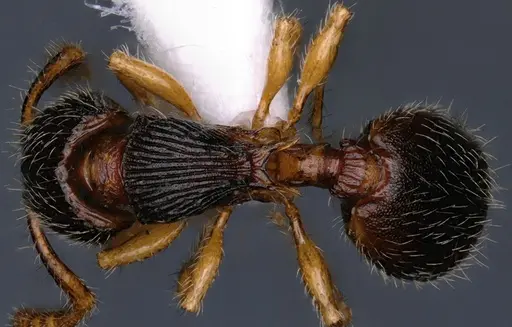
Literatura
Carregando mapa de distribuição...Carregando produtos...