
Myrmecia fulviculis
- Nome científico
- Myrmecia fulviculis
- Tribo
- Myrmeciini
- Subfamília
- Myrmeciinae
- Autor
- Forel, 1913
- Distribuição
- Encontrada em 1 países
Introdução
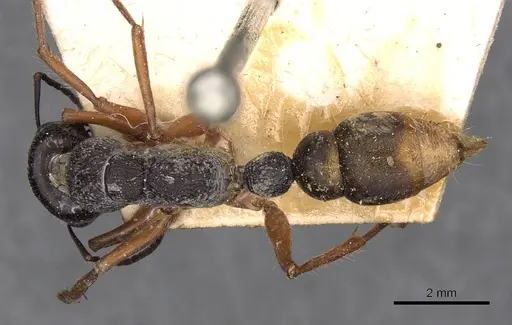
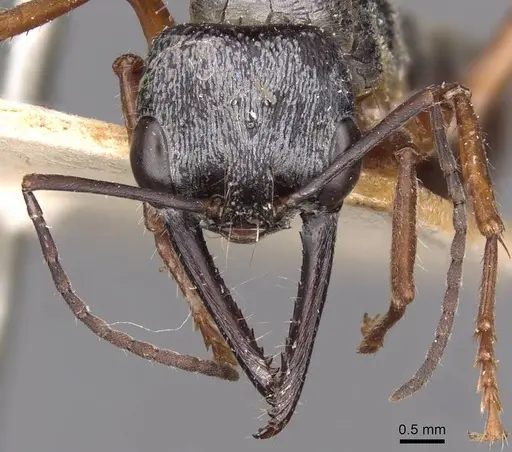
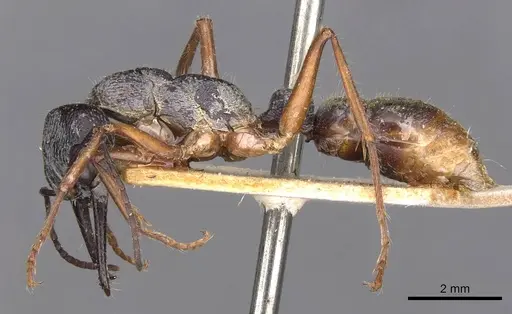
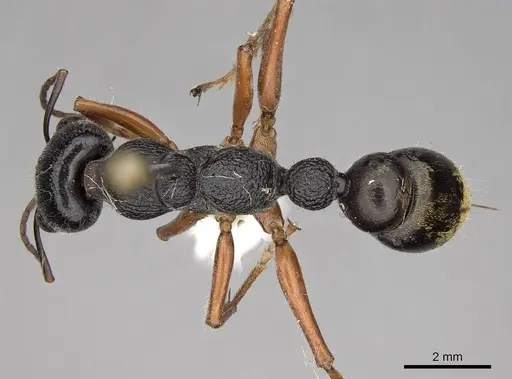
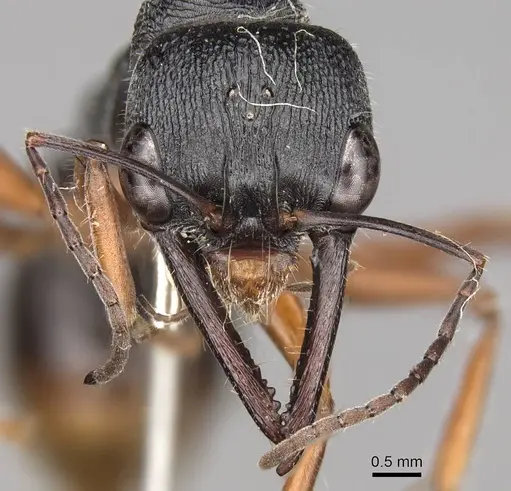
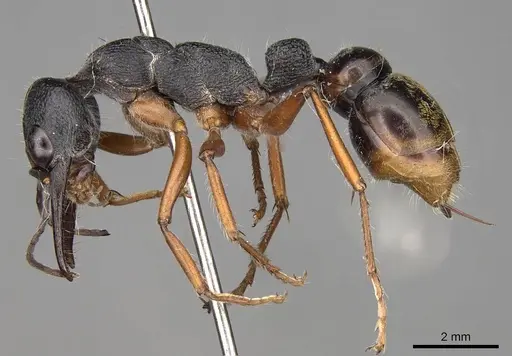
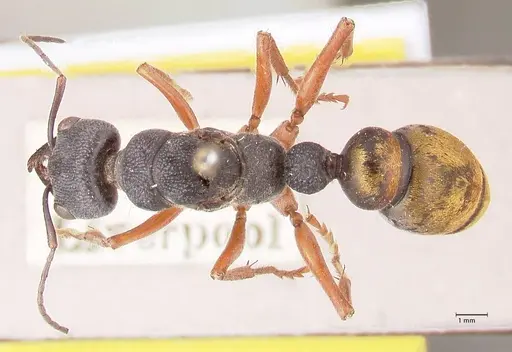
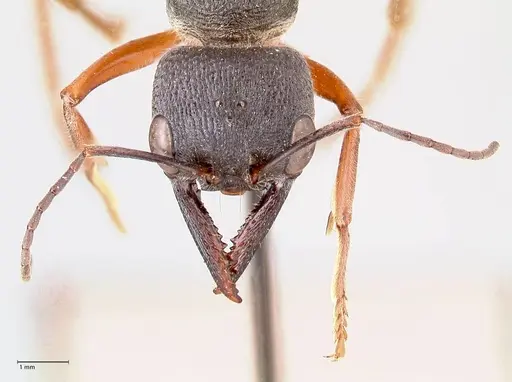
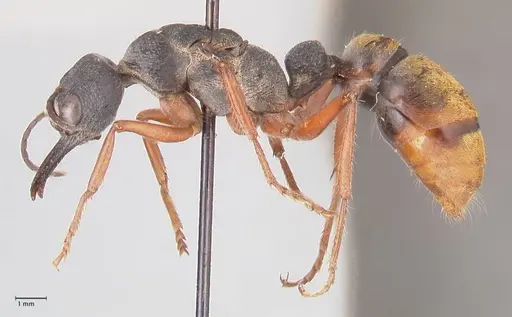
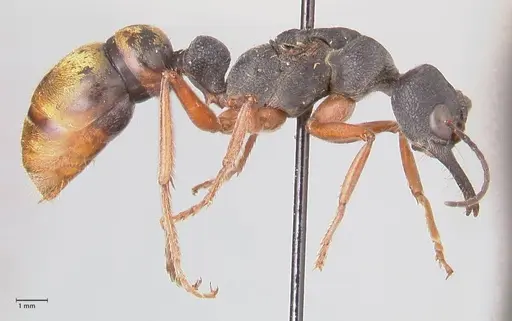
Myrmecia fulviculis is a large bulldog ant native to mainland Australia, primarily found in New South Wales. Workers are robust ants with powerful mandibles and a potent sting. As a member of the mandibularis species group, these ants are known for their alert, defensive behavior and painful sting . They are predatory hunters that actively forage for prey. The species was originally described from Tasmania in 1913,though this locality is now considered an error with the species confirmed only from mainland Australia . These ants are solitary hunters that rely on their vision and speed to capture prey. They maintain smaller colonies with active foraging workers that hunt individually rather than using pheromone trails. Their sting is medically significant and can cause intense pain.
Quick Summary
- Difficulty: Medium
- Origin & Habitat: Mainland Australia, primarily New South Wales. Inhabits open woodland and forest habitats where they nest in soil or under stones [2].
- Colony Type: Unconfirmed. Based on typical Myrmecia patterns, likely single-queen colonies, though colony structure has not been specifically documented for this species.
- Size & Growth:
- Queen: Size data unavailable, estimated 15-20mm based on mandibularis group members [1].
- Worker: Size data unavailable, estimated 10-15mm based on mandibularis group members [1].
- Colony: Maximum colony size unconfirmed for this species.
- Growth: Moderate, typical for Myrmecia species.
- Development: Estimated 8-12 weeks based on related Myrmecia species at optimal temperature. (Development time inferred from genus-level data, specific timeline for M. fulviculis has not been documented.)
- Antkeeping:
- Temperature: Keep at 22-26°C. Provide a temperature gradient so ants can self-regulate. Room temperature within this range is acceptable.
- Humidity: Moderate humidity around 50-60%. They prefer drier conditions than many ants, ensure nest substrate can dry out between waterings.
- Diapause: Unknown for this specific species. Many Australian Myrmecia do not require true hibernation but may reduce activity during cooler months.
- Nesting: Y-tong (AAC) nests or plaster nests work well. Provide a dry, stable nest chamber. They prefer tighter, more enclosed spaces than some Myrmecia.
- Behavior: Highly alert and defensive. Workers actively forage individually, hunting prey rather than recruiting through pheromone trails. They have excellent vision and will respond aggressively to threats. Escape risk is moderate, they are large enough to be contained with standard barriers but strong climbers. Their sting is potent and painful, handle with caution. They are not aggressive toward colony members and typically show minimal intra-colony aggression.
- Common Issues: Sting pain can cause handlers to jerk suddenly, risking colony damage or escape., Large size and strength means standard barriers may need reinforcement., Limited specific care data means keepers must adapt from related species., Queens can be defensive during founding, avoid disturbing sealed founding chambers., Wild-caught colonies may carry parasites that affect captive survival.
Housing and Nest Setup
Myrmecia fulviculis does well in Y-tong (AAC) nests or plaster nests that provide dark, enclosed chambers. These ants prefer drier conditions than many captive ant species, avoid overly humid setups that can lead to mold. A basic setup includes an outworld for foraging connected to a nest chamber. The outworld should be simple with minimal decorations since these ants are active hunters rather than builders. Ensure all connections are secure, large Myrmecia workers can force loose connections. Escape prevention should focus on barrier tape on rim edges and ensuring any gaps are too small for workers to squeeze through.
Feeding and Diet
As predatory bulldog ants, M. fulviculis primarily needs protein-rich prey. Offer live insects such as crickets, mealworms, roaches, and other appropriately sized invertebrates. Prey should be no larger than the ant's head, these ants tackle prey through overpowering rather than swarm attacks. Sugar sources are accepted but not required, you can offer occasional honey or sugar water as a supplement. Feed prey 2-3 times per week, adjusting based on colony size and consumption. Remove uneaten prey after 24 hours to prevent mold. A varied diet helps ensure healthy colonies.
Temperature and Seasonal Care
Maintain temperatures between 22-26°C for optimal colony activity and brood development. A temperature gradient allows ants to self-regulate, place a heating cable on one end of the nest if room temperature is below this range. Australian Myrmecia do not typically require dramatic hibernation, but you may notice reduced activity during winter months. If your colony shows slower movement or workers gathering in cooler areas during winter, reduce feeding and expect a brief rest period. Avoid temperatures below 15°C for extended periods. Room temperature in most homes falls within their acceptable range.
Defense Mechanism
Myrmecia fulviculis possesses a large, smooth stinger capable of delivering multiple rapid injections of highly allergenic venom. These ants are defensive and will sting when threatened. The sting is medically significant and can cause intense pain lasting hours. Some individuals may have allergic reactions requiring medical attention. When working with the colony, move slowly and avoid sudden movements. Never handle these ants directly with bare hands.
Colony Development
Myrmecia colonies develop at a moderate pace. A newly mated queen will found her colony claustrally, sealing herself in a chamber and raising the first brood on her own. The first workers (nanitics) are typically smaller than mature workers but will begin foraging to support further growth. Colony growth depends on successful feeding and stable conditions. Unlike many ants, Myrmecia queens are long-lived and can produce workers for many years. Patience is key, Myrmecia are not fast growers but can become long-lived, established colonies with proper care.
Frequently Asked Questions
How long does it take for Myrmecia fulviculis to produce first workers?
Based on related Myrmecia species, expect 8-12 weeks from egg to first worker at optimal temperature (22-26°C). The exact timeline for M. fulviculis specifically has not been documented.
What do I feed Myrmecia fulviculis?
Feed them live protein prey such as crickets, mealworms, and small roaches. Offer appropriately sized prey, no larger than the ant's head. Occasional sugar water or honey can be given as a supplement.
Are Myrmecia fulviculis good for beginners?
They are considered medium difficulty. While rewarding, their sting and speed require more experience than beginner species. Those with no ant-keeping experience should start with easier species.
What temperature do Myrmecia fulviculis need?
Keep them at 22-26°C. A temperature gradient is ideal so they can self-regulate. Most room temperatures fall within this range.
How big do Myrmecia fulviculis colonies get?
Maximum colony size is unconfirmed for this species. Based on related species, colonies may reach several hundred workers at maturity over several years.
Do Myrmecia fulviculis need hibernation?
True hibernation is not required, but they may reduce activity during cooler winter months. No dramatic temperature drop is necessary.
Can I keep multiple Myrmecia fulviculis queens together?
This has not been documented for this specific species. Myrmecia are typically single-queen colonies. Combining unrelated queens is not recommended without specific evidence they can coexist.
What type of nest is best for Myrmecia fulviculis?
Y-tong (AAC) nests or plaster nests work well. They prefer drier conditions than many ants, ensure good ventilation and allow the nest to dry between waterings.
Why is my Myrmecia fulviculis colony dying?
Common causes include: improper humidity (too wet causes mold), temperatures outside their range, stress from disturbance during founding, or parasites from wild-caught colonies. Review each care aspect and ensure stable conditions.
Report an Issue
The current care sheet is based fully on literature. See inconsistencies, or something that's incorrect? Please , it will be resolved after review from an admin. Contributing to the blogs tab also helps providing information, to make us be able to further improve the caresheets. Thank you for your support!
References

Este guia de cuidados está sob a licença CC BY-SA 4.0 .
Posts da comunidade
Literatura
Carregando mapa de distribuição...Carregando produtos...