
Myopias hollandi
- Nome científico
- Myopias hollandi
- Tribo
- Ponerini
- Subfamília
- Ponerinae
- Autor
- Forel, 1901
- Distribuição
- Encontrada em 0 países
Introdução
Myopias hollandi is a Ponerine ant species endemic to Sumatra, Indonesia. These ants are relatively small - worker size is approximately 4-6mm based on genus patterns. Originally described as Trapeziopelta hollandi by Forel in 1901,the species was revised and now placed in the genus Myopias . The most remarkable feature of this species is its highly specialized glandular system - researchers discovered four novel thoracic glands (propleural pit gland, posterolateral pronotal gland, anterolateral propodeal gland, and metasternal process gland) in addition to the typical labial and metapleural glands found in most ants . These glands produce pheromonal secretions rather than proteins, based on ultrastructural analysis showing absence of granular endoplasmic reticulum .
Quick Summary
- Difficulty: Medium
- Origin & Habitat: Sumatra, Indonesia, tropical rainforest environment. This species is endemic to Sumatra, found nowhere else on Earth [2].
- Colony Type: Colony structure is unconfirmed for this specific species.
- Size & Growth:
- Queen: ~6-8mm, inferred from Myopias genus patterns
- Worker: ~4-6mm, inferred from Myopias genus patterns
- Colony: Colony size data unavailable for this species
- Growth: Moderate, Ponerines typically develop slower than advanced ant genera
- Development: Development time is unconfirmed for this species, estimate 8-12 weeks based on typical Ponerine development at tropical temperatures (Direct measurements for M. hollandi are unavailable)
- Antkeeping:
- Temperature: Keep at 24-28°C (tropical warmth). Use a heating cable on one side of the nest to create a gentle gradient. Being a Sumatran species, they need consistently warm conditions [2].
- Humidity: Keep substrate consistently moist but not waterlogged. Provide a water tube as a humidity source. Tropical forest floor conditions, aim for 70-80% humidity in the nest area.
- Diapause: No, being a tropical species from Sumatra, they do not require hibernation. Maintain warm conditions year-round.
- Nesting: Y-tong (AAC) nests or plaster nests work well. Provide narrow chambers scaled to their medium size. Keep nest material moist but allow some drier areas for the ants to regulate their own humidity.
- Behavior: These ants are predatory, specializing in hunting millipedes. Related species (Myopias conicara and Myopias emeryi) have been observed actively hunting and subduing millipedes using their specialized glands and venom [3]. Workers are likely to be moderately aggressive and will defend the colony. They have a functional sting for defense. Escape risk is moderate, use standard barrier methods. They are primarily nocturnal or crepuscular foragers.
- Common Issues: tropical species requires consistent warmth, cold temperatures will slow or stop brood development, predatory diet means they need live prey, sugar sources alone will not sustain the colony, small colony sizes mean slower growth than many common species, patience is required, wild-caught colonies may have parasites that affect survival in captivity, glandular secretions may have strong odor, adequate ventilation is important
Natural History and Distribution
Myopias hollandi is a rare Ponerine ant endemic exclusively to Sumatra, Indonesia [2]. Originally described in 1901 as Myopias hollandi, it was later transferred to the genus Myopias following a taxonomic revision [1]. The species has been collected from the Indrapura area in northern Sumatra. This restricted distribution makes it a truly unique ant species that cannot be found anywhere else in the world. In its natural habitat, this ant lives in tropical rainforest environments where it plays an important role as a specialized predator.
Unique Glandular System
The most scientifically interesting feature of Myopias hollandi is its extraordinary glandular system. Researchers have discovered four novel thoracic glands that are not found in most other ant species. These include the propleural pit gland (located near the front of the thorax), posterolateral pronotal gland, anterolateral propodeal gland, and metasternal process gland [1]. Each of these glands contains specialized secretory cells that produce substances likely used for chemical communication (pheromones) rather than digestive enzymes, this is indicated by the absence of typical protein-producing cellular structures [1]. The anterolateral propodeal gland shows different morphology between queens and workers, with queens having widened ducts while workers have narrow ones [1]. These glands may play a role in their specialized hunting behavior or colony communication.
Feeding and Predation
Myopias hollandi is a specialized predator, with documented hunting behavior focused on millipedes. Related species Myopias conicara and Myopias emeryi have been observed actively hunting and subduing millipedes as their primary food source [3]. This predatory behavior is likely shared by M. hollandi given the genus patterns. In captivity, you should offer small live prey such as mealworms, small crickets, and other small arthropods. Being a Ponerine ant, they have a functional sting which they use to subdue prey. Sugar sources may be accepted occasionally but should not be the primary food, these are predatory ants that need protein-rich diets. Feed protein prey 2-3 times per week and remove any uneaten prey within 24 hours.
Housing and Nest Setup
For keeping Myopias hollandi successfully, use a Y-tong (AAC) nest or plaster nest with chambers scaled to their medium size (4-6mm workers). Keep the nest substrate consistently moist but not waterlogged, the substrate should feel damp to the touch. Provide a water tube connected to the nest for humidity. Since they are a tropical species from Sumatra, maintain temperatures of 24-28°C using a heating cable if your room temperature is below this range. Place the heating cable on top of the nest to create gentle warmth without drying out the nest too quickly. Use standard escape prevention methods, while not tiny ants, they can still escape through small gaps.
Temperature and Seasonal Care
As a tropical species endemic to Sumatra, Myopias hollandi requires warm conditions year-round. Keep the nest area at 24-28°C continuously. Unlike temperate species, they do not require hibernation or a diapause period. Cold temperatures will slow brood development significantly and may even cause brood death. If your room temperature falls below 24°C, use a small heating cable or heat mat on one side of the nest to maintain appropriate temperatures. Monitor colony activity, if workers become sluggish or cluster together, the temperature may be too low. Consistent warmth is key to maintaining an active, growing colony. [2]
Colony Development and Growth
Ponerine ants like Myopias hollandi typically develop more slowly than many common ant species. Based on typical Ponerine development patterns, expect 8-12 weeks from egg to first worker at optimal temperatures. Colony size data is unavailable for this specific species, direct measurements from wild colonies have not been published. Growth rate is moderate, do not expect the rapid expansion seen in some faster-growing genera. Be patient with founding colonies. The first workers (nanitics) may be smaller than subsequent workers. Once the colony establishes, you should see steady but gradual growth over months and years rather than weeks.
Frequently Asked Questions
How long does it take for Myopias hollandi to produce first workers?
Based on typical Ponerine development, expect 8-12 weeks from egg to first worker at optimal tropical temperatures (25-28°C). This is slower than many common ant species, so patience is required during the founding stage.
What do Myopias hollandi ants eat?
They are specialized predators that hunt millipedes in the wild. In captivity, offer small live prey such as mealworms, small crickets, and other small arthropods. Protein-rich foods are essential, sugar sources may be accepted but should not be the primary diet.
Do Myopias hollandi ants sting?
Yes, as Ponerine ants they have a functional sting used for subduing prey and colony defense. The sting is primarily for prey capture, but it can cause mild irritation if stung. Handle with care and use appropriate escape prevention.
What temperature do Myopias hollandi ants need?
Keep them warm at 24-28°C. Being a tropical Sumatran species, they need consistently warm conditions year-round. Use a heating cable if your room temperature is below this range.
Are Myopias hollandi good for beginners?
This species is rated as Medium difficulty. While not the hardest ant to keep, they require more specific conditions than common species: warm temperatures, high humidity, and a protein-rich diet of live prey. Not recommended as a first ant but manageable for intermediate antkeepers.
How big do Myopias hollandi colonies get?
Colony size data is unavailable for this species. Based on related Myopias species, colonies likely reach moderate sizes, but specific maximum worker counts have not been documented.
Do Myopias hollandi need hibernation?
No, they do not require hibernation. Being a tropical species from Sumatra, they need warm conditions year-round. Maintain temperatures of 24-28°C continuously.
Where is Myopias hollandi found?
This species is endemic to Sumatra, Indonesia, it is found nowhere else on Earth. It was originally described from the Indrapura area in northern Sumatra.
Can I keep multiple Myopias hollandi queens together?
Colony structure is unconfirmed for this species. Based on typical Ponerine patterns, they likely form single-queen colonies. Combining unrelated queens is not recommended as it has not been documented for this species.
Why do Myopias hollandi have unusual glands?
Researchers have discovered four novel thoracic glands in this species that produce pheromonal secretions rather than digestive enzymes. These glands may play roles in hunting, colony communication, or queen-worker interactions. The exact functions are still being studied.
Report an Issue
The current care sheet is based fully on literature. See inconsistencies, or something that's incorrect? Please , it will be resolved after review from an admin. Contributing to the blogs tab also helps providing information, to make us be able to further improve the caresheets. Thank you for your support!
References

Este guia de cuidados está sob a licença CC BY-SA 4.0 .
Posts da comunidade
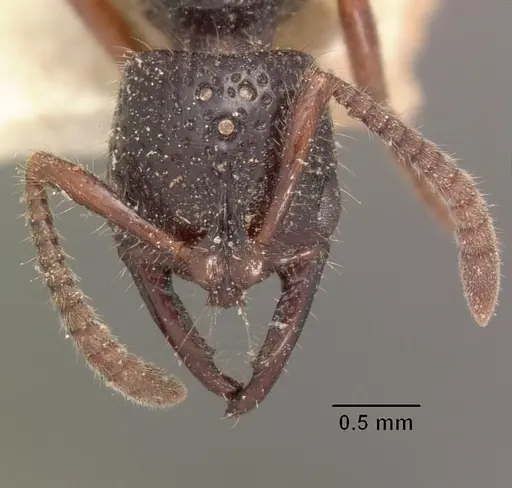
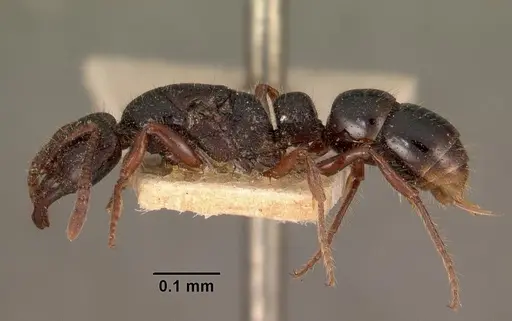
CASENT0102463
Ver no AntWeb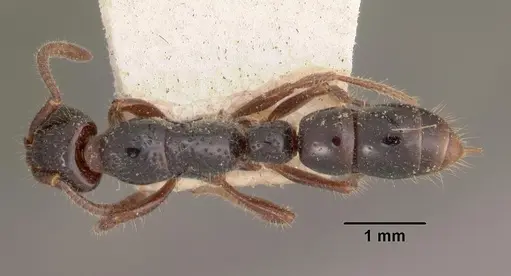
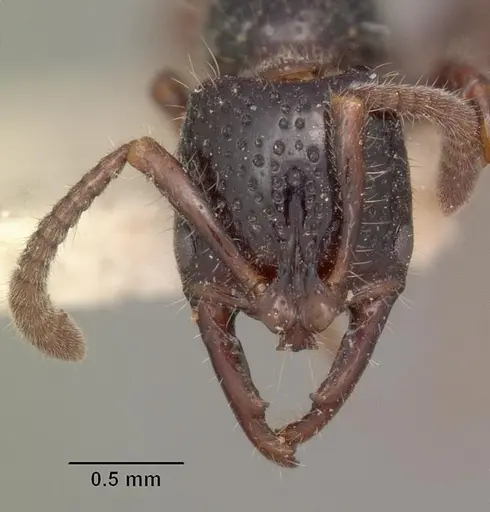
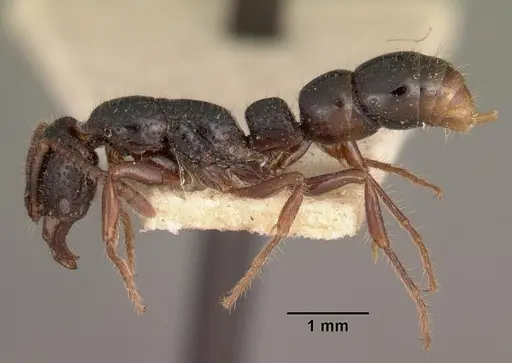
CASENT0102464
Ver no AntWeb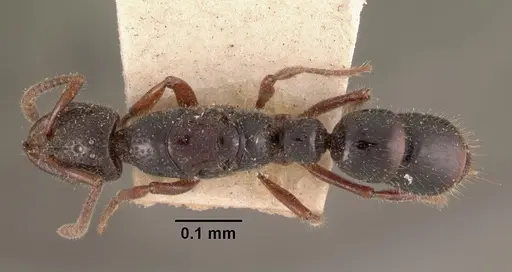
Literatura
Carregando mapa de distribuição...Carregando produtos...