
Monomorium sommieri
- Nome científico
- Monomorium sommieri
- Tribo
- Solenopsidini
- Subfamília
- Myrmicinae
- Autor
- Emery, 1916
- Distribuição
- Encontrada em 3 países
Introdução
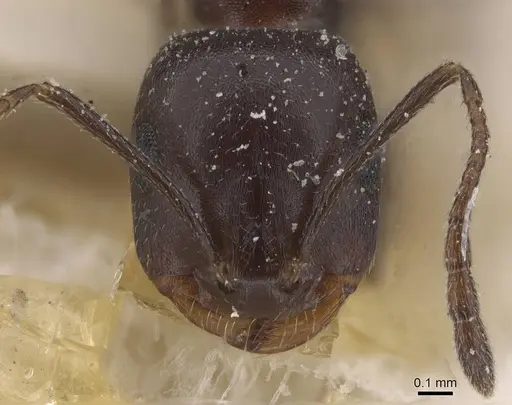
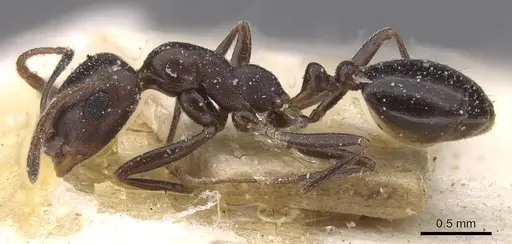
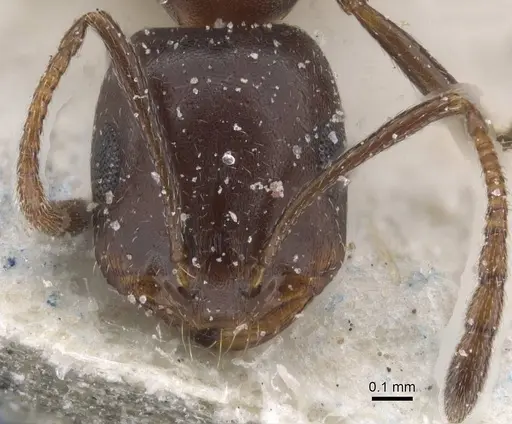
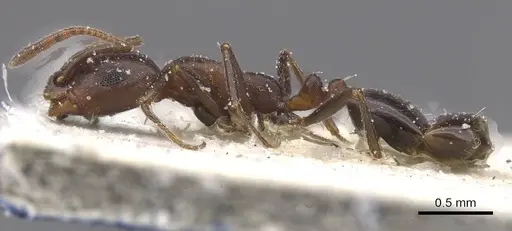
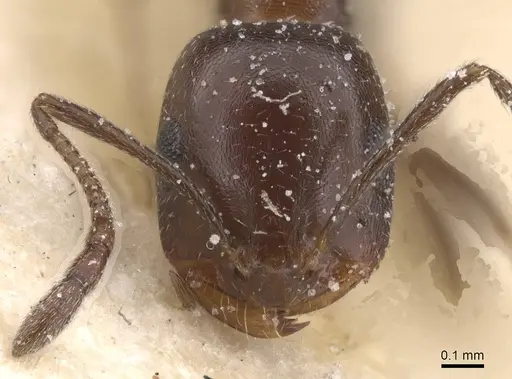
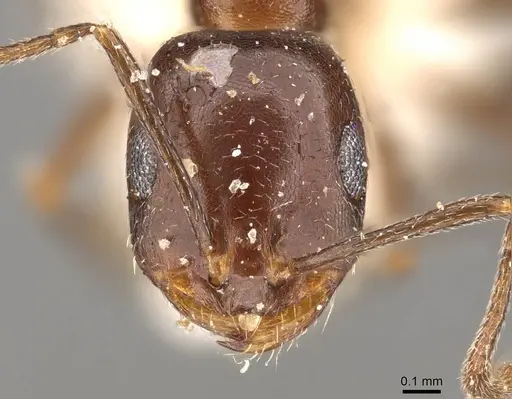
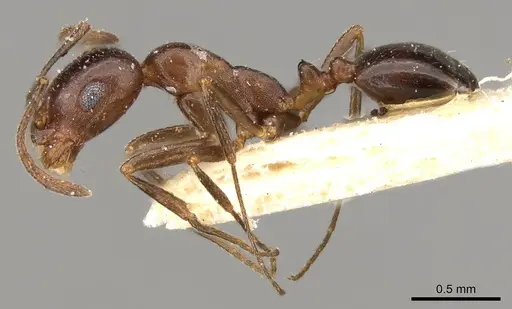
Monomorium sommieri is a small ant species native to the Mediterranean region. Workers measure 2.9-3mm and have a distinctly shiny appearance, especially on the gaster (abdomen), with entire dark brown coloration . This species was originally described as a variety of Monomorium salomonis but was elevated to full species status in 1995 by Mei . The species is found across the Mediterranean, with confirmed populations in Israel, Tunisia, and Italy (Sicily and Lampedusa Island) . This tiny ant thrives in warm, dry Mediterranean habitats. Like other Monomorium species, they are generalist foragers that exploit various food sources. Their small size makes them quick and active. They nest in soil or under stones in coastal and arid regions.
Quick Summary
- Difficulty: Easy
- Origin & Habitat: Mediterranean region, found in coastal areas of Tunisia, Israel, and Sicily/Lampedusa Island in Italy. In Israel, populations are recorded in the central Coastal Plain, southern Coastal Plain, northern Negev, and central Negev regions [2][3]. Inhabits dry, warm Mediterranean habitats with sparse vegetation.
- Colony Type: Colony structure is not directly documented for this species.
- Size & Growth:
- Antkeeping:
- Temperature: Keep at 22-28°C. Mediterranean origin means they tolerate warm, dry conditions well.
- Humidity: Low to moderate. These are dry habitat ants, keep substrate slightly moist but allow drying periods.
- Diapause: diapause requirements not documented in research literature
- Nesting: Test tubes work well for founding colonies. For established colonies, Y-tong nests or plaster nests with small chambers suit their tiny size. They do well in naturalistic setups with dry substrate.
- Behavior: Active foragers that readily explore their surroundings. Not aggressive toward keepers, their small size means they pose minimal sting threat to humans. They are escape artists due to their tiny size, fine mesh barriers are essential. They are generalist feeders and will accept most ant foods.
- Common Issues: escape prevention is critical due to their very small size, overheating can kill colonies, keep nest temperatures below 30°C, too much humidity causes mold problems, these are dry habitat ants, wild-caught colonies may have parasites, quarantine and observe new colonies
Housing and Nest Setup
Monomorium sommieri is a tiny ant, so your housing must account for their small size. Test tubes work perfectly for founding colonies, use a small water reservoir and fill only 1/3 with water, keeping the cotton barrier tight. For established colonies, Y-tong (AAC) nests with narrow chambers or small-format plaster nests work well. Naturalistic setups with a thin layer of dry substrate also work, but ensure escape prevention is excellent. Use fine mesh on all openings, these ants can squeeze through gaps smaller than 1mm. A small outworld area for foraging completes the setup. [1]
Feeding and Diet
These are generalist omnivores. Offer sugar water or honey water constantly, they readily accept sweet liquids. For protein, provide small insects like fruit flies, pinhead crickets, or mealworm pieces. They will also eat small seeds if available, though this is not a required part of their diet. Feed protein 2-3 times per week, and keep sugar water available at all times. Remove uneaten prey after 24 hours to prevent mold. Given their tiny size, portion sizes should be very small.
Temperature and Seasonal Care
Monomorium sommieri comes from Mediterranean climates, so they prefer warm conditions. Keep the nest at 22-28°C for optimal growth and activity. They can tolerate temperatures up to 30°C but should be kept below this threshold. During winter months, some cooling is natural for Mediterranean species, though specific diapause requirements are not documented in research literature. [2]
Behavior and Handling
This species is active and alert but not aggressive. Workers are quick-moving and will explore their outworld readily in search of food. Their small size means they pose minimal sting threat to keepers. They are skilled climbers and will attempt to escape, so barrier maintenance is ongoing. They do not have major defensive behaviors beyond standard alarm pheromone responses. Observing their foraging is enjoyable due to their speed and activity level. They adapt well to captivity and typically settle into routine quickly after establishment.
Frequently Asked Questions
How long does it take for Monomorium sommieri to produce first workers?
Specific development timing for this species is not documented in research literature. Expect several weeks to a couple months depending on temperature conditions.
Do Monomorium sommieri ants sting?
This species belongs to the subfamily Myrmicinae which has a sting mechanism, but their small size means any sting would be minimal to humans.
What size colony do Monomorium sommieri reach?
Specific colony size data is not documented for this species in research literature.
Can I keep multiple queens together?
Colony structure is not documented for this species. Monomorium species typically have single-queen colonies, but this has not been specifically studied for M. sommieri.
Do Monomorium sommieri need hibernation?
Specific diapause requirements are not documented in research literature for this species.
What do I feed Monomorium sommieri?
They accept a general ant diet: sugar water or honey constantly, plus small insects (fruit flies, pinhead crickets, mealworm pieces) 2-3 times per week. They are not picky eaters.
How do I prevent escapes?
Use fine mesh barriers on all openings, these ants are only about 3mm and can squeeze through tiny gaps. Apply fluon or similar barriers to the rim of the outworld. Check connections between nest and outworld regularly.
Are Monomorium sommieri good for beginners?
Yes, they are considered easy to keep. They are forgiving of minor temperature fluctuations, do not require high humidity, and pose minimal sting risk. Their small size and escape risk are the main considerations for new keepers.
When should I move them to a formicarium?
Wait until the colony has 20-30 workers before moving from a test tube setup. Ensure the new nest has appropriately sized chambers, these tiny ants need small passages, not large open spaces.
Where is Monomorium sommieri found?
This species is found in the Mediterranean region: Tunisia, Israel (Coastal Plain and Negev regions), and Italy (Sicily and Lampedusa Island) [2][3].
Report an Issue
The current care sheet is based fully on literature. See inconsistencies, or something that's incorrect? Please , it will be resolved after review from an admin. Contributing to the blogs tab also helps providing information, to make us be able to further improve the caresheets. Thank you for your support!
References

Este guia de cuidados está sob a licença CC BY-SA 4.0 .
Posts da comunidade
CASENT0913844
Ver no AntWeb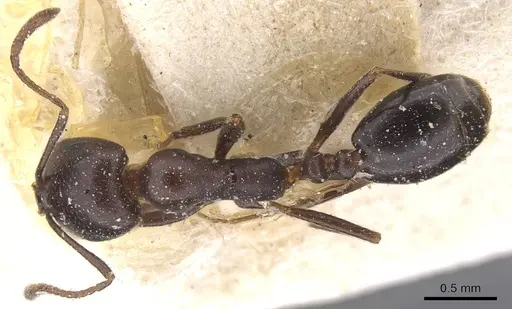
CASENT0913845
Ver no AntWeb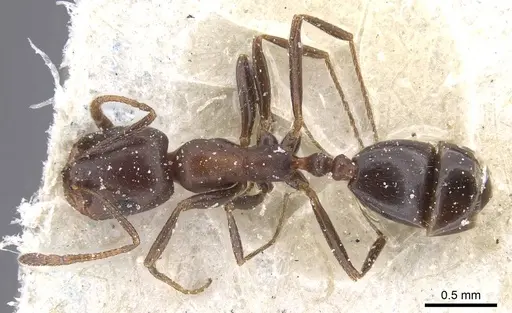
CASENT0913846
Ver no AntWeb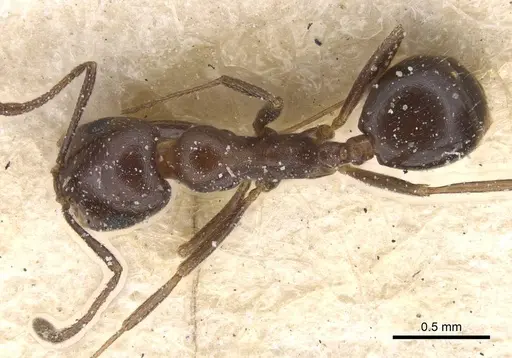
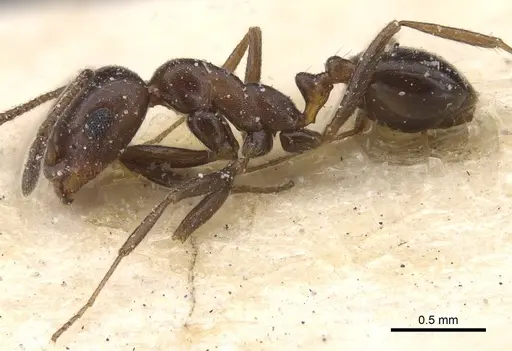
CASENT0914320
Ver no AntWeb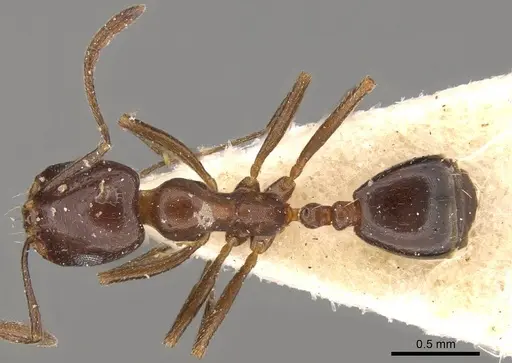
Literatura
Carregando mapa de distribuição...Carregando produtos...