
Monomorium luisae
- Nome científico
- Monomorium luisae
- Tribo
- Solenopsidini
- Subfamília
- Myrmicinae
- Autor
- Forel, 1904
- Distribuição
- Encontrada em 1 países
Introdução
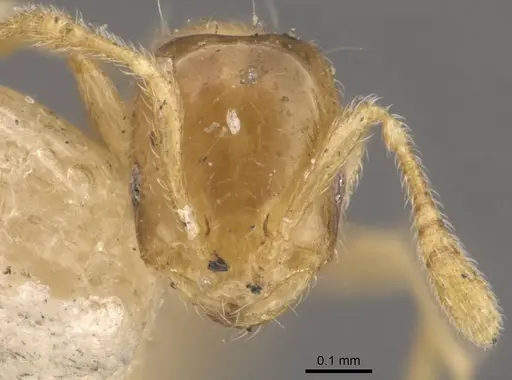
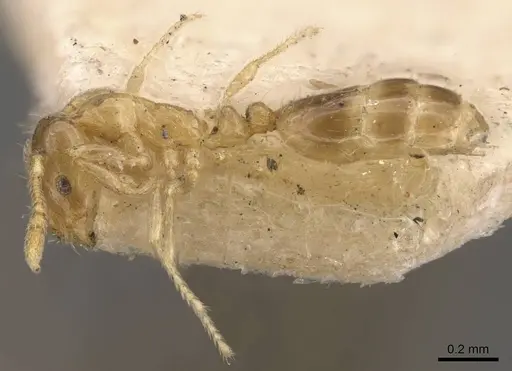
Monomorium luisae is a tiny ant species native to the Himalayan regions of India and Pakistan, particularly Kashmir. Workers are small and yellowish to light brown. The species was described by Forel in 1904 from the Kashmir valley and is found at elevations around 2000 meters . This high-altitude species is adapted to cooler mountain environments, making it distinct from many tropical ants.
Quick Summary
- Difficulty: Medium
- Origin & Habitat: Himalayan regions of India and Pakistan, specifically Kashmir, at elevations around 2000 meters [1][2][3].
- Colony Type: Colony structure is unconfirmed. No specific data on queen number or social structure.
- Size & Growth:
- Queen: Size data unavailable, no total length measurements in research. Inferred from Monomorium genus patterns, approximately 6 mm.
- Worker: Size data unavailable, inferred from Monomorium genus patterns, approximately 3 mm.
- Colony: Colony size data unavailable, based on genus patterns, colonies may reach several hundred workers.
- Growth: Moderate, inferred from typical genus development.
- Development: Estimated 6-8 weeks based on genus patterns [4]. (Development time is estimated as species-specific data is unavailable.)
- Antkeeping:
- Temperature: Keep at cool temperatures, roughly 18-24°C, based on high-altitude habitat [1]. Temperature needs are unclear, start around this range and observe.
- Humidity: Keep nest substrate consistently moist but not waterlogged. Based on general ant care, but no specific data for this species.
- Diapause: Yes, a winter diapause is recommended based on Himalayan origin [1]. Reduce temperatures to 10-15°C for 2-3 months during winter.
- Nesting: Use test tubes for founding colonies. Once established, Y-tong or plaster nests with narrow chambers work well. Avoid acrylic nests.
- Behavior: These ants are active foragers with a sting, but due to their small size, the sting is not painful to humans. They are generally peaceful but defensive if threatened. Escape prevention is critical due to their tiny size.
- Common Issues: escape prevention is critical due to very small size, use fine mesh and tight-fitting lids., colonies grow slowly, patience is key., overheating is a risk, they prefer cooler temperatures., test tube flooding can drown colonies, use appropriate water reservoir size.
Housing and Nest Setup
For founding colonies, a standard test tube setup works well. Fill the tube about one-third with water, plug with cotton, and place the queen in the tube. The queen will seal herself in a chamber and lay eggs. Once you have workers, consider moving to a small formicarium. Y-tong or plaster nests with narrow chambers work well for these tiny ants. The chambers should be tight-fitting to their body size, too much open space stresses them. A small outworld connected to the nest allows for feeding. Use a test tube for water in the outworld to prevent drowning.
Feeding and Diet
Monomorium luisae likely accepts small protein sources like fruit flies, pinhead crickets, and other tiny insects. They probably also collect honeydew and sugar water. Offer a drop of sugar water or honey once or twice a week, and protein prey every few days. Remove uneaten prey after 24 hours to prevent mold. Since they are small, the prey items should be appropriately sized, nothing larger than their head. Live prey is preferred but they will accept pre-killed items.
Temperature and Seasonal Care
This is a cool-adapted species from high altitudes. Keep temperatures in the 18-24°C range, they do not need warmth like tropical ants. In fact, overheating above 28°C can be harmful. A room-temperature environment is often ideal. During winter, simulate hibernation by reducing temperatures to 10-15°C. This diapause period is important for colony health. Do not feed during hibernation but ensure the nest does not dry out completely. Return to normal temperatures gradually in spring.
Colony Development and Growth
Colony growth is moderate. The queen will lay eggs after sealing herself in during founding. First workers typically appear in 6-8 weeks based on genus patterns, though this is unconfirmed for this specific species. Nanitics are smaller than mature workers and may take several months to develop. A healthy colony may reach several hundred workers over 1-2 years. Growth is slower than many tropical species, this is normal for a cool-adapted ant. Patience is essential during the founding phase.
Behavior and Temperament
These are active, foraging ants that search for food across their territory. They are not particularly aggressive but will defend their nest if threatened. Workers are fast-moving due to their small size. They have a sting with venom, but it is not painful to humans due to their tiny size. The main concern for keepers is their ability to escape through tiny gaps. Always use excellent escape prevention, fine mesh on all openings, fluon barriers on smooth surfaces, and tight-fitting lids. They are best observed through a magnifying glass given their tiny size.
Frequently Asked Questions
How long does it take for Monomorium luisae to produce first workers?
Based on typical Monomorium development, expect first workers in about 6-8 weeks after the queen lays eggs. This is an estimate since species-specific development data is not available [4].
What temperature do Monomorium luisae ants need?
Keep them at cool temperatures, roughly 18-24°C, based on their high-altitude Himalayan origin [1]. Room temperature is usually ideal. Avoid temperatures above 28°C as this can harm the colony.
Do Monomorium luisae ants need hibernation?
Yes, a winter diapause is recommended based on their Himalayan origin [1]. Reduce temperatures to 10-15°C for 2-3 months during winter. Do not feed during this period but ensure some moisture is available.
What do Monomorium luisae ants eat?
They likely accept small insects like fruit flies, pinhead crickets, and other tiny arthropods. They also probably collect honeydew and sugar water. Offer protein prey a few times per week and sugar water or honey once or twice weekly. Remove uneaten food after 24 hours.
Are Monomorium luisae good for beginners?
This is a medium-difficulty species. They are small and require excellent escape prevention, which can be challenging. Their slower growth and hibernation requirements also require patience. However, their moderate temperature needs are easy to meet in most homes. Experienced antkeepers should have success with this species.
How big do Monomorium luisae colonies get?
Colony size data is unavailable, but based on genus patterns, colonies may reach several hundred workers over 1-2 years. Growth is moderate and slower than many tropical ants.
Can I keep multiple Monomorium luisae queens together?
The colony structure is unconfirmed for this species. Most Monomorium are monogyne (single queen), though some can be polygyne. It is not recommended to combine unrelated foundress queens as they may fight. Wait until you have an established colony before attempting any colony structure experiments.
When should I move Monomorium luisae to a formicarium?
Keep them in a test tube for the founding stage. Once the colony has workers and the test tube is showing signs of degradation, consider moving to a small formicarium. A Y-tong or plaster nest with narrow chambers works well for their tiny size.
Why are my Monomorium luisae dying?
Common causes include: overheating (keep below 28°C), escape through tiny gaps, test tube flooding, mold from overwatering, or stress from too much open space. Check your setup against these common issues. Their slow growth can also lead keepers to overfeed, which causes mold problems.
Report an Issue
The current care sheet is based fully on literature. See inconsistencies, or something that's incorrect? Please , it will be resolved after review from an admin. Contributing to the blogs tab also helps providing information, to make us be able to further improve the caresheets. Thank you for your support!
References

Este guia de cuidados está sob a licença CC BY-SA 4.0 .
Posts da comunidade
CASENT0908701
Ver no AntWeb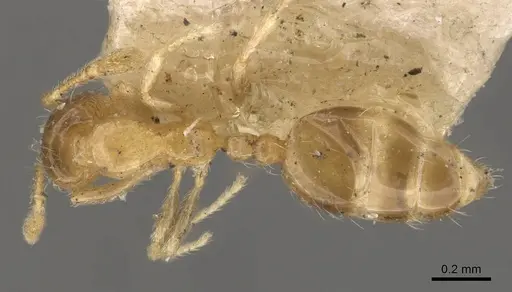
Literatura
Carregando mapa de distribuição...Carregando produtos...