
Messor obscurior
- Nome científico
- Messor obscurior
- Tribo
- Stenammini
- Subfamília
- Myrmicinae
- Autor
- Pashaei Rad <i>et al.</i>, 2018
- Distribuição
- Encontrada em 0 países
Introdução
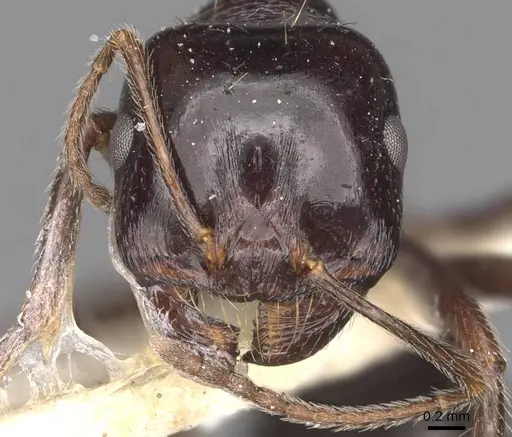
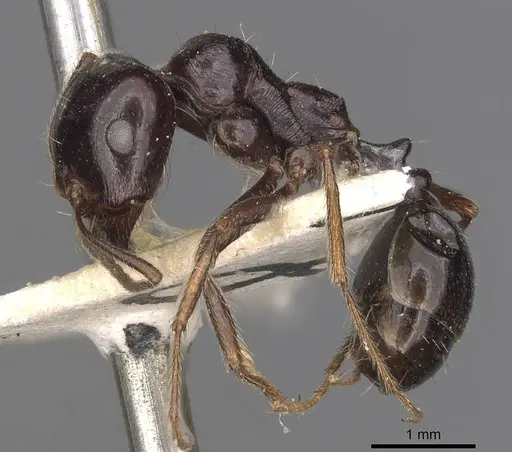
Messor obscurior is a medium-sized harvester ant from the Middle East, recorded in Iran and Iraq . Workers show size variation: majors measure 7.5-8.0 mm and minors around 3.5 mm . The ants are dark brown to almost black, with lighter-colored legs and antennae, and have coarser sculpturing on the head and thorax than related species . They occur in areas with moderate to low rainfall . Like other seed-harvesting ants, they collect and store seeds, but specific dietary habits for this species have not been studied directly.
Quick Summary
- Difficulty: Medium
- Origin & Habitat: Native to Iran and Iraq in the Palaearctic region. Found in moderate rainfall to dry areas [1].
- Colony Type: Single-queen colonies (monogyne) inferred from typical Messor patterns, direct observations are unavailable.
- Size & Growth:
- Queen: Size data unavailable. Based on related Messor species, queens are likely around 9-11 mm.
- Worker: Majors 7.5-8.0 mm, minors 3.5 mm [1]
- Colony: Unknown. Inferred from other Messor species, might reach several thousand workers at maturity.
- Growth: Unknown, no specific data.
- Development: Unknown. Based on related Messor, estimated 8-12 weeks at 24-26 °C. (Direct measurements for Messor obscurior are not available.)
- Antkeeping:
- Temperature: Specific needs unknown. Given its origin [1] and typical Messor habits, keep the nest around 22-26 °C during active growth.
- Humidity: Low to moderate. Provide a dry nest with a small slightly moist area. Avoid waterlogging.
- Diapause: Unknown whether required. The native range experiences cold winters, so a winter rest at 10-15 °C for 2-3 months may be beneficial, experiment cautiously.
- Nesting: Y-tong (AAC) or plaster nests work well. Avoid acrylic or overly humid setups. Ensure good ventilation.
- Behavior: Generally peaceful but may bite if disturbed. Escape risk is high because minors are only 3.5 mm, use fluon or oil barriers. They are not aggressive and rarely sting (if at all), defense relies on biting and possibly formic acid spraying.
- Common Issues: high escape risk, tiny workers can slip through small gaps, use effective barriers., colonies may stagnate if kept too cold, maintain 22-26 °C during active season., overwatering leads to mold, keep nesting area dry with only a small damp zone., seed stores can attract pests, inspect and clean granaries regularly., slow founding phase, new keepers should avoid disturbing the queen., taxonomic uncertainty, this name is considered unavailable by some authorities, so care advice is based on typical Messor patterns.
Nest Preferences
Messor obscurior originates from dry to moderate-rainfall habitats in Iran and Iraq [1]. Following typical Messor needs, provide a dry nest with a small damp area for humidity. Y-tong (AAC) or plaster formicariums with good ventilation work best. Do not use acrylic nests. A test tube setup with a water reservoir is fine for founding, but avoid overfilling the cotton, the nest should remain mostly dry. Once the colony outgrows the test tube, move them to a larger Y-tong or plaster nest with chambers sized for ants of 3-8 mm. Ensure the nest has a tight lid to prevent escape.
Feeding and Diet
Like most Messor, this species is granivorous. Offer a variety of seeds, grass seed, millet, poppy seeds, and crushed sunflower seeds. Major workers can crack larger seeds. Supplement with protein 1-2 times per week: small insects (mealworms, fruit flies, crickets) or a tiny amount of boiled egg. They also accept sugar water or honey in small amounts. Remove moldy seeds immediately. Because no dietary studies exist for this species, offer a varied menu and watch what they take. Always keep a water source available in the outworld.
Temperature and Seasonal Care
Specific temperature requirements are unknown. Given the species’ origin in areas with moderate rainfall and dry seasons [1], keep the nest at 22-26 °C during the active season. A temperature gradient is ideal, heating one side of the nest with a cable (placed on top, not below) lets the ants choose. In winter, they may benefit from a diapause period at 10-15 °C for 2-3 months, but this has not been tested. If you attempt diapause, remove the heat source and keep the nest dry. Provide a small water source throughout. Resume normal temperatures in spring and offer a protein-rich meal when workers become active.
Behavior and Colony Dynamics
Observations of captive Messor obscurior are lacking, so behavior is inferred from related species. Workers are typically non‑aggressive to humans but may bite if the nest is disturbed. Minors forage for seeds and tend the brood, while majors crack seeds and defend the nest. Escape risk is high due to the small size of minors, use fluon or mineral oil barriers on the outworld rim. Colonies are likely monogyne (single queen). The timing of nuptial flights is unknown, alates might appear in spring or early summer based on regional climate. Keep the outworld clean to prevent mites and mold.
Taxonomic Note
The name Messor obscurior has a complicated history. Originally described as Messor barbarus race semirufus var. obscurior by Crawley (1920), it was considered an unavailable infrasubspecific name [1]. Pashaei Rad et al. (2018) proposed it as a new species, but Bolton (2020) does not recognize this status due to nomenclatural errors [2]. Therefore, care recommendations are based on typical Messor biology until the taxonomic status is resolved. Be aware that specimens sold under this name may actually belong to a different species.
Frequently Asked Questions
How long does it take for Messor obscurior to produce first workers?
Unknown. Based on related Messor species, expect first workers in about 8-12 weeks after eggs are laid, assuming 24-26 °C. No specific data exists for this species.
What do Messor obscurior ants eat?
They are primarily seed-harvesters. Offer a variety of seeds: grass seed, millet, poppy seeds, and crushed sunflower seeds. They also accept protein (small insects) and occasional sugar water. Specific dietary preferences are unknown, observe what they take and adjust.
Do Messor obscurior ants need hibernation?
Not confirmed, but likely beneficial. Their native Middle Eastern range has cold winters, so a winter rest at 10-15 °C for 2-3 months may improve colony health. Experiment with caution.
How big do Messor obscurior colonies get?
Exact colony size is unknown. Based on typical Messor patterns, they might reach several thousand workers at maturity. No published data is available.
Can I keep multiple Messor obscurior queens together?
Based on typical Messor biology, this species is likely monogyne (single queen). Combining queens is not recommended, they will fight. Keep one queen per colony.
What temperature is best for Messor obscurior?
Keep the nest at 22-26 °C during the active season. Provide a gradient so ants can regulate. Avoid prolonged temperatures below 18 °C during growth. Specific data is lacking.
Do Messor obscurior ants sting?
They are not known to sting. Their sting is reduced, typical of Messor. They can bite and may spray formic acid, but the bite is usually mild and not dangerous to humans.
Are Messor obscurior good for beginners?
Not recommended for beginners due to limited husbandry data and taxonomic uncertainty. Based on typical Messor, they may suit intermediate keepers who are prepared to experiment with care.
When should I move my Messor obscurior colony to a formicarium?
Move the colony when it outgrows the test tube, when you see many workers crowded near the cotton and the tube is dirty. No specific worker count is reliable. Use a Y-tong or plaster nest with a small entrance.
Why is my Messor obscurior colony not growing?
Possible causes: temperatures too low (below 22 °C), high humidity, insufficient protein, or disturbance. Check that the nest is dry, warm (22-26 °C), and that the queen is not stressed by light or vibrations. Foundation can be slow, be patient.
Report an Issue
The current care sheet is based fully on literature. See inconsistencies, or something that's incorrect? Please , it will be resolved after review from an admin. Contributing to the blogs tab also helps providing information, to make us be able to further improve the caresheets. Thank you for your support!
References

Este guia de cuidados está sob a licença CC BY-SA 4.0 .
Posts da comunidade
CASENT0907731
Ver no AntWeb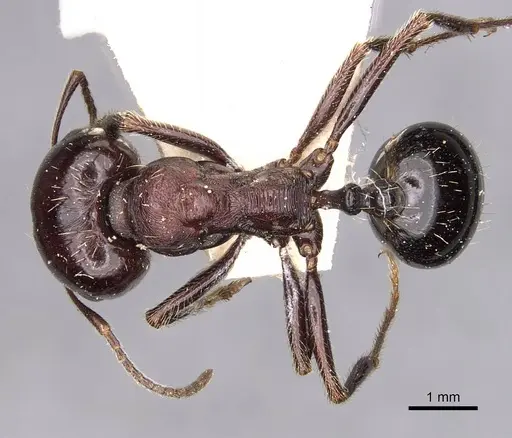
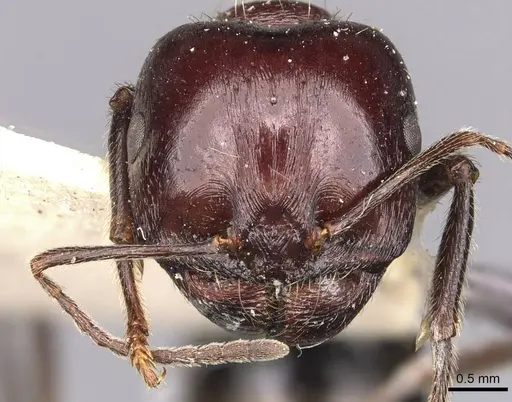
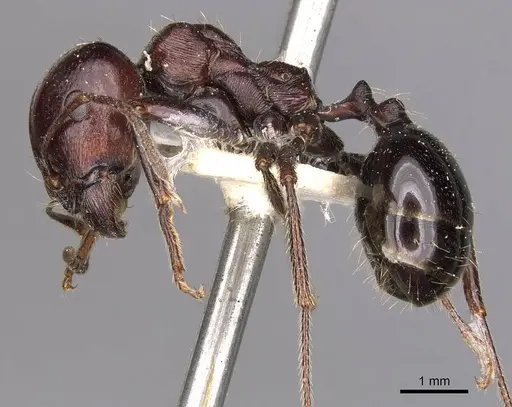
CASENT0907732
Ver no AntWeb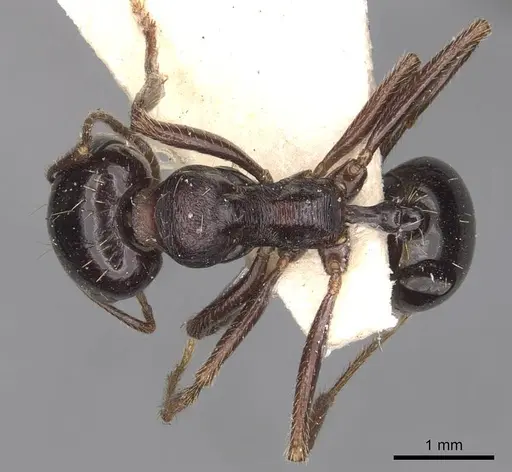
Literatura
Carregando mapa de distribuição...Carregando produtos...