
Messor isekram
- Nome científico
- Messor isekram
- Tribo
- Stenammini
- Subfamília
- Myrmicinae
- Autor
- Bernard, 1977
- Distribuição
- Encontrada em 0 países
Introdução
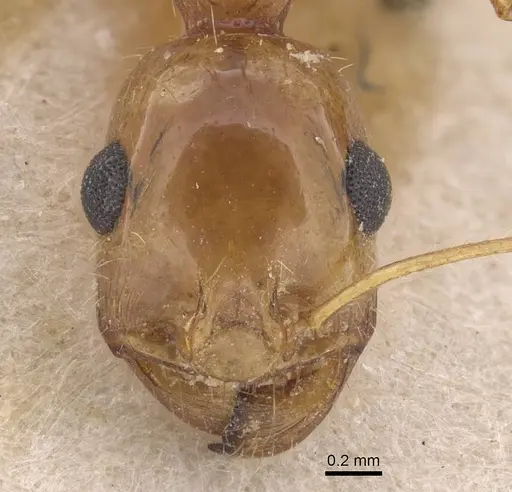
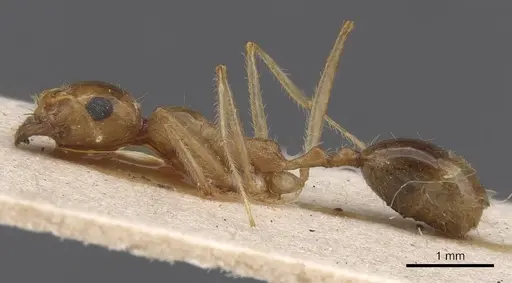
Messor isekram is a small harvester ant native to the Sahara Desert region of Algeria in North Africa. Workers have the characteristic Messor body shape with strongly curved mandibles towards the midline, a relatively rectangular head, and notably lack propodeal spines - a trait very rare in the former genus Aphaenogaster but common in Messor . The species was originally described as Aphaenogaster isekram in 1977 but was reassigned to Messor in 2022 based on morphological analysis . This species inhabits one of the most extreme environments in the ant world - the Sahara Desert - which means they are adapted to high temperatures and very dry conditions.
Quick Summary
- Difficulty: Medium
- Origin & Habitat: Algeria in the Sahara Desert region, Palearctic biogeographic zone [2][3]. This is an extremophile species adapted to arid desert conditions.
- Colony Type: Colony structure is unconfirmed. Based on typical Messor genus patterns, likely single-queen (monogyne) colonies.
- Size & Growth:
- Queen: Size data unavailable, inferred from related Messor species (~7-9mm)
- Worker: Size data unavailable, inferred from Messor genus (~4-6mm)
- Colony: Up to several hundred workers (estimated based on genus patterns)
- Growth: Moderate
- Development: 8-12 weeks at optimal temperature (estimated based on related Messor species) (Development time is typical for desert-dwelling Messor species)
- Antkeeping:
- Temperature: Keep at 24-30°C, with a warm zone around 28°C. These desert ants thrive in warm conditions but avoid temperatures above 35°C. A heating cable on one side of the nest creates a suitable gradient.
- Humidity: Low. Keep the nest relatively dry. The Sahara environment is extremely arid, so these ants prefer dry conditions. Provide a small water tube but avoid constant high humidity.
- Diapause: Yes, provide a winter rest period of 8-12 weeks at 10-15°C. This mimics the natural seasonal cycle in their Algerian habitat.
- Nesting: Use dry nest materials like Y-tong (AAC), plaster, or 3D-printed nests. They prefer compact chambers over spacious ones. Avoid overly humid setups, these are desert ants.
- Behavior: Workers are active foragers that collect seeds and small insects. As seed-harvesting ants, they store seeds in granaries within the nest. Escape risk is moderate, use standard barrier methods.
- Common Issues: overheating is a serious risk, temperatures above 35°C can kill colonies, too much humidity causes fungal problems, keep the nest dry, slow growth can frustrate beginners, be patient with colony development, wild-caught colonies may be stressed from collection and transport, seed storage requires adequate space in the nest for granaries
Nest Preferences and Setup
Messor isekram is a desert species that prefers dry, warm nest conditions. In captivity, they do well in Y-tong (AAC) nests, plaster nests, or 3D-printed formicariums. The key is providing a warm, relatively dry environment with a temperature gradient so the ants can regulate their own temperature. Avoid setups that retain too much moisture, these ants come from the Sahara where conditions are extremely dry. Provide a small water tube for drinking access, but do not create a humid environment. [1]
Feeding and Diet
As a Messor species, these are seed-harvesting ants that collect and process seeds as their primary food source. In captivity, offer a variety of seeds, grass seeds, millet, and commercial ant seed mixes work well. They will also accept small insects like fruit flies, pinhead crickets, and mealworms for protein. Sugar water or honey can be offered occasionally but is not required, these are primarily seed-eaters. Provide a shallow feeding dish and remove uneaten seeds to prevent mold. The ants will store excess seeds in granaries within the nest, which is natural behavior.
Temperature and Seasonal Care
These desert ants require warm conditions to thrive. Maintain nest temperatures between 24-30°C, with an ideal warm zone around 28°C. A heating cable placed on one side of the nest creates a temperature gradient allowing the ants to move between warmer and cooler areas. During winter, provide an 8-12 week diapause (hibernation) period at 10-15°C to mimic their natural seasonal cycle in Algeria. This rest period is important for colony health and queen reproduction. Never allow temperatures to exceed 35°C as this can be fatal. Room temperature within the acceptable range is fine without additional heating. [2]
Behavior and Colony Dynamics
Messor isekram workers are active foragers that search for seeds and small prey. They are not particularly aggressive but will defend the nest if threatened. Colonies grow moderately, expect several months before the first major worker batches emerge. The colony will establish seed storage chambers as it grows, which is a key behavioral trait of harvester ants. The queen founding behavior is unconfirmed but is likely claustral based on genus patterns.
Frequently Asked Questions
How long does it take for Messor isekram to raise their first workers?
Expect 8-12 weeks from egg to first worker at optimal temperature (around 28°C). This is typical for Messor species, though exact timing depends on temperature and feeding.
Can I keep multiple Messor isekram queens together?
Colony structure is unconfirmed for this species. Based on typical Messor patterns, they are likely monogyne (single-queen). Combining unrelated queens will likely result in fighting.
Do Messor isekram ants sting?
Stinging behavior is unconfirmed for this specific species. Most Messor species can sting but are not particularly aggressive.
What do Messor isekram eat?
They are seed-harvesting ants. Offer various seeds (grass, millet, commercial seed mixes) as their primary food, plus occasional small insects for protein. They may occasionally accept sugar water or honey.
Do Messor isekram need hibernation?
Yes. Provide an 8-12 week winter rest period at 10-15°C during winter months. This diapause is important for the colony's natural cycle and reproductive health.
Are Messor isekram good for beginners?
They are rated as medium difficulty. You need to understand temperature management and provide appropriate dry nest conditions. They are not as forgiving as some beginner species but are manageable for those with some antkeeping experience.
When should I move Messor isekram to a formicarium?
Wait until the colony reaches at least 20-30 workers and has established a stable population. Foraging activity increasing and the test tube becoming cramped are signs it's time to move. Ensure the formicarium provides appropriate dry, warm conditions.
How big do Messor isekram colonies get?
Mature colonies typically reach several hundred workers. Growth is moderate, expect 1-2 years to reach significant colony size.
What humidity level do Messor isekram need?
Low. These are desert ants adapted to arid conditions. Keep the nest relatively dry with a small water tube for drinking. Avoid high humidity setups.
Report an Issue
The current care sheet is based fully on literature. See inconsistencies, or something that's incorrect? Please , it will be resolved after review from an admin. Contributing to the blogs tab also helps providing information, to make us be able to further improve the caresheets. Thank you for your support!
References

Este guia de cuidados está sob a licença CC BY-SA 4.0 .
Posts da comunidade
CASENT0913609
Ver no AntWeb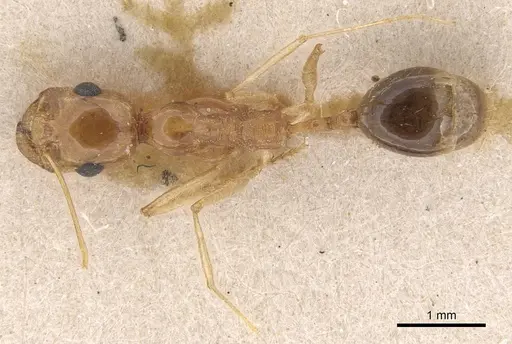
Literatura
Carregando mapa de distribuição...Carregando produtos...