
Messor hoggarensis
- Nome científico
- Messor hoggarensis
- Tribo
- Stenammini
- Subfamília
- Myrmicinae
- Autor
- Santschi, 1929
- Distribuição
- Encontrada em 1 países
Introdução
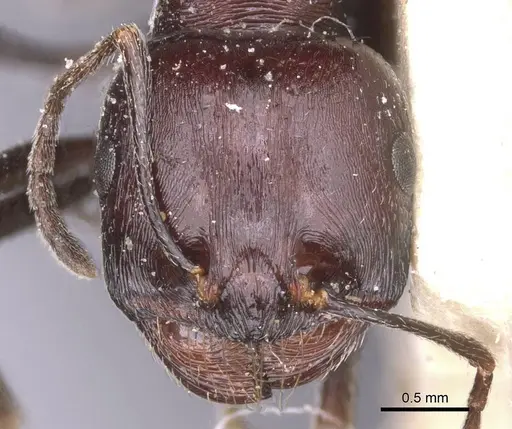
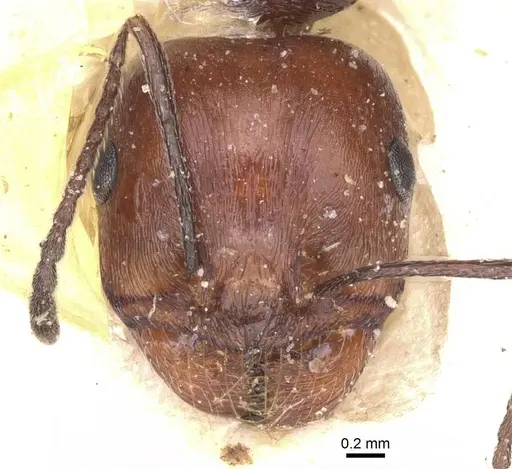
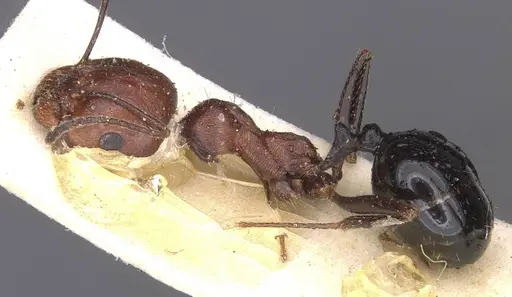
Messor hoggarensis is a medium-sized harvester ant native to the mountains of the central Sahara and southern Morocco. Workers have a distinctive appearance: a dark reddish-brown head with fine wrinkles on the forehead and cheeks, a slightly lighter thorax, and a nearly black abdomen (gaster). The petiole is truncated obliquely, giving them a unique profile among harvesters . This species was originally described as a subspecies in 1929 but was raised to full species status in 1998 when more detailed taxonomic work was completed . They are found at high elevations in the Hoggar mountains of Algeria (2000-2070m) as well as coastal areas near Agadir in southern Morocco . As a Messor species, these ants are seed harvesters - they collect and store seeds as their primary food source, making them important for their ecosystem as both seed dispersers and predators of seed-eating insects. Their adaptation to high-elevation Saharan habitats means they can tolerate cooler conditions than many desert-dwelling ants.
Quick Summary
- Difficulty: Medium
- Origin & Habitat: Native to the Palaearctic region, specifically the Hoggar mountains in southern Algeria and southern Morocco. They nest at high elevations (2000-2070m) in the Sahara and also inhabit coastal areas near Agadir [1][3][4].
- Colony Type: Colony structure is unconfirmed for this specific species. Based on typical Messor genus patterns, they likely form single-queen colonies.
- Size & Growth:
- Queen: Size data unavailable, inferred from Messor genus (~8-10mm)
- Worker: ~4-7mm, inferred from Messor genus range
- Colony: Unknown for this species, related Messor species typically reach several thousand workers
- Growth: Moderate
- Development: 6-10 weeks (estimated from typical Messor development patterns) (Development time is estimated from genus-level data since specific development studies are lacking for this species)
- Antkeeping:
- Temperature: Keep at 22-26°C. The high-elevation Hoggar habitat suggests they can tolerate cooler conditions than typical desert ants, aim for around 24°C with a slight gradient. Avoid overheating.
- Humidity: Low to moderate. These are desert/highland ants that prefer dry conditions. Keep nest substrate relatively dry with occasional moisture zones.
- Diapause: Yes, a winter rest period is recommended. Reduce temperature to 15-18°C for 2-3 months during winter, mimicking their natural seasonal cycle in the high-altitude Sahara.
- Nesting: Messor hoggarensis prefers dry, well-drained nesting conditions. A Y-tong (AAC) nest or plaster nest works well. They are seed harvesters so include a dedicated seed storage area in the outworld. Avoid overly moist substrates.
- Behavior: These are relatively calm, non-aggressive ants for a Messor species. Workers are active foragers that search for seeds and small insects. They have a moderate escape risk, use standard barrier methods. They may bite if threatened but are not dangerous to humans. As harvesters, they spend significant time collecting and processing seeds.
- Common Issues: seed storage contamination, check and remove moldy seeds regularly to prevent colony health issues, overheating risk, being from high elevations, they do not tolerate heat as well as typical desert ants, overfeeding, seed-harvesting ants can become overwhelmed with excess food, offer modest amounts, colonies may grow slowly initially, seed-harvester colonies often take time to establish, patience is key, dry conditions are essential, too much humidity can cause fungal problems and kill the colony
Housing and Nest Setup
Messor hoggarensis does well in standard ant keeping setups. A Y-tong (AAC) nest or plaster nest works best since these provide the dry conditions they prefer. The nest should have chambers sized appropriately for their worker size. Include a well-defined seed storage area in the outworld since these ants collect and process seeds. The outworld should be spacious enough for foraging and seed-processing activities. Use a test tube setup for the founding colony, transitioning to a formicarium once the colony reaches 20-30 workers. Escape prevention is straightforward, they are moderate-sized ants that cannot squeeze through typical barrier methods like fluon or baby powder barriers.
Feeding and Diet
As true harvester ants, Messor hoggarensis primarily eats seeds. Offer a variety of small seeds, millet, grass seeds, and commercial ant seed mixes work well. They will also accept small insects like fruit flies, small crickets, and mealworms for protein. Sugar water or honey can be offered occasionally but is not required since they get carbohydrates from seeds. The key is to provide a consistent seed supply and supplement with protein a few times per week. Remove any moldy seeds promptly to prevent health issues. Unlike some ants, they do not need constant sugar water access.
Temperature and Seasonal Care
Keep your colony at 22-26°C, with 24°C being an ideal target. The high-elevation origin of this species (2000-2070m in the Hoggar mountains) means they prefer cooler conditions than typical desert ants, avoid temperatures above 30°C. A small heating cable on one side of the nest can create a gentle gradient if your room temperature runs cool. During winter, provide a diapause period: reduce temperature to 15-18°C for 2-3 months. This mimics their natural seasonal cycle in the Saharan highlands. Do not feed during deep hibernation but a small water source should remain available.
Colony Development and Growth
A claustral founding queen will seal herself in a chamber and raise her first workers (nanitics) entirely on her stored body reserves. This process typically takes 6-10 weeks based on typical Messor development patterns. The first workers will be smaller than normal workers but will quickly be replaced by normally-sized workers as the colony grows. Growth is moderate, seed-harvester colonies tend to grow more steadily than rapidly like some predatory species. Expect the colony to reach 50-100 workers within the first year under good conditions. Maximum colony size for this species is not documented but related Messor species commonly reach several thousand workers.
Behavior and Temperament
Messor hoggarensis is a relatively calm species. Workers are active foragers that spend considerable time searching for seeds and small prey. They are not particularly aggressive and will typically retreat rather than attack when threatened. However, they have functional stingers and may use them if directly provoked. They are not known for painful stings to humans. The colony will establish clear foraging routes and may create seed caches in the nest. Workers may be polymorphic in some Messor species, with larger major workers specialized for seed processing, this may occur in M. hoggarensis as the colony matures.
Frequently Asked Questions
How long does it take for Messor hoggarensis to get first workers?
Expect first workers (nanitics) to emerge in 6-10 weeks after the queen lays her first eggs. This is typical for claustral Messor species. The exact timing depends on temperature, warmer conditions within the acceptable range speed development slightly.
What do Messor hoggarensis ants eat?
They are seed harvesters, their primary food is small seeds like millet, grass seeds, and commercial ant seed mixes. They also accept small insects like fruit flies, small crickets, and mealworms for protein. Occasional honey or sugar water is accepted but not required.
Do Messor hoggarensis ants sting?
Yes, they have stingers but they are not aggressive and rarely sting. If provoked, they may deliver a mild sting, but it is not considered painful or dangerous to humans.
Can I keep Messor hoggarensis in a test tube setup?
Yes, test tubes work well for founding colonies. Use a standard test tube with a water reservoir and cotton plug. Once the colony reaches 20-30 workers, you can transition to a formicarium or Y-tong nest.
Do Messor hoggarensis need hibernation?
Yes, a winter diapause is recommended. Reduce temperatures to 15-18°C for 2-3 months during winter. This mimics their natural seasonal cycle in the high-altitude Sahara. Do not feed heavily during this period but provide a small water source.
Are Messor hoggarensis good for beginners?
They are a medium-difficulty species. They are more forgiving of temperature mistakes than tropical ants but require proper dry conditions and a seed-based diet. They are not as colorful or exciting as some species but are rewarding to watch as they harvest and process seeds.
How big do Messor hoggarensis colonies get?
The maximum size is not documented for this specific species, but related Messor species typically reach several thousand workers. With good care, expect your colony to grow to several hundred workers within 1-2 years.
What temperature is ideal for Messor hoggarensis?
Keep them at 22-26°C, with 24°C being ideal. Unlike typical desert ants, they come from high elevations in the Hoggar mountains and prefer cooler conditions. Avoid temperatures above 30°C.
When should I move my Messor hoggarensis to a formicarium?
Transition from a test tube to a formicarium when the colony reaches 20-30 workers. Make sure the new nest provides appropriate dry conditions and includes space for seed storage in the outworld.
Why are my Messor hoggarensis dying?
Common causes include: too much humidity (keep them dry), temperatures above 30°C (they prefer cooler conditions), mold from decaying food (remove uneaten seeds promptly), or overfeeding leading to pest infestations. Check that your setup matches their dry, moderate-temperature preferences.
Report an Issue
The current care sheet is based fully on literature. See inconsistencies, or something that's incorrect? Please , it will be resolved after review from an admin. Contributing to the blogs tab also helps providing information, to make us be able to further improve the caresheets. Thank you for your support!
References

Este guia de cuidados está sob a licença CC BY-SA 4.0 .
Posts da comunidade
CASENT0913147
Ver no AntWeb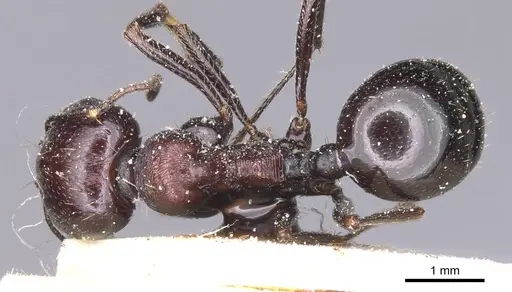
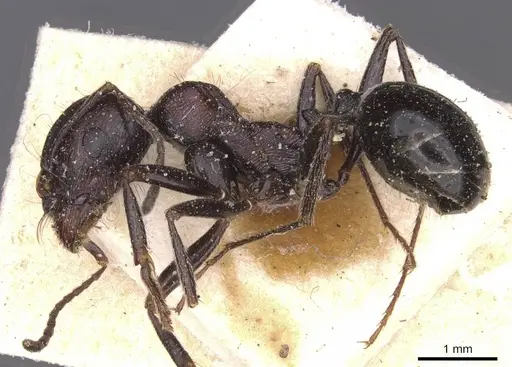
CASENT0913148
Ver no AntWeb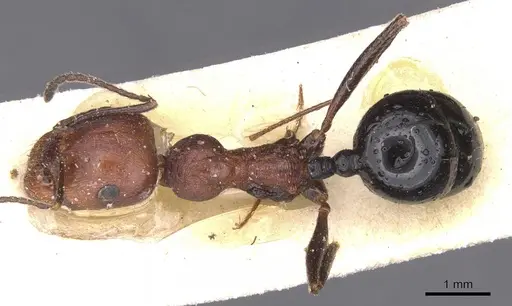
Literatura
Carregando mapa de distribuição...Carregando produtos...