
Messor himalayanus
- Nome científico
- Messor himalayanus
- Tribo
- Stenammini
- Subfamília
- Myrmicinae
- Autor
- Forel, 1902
- Distribuição
- Encontrada em 3 países
Introdução
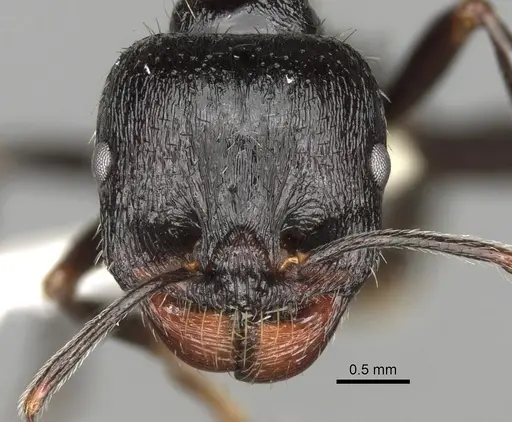
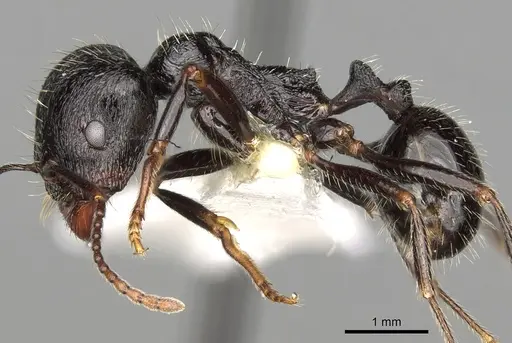
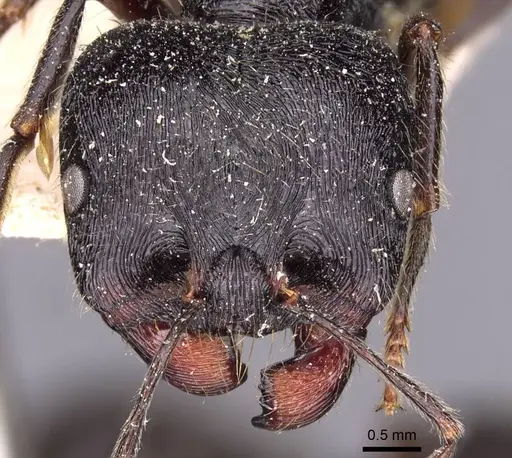
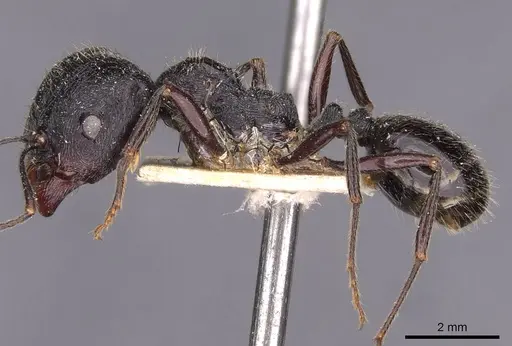
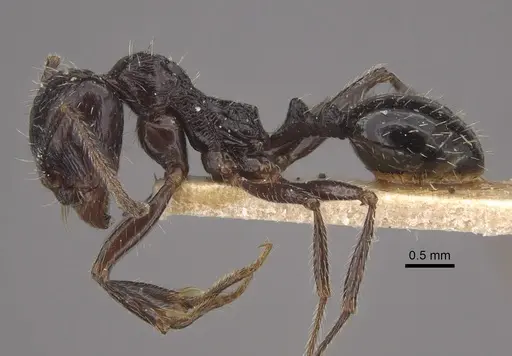
Messor himalayanus is a medium-sized harvester ant found across the Himalayan region of India, Pakistan, and Afghanistan. Workers measure 4.5-8.5mm in total length, with major workers being larger than minors. They have a distinctive black, shiny body with reddish-brown mandibles and abundant yellowish-white hairs. The metanotum has two small teeth or spines, which helps distinguish them from similar species like Messor instabilis. Queens are notably large at 14mm total length, while males reach about 10mm. These ants are granivorous, primarily collecting and storing seeds, but they also tend aphids for honeydew - they were observed tending Aphis gossypii on Parthenium weed in Pakistan . In the wild, they nest under stones in forest areas, forming interconnected gallery systems at elevations between 1200-3400 meters .
Quick Summary
- Difficulty: Medium
- Origin & Habitat: Himalayan region of India, Pakistan, and Afghanistan. Found at elevations from 1200-3400 meters in mountainous forest areas, typically under stones or in soil nests [2][1].
- Colony Type: Colony structure is unconfirmed for this species. Most Messor species are monogyne, but specific documentation for M. himalayanus is lacking.
- Size & Growth:
- Queen: 14mm total length [3]
- Worker: 4.5-8.5mm total length (majors up to 10mm) [1][3]
- Colony: Maximum colony size is unconfirmed for this species
- Growth: Growth rate is unconfirmed, likely moderate based on typical Messor patterns
- Development: Development timeline is unconfirmed for this species (Specific development data for M. himalayanus has not been documented. Estimates based on related species may not be accurate.)
- Antkeeping:
- Temperature: Keep around 20-24°C. As a Himalayan species from high elevations, they prefer cooler conditions than many tropical ants. Avoid overheating above 28°C. Room temperature is often suitable.
- Humidity: Moderate humidity around 50-60%. These ants come from relatively dry mountainous regions. Keep the nest substrate slightly moist but allow it to dry partially between water additions. Good ventilation helps prevent mold.
- Diapause: Yes, Himalayan origin at high elevations means they require a winter rest period. Reduce temperature to 10-15°C for 3-4 months during winter, mimicking natural seasonal cycles [2].
- Nesting: They naturally nest under stones and in soil, forming interconnected galleries. In captivity, a naturalistic setup with a dirt chamber or a Y-tong/plaster nest works well. Provide some compact soil area for them to dig galleries, plus a foraging area. They do well with a test tube setup for founding colonies.
- Behavior: These are relatively calm harvester ants. They collect seeds and store them in the nest as food reserves, similar to their famous relative Messor barbarus. Workers are not aggressive but will defend the nest if threatened. They are medium-sized ants, so escape prevention is important but not as critical as for tiny ants. They are active foragers that will venture out to collect seeds and tend aphids for honeydew. Major workers have large mandibles for seed processing.
- Common Issues: hibernation failure, not providing proper winter rest can weaken or kill colonies over time, overheating, being from cool Himalayan altitudes, they do poorly in hot conditions above 28°C, seed storage mold, stored seeds can develop mold if humidity is too high, check and remove affected seeds, slow growth, seed-harvesting ants typically grow more slowly than predatory species, don't overfeed trying to speed up development, colony size unconfirmed, maximum colony size for this species has not been documented in research
Nest Preferences and Setup
Messor himalayanus naturally nests under stones and in soil, creating interconnected gallery systems. In captivity, they do well in naturalistic setups with a compact soil chamber where they can dig their own tunnels, or in a Y-tong/plaster nest that provides chambers scaled to their size. For founding colonies, a standard test tube setup works well, place the queen in a test tube with a water reservoir (cotton ball) and let her seal herself in. Once the colony reaches 20-30 workers, you can move them to a larger formicarium with a foraging area. These ants don't need elaborate humidity systems, a simple water tube for the nest and occasional misting of the foraging area is sufficient. Provide a sand-soil mix in the nesting chamber if using a naturalistic setup. [1]
Feeding and Diet
As granivorous ants, Messor himalayanus primarily eats seeds. Offer a variety of seeds, grass seeds, millet, sunflower seeds (cracked or small), and commercial ant seed mixes work well. They use their large mandibles to crack seeds open and feed on the nutritious insides. Major workers specialize in seed processing. They also need protein, offer small insects like fruit flies, small crickets, or mealworms twice weekly. Like many ants, they will also accept sugar water or honey as an energy source. In the wild, they were observed tending aphids (Aphis gossypii) and collecting honeydew [1], so you might occasionally offer a drop of diluted honey or sugar water. Remove uneaten seeds periodically to prevent mold, but don't be alarmed if they store many seeds, this is natural harvester behavior.
Temperature and Seasonal Care
Being from the Himalayan region at elevations of 1200-3400 meters, these ants prefer cooler conditions than many common ant pets. Keep them at 20-24°C, this is comfortably room temperature for most homes. Avoid temperatures above 28°C as they can overheat and become stressed. A temperature gradient is ideal, allowing workers to move between warmer and cooler areas of the nest. During winter, they require a diapause (hibernation) period of 3-4 months. Reduce temperatures to 10-15°C in late autumn and maintain this through winter. You can use a refrigerator or a cool basement/garage for this. Do not feed during hibernation, the colony will be mostly dormant. Resume normal temperatures and feeding in spring. This seasonal cycle is essential for the long-term health of the colony and mimics their natural high-altitude environment. [2]
Behavior and Colony Life
Messor himalayanus is a relatively calm species that focuses on seed collection and storage. Workers are polymorphic, majors have large, powerful mandibles for cracking seeds, while minors handle foraging and brood care. The colony will establish granaries where they store seeds for lean times. They are not aggressive toward keepers but will defend the nest if disturbed. Workers forage individually for seeds and will also tend aphid colonies for honeydew, this was directly observed in the wild where they attended Aphis gossypii on Parthenium weed [1]. The colony grows at an unconfirmed rate, don't expect rapid growth. Major workers appear once the colony reaches a moderate size. These ants are fascinating to watch as they process seeds and organize their storage chambers.
Growth and Development
The development timeline for Messor himalayanus specifically has not been documented in research. The queen is claustral, she seals herself in a chamber and does not leave to forage during founding. She lives entirely on her stored fat reserves while raising the first brood. First workers (nanitics) are typically smaller than normal workers. Growth rate is unconfirmed for this species, seed-harvesting ants generally develop more slowly than predatory species. The colony will remain small for the first few months but accelerates once workers can forage for seeds and contribute to brood care. Major workers appear as the colony grows larger.
Overwintering and Hibernation
Proper hibernation is crucial for this Himalayan species. In their native habitat at 1200-3400m elevation, they experience cold winters with snow. Reduce temperatures to 10-15°C from late autumn through winter, roughly 3-4 months of dormancy. You can move the colony to a refrigerator (not freezer) or a cool basement/garage that stays consistently cold. During hibernation, the colony will be mostly inactive, do not feed them. Ensure the nest substrate remains slightly moist (not wet or dry) throughout winter. In spring, gradually warm the colony back to room temperature over a week or two, then resume feeding. Skipping hibernation will weaken the colony over time and can cause developmental issues. This is one of the most important aspects of caring for this species. [2]
Frequently Asked Questions
How long does it take for Messor himalayanus to get first workers?
The specific development timeline for this species has not been documented in research. Based on typical Messor genus patterns, expect several months from egg to first worker at optimal temperature. The queen is claustral and seals herself in, raising the first brood alone.
What do Messor himalayanus ants eat?
They are primarily seed-eaters (granivorous). Offer various seeds like grass seeds, millet, cracked sunflower seeds, and commercial ant seed mixes. They also need protein, small insects like fruit flies or small mealworms twice weekly. They will also accept sugar water or honey as an energy source.
Do Messor himalayanus ants need hibernation?
Yes, being from Himalayan elevations of 1200-3400 meters, they require a winter rest period. Reduce temperature to 10-15°C for 3-4 months during winter. This is essential for colony health and mimics their natural seasonal cycle.
What temperature is best for Messor himalayanus?
Keep them at 20-24°C. As a Himalayan species, they prefer cooler conditions than tropical ants. Room temperature is often suitable. Avoid temperatures above 28°C, they can overheat. A slight temperature gradient allows workers to regulate their own temperature.
Are Messor himalayanus good for beginners?
They are rated as medium difficulty. They are harder than simple species like Lasius but more forgiving than tropical ants. The key challenges are providing proper hibernation and being patient with their growth rate. If you're willing to manage winter dormancy, they make interesting pets.
How big do Messor himalayanus colonies get?
Maximum colony size is unconfirmed for this species. Based on typical Messor patterns, colonies likely reach several hundred workers, but specific documentation is lacking.
Can I keep multiple Messor himalayanus queens together?
Colony type is unconfirmed for this species. Most Messor species are single-queen (monogyne), but this has not been documented for M. himalayanus specifically. Combining unrelated queens is not recommended, they would likely fight. If you have multiple foundresses, keep them in separate setups until one establishes a colony.
What type of nest is best for Messor himalayanus?
They naturally nest under stones and in soil. In captivity, a naturalistic setup with a dirt chamber works well, or a Y-tong/plaster nest with appropriately sized chambers. For founding, a simple test tube with water reservoir is sufficient. They don't need high humidity systems.
Do Messor himalayanus ants sting?
They have a stinger but are not aggressive toward keepers. They will defend the nest if threatened but typically prefer to flee or hide. Given their medium size, any sting would be mild, most keepers never get stung.
Why are my Messor himalayanus dying?
Common causes include: lack of proper hibernation (they need winter rest), overheating (keep below 28°C), too much humidity causing mold on stored seeds, or feeding inappropriate foods. Check that temperatures are correct, provide hibernation in winter, and ensure seed storage areas stay dry enough to prevent mold.
Report an Issue
The current care sheet is based fully on literature. See inconsistencies, or something that's incorrect? Please , it will be resolved after review from an admin. Contributing to the blogs tab also helps providing information, to make us be able to further improve the caresheets. Thank you for your support!
References

Este guia de cuidados está sob a licença CC BY-SA 4.0 .
Posts da comunidade
CASENT0281596
Ver no AntWeb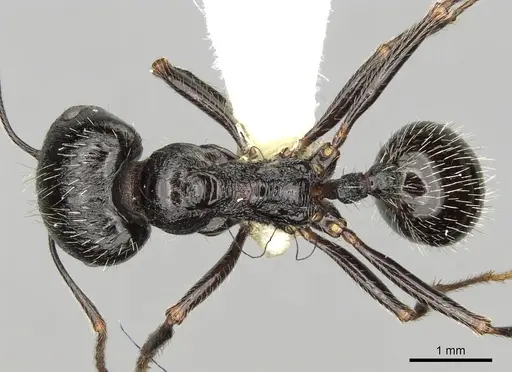
CASENT0907719
Ver no AntWeb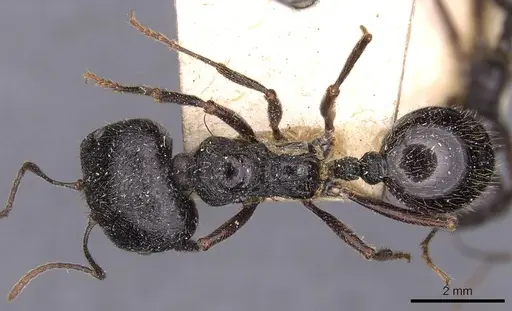
CASENT0907720
Ver no AntWeb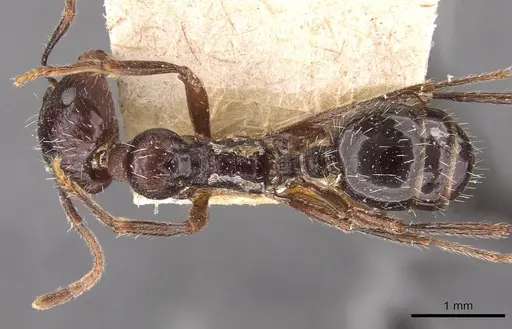
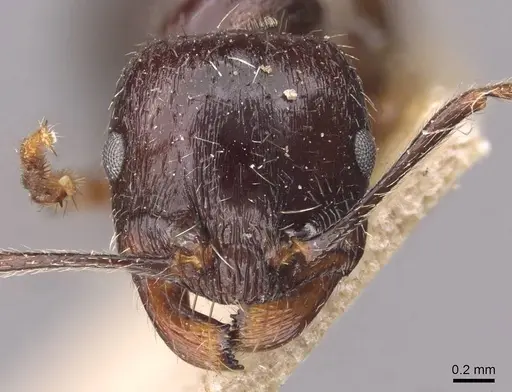
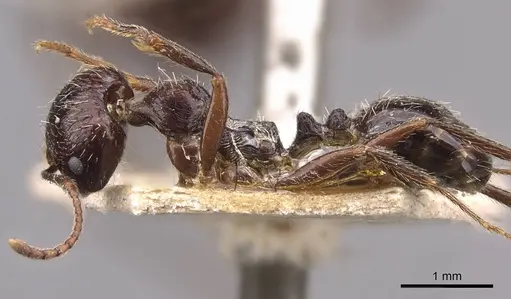
CASENT0917753
Ver no AntWeb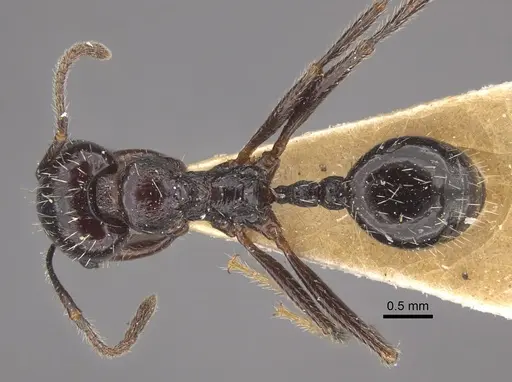
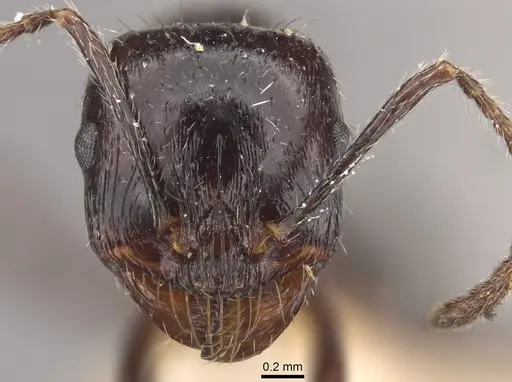
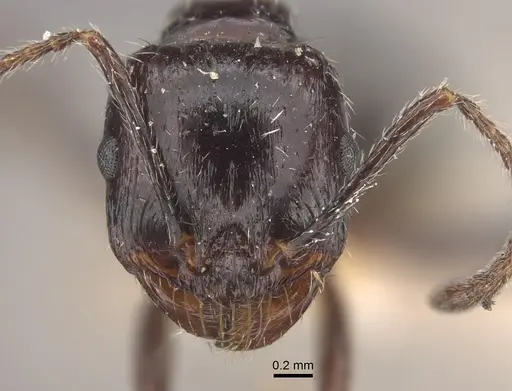
Literatura
Carregando mapa de distribuição...Carregando produtos...