
Messor denticornis
- Nome científico
- Messor denticornis
- Tribo
- Stenammini
- Subfamília
- Myrmicinae
- Autor
- Forel, 1910
- Distribuição
- Encontrada em 2 países
Introdução
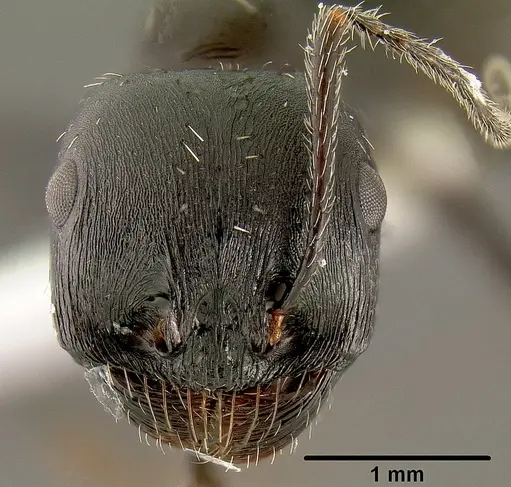
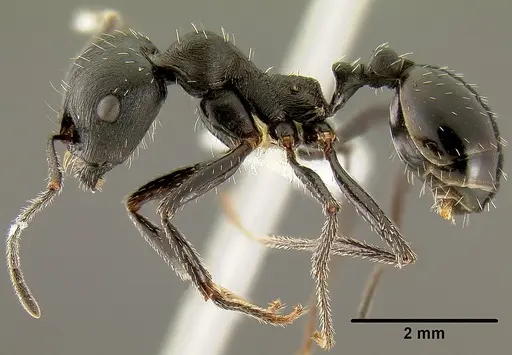
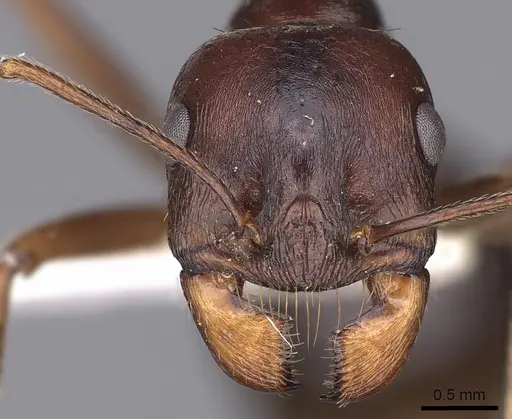
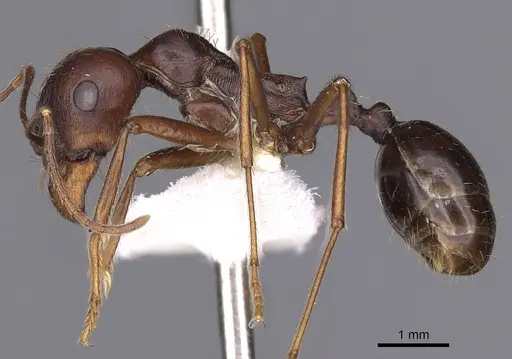
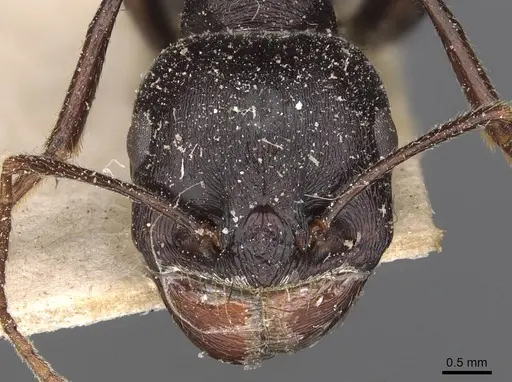
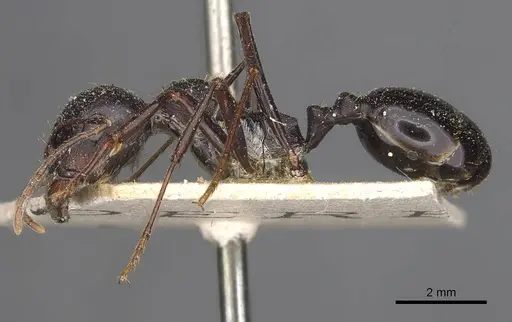
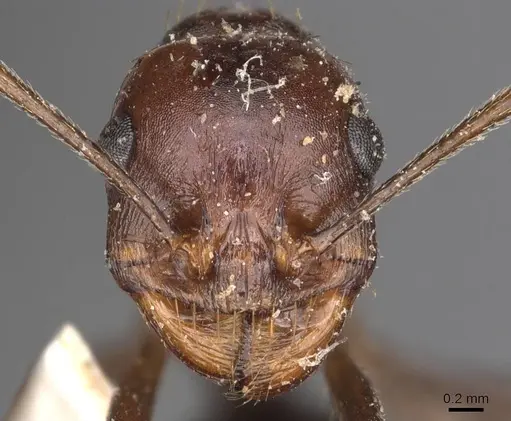
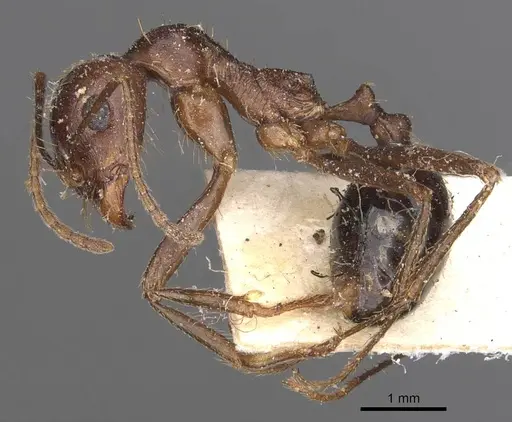
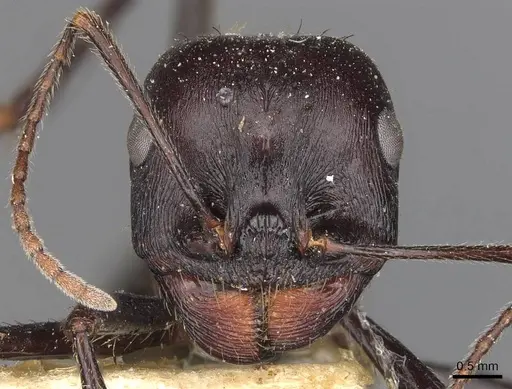
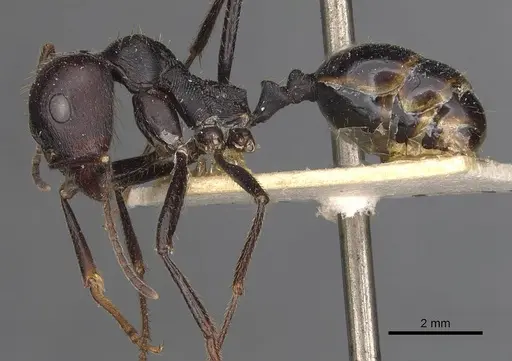
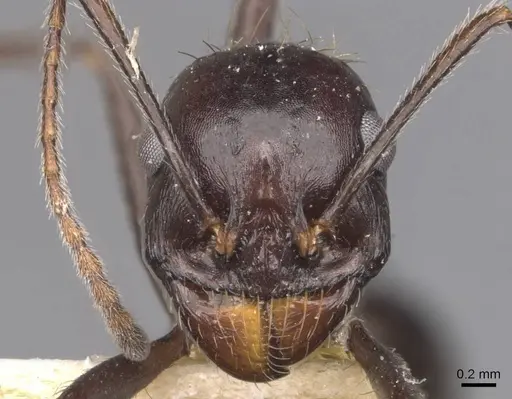
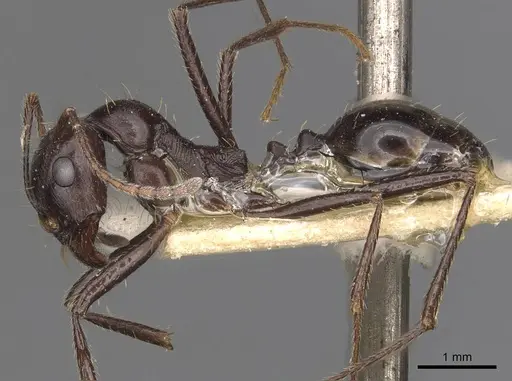
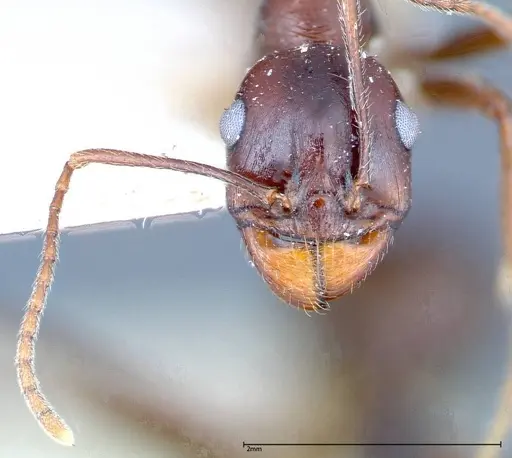
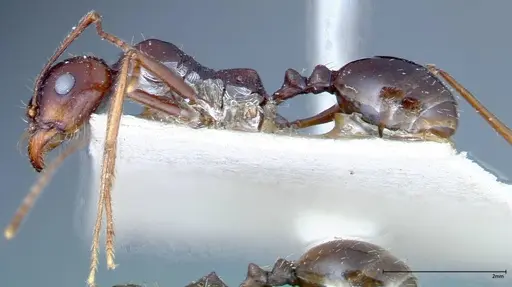
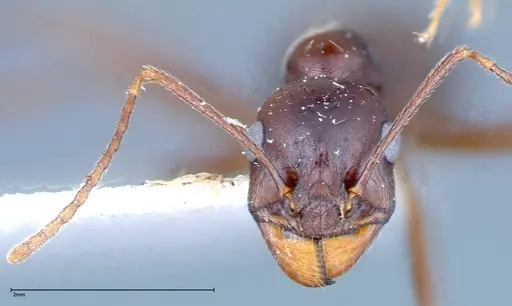
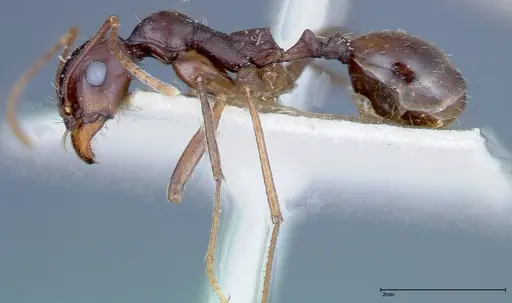
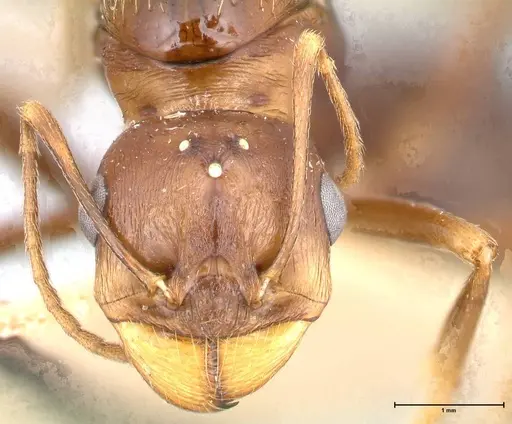
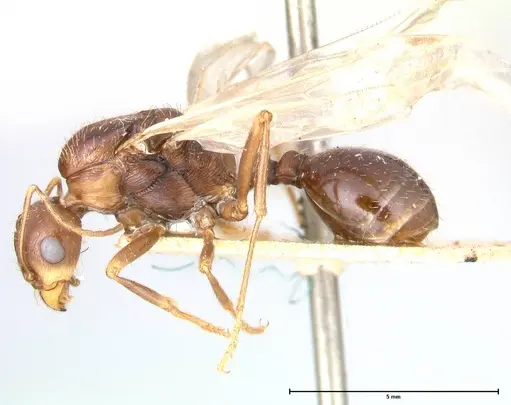
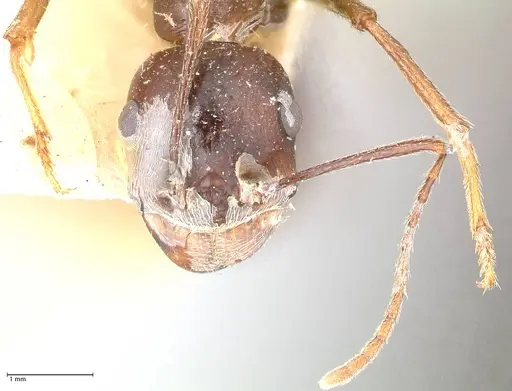
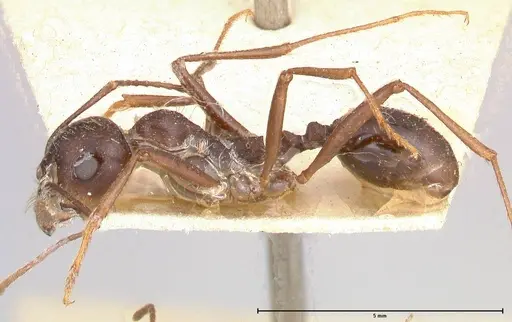
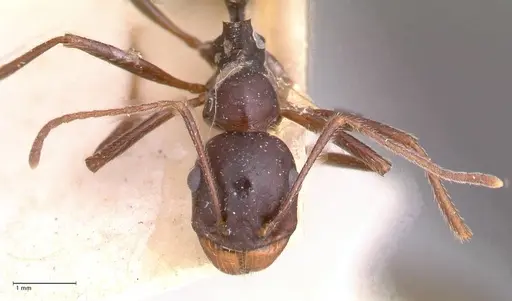
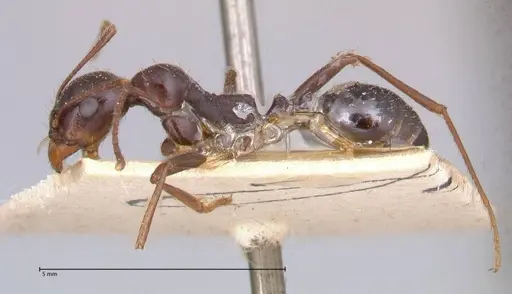
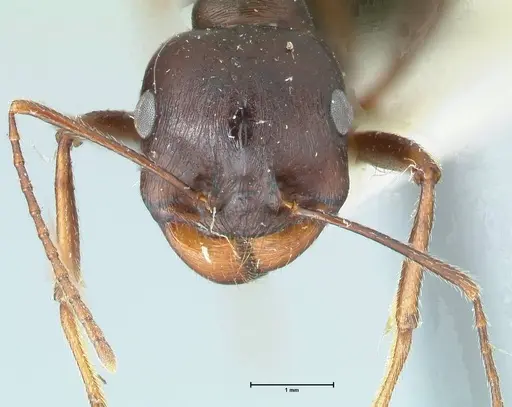
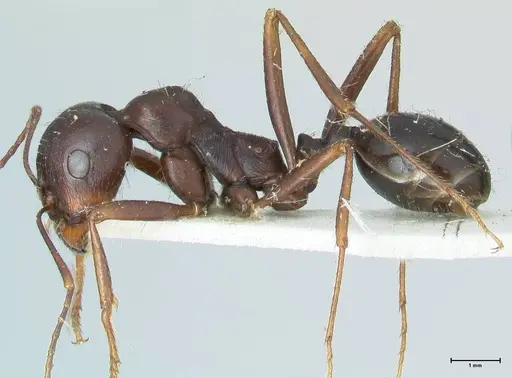
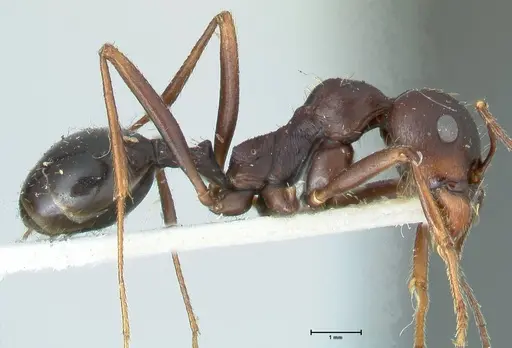
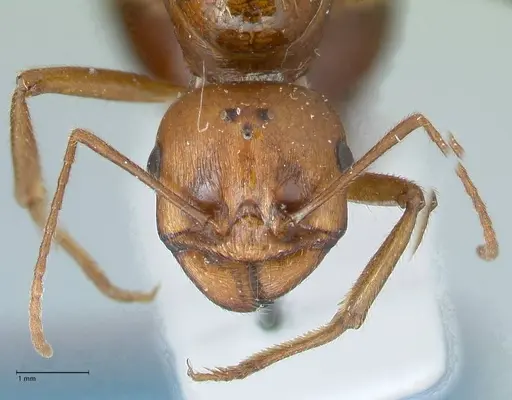
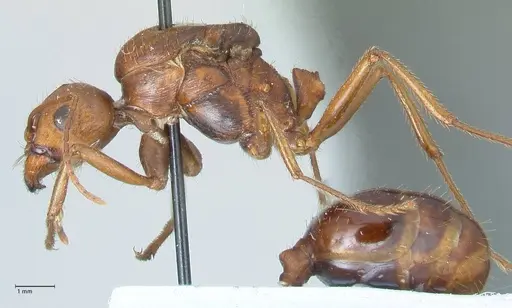
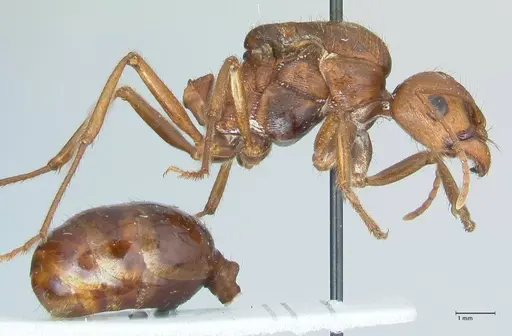
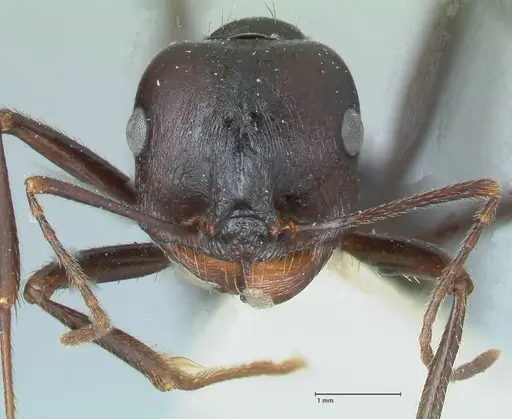
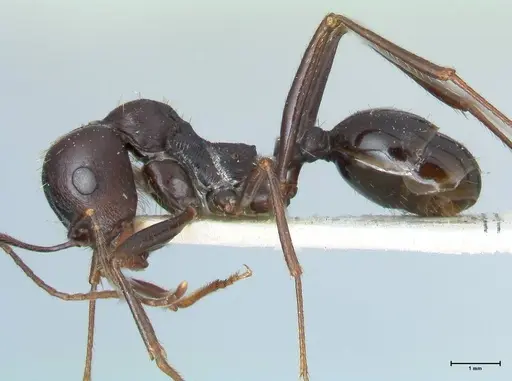
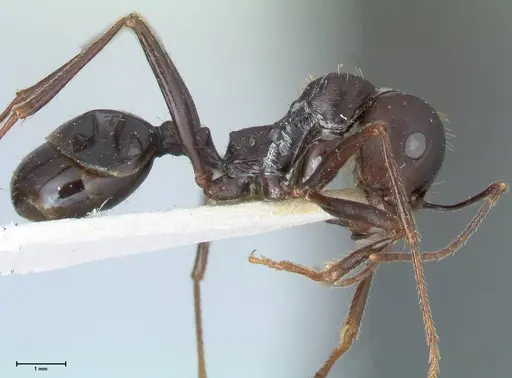
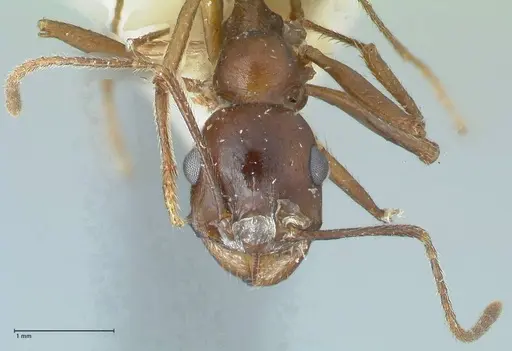
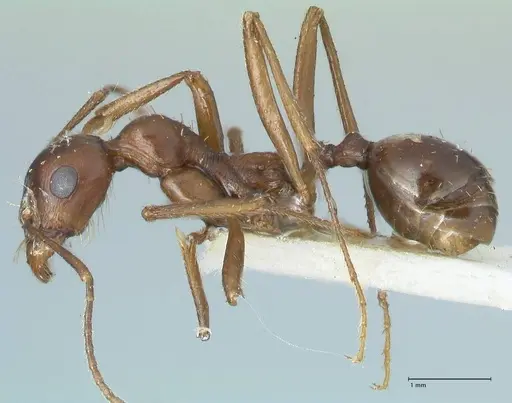
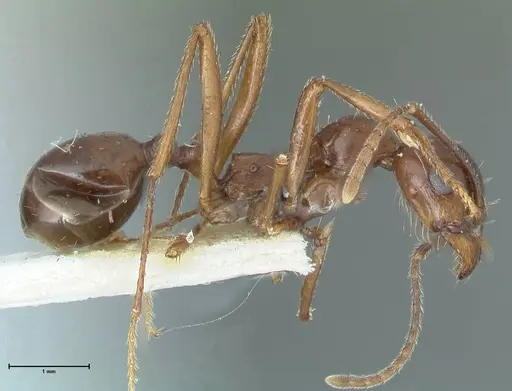
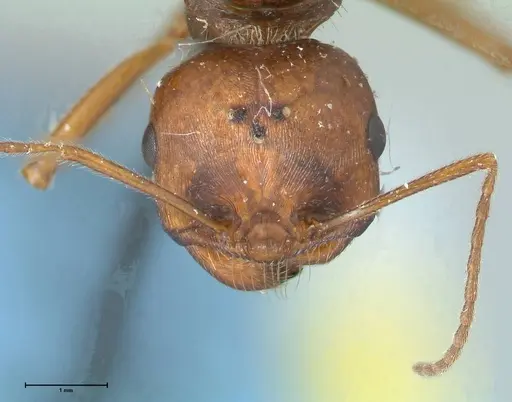
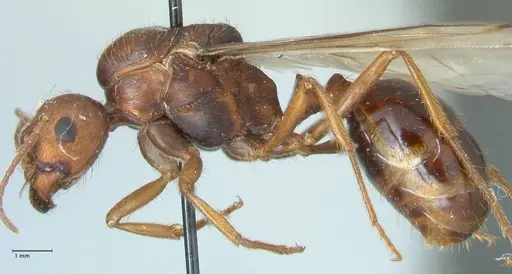
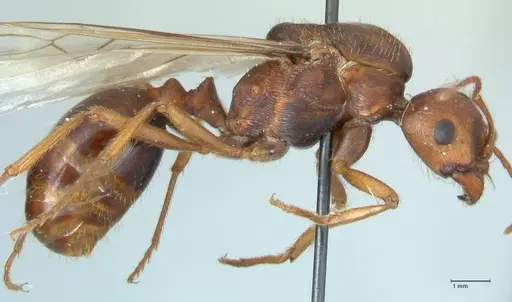
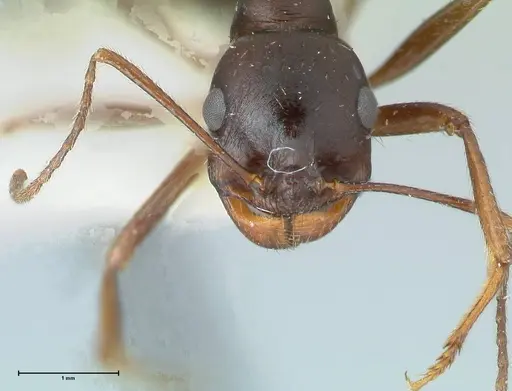
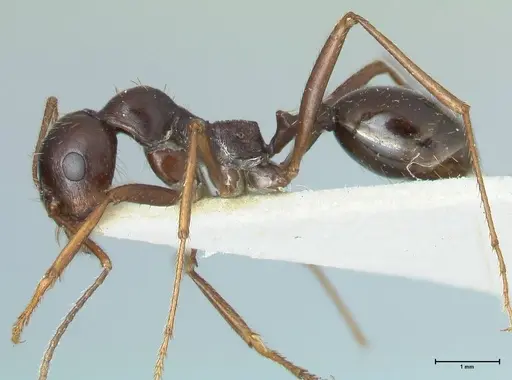
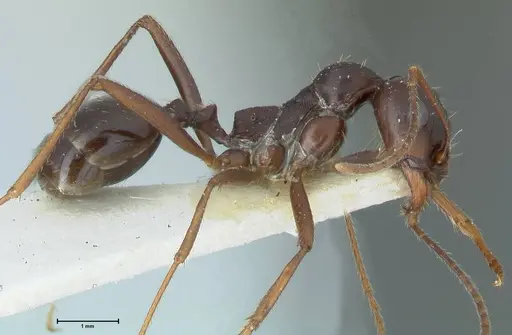
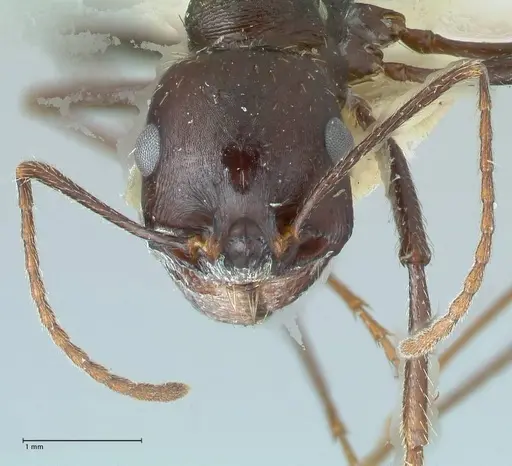
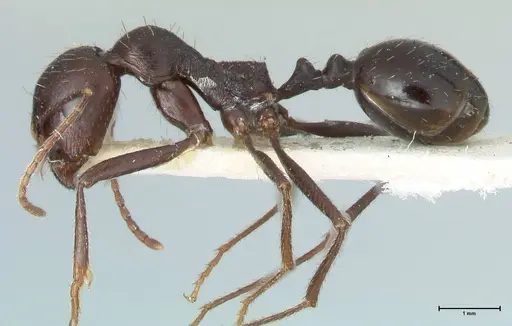
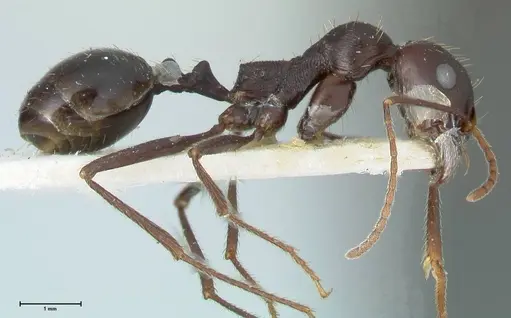
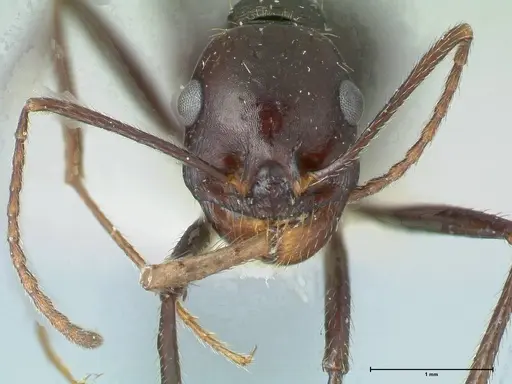
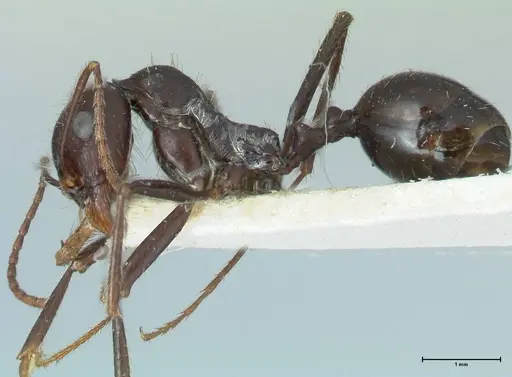
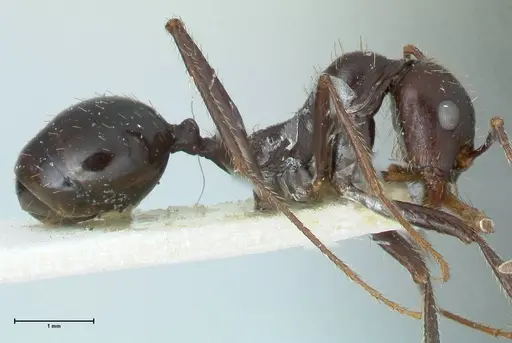
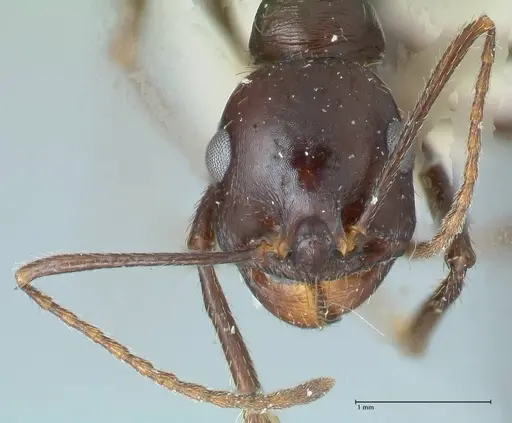
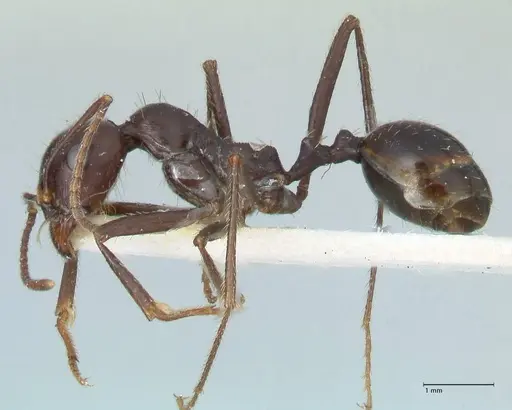
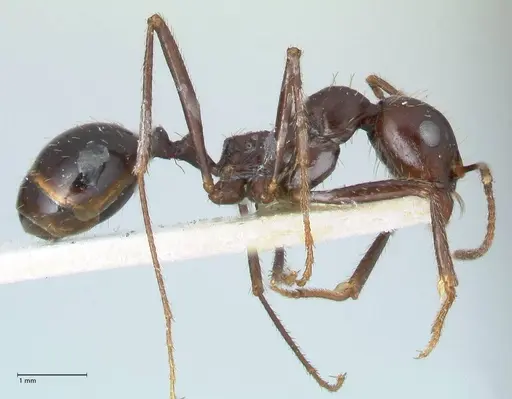
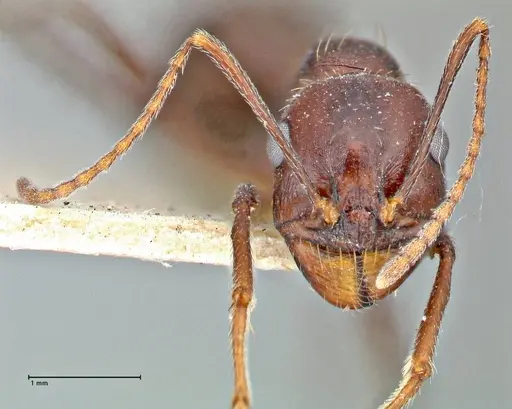
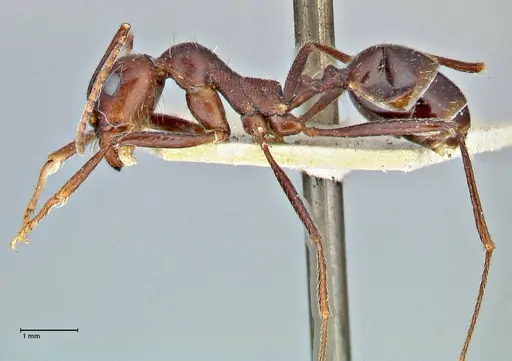
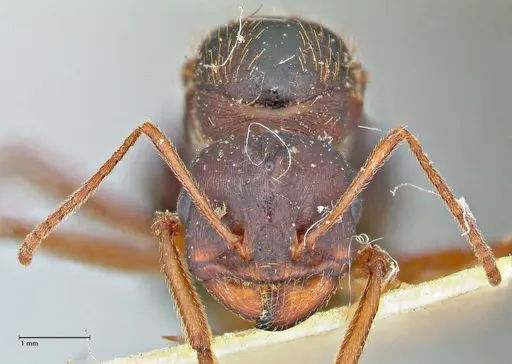
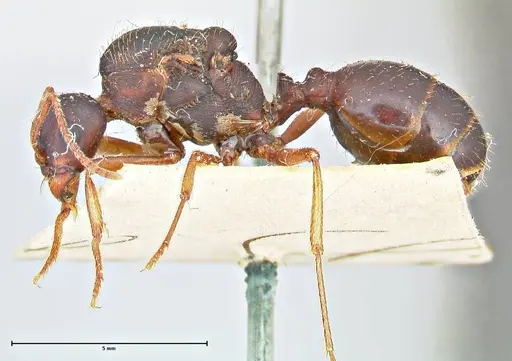
Messor denticornis is a harvester ant native to arid regions of southern Africa, including Namibia, Botswana, and South Africa . Workers are inferred to be approximately 4-8 mm in length based on Messor genus patterns, and the species is recognizable by its unusually large eyes . In their natural habitat, these ants are known for creating 'fairy circles' - bare elliptical discs up to 5 meters in diameter that they clear around their colonies .
Quick Summary
- Difficulty: Medium
- Origin & Habitat: Namibia, Botswana, and South Africa, arid desert and savannah regions [1].
- Colony Type: Unconfirmed, research does not specify queen number or social structure.
- Size & Growth:
- Queen: Inferred from Messor genus: approximately 8-12 mm
- Worker: Inferred from Messor genus: approximately 4-8 mm
- Colony: Up to several thousand workers (estimated)
- Growth: Moderate
- Development: 6-10 weeks (estimated based on typical Messor development) (Development time depends on temperature)
- Antkeeping:
- Temperature: Keep nest area warm, roughly 26-32°C with a gradient. Temperature needs are unclear, start here and observe [3].
- Humidity: Provide a humidity gradient, mostly dry nest chamber with one small moist area, similar to arid habitats [1].
- Diapause: Unknown, no specific data on diapause requirements for this species.
- Nesting: Y-tong nests work well for established colonies. For founding, use test tube setup with sandy soil. Provide deep sand for seed storage [1].
- Behavior: Temperament varies, generally docile but will defend the nest if threatened. They are seed-harvesting ants. Escape risk is moderate due to size. Use standard barriers.
- Common Issues: seed mold, stored seeds can develop mold if humidity is too high, overheating, excessive heat can stress colonies, provide temperature gradient, colonies may decline if fed only sugar, they are primarily seed-eaters, founding queens are vulnerable to disturbance, minimize vibrations during claustral founding
Nest Preferences and Setup
Messor denticornis naturally nests in sandy soils of arid regions [1]. In captivity, a Y-tong formicarium with sand-based substrate works well for established colonies. For founding colonies, use a standard test tube setup with sandy soil. Provide a constant source of water via test tube but avoid excessive moisture, these are desert ants that prefer dry conditions [1].
Feeding and Diet
As harvester ants, Messor denticornis primarily collects and consumes seeds [1]. In captivity, offer a variety of grass seeds, millet, sunflower seeds, and other small seeds. They also accept protein sources like small insects. Sugar water can be offered occasionally but seeds should be the main food source. Fresh water should always be available. Remove uneaten seeds periodically to prevent mold.
Temperature and Heating
These desert ants require warm conditions. Keep the nest area at 26-32°C during the active season with a gradient [3]. A heating cable or mat on one side creates a temperature gradient. Avoid temperatures above 35°C as this can stress the colony. Room temperature may be too cool, supplemental heating is recommended.
Behavior and Colony Dynamics
Messor denticornis is an active forager that collects seeds and small insects. Workers are relatively large and can be impressive when patrolling the outworld. The species is known for its large eyes, which may aid in navigation [1]. Colonies are centered around a single queen who remains in the nest after mating. Workers are polymorphic with larger majors for seed processing. They are not particularly aggressive but will bite if the nest is disturbed.
Growth and Development
A newly mated queen will seal herself in a claustral chamber and lay eggs without leaving to forage. She survives on stored fat reserves while raising the first brood. This founding phase typically takes 6-10 weeks under warm conditions. The first workers, called nanitics, will begin foraging to support the growing colony. Growth rate is moderate, a healthy colony can reach several hundred workers within the first year under good conditions.
Frequently Asked Questions
How long does it take for Messor denticornis to produce first workers?
Expect first workers in about 6-10 weeks after the queen lays eggs, assuming temperatures around 28°C. Cooler temperatures will slow development significantly.
What do Messor denticornis eat?
They are harvester ants that primarily eat seeds. Offer grass seeds, millet, crushed sunflower seeds, and small insects. Seeds should be the main food source [1].
Do Messor denticornis ants sting?
They can sting but rarely do so. Their sting is mild and not dangerous to healthy humans. They are generally docile.
What temperature do Messor denticornis need?
Keep them warm at 26-32°C with a temperature gradient. Use a heating cable or mat on part of the nest. Avoid temperatures above 35°C [3].
Can I keep multiple Messor denticornis queens together?
Research does not confirm colony type, so it is unadvised to combine queens without evidence of polygyne behavior.
How big do Messor denticornis colonies get?
Colonies can reach up to several thousand workers over time, based on estimates from related Messor species.
Do Messor denticornis need hibernation?
Diapause requirements are unknown for this species. Based on geographic range, it may not require hibernation, but observe colony behavior.
What makes Messor denticornis different from other Messor species?
They have unusually large eyes compared to other harvester ants [1]. They are also known for creating fairy circles in their native habitat [2].
When should I move my Messor denticornis to a formicarium?
Move them when the test tube setup becomes crowded, typically when the colony reaches a few hundred workers. Ensure the new formicarium has appropriate sand-based substrate.
Are Messor denticornis good for beginners?
They are moderate difficulty, easier than some tropical species but require attention to temperature and humidity. Their seed-based diet is straightforward.
Report an Issue
The current care sheet is based fully on literature. See inconsistencies, or something that's incorrect? Please , it will be resolved after review from an admin. Contributing to the blogs tab also helps providing information, to make us be able to further improve the caresheets. Thank you for your support!
References

Este guia de cuidados está sob a licença CC BY-SA 4.0 .
Posts da comunidade
CASENT0106118
Ver no AntWeb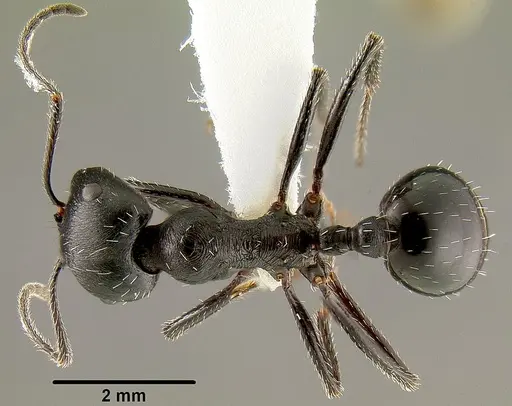
CASENT0900465
Ver no AntWeb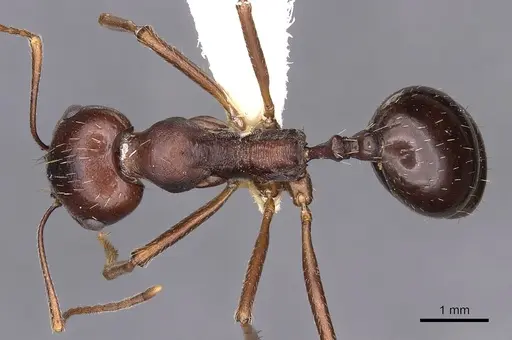
CASENT0907746
Ver no AntWeb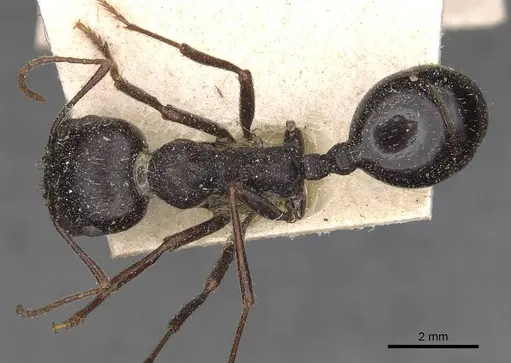
CASENT0907747
Ver no AntWeb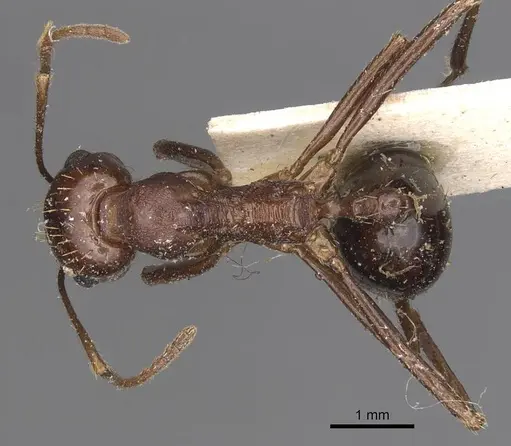
CASENT0907748
Ver no AntWeb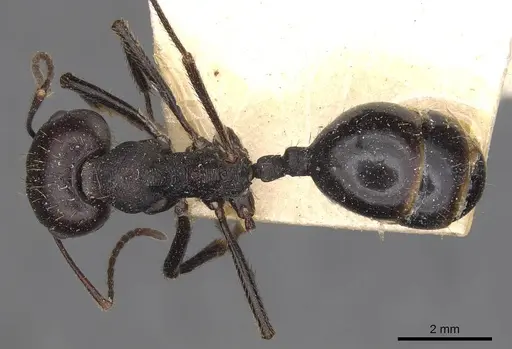
CASENT0907749
Ver no AntWeb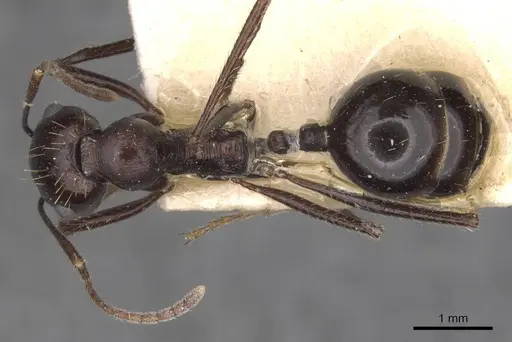
FOCOL0210-1
Ver no AntWeb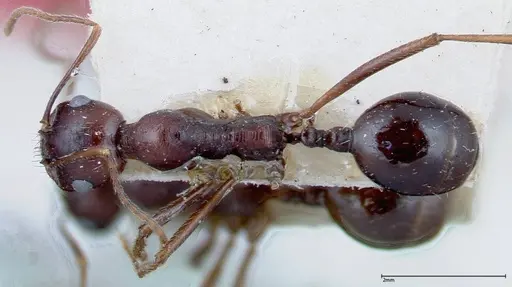
FOCOL0210-2
Ver no AntWeb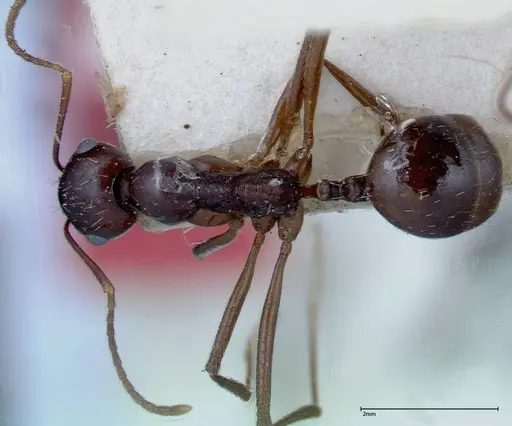
FOCOL0632
Ver no AntWeb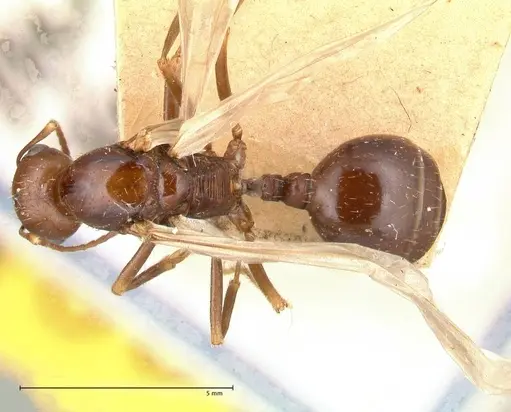
FOCOL0633-1
Ver no AntWeb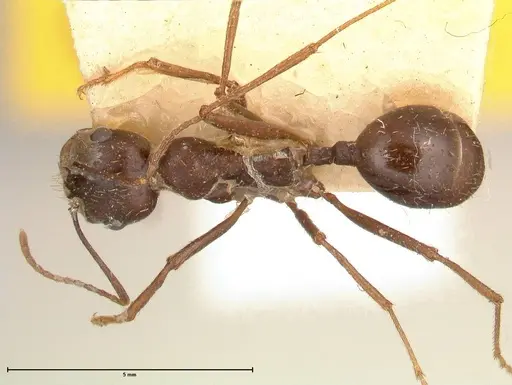
FOCOL0633-2
Ver no AntWeb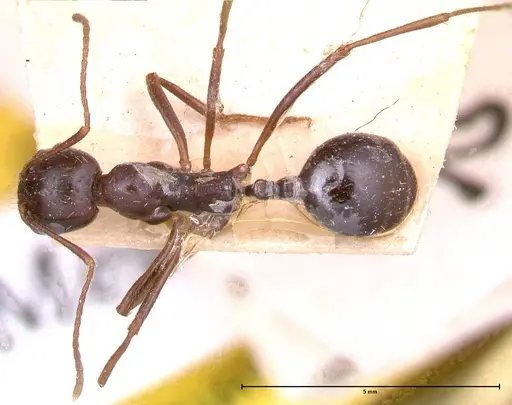
FOCOL1271
Ver no AntWeb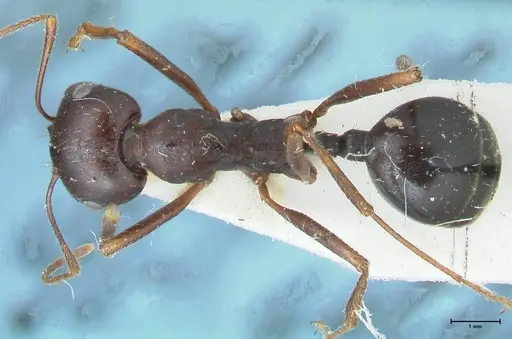
FOCOL1272
Ver no AntWeb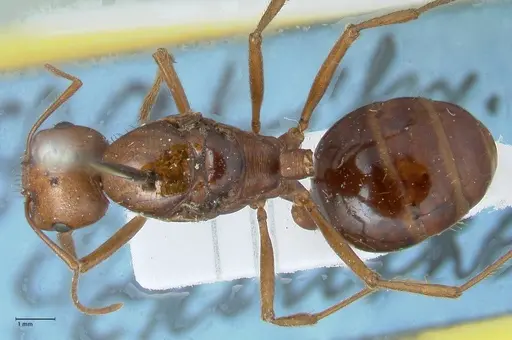
FOCOL1273
Ver no AntWeb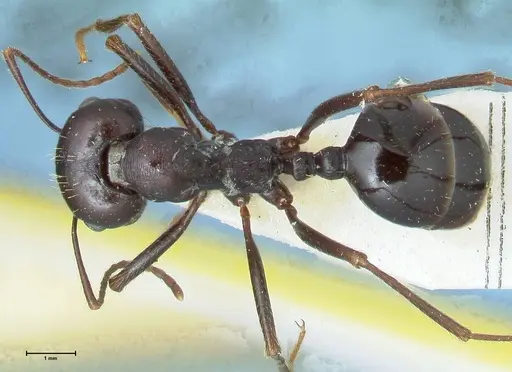
FOCOL1274
Ver no AntWeb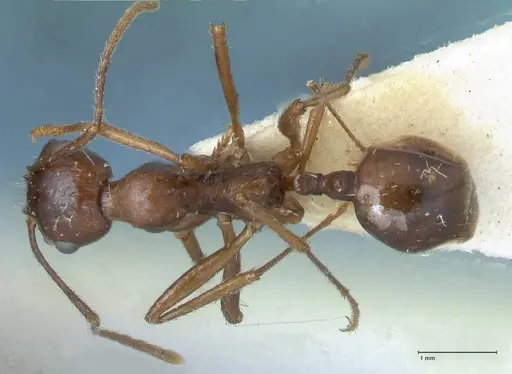
FOCOL1275
Ver no AntWeb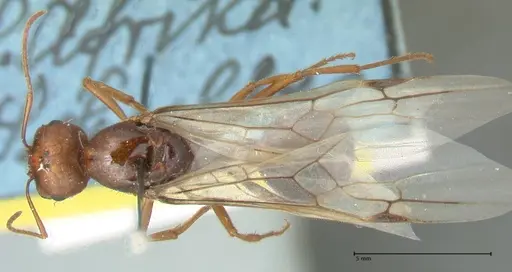
FOCOL1276
Ver no AntWeb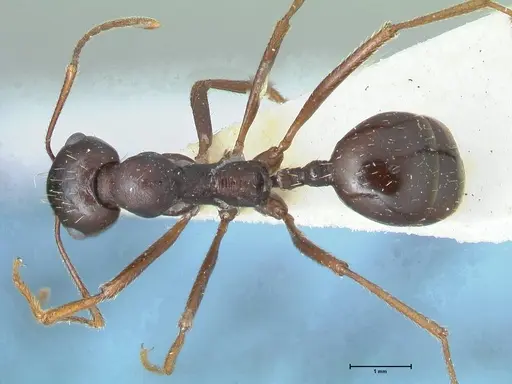
FOCOL1277
Ver no AntWeb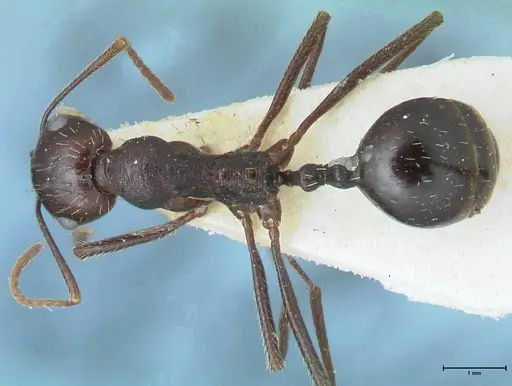
FOCOL1278
Ver no AntWeb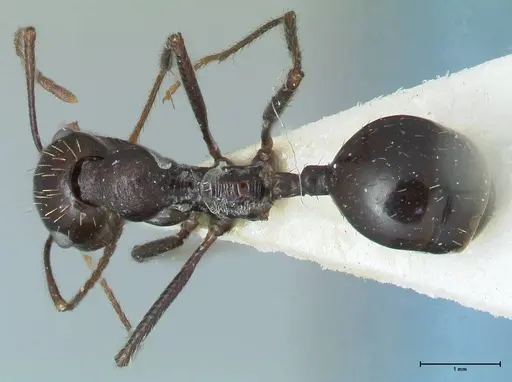
FOCOL1279
Ver no AntWeb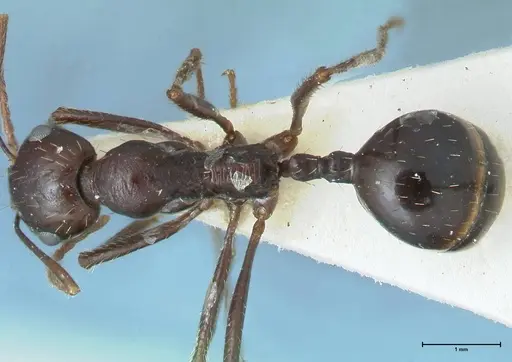
FOCOL2950
Ver no AntWeb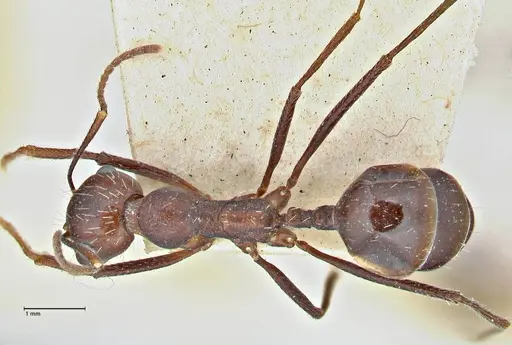
FOCOL2953
Ver no AntWeb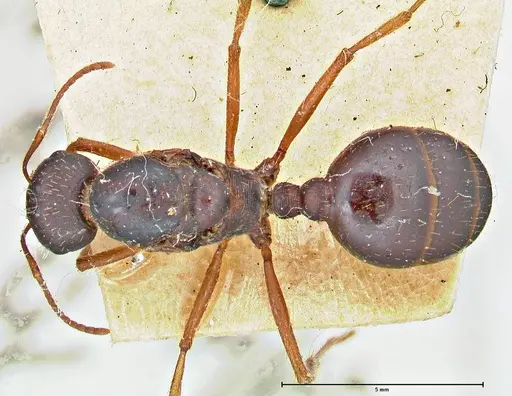
Literatura
Carregando mapa de distribuição...Carregando produtos...