
Meranoplus minor
- Nome científico
- Meranoplus minor
- Tribo
- Crematogastrini
- Subfamília
- Myrmicinae
- Autor
- Forel, 1902
- Distribuição
- Encontrada em 1 países
Introdução
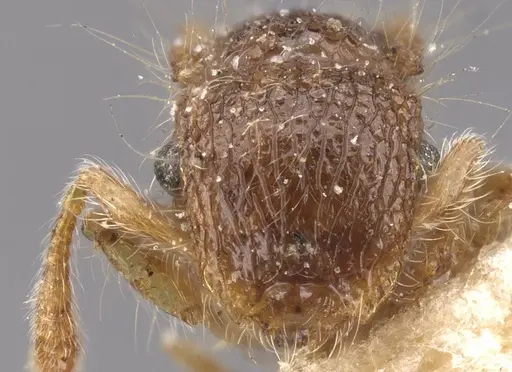
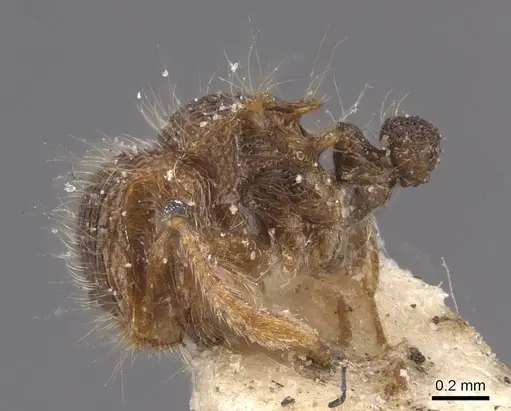
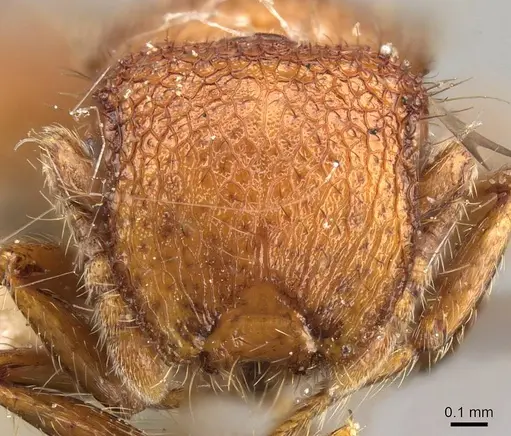
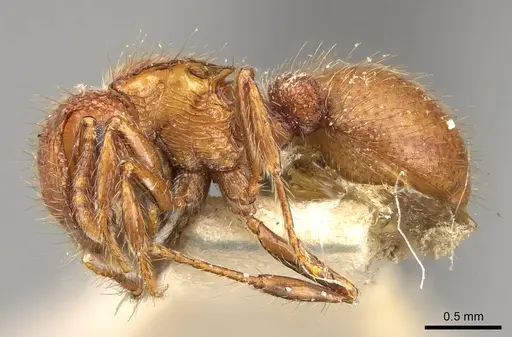
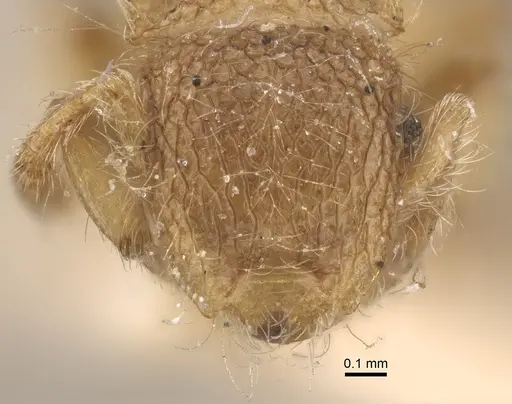
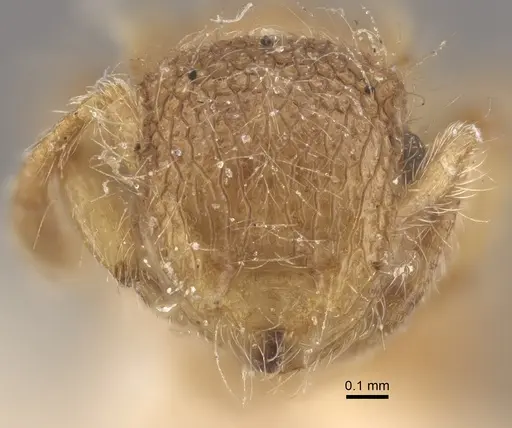
Meranoplus minor is a small myrmicine ant native to eastern Australia, particularly New South Wales. Workers are compact ants with a distinctive shield-like head and short, robust build. The species was originally described as a subspecies of Meranoplus hirsutus in 1902 and was elevated to full species status in 1990 . The name 'minor' reflects their small size compared to related species in the Meranoplus genus. This ant belongs to the Hot-Climate Specialist functional group, meaning it thrives in warm, open habitats . Studies show they are uniquely found in high-complexity habitats with diverse vegetation, suggesting they need environmental enrichment in captivity . They are day-active foragers attracted to protein and fat sources, making them effective predators and scavengers .
Quick Summary
- Difficulty: Medium
- Origin & Habitat: Eastern Australia, primarily New South Wales (Sydney, Thornleigh region). Found in eucalypt forest habitats and urban green spaces with complex vegetation [2][3].
- Colony Type: Colonies are likely single-queen (monogyne), based on type material showing one queen per syntype [1]. Specific social structure is not fully confirmed in literature.
- Size & Growth:
- Queen: Size data unavailable, inferred from Meranoplus genus to be approximately 5-6 mm
- Worker: Size data unavailable, inferred from Meranoplus genus to be approximately 3-4 mm
- Colony: Colony size data unavailable from current research
- Growth: Moderate
- Development: Estimated 6-8 weeks at optimal temperature, inferred from related species patterns (Development time may vary with temperature, specific data not available)
- Antkeeping:
- Temperature: Keep warm, roughly 24-28°C, as a Hot-Climate Specialist [2]. Provide a temperature gradient for self-regulation.
- Humidity: Keep nest substrate consistently moist but not waterlogged, as they are from eastern Australia with seasonal variation.
- Diapause: Likely requires winter diapause, reduce temperature to 15-18°C for 2-3 months during winter, based on temperate origin.
- Nesting: In nature, they nest in soil and under objects. In captivity, use a test tube for founding colonies, then transition to a Y-tong or plaster nest with deep substrate for growth.
- Behavior: Day-active ants with moderate foraging activity. They are attracted to protein and fat sources [3]. Workers are not particularly aggressive but will defend their nest. Escape prevention is critical due to their small size, use fine mesh barriers.
- Common Issues: small size makes escape prevention critical, use fine mesh and tight-fitting lids, colonies may struggle in simple enclosures, provide environmental complexity [3], limited specific care information exists since this species is rarely kept, winter diapause timing may vary, monitor colony behavior for adjustments, protein-focused diet may require variety to prevent malnutrition
Housing and Enclosure Setup
Meranoplus minor requires environmental complexity for thriving [3]. In captivity, provide an enclosure with multiple levels, hiding spots, and varied substrate. For founding colonies, a test tube setup works well. As the colony grows, transfer to a formicarium with deeper chambers and enrichment items. Ensure all connections are secure due to their small size.
Feeding and Diet
These ants are attracted to protein and fat sources, indicating a predatory/scavenging lifestyle [3]. In captivity, offer small insects like fruit flies, pinhead crickets, and mealworms, along with minced meat. Sugar water can be offered occasionally, but protein should form the primary diet. Feed every 2-3 days, removing uneaten food to prevent mold.
Temperature and Seasonal Care
As a Hot-Climate Specialist, Meranoplus minor benefits from warm conditions [2]. Maintain nest temperatures around 24-28°C during active seasons. Provide a temperature gradient for self-regulation. During winter, reduce temperatures to 15-18°C to simulate diapause, though specific timing is not documented.
Colony Development
Colonies are small, but specific size data is unavailable. Development from egg to worker is estimated at 6-8 weeks at optimal temperature, inferred from related species. Growth is moderate, and colonies may produce alates during warmer months for nuptial flights.
Behavior and Foraging
Meranoplus minor is day-active, foraging primarily during daylight hours [3]. Workers search for protein-rich food sources and are not aggressive toward keepers but will defend the nest. Their small size requires careful escape prevention with fine mesh barriers.
Frequently Asked Questions
How long does it take for Meranoplus minor to produce first workers?
Based on related Meranoplus species, expect first workers approximately 6-8 weeks after queen lays eggs, at optimal warm temperatures. Development may take longer if temperatures are cooler.
What do Meranoplus minor ants eat?
They are attracted to protein and fat sources. Offer small insects, minced meat, and other protein-rich foods. Sugar water can be offered occasionally, but protein should be primary [3].
Are Meranoplus minor good for beginners?
This species is rated Medium difficulty. While manageable for experienced keepers, their need for environmental complexity and warm conditions requires attention.
Do Meranoplus minor ants sting?
As Myrmicinae, they have a stinger, but due to their small size, it is unlikely to penetrate human skin. They may bite if threatened but are not dangerous.
How big do Meranoplus minor colonies get?
Colony size data is unavailable from current research. Trap data suggests limited abundance, but specific estimates are not confirmed.
Do Meranoplus minor need hibernation?
Likely requires a winter diapause period. Reduce temperatures to 15-18°C for 2-3 months during winter, based on their temperate origin.
What temperature should I keep Meranoplus minor at?
Keep nest areas warm, roughly 24-28°C, as they are Hot-Climate Specialists. Provide a temperature gradient for self-regulation [2].
Can I keep multiple Meranoplus minor queens together?
This is not recommended. The species is likely monogyne, and combining queens may lead to fighting. Specific data is unconfirmed.
When should I move Meranoplus minor to a formicarium?
Move from test tube to a formicarium when the colony outgrows the setup, typically after 20-30 workers, but specific timing depends on colony growth.
Why are my Meranoplus minor dying?
Common causes include temperatures too cool, low humidity, insufficient protein, or inadequate enclosure complexity. Ensure warm, enriched environments and proper escape prevention [3].
Report an Issue
The current care sheet is based fully on literature. See inconsistencies, or something that's incorrect? Please , it will be resolved after review from an admin. Contributing to the blogs tab also helps providing information, to make us be able to further improve the caresheets. Thank you for your support!
References

Este guia de cuidados está sob a licença CC BY-SA 4.0 .
Posts da comunidade
CASENT0908941
Ver no AntWeb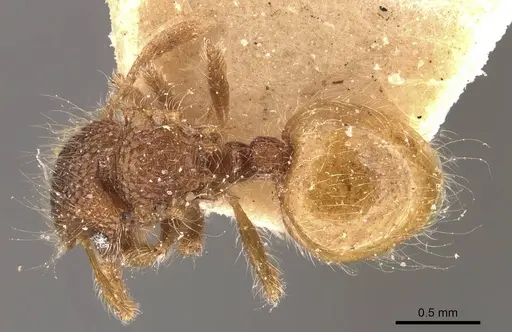
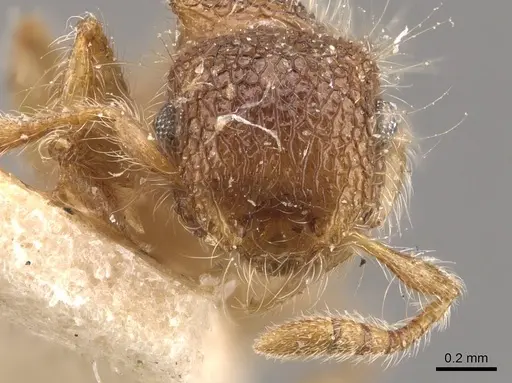
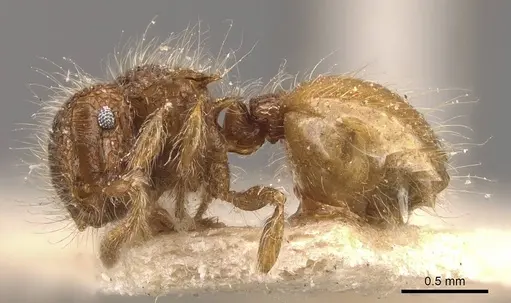
CASENT0913025
Ver no AntWeb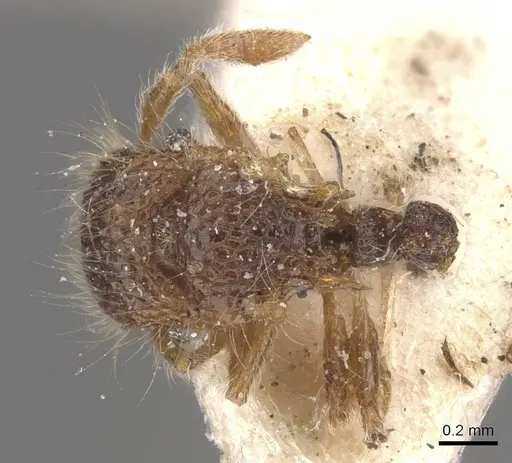
CASENT0914057
Ver no AntWeb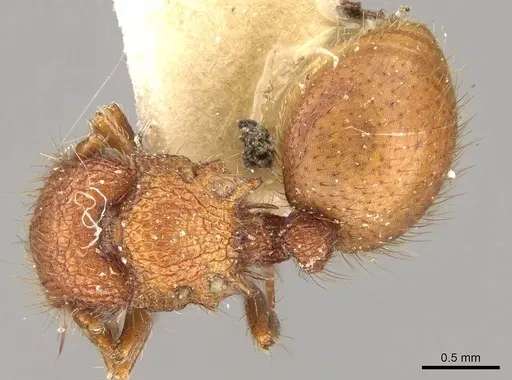
CASENT0917822
Ver no AntWeb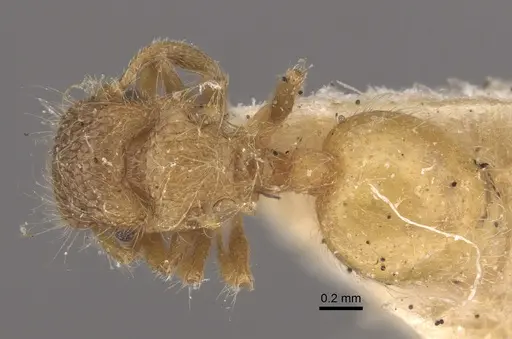
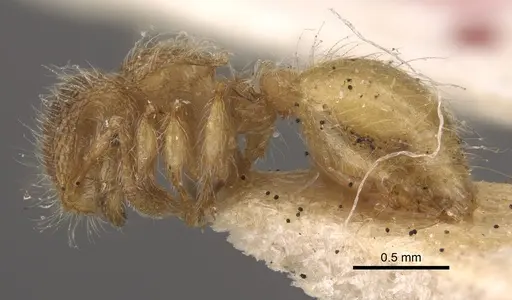
CASENT0922921
Ver no AntWeb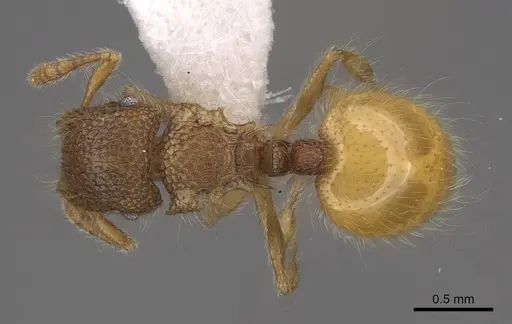
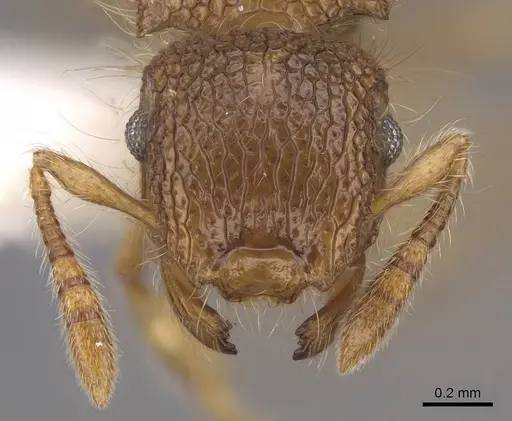
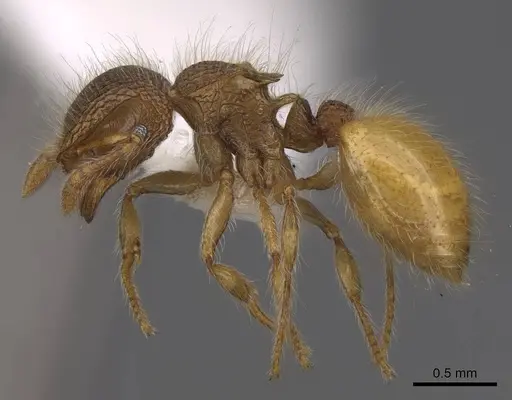
Literatura
Carregando mapa de distribuição...Carregando produtos...