
Meranoplus boltoni
- Nome científico
- Meranoplus boltoni
- Tribo
- Crematogastrini
- Subfamília
- Myrmicinae
- Autor
- Schödl, 1998
- Distribuição
- Encontrada em 0 países
Introdução
Meranoplus boltoni is a tiny brown ant species native to Sri Lanka, discovered at 1680 meters elevation in the Diyatalawa region of the highlands . Workers measure approximately 3mm in total length, making them one of the smaller ant species you might encounter . They have a distinctive appearance with a prominently margined promesonotal shield featuring sharp spines at the corners and translucent window-like fenestrae along the sides . The entire body is covered in dense, whitish stiff hairs that stand nearly upright . This species is closely related to Meranoplus nepalensis but can be distinguished by its narrower petiole and the specific shape of its clypeus . What makes M. boltoni particularly interesting is how little we know about it. The only documented specimens were collected on the ground in Sri Lanka's highland region, meaning this appears to be a ground-nesting species from a relatively cool, elevated tropical habitat . The genus Meranoplus is known for its unusual shield-like pronotal structure, but this specific species remains virtually unstudied in terms of behavior, colony structure, or captive requirements.
Quick Summary
- Difficulty: Unknown, Insufficient Data
- Origin & Habitat: Sri Lanka (Diyatalawa,1680m elevation) in the Indomalaya region. Type specimens were collected on the ground [1][2].
- Colony Type: Unconfirmed. No data exists on colony structure for this species.
- Size & Growth:
- Queen: Unknown, queens have not been described [1]
- Worker: 3.00-3.13mm total length [1]
- Colony: Unknown, no colony data exists
- Growth: Unknown
- Development: Unknown, no development data exists for this species. (The type locality at 1680m elevation suggests cooler conditions than typical lowland tropical ants, which may affect development speed if kept in captivity.)
- Antkeeping:
- Temperature: Likely prefers moderate temperatures. The type locality at 1680m elevation in Sri Lanka suggests they experience cooler conditions than typical tropical ants. Start around 22-26°C and monitor colony activity.
- Humidity: Likely requires moderate to high humidity given the elevated habitat in Sri Lanka's highlands. Keep nest substrate consistently moist but not waterlogged.
- Diapause: Unknown, no data on seasonal requirements. The elevated type locality may experience cooler temperatures seasonally, which could suggest a light diapause requirement, but this is speculative.
- Nesting: Ground-nesting species based on type collection on ground [1]. A naturalistic setup with soil or a Y-tong/plaster nest with moisture-retaining substrate would likely work well.
- Behavior: Behavior is unstudied. Based on typical Meranoplus genus patterns, they are likely generalist foragers that scavenge and collect honeydew. Their small size means escape prevention is critical, they can squeeze through tiny gaps. Aggression levels are unknown but likely moderate like most Myrmicinae. Do not assume they are docile.
- Common Issues: no biological data exists, keepers are essentially pioneering captive care for this species, tiny size means escapes are likely without fine mesh barriers, unknown diapause requirements could cause seasonal colony losses if guessed incorrectly, no confirmed diet information, acceptance of common ant foods is uncertain, slow growth or failure is likely as no captive husbandry precedent exists
Discovery and Taxonomy
Meranoplus boltoni was described in 1998 by Stefan Schödl based on three worker specimens collected by Barry Bolton in Diyatalawa, Sri Lanka at an elevation of 1680 meters [1][3]. The species is named after Barry Bolton, who collected the type specimens [1]. The type specimens were collected on the ground, making this one of the few documented observations of this species in nature [1]. The species was distinguished from its close relative Meranoplus nepalensis by differences in the shape of the anterior margin of the clypeus, the narrower petiole, and the overall shape of the promesonotal shield [1]. Since its description, no additional biological research has been published on this species.
Appearance and Identification
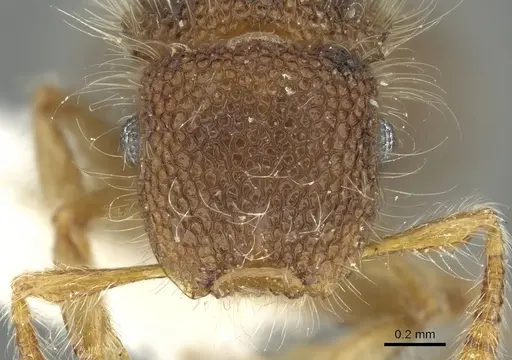
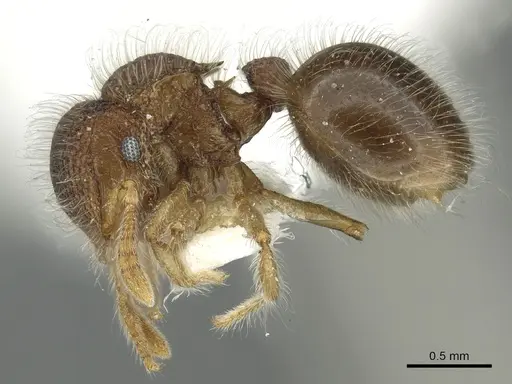
Workers are tiny at approximately 3mm total length, making them one of the smaller ant species you might keep [1]. They are uniformly brown in color with a distinctive shield-like pronotum that overhangs the sides of the body [1]. The most striking features are the sharp spines at the corners of the promesonotal shield and the translucent window-like areas along the sides [1]. The entire dorsal surface and legs are covered in dense, whitish stiff hairs that stand nearly upright [1]. Their eyes are relatively small compared to similar species, with only 9-10 ommatidia in the longest row [1]. This combination of features makes them relatively distinctive among Meranoplus species.
Natural Habitat and Distribution
This species is known only from its type locality in Diyatalawa, a highland region in southern Sri Lanka at approximately 1680 meters elevation [1]. This is significant because most Meranoplus species are found in warmer, lower elevation tropical areas. The elevated habitat suggests this species may prefer cooler temperatures than typical tropical ants. Sri Lanka's highlands receive monsoonal rainfall and maintain relatively high humidity year-round. The type specimens were collected on the ground, indicating this is a ground-nesting species rather than one that nests in wood or vegetation [1]. The entire global known range is limited to this single location.
Housing and Nesting
Since we have no captive data for this species, housing recommendations are based on inference from the type collection and genus patterns. The type specimens were collected on the ground, suggesting they nest in soil or under ground-level debris [1]. A naturalistic setup with moist soil substrate would be the most appropriate starting point. Alternatively, a Y-tong or plaster nest with moisture-retaining substrate can provide the humidity they likely need. Given their tiny size, escape prevention must be excellent, use fine mesh and ensure all connections are sealed. The elevated type locality suggests they may prefer temperatures on the cooler side of what most tropical ants require, so avoid placing the nest in direct heat or very warm rooms.
Feeding and Diet
Diet preferences are entirely unstudied for this species. Meranoplus generally are considered omnivorous, typically foraging for nectar, honeydew, and small insects. For a newly established colony, offer a variety of foods including sugar water or honey as an energy source, and small protein sources like fruit flies, pinhead crickets, or other appropriately sized live prey. Start with modest offerings and observe what gets consumed. Given their tiny size, prey items must be very small. Do not overfeed, remove uneaten food after 24-48 hours to prevent mold. The lack of specific dietary data means you may need to experiment to determine what this species accepts in captivity.
Challenges and Experimental Care
Keeping Meranoplus boltoni represents a genuine frontier in ant husbandry. No documented captive colonies exist, meaning you will be essentially pioneering the husbandry of this species. Expect a learning curve. Key challenges include: no confirmed temperature requirements (start around 22-26°C and adjust based on activity), unknown humidity preferences (aim for moderate-high humidity based on highland Sri Lanka habitat), unconfirmed founding behavior, and unknown diapause requirements. Document your observations carefully. If you succeed in establishing a colony, your data would be scientifically valuable as it would be the first captive biology information for this species. Consider sharing your findings with the antkeeping community.
Frequently Asked Questions
How difficult is Meranoplus boltoni to keep?
Difficulty is unknown because no documented captive colonies exist. This species should be considered experimental, you will be pioneering its husbandry. Expect a learning curve and be prepared for potential failures as we simply do not know what this species needs in captivity.
What do Meranoplus boltoni ants eat?
Diet is unconfirmed. Based on typical Meranoplus behavior, they likely accept sugar sources (honey, sugar water) and small protein (fruit flies, tiny crickets). Start with modest offerings of both and observe what gets consumed. Their tiny size means prey must be very small.
What temperature do Meranoplus boltoni need?
Temperature requirements are unconfirmed. The type locality at 1680m elevation in Sri Lanka suggests they prefer cooler conditions than typical tropical ants. Start around 22-26°C and monitor colony behavior.
Do Meranoplus boltoni ants need hibernation?
Diapause requirements are unknown. The elevated Sri Lankan habitat may experience seasonal temperature changes, suggesting a light winter rest might be beneficial, but this is entirely speculative.
How big do Meranoplus boltoni colonies get?
Maximum colony size is unknown, no colony data exists for this species.
Are Meranoplus boltoni good for beginners?
No. This species is not recommended for beginners due to complete lack of captive husbandry data. You would be pioneering all aspects of their care. Experienced keepers interested in new species may want to attempt it, but expect challenges.
Do Meranoplus boltoni sting?
Stinging behavior is unstudied. Most Myrmicinae have stingers, but they are often too small to penetrate human skin. Given their tiny size, any sting would likely be negligible even if present.
Can I keep multiple Meranoplus boltoni queens together?
Colony structure is unconfirmed. We do not know if this species is single-queen or multi-queen. Combining unrelated queens is not recommended due to lack of data on their social structure.
How long does it take for Meranoplus boltoni to produce first workers?
Development timeline is unknown, no data exists for this species.
What size nest should I use for Meranoplus boltoni?
Use a small nest scaled to their tiny size. A naturalistic setup with moist soil or a small Y-tong/plaster nest with narrow chambers works well. Ensure excellent escape prevention due to their small size.
Where is Meranoplus boltoni found in the wild?
Only known from Diyatalawa, Sri Lanka at 1680m elevation, a highland region in southern Sri Lanka. The entire global range is this single location [1].
Why is Meranoplus boltoni so rare in the antkeeping hobby?
This species was only described in 1998 and has never been commonly collected. No biological data exists, and the type locality is limited to a small highland area in Sri Lanka. Essentially no captive colonies exist anywhere.
Report an Issue
The current care sheet is based fully on literature. See inconsistencies, or something that's incorrect? Please , it will be resolved after review from an admin. Contributing to the blogs tab also helps providing information, to make us be able to further improve the caresheets. Thank you for your support!
References

Este guia de cuidados está sob a licença CC BY-SA 4.0 .
Posts da comunidade
CASENT0902031
Ver no AntWeb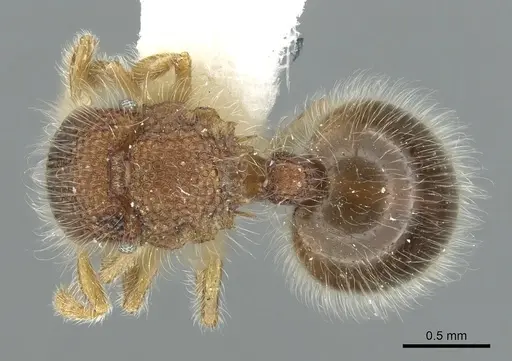
Literatura
Carregando mapa de distribuição...Carregando produtos...