
Megalomyrmex ayri
- Nome científico
- Megalomyrmex ayri
- Tribo
- Solenopsidini
- Subfamília
- Myrmicinae
- Autor
- Brandão, 1990
- Distribuição
- Encontrada em 1 países
Introdução
Megalomyrmex ayri is a small, yellowish-brown ant native to Brazil's Amazon region, Cerrado-Amazon ecotone, and northern Atlantic Forest . Workers are relatively small compared to their close relative Megalomyrmex goeldii, which is reflected in the species name 'ayri, ' meaning 'small' in Tupi . These ants belong to the modestus species group and can be identified by their smooth mandibles and distinctive clypeus shape that separates them from similar species . Colonies are polygynous, containing multiple queens, with 2-5 dealate queens per colony observed in the wild . Unlike many ants, M. ayri workers are non-aggressive and flee when disturbed rather than defending their brood .
Quick Summary
- Difficulty: Medium
- Origin & Habitat: Brazilian Amazon region, Cerrado-Amazon ecotone, and northern Atlantic Forest. Nests are found in forest leaf litter, including fallen twigs, palm leaves, between overlapping leaves, under stones, at tree bases, and in superficial ground portions [1].
- Colony Type: Polygynous (multi-queen) colonies with 2-5 dealate queens per colony. No males were found in any of the five colonies studied [1].
- Size & Growth:
- Queen: Size data unavailable, direct measurements not provided in available literature
- Worker: Small, workers are relatively smaller than M. goeldii workers [2]
- Colony: Up to 200 workers, colonies are small compared to related species (M. goeldii has 300-700,M. foreli has over 2000) [1]
- Growth: Moderate
- Development: Unknown, development time has not been directly studied (Based on typical Myrmicinae patterns at tropical temperatures, expect several weeks to first workers)
- Antkeeping:
- Temperature: Keep at 24-28°C, these are tropical Amazon ants requiring warm conditions
- Humidity: High humidity (70-80%), they live in tropical forest leaf litter. Keep substrate consistently moist but not waterlogged
- Diapause: No, tropical species do not require hibernation
- Nesting: Naturalistic setup works best, they nest in leaf litter, fallen twigs, and under stones. A thin layer of substrate with hiding spots like cork bark, small twigs, and leaf pieces mimics their natural environment [1]
- Behavior: Non-aggressive and shy. When disturbed, workers flee without carrying brood rather than defending the colony [1]. They are omnivorous, feeding on small insects and termites in the wild, and readily accept protein baits like sardines and sugar sources like honey [1]. Escape risk is moderate, their small size requires good barrier maintenance but they are not strong climbers.
- Common Issues: small colony size means slower population growth, don't expect rapid expansion, non-aggressive behavior means they may be outcompeted by more aggressive ant species if housed in mixed setups, tropical humidity requirements can lead to mold issues if ventilation is poor, lack of documented founding behavior means you'll need to adapt care based on related species patterns, they may not survive prolonged dry conditions
Housing and Nest Setup
Megalomyrmex ayri does best in a naturalistic setup that mimics their leaf litter habitat. Use a thin layer of moist substrate (coco fiber, peat, or a soil mix) with plenty of hiding spots like cork bark pieces, small twigs, and fallen leaves. These ants don't build elaborate nests, they simply occupy spaces between litter and under objects [1]. A test tube setup can work for founding colonies, but a naturalistic terrarium-style enclosure allows them to display their natural behaviors. Keep the setup humid and provide a water source. Because they are small and non-aggressive, avoid housing them with larger or more aggressive ant species.
Feeding and Diet
These ants are omnivorous and will accept both protein and sugar sources. In the wild, they prey on termites (Nasutitermes guayane was observed being hunted by workers) [1]. In captivity, offer small live prey like fruit flies, pinhead crickets, or termites. They also readily accept sugar water, honey, or protein-based baits, one study successfully baited them with sardines and honey in forest fragments [1]. Feed small amounts every 2-3 days, removing uneaten protein within 24 hours to prevent mold. Always provide a sugar source like honey water between feedings.
Temperature and Humidity
As tropical Amazon ants, M. ayri requires warm and humid conditions. Maintain temperatures between 24-28°C. A heating mat on one side of the enclosure can create a gradient, but ensure there's a cooler area available. Humidity should be high (70-80%), mist the substrate regularly and keep it consistently moist but not waterlogged. These ants live in forest leaf litter where humidity stays relatively constant. Avoid letting the setup dry out, as this would be fatal for the colony.
Colony Structure and Multi-Queen Dynamics
M. ayri is polygynous, meaning colonies naturally contain multiple queens. Observed colonies had 2-5 dealate (wingless) queens working together [1]. This is unusual compared to many ant species that have single queens, so you won't need to separate queens during founding. The colonies studied had no males present, which is interesting, this may indicate seasonal production of alates or that males were not yet developed at collection time [1]. Colony sizes remain small (under 200 workers), so don't expect the massive colonies seen in some other Myrmicinae species.
Behavior and Temperament
These ants are notably non-aggressive and shy. When researchers disturbed colonies, workers fled rather than attacking or defending their brood, they didn't even carry the immatures to safety [1]. This makes them peaceful tank mates but also means they may be outcompeted by more aggressive species. Workers arrange themselves in circles around brood, similar to behavior observed in M. wallacei [1]. They are not strong climbers and spend most of their time on the substrate surface or in shallow litter layers.
Frequently Asked Questions
How long does it take for Megalomyrmex ayri to produce first workers?
Exact development time is unknown. Based on typical Myrmicinae patterns at tropical temperatures (24-28°C), expect first workers in several weeks after eggs are laid.
Can I keep multiple Megalomyrmex ayri queens together?
Yes, this species is naturally polygynous with 2-5 queens per colony. Unlike many ant species, multiple queens coexist peacefully in established colonies.
What do Megalomyrmex ayri ants eat?
They are omnivorous. Offer small live insects (fruit flies, pinhead crickets, termites), and sugar sources like honey water or sugar water. They readily accept protein baits like sardines.
Are Megalomyrmex ayri good for beginners?
They are intermediate difficulty. While their small size and non-aggressive nature make them manageable, they require specific tropical conditions (warm, humid) and have less documented care information than common species.
How big do Megalomyrmex ayri colonies get?
Colony sizes are small, up to 200 workers maximum. This is smaller than related species like M. goeldii (300-700 workers) and M. foreli (over 2000 workers).
Do Megalomyrmex ayri need hibernation?
No, as tropical Amazon ants, they do not require hibernation. Keep them warm year-round at 24-28°C.
What type of nest should I use for Megalomyrmex ayri?
A naturalistic setup works best, they nest in leaf litter and between objects rather than building elaborate tunnels. Use a thin substrate layer with cork bark, twigs, and leaves for them to shelter under.
Why are my Megalomyrmex ayri dying?
Common causes include: too dry conditions (they need high humidity), temperatures below 24°C, mold from overwatering, or stress from disturbance. Ensure consistent moisture and warm temperatures.
Report an Issue
The current care sheet is based fully on literature. See inconsistencies, or something that's incorrect? Please , it will be resolved after review from an admin. Contributing to the blogs tab also helps providing information, to make us be able to further improve the caresheets. Thank you for your support!
References

Este guia de cuidados está sob a licença CC BY-SA 4.0 .
Posts da comunidade
CASENT0902327
Ver no AntWeb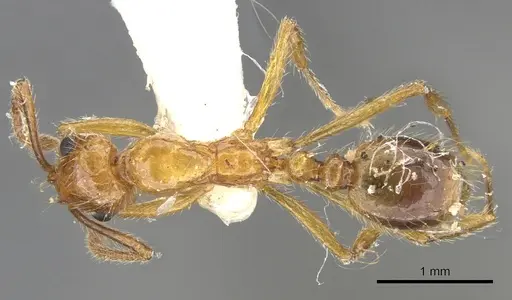
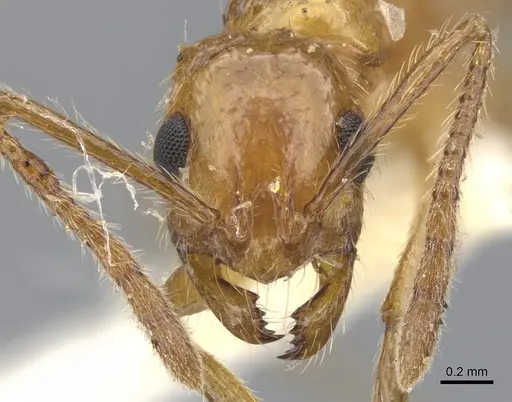
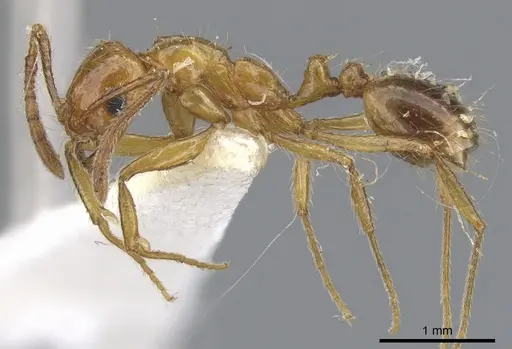
Literatura
Carregando mapa de distribuição...Carregando produtos...