
Mayriella abstinens
- Nome científico
- Mayriella abstinens
- Tribo
- Crematogastrini
- Subfamília
- Myrmicinae
- Autor
- Forel, 1902
- Distribuição
- Encontrada em 2 países
Introdução
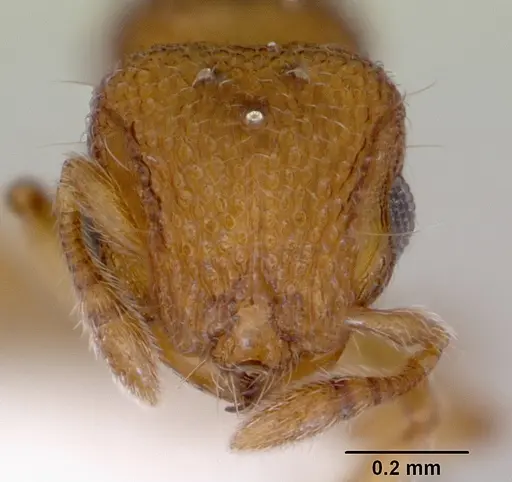
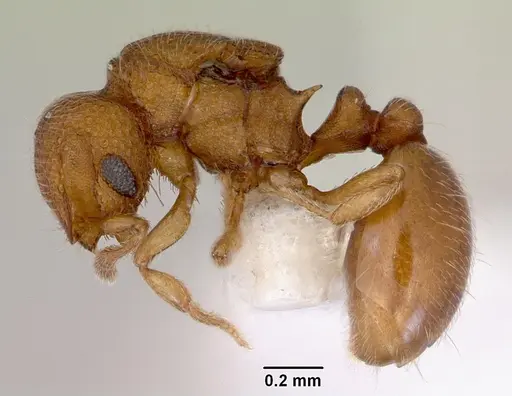
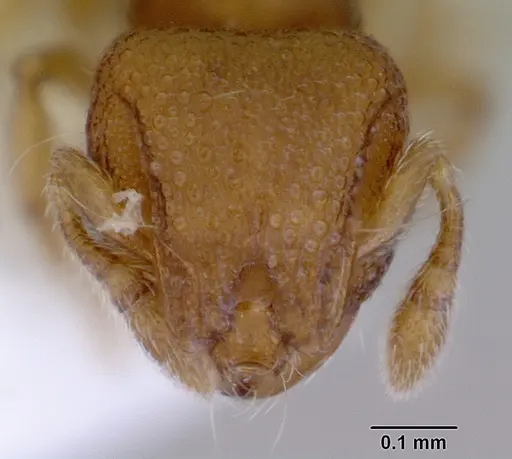
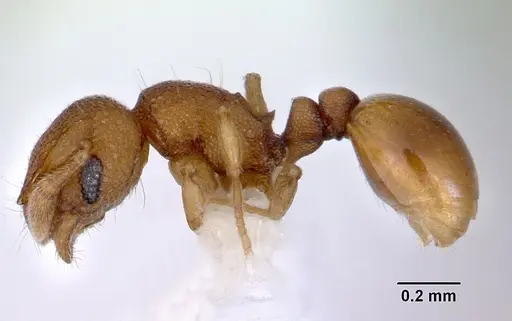
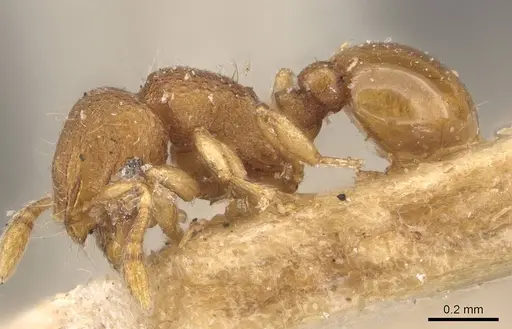
Mayriella abstinens is a tiny myrmicine ant native to Australia, specifically Queensland, and introduced to New Zealand. Workers are very small, with size data unavailable from current literature. Colonies show significant color variation, from pale yellow to dark brown. They nest in soil or arboreally under bark, and forage on ground and vegetation . This species is established in New Zealand and listed as potentially invasive in New Caledonia . A notable trait is their reduced sting, with specific measurements showing a sting length of 0.20-0.23 mm .
Quick Summary
- Difficulty: Expert
- Origin & Habitat: Native to Australia (Queensland), introduced to New Zealand. Found in rainforests and dry sclerophyll woodlands, typically at elevations between 200-600 m [1][2].
- Colony Type: Colony structure is unconfirmed, the number of queens per colony has not been documented in scientific literature.
- Size & Growth:
- Queen: Size data unavailable
- Worker: Size data unavailable
- Colony: Unknown, no data on colony size available
- Growth: Unknown, no data on growth rate
- Development: Estimated 6-10 weeks based on typical Myrmicinae patterns, but not confirmed for this species (Development timeline is not directly studied, estimates are inferred from genus-level patterns)
- Antkeeping:
- Temperature: Keep warm, roughly 22-26°C, based on tropical specialist status [5]. A gentle gradient allowing self-regulation is ideal.
- Humidity: Keep nest substrate consistently moist but not waterlogged, with some drier areas available, as they are rainforest dwellers [1].
- Diapause: No, as a tropical species from Queensland, they likely do not require hibernation [5].
- Nesting: Will accept test tubes, Y-tong nests, or plaster nests. They naturally nest in soil and under objects, so a naturalistic setup works well [1].
- Behavior: Workers are active foragers collecting protein and carbohydrates. They are moderately alert and will defend the colony if threatened. Their sting is reduced and unlikely to penetrate human skin [4]. Escape prevention is critical due to their tiny size, they can slip through standard barriers [1]. In New Zealand, they are found almost exclusively in forest ecosystems [6] and can be attracted to protein baits [7].
- Common Issues: escape prevention is critical, their tiny size means they can slip through standard barriers, WARNING: This species is introduced and established in New Zealand [2] and listed as potentially invasive in New Caledonia [3]. It is NOT recommended to keep this species in countries where it is not native. If kept, extreme precautions must be taken to prevent any escape., small colony size means slower population growth than larger ants, may be outcompeted by more aggressive ant species in multi-species setups, limited documented care information means some trial-and-error may be needed
Housing and Nest Setup
Use test tubes for founding colonies with a snug cotton barrier to prevent escapes [1]. For established colonies, Y-tong or plaster nests with small chambers work well. They naturally nest in soil and sometimes arboreally under bark, so a naturalistic setup with substrate is suitable. Avoid large open chambers, these tiny ants feel more secure in snug spaces. Escape prevention is absolutely critical, check that all barriers are packed tightly enough that workers cannot squeeze past [1].
Feeding and Diet
Mayriella abstinens is omnivorous. Offer small protein sources like fruit flies or tiny crickets 2-3 times per week, and keep a constant sugar water source available. In their native and introduced ranges, they forage on vegetation and ground, suggesting they collect honeydew and prey [6][7]. Remove uneaten prey after 24-48 hours to prevent mold. Prey items should be appropriately sized for their tiny workers.
Temperature and Humidity
Keep the nest area at 22-26°C for optimal activity, as they are tropical climate specialists [5]. A heating cable can create a gentle gradient, but avoid overheating. For humidity, keep the nest substrate consistently moist but not waterlogged, with some drier areas, as they are rainforest dwellers [1].
Behavior and Colony Dynamics
Workers are active foragers that explore ground and vegetation. They are not particularly aggressive but will defend the nest if disturbed. Their sting is reduced and unlikely to cause pain to humans [4]. Colonies remain relatively small, but size data is unavailable. Handle with care during transfers due to their tiny size.
Seasonal Care and Overwintering
As a tropical species, they likely do not require diapause [5]. In cooler climates, activity may slow naturally. No special overwintering setup is needed, simply allow temperatures to drop slightly if desired.
Frequently Asked Questions
How long does it take for Mayriella abstinens to produce first workers?
The exact timeline is not documented. Based on typical Myrmicinae development at warm temperatures, it might take 6-10 weeks, but this is not confirmed for this species.
Can I keep multiple Mayriella abstinens queens together?
The colony structure is unconfirmed. It is unknown whether they can found colonies with multiple queens. Until documented, keep only one queen per colony to avoid potential aggression.
Do Mayriella abstinens ants sting?
Yes, they possess a stinger, but it is significantly reduced in size (0.20-0.23 mm) [4]. The sting is unlikely to penetrate human skin or cause noticeable pain.
Are Mayriella abstinens good for beginners?
They are rated as Expert difficulty due to their invasive status and small size, which requires careful escape prevention. Experienced antkeepers are recommended.
What should I feed my Mayriella abstinens colony?
Offer small protein sources like fruit flies or tiny crickets 2-3 times per week, and keep a constant sugar water source available. Remove uneaten prey after 24-48 hours.
How big do Mayriella abstinens colonies get?
Colony size is unknown, no data is available on maximum colony size.
Do Mayriella abstinens need hibernation?
No, as a tropical species from Queensland, they likely do not require hibernation [5].
Why are my Mayriella abstinens escaping?
Their tiny size is the main issue, they can slip through gaps that larger ants cannot. Check all barriers carefully and ensure cotton is packed tightly [1].
When should I move my colony to a formicarium?
Move them once the colony reaches roughly 30-50 workers and the test tube is cramped. Given their small size, they can stay in test tubes longer than larger species. Use gentle techniques during moves.
Report an Issue
The current care sheet is based fully on literature. See inconsistencies, or something that's incorrect? Please , it will be resolved after review from an admin. Contributing to the blogs tab also helps providing information, to make us be able to further improve the caresheets. Thank you for your support!
References

Este guia de cuidados está sob a licença CC BY-SA 4.0 .
Posts da comunidade
CASENT0172348
Ver no AntWeb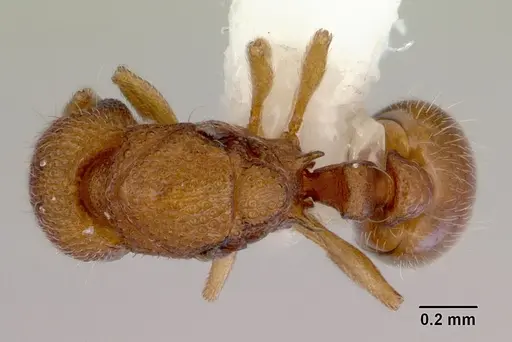
CASENT0172349
Ver no AntWeb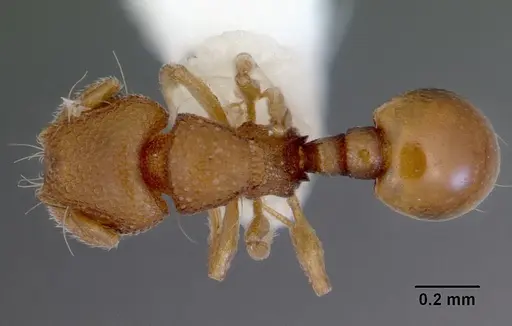
CASENT0172350
Ver no AntWeb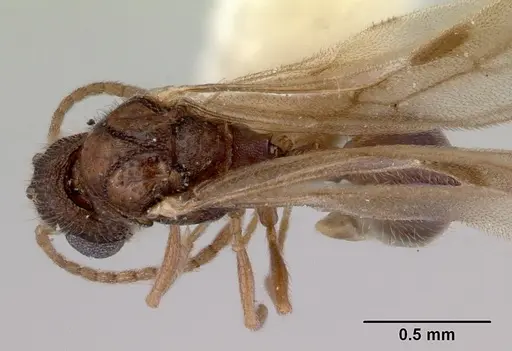
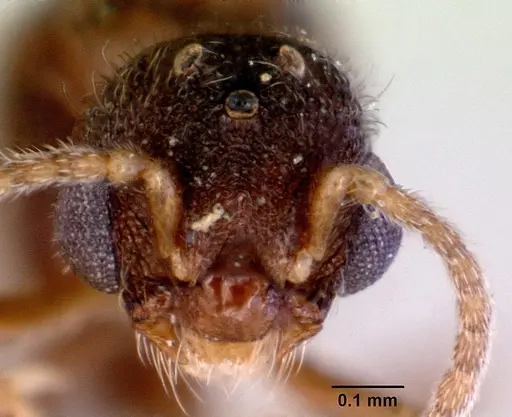
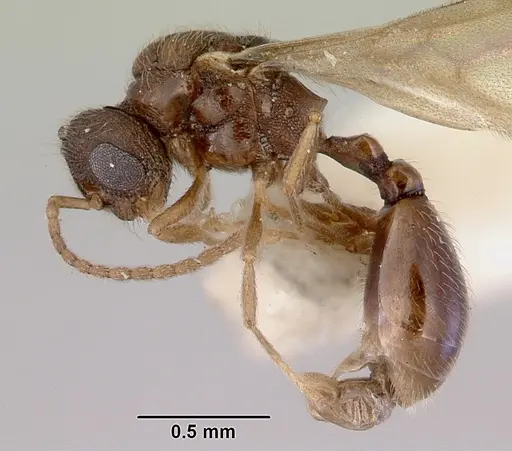
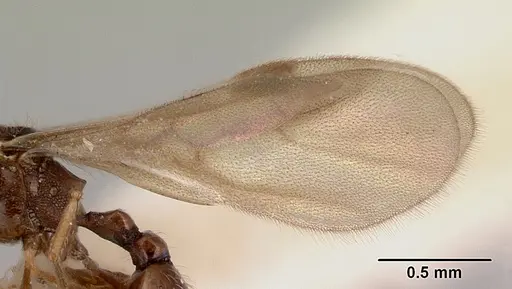
CASENT0908922
Ver no AntWeb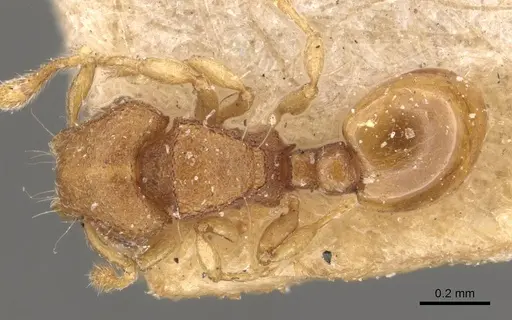
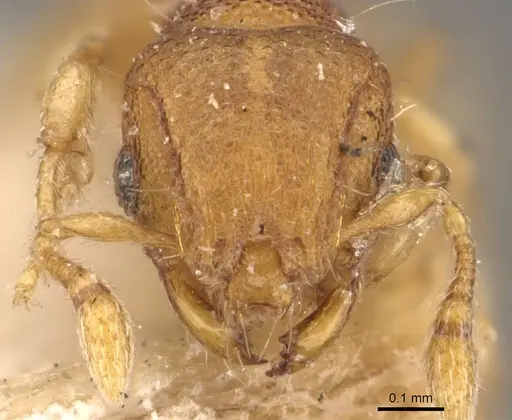
Literatura
Carregando mapa de distribuição...Carregando produtos...